

Damaged hair can feel like an uphill battle, especially when nothing you try seems to bring back that softness and shine you once had. Between heat styling, chemical treatments, pollution, and everyday stress, our strands go through more wear and tear than we often realize. The good news is that with the right hair care routine, damaged hair can be nursed back to health, strand by strand. This article walks you through more than ten essential practices that work together to repair, strengthen, and protect your hair over time, without relying on quick fixes or empty promises.
Understanding What Causes Hair Damage
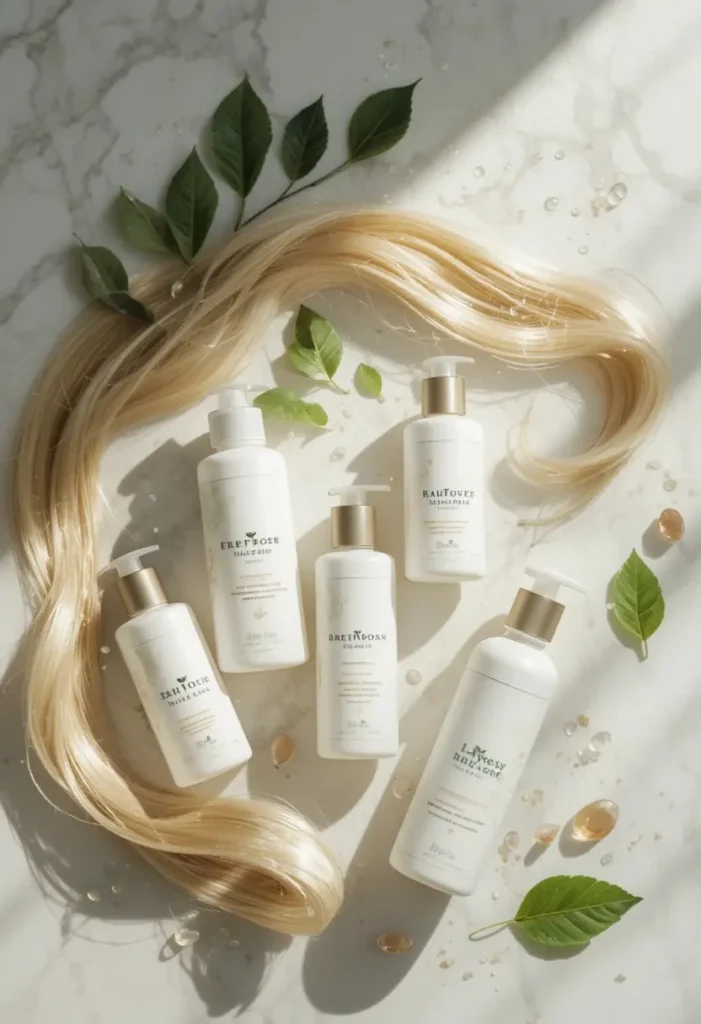
Before diving into any repair routine, it helps to understand why hair becomes damaged in the first place. Heat tools like straighteners, curling irons, and blow dryers strip away moisture from the hair shaft, leaving it brittle and prone to breakage. Chemical processes such as coloring, perming, and relaxing further weaken the protein structure of each strand, making hair look dull and feel rough to the touch. Environmental factors, including sun exposure and pollution, add another layer of stress that many people overlook.
Recognizing these causes is the first step toward genuine recovery. Once you identify what’s harming your hair, you can make informed choices about which habits to reduce and which nourishing practices to introduce. Damaged hair rarely improves through a single product or treatment; it responds best to a combination of gentler daily habits and consistent, targeted care that addresses the root of the problem rather than just masking the symptoms.
Choosing a Gentle, Sulfate-Free Shampoo
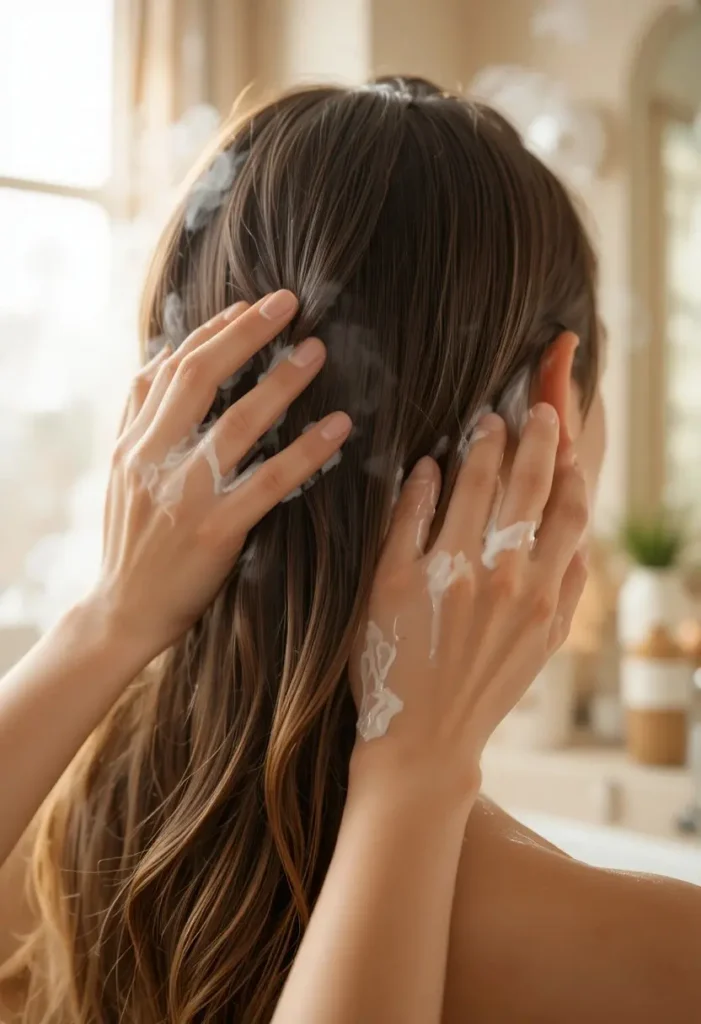
The shampoo you use plays a much bigger role in your hair’s condition than most people realize. Traditional shampoos often contain sulfates, harsh cleansing agents that strip natural oils from the scalp and hair, leaving already damaged strands feeling even drier. Switching to a sulfate-free formula allows your hair to retain more of its natural moisture while still getting properly cleansed. This small change alone can make a noticeable difference in how your hair feels within just a few washes.
It’s also worth paying attention to how often you wash your hair. Over-washing can worsen dryness and damage, while under-washing may lead to buildup that weighs hair down. Finding a rhythm that suits your scalp type and lifestyle, paired with a shampoo formulated for damaged or chemically treated hair, creates a foundation that supports every other step in your routine. Over time, this gentler approach helps restore balance to both the scalp and the hair fiber itself.
Deep Conditioning on a Regular Basi

Deep conditioning treatments go far beyond what a regular conditioner can achieve. These formulas are designed to penetrate the hair shaft rather than just coating the surface, delivering intensive hydration and repairing proteins directly where they’re needed most. For damaged hair, incorporating a deep conditioning treatment once or twice a week can dramatically improve elasticity, reducing the likelihood of breakage during brushing or styling.
The key to effective deep conditioning lies in consistency rather than occasional use. Hair that has been through chemical processing or heat damage needs sustained care to rebuild its internal structure, and skipping treatments for weeks at a time slows this recovery. Applying the product evenly from mid-length to ends, where damage is usually most concentrated, and allowing it to sit for the recommended time ensures your strands actually absorb the benefits rather than just receiving a temporary surface shine.
Incorporating a Weekly Hair Mask

While deep conditioners work on a more frequent basis, a dedicated hair mask offers a more concentrated dose of repair once a week. Masks are typically richer in texture and formulated with ingredients like keratin, argan oil, or shea butter, all of which help rebuild the hair’s protective barrier. For severely damaged hair, this weekly ritual can be the difference between hair that continues to fray and hair that gradually regains its strength.
Using a hair mask isn’t just about the product itself but also about the mindset behind the routine. Treating this weekly session as a moment of genuine care, rather than a rushed task, often leads to better application and more thorough saturation of the product through the hair. Over several weeks, this consistent investment shows up as reduced split ends, improved softness, and hair that feels noticeably more resilient to daily handling.
Reducing the Use of Heat Styling Tools
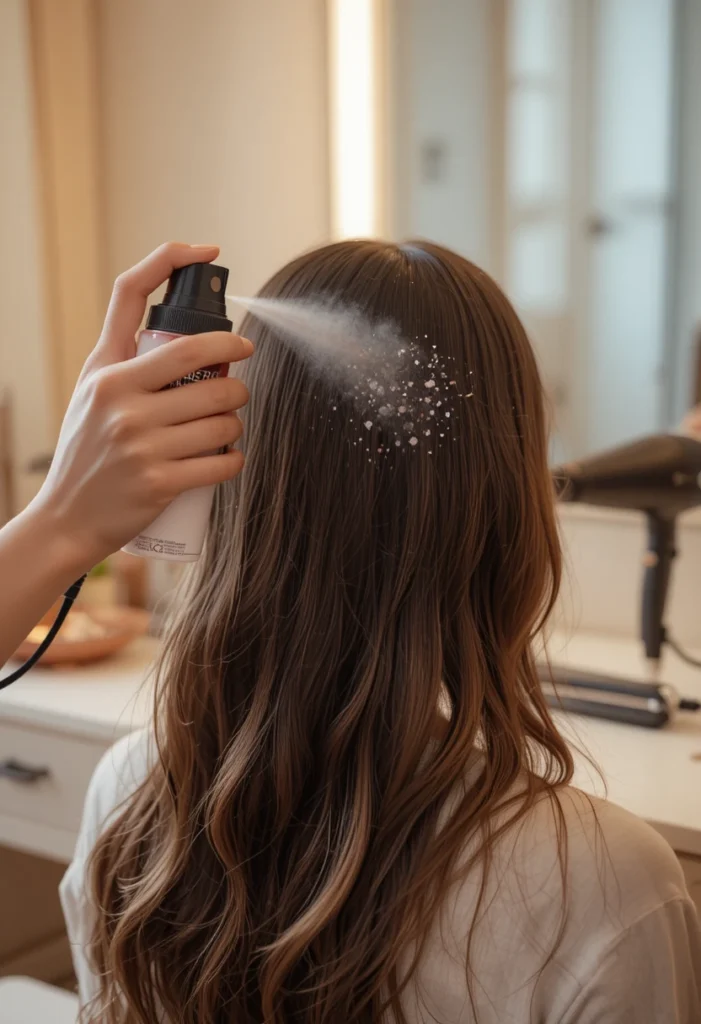
Frequent use of straighteners, curling irons, and blow dryers is one of the fastest ways to deepen existing hair damage. Each pass of high heat weakens the protein bonds within the hair shaft, gradually making strands more porous and prone to snapping. For hair that’s already compromised, cutting back on these tools, even a few days a week, gives the hair a real chance to recover its natural texture and strength.
When heat styling can’t be avoided entirely, allowing hair to dry naturally before using any hot tool reduces the overall exposure time to damaging temperatures. Lowering the heat setting on these devices also makes a meaningful difference, since many styling tools default to temperatures far higher than what’s actually necessary. Small adjustments like these, practiced consistently, protect the hair’s integrity far more effectively than occasional breaks alone.
Applying a Heat Protectant Before Styling
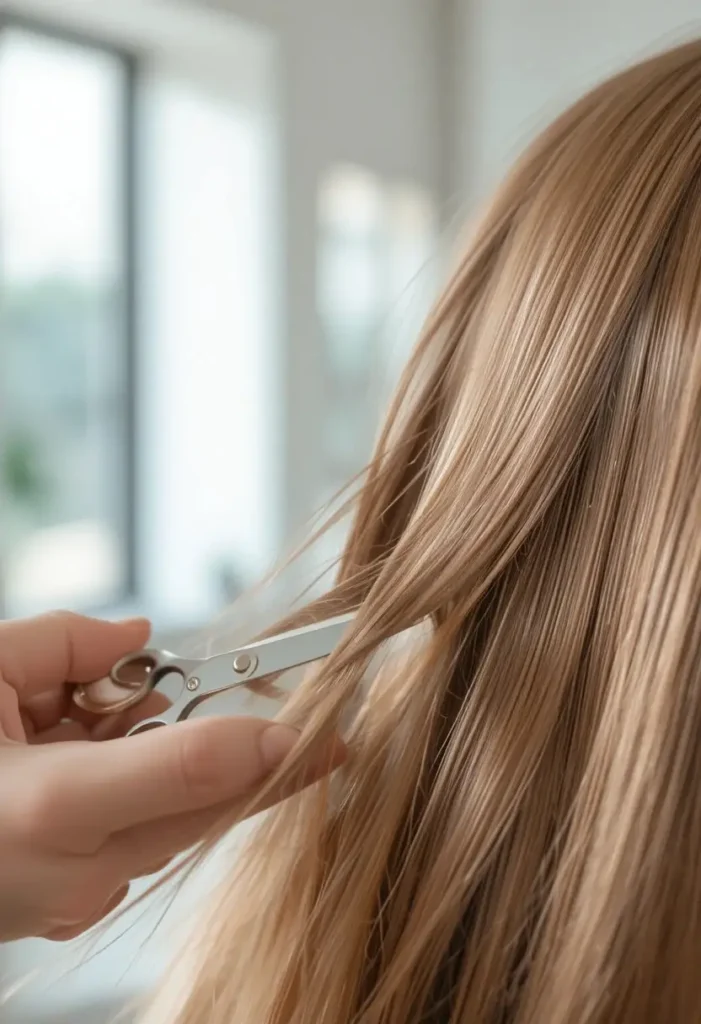
For situations where heat styling is unavoidable, a heat protectant spray or serum becomes an essential part of the routine. These products form a thin barrier around each strand, reducing direct heat transfer and minimizing moisture loss during styling. Skipping this step, even once, can undo much of the progress made through deep conditioning and masking treatments.
Beyond just moisture protection, many heat protectants also contain lightweight proteins and silicones that smooth the hair cuticle, making it more resistant to friction and mechanical stress. Applying the product evenly through damp hair before drying or styling ensures full coverage, rather than leaving certain sections more vulnerable than others. Over time, this simple habit becomes one of the most protective layers in an entire damaged hair recovery routine.
Trimming Split Ends on a Regular Schedule
Split ends don’t heal on their own, and ignoring them often allows the damage to travel further up the hair shaft. Regular trims, even just small amounts every couple of months, prevent this upward splitting and keep the ends of the hair looking healthier and more uniform. For hair that’s already fragile, this step is less about length and more about damage control.
Many people resist trimming because they’re trying to grow their hair out, but retaining damaged ends usually works against that goal. Hair that’s allowed to split further becomes thinner and weaker along its length, making it harder to maintain volume and shine. A consistent trimming schedule, paired with the rest of the repair routine, actually supports healthier growth by removing the weakest points before they cause further breakage.
Nourishing the Scalp for Stronger Roots
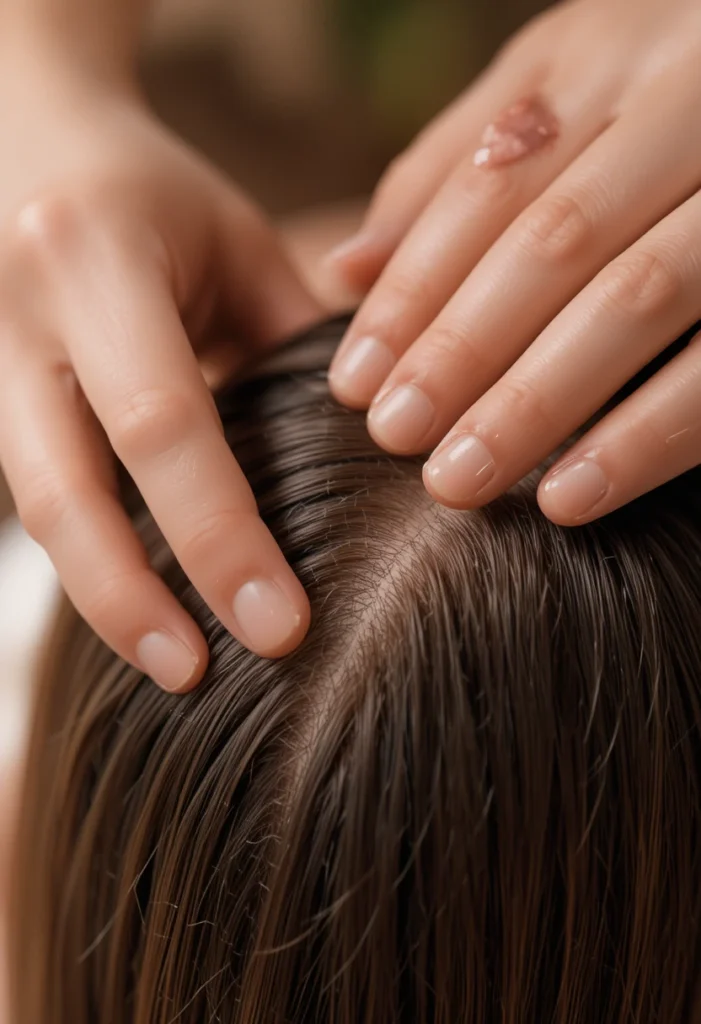
Healthy hair growth starts at the scalp, yet this area is often overlooked in favor of focusing purely on the strands themselves. A scalp massage using nourishing oils or serums improves blood circulation, which helps deliver nutrients more efficiently to the hair follicles. For damaged hair, a healthier scalp environment supports the growth of stronger new strands to replace the weaker ones being repaired.
Buildup from styling products, dry skin, or excess oil can clog follicles and slow down healthy growth patterns. Incorporating a gentle scalp scrub or clarifying treatment every few weeks helps clear this buildup without stripping the scalp of its natural balance. When the scalp is properly cared for, the entire hair care routine becomes more effective, since new growth starts from a healthier foundation rather than compromised roots.
Read also:12 Niacinamide Benefits for Skin: Unlock a Clearer, Calmer, More Radiant Complexion
Using Natural Oils to Restore Moisture

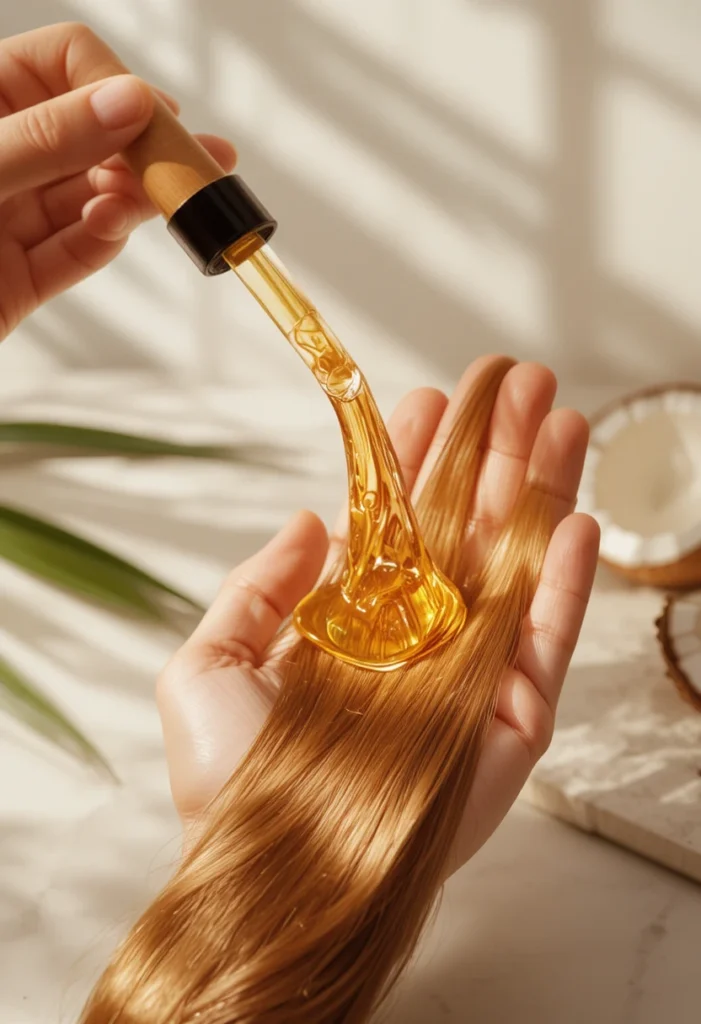
Natural oils such as argan oil, coconut oil, and jojoba oil have long been used to restore moisture and shine to damaged hair. These oils work by penetrating the hair shaft or coating it with a protective layer, depending on their molecular structure, helping to reduce protein loss and improve overall flexibility. Applying a small amount to the mid-lengths and ends after washing can lock in moisture throughout the day.
Different oils suit different hair types and damage levels, so it often takes some experimentation to find the right one. Lighter oils work well for fine or easily weighed-down hair, while richer oils suit thicker or more severely damaged strands. Used consistently, natural oils become a simple yet powerful addition to any repair routine, offering both immediate softness and long-term structural support.
Protecting Hair From Sun and Environmental Stress
Just as skin can suffer from sun exposure, hair is also vulnerable to UV damage, which breaks down proteins and fades color over time. Prolonged exposure to sunlight, combined with pollution and harsh weather conditions, accelerates the drying and weakening process in already fragile hair. Wearing a hat or using UV-protective hair products during extended outdoor activities helps shield strands from this cumulative damage.
Environmental stress isn’t limited to sunny days either, since wind, humidity, and pollution all contribute to hair becoming rougher and more tangled. Rinsing hair after exposure to heavily polluted environments and using antioxidant-rich products can help counteract some of this damage. Building this kind of environmental awareness into your routine adds another layer of protection that many people don’t consider until the damage has already become visible.
Adjusting Your Diet to Support Hair Health
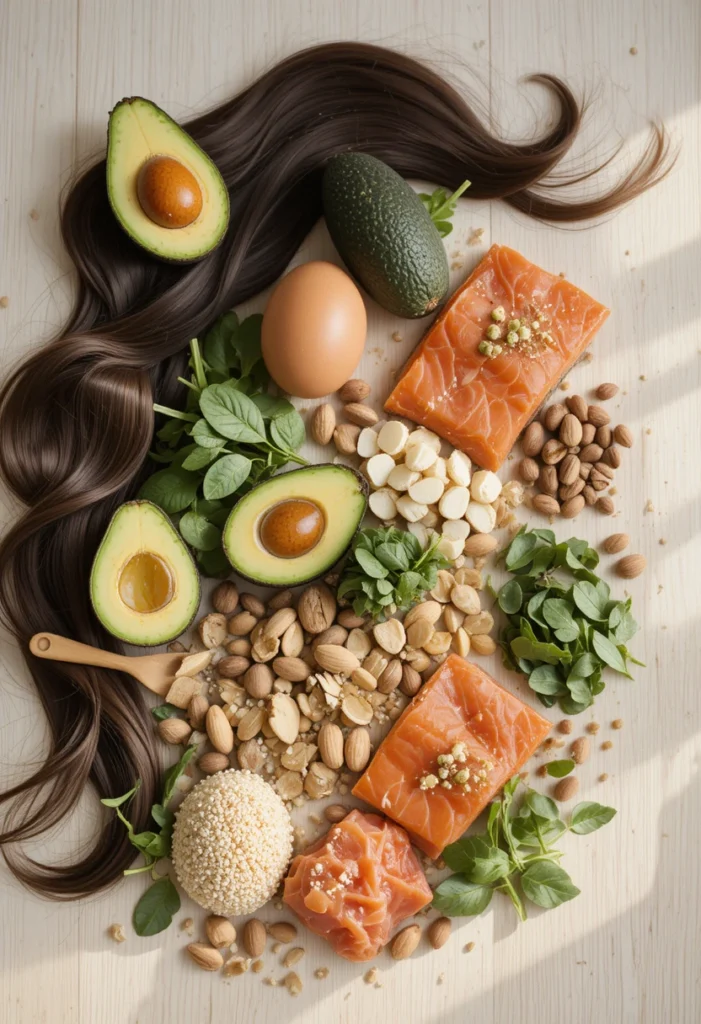
What you eat has a direct impact on the strength and appearance of your hair, since strands are largely made up of protein and rely on specific nutrients to grow properly. A diet lacking in biotin, zinc, or omega-3 fatty acids often shows up as brittle, slow-growing hair that struggles to recover from damage. Including more protein-rich foods, leafy greens, and healthy fats can noticeably improve hair texture over several months.
Hydration also plays a surprisingly large role in hair health, as dehydration affects the scalp’s ability to produce natural oils that keep hair moisturized. Pairing a balanced diet with adequate water intake supports the internal processes that external treatments alone cannot fix. While topical products address the visible signs of damage, proper nutrition works from within, making it an essential and often underestimated part of any hair repair routine.
Being Gentle During Brushing and Detangling

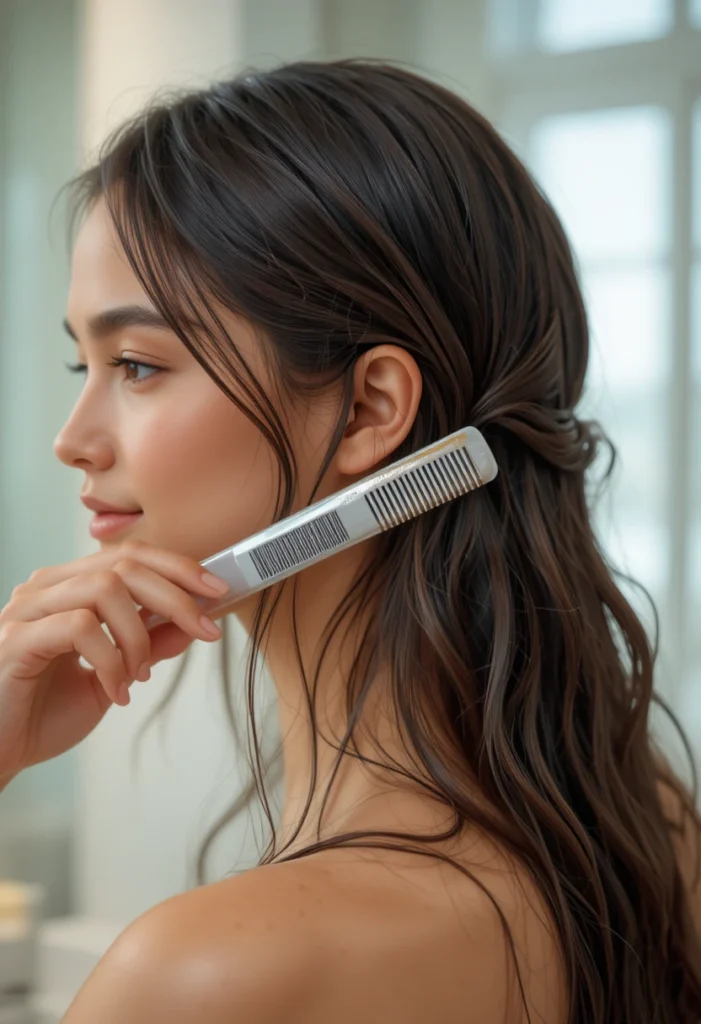
The way you brush and detangle your hair can either support or sabotage your recovery efforts. Damaged hair is far more prone to breakage when brushed roughly, especially while wet, since hair is at its weakest and most elastic state in that condition. Using a wide-tooth comb or a brush designed for detangling, starting from the ends and working upward, reduces unnecessary strain on fragile strands.
Rushing through this process often causes more harm than the actual damage being repaired elsewhere in the routine. Taking a few extra minutes to gently work through knots, rather than pulling forcefully, preserves length and reduces shedding over time. This small shift in handling technique, practiced daily, protects the progress made through conditioning treatments and masks from being undone by careless detangling.
Avoiding Tight Hairstyles and Constant Tension

Hairstyles that pull tightly on the scalp, such as tight ponytails, braids, or buns, place ongoing stress on hair follicles and can worsen existing damage. This constant tension, known as traction stress, weakens hair at the roots and can lead to breakage along the hairline and temples. For hair that’s already compromised, opting for looser styles allows strands to rest without added mechanical strain.
Alternating hairstyles throughout the week also helps distribute stress more evenly across different sections of the scalp, rather than repeatedly targeting the same areas. Loose braids, low buns, or simply wearing hair down more often give damaged strands the breathing room they need to recover. Over time, this reduced tension supports healthier regrowth and prevents further thinning in areas that have already been weakened.
Letting Hair Air Dry Whenever Possible

Towel-drying and blow-drying both introduce friction and heat that can further stress already damaged hair. Allowing hair to air dry naturally, even partially before finishing with a lower heat setting, reduces this cumulative exposure and gives strands a chance to retain more of their natural moisture. This simple shift in routine can significantly cut down on daily damage accumulated through drying alone.
Using a microfiber towel or a soft cotton t-shirt instead of a regular towel also minimizes friction during the initial drying process, preventing unnecessary breakage from rough rubbing. Patting hair gently rather than scrubbing it dry preserves the hair’s outer cuticle layer, keeping it smoother and less prone to frizz. Combined with reduced heat styling, this drying method becomes a quiet but effective contributor to long-term hair recovery.
Conclusion
Repairing damaged hair isn’t about finding one miracle product; it’s about building a consistent hair care routine that addresses moisture, protein, scalp health, and daily habits together. From choosing a sulfate-free shampoo to being gentle during detangling, every step plays a small but meaningful role in restoring your hair’s strength and shine. With patience and consistency, even severely damaged hair can gradually transform into healthier, more resilient strands you feel confident wearing every day.

Mehboob Ahmad is the founder and writer behind BeautyVibeWorld. With a genuine passion for skincare, makeup, and everyday beauty routines, Mehboob started this platform to share simple, practical, and research-backed advice that real people can actually use without the confusion of conflicting trends and overhyped products.
Every article on BeautyVibeWorld is written with care, backed by research, and regularly updated to stay accurate and relevant. Mehboob believes good beauty advice should be honest, easy to follow, and free of unnecessary complexity.
Outside of writing, Mehboob enjoys exploring new beauty trends and staying up to date with the latest in skincare and haircare research to keep bringing fresh, reliable content to BeautyVibeWorld readers.