
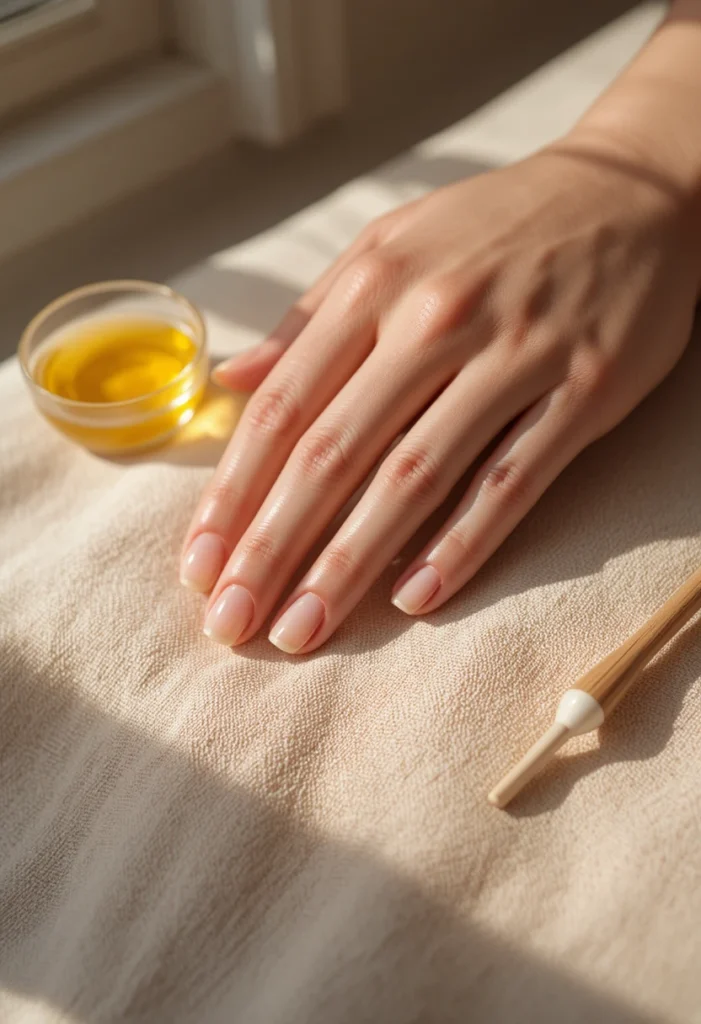
A proper nail cuticle care routine often gets overlooked in favor of flashy polish and nail art, yet the health of the cuticle area plays a far bigger role in overall nail appearance than most people realize. The skin surrounding the nail bed acts as a protective seal, and when it’s neglected, dry, or damaged, even the most carefully applied manicure tends to look unfinished. Giving this area consistent attention is less about vanity and more about supporting the long-term health of the nail itself.
This guide explores more than fourteen ideas for building a thoughtful routine around this often-underestimated part of nail care, covering hydration, gentle maintenance, and the small daily habits that make a noticeable difference over time. Whether your nails are naturally dry or you’re simply looking to refine your existing routine, these ideas offer a well-rounded approach to keeping this delicate area in good condition.
Understanding The Role Of The Cuticle
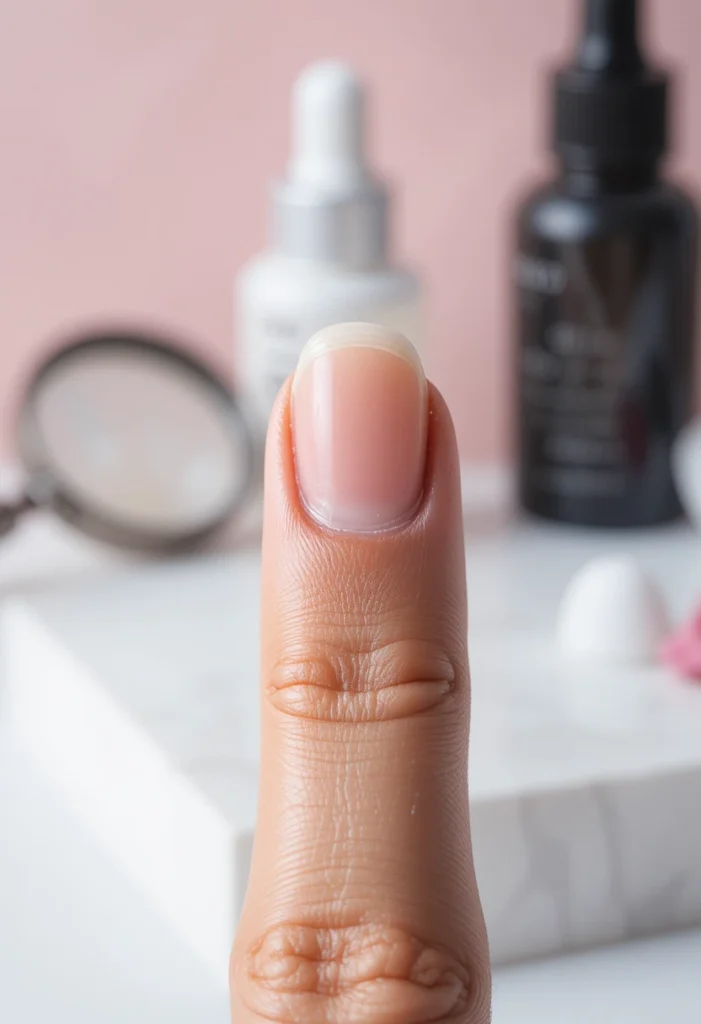
The thin layer of skin at the base of the nail serves a specific biological purpose, acting as a barrier that protects the new nail plate as it grows from underneath. This protective function is why damage or excessive dryness in this area can sometimes affect how smoothly and healthily the nail grows out over time. Recognizing this role helps explain why gentle, consistent care matters more than aggressive trimming or cutting.
Many people mistakenly treat this area as excess skin to be removed entirely, when in reality, maintaining a healthy balance is far more beneficial than eliminating it altogether. Understanding the actual function of this protective layer shifts the focus of a good routine away from removal and toward nourishment, setting the foundation for healthier nails in the long run.
Hydrating With Natural Oils

Regular oil application remains one of the most effective ways to keep this delicate skin soft and pliable, preventing the dryness and cracking that often leads to irritation or hangnails. Oils such as jojoba, almond, or vitamin E tend to absorb well without leaving a greasy residue, making them easy to incorporate into a daily routine without much disruption. Consistent use over time tends to show more noticeable results than occasional, sporadic application.
Massaging oil gently into this area also improves circulation to the nail bed, which some believe supports healthier nail growth over time. This small addition to a routine takes only a few seconds but tends to have a compounding effect, especially for those who deal with persistent dryness or seasonal skin changes that affect the hands more than other parts of the body.
Avoiding Aggressive Cutting And Trimming
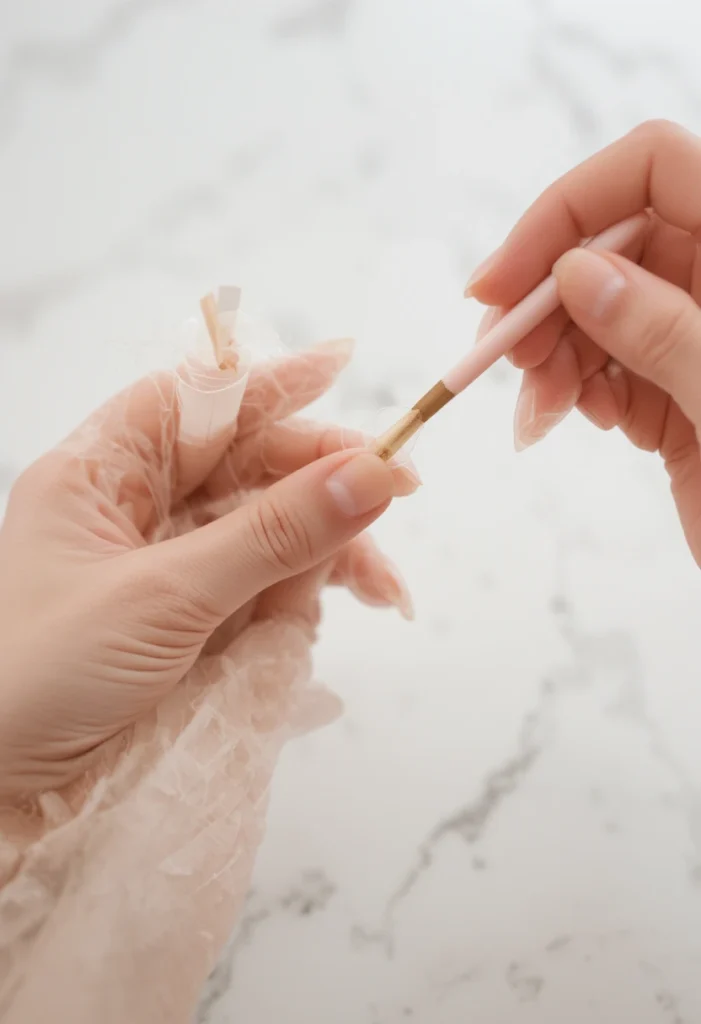
One of the most common mistakes in nail maintenance involves cutting this protective skin too aggressively, often in an attempt to achieve a cleaner, more polished look. Overly aggressive trimming can damage the skin barrier, leading to irritation, infection, or even more rapid regrowth of rough, uneven skin as the body attempts to repair itself. Understanding this risk helps shift focus toward gentler maintenance methods instead.
Rather than cutting this area back significantly, many nail professionals recommend only removing the very small amount of loose, dead skin that has already lifted away naturally. This more conservative approach reduces the risk of nicks or irritation while still keeping the area looking neat, striking a balance between maintenance and preserving the skin’s natural protective function.
Using A Gentle Pusher Tool
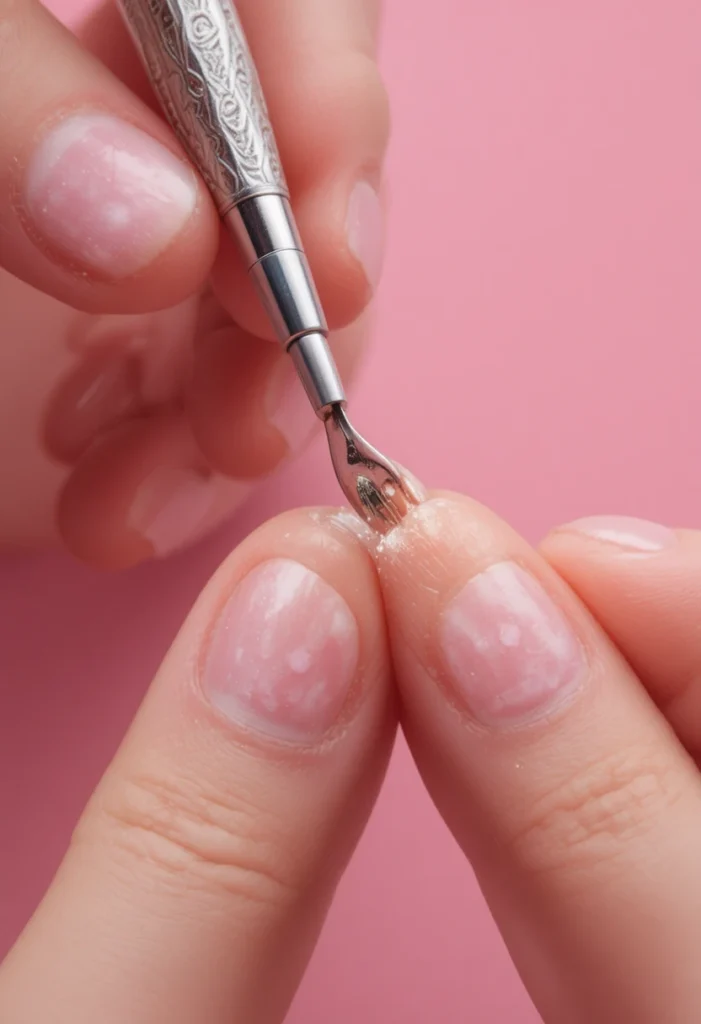
Rather than cutting, gently pushing back this skin using a soft-tipped tool helps maintain a clean nail bed appearance without disrupting the protective barrier underneath. This method works best when the skin has already been softened with oil or warm water, since attempting to push back dry, hardened skin can cause micro-tears or discomfort. Patience during this step tends to produce far better results than rushing through it.
A rubber-tipped or wooden pusher is generally gentler on the skin than metal tools, reducing the risk of scratching or damaging the nail plate underneath. This simple substitution in tool choice can make a noticeable difference in how the area looks and feels over time, particularly for those who tend to be more prone to irritation or sensitivity in this region.
Incorporating Weekly Exfoliation
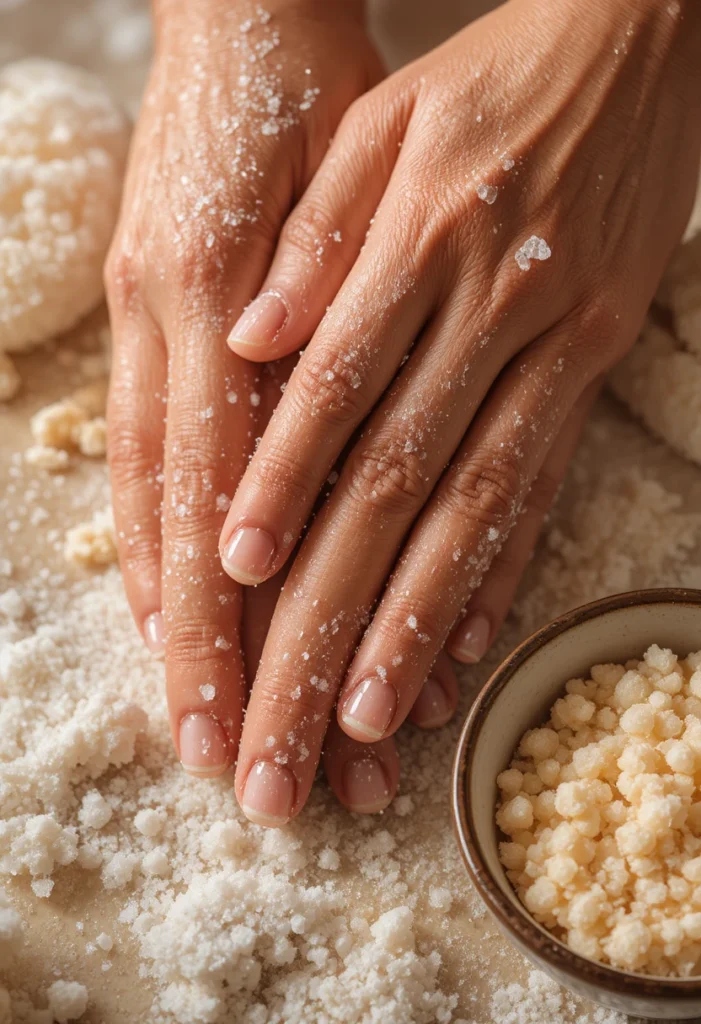
Gentle exfoliation around this area helps remove built-up dry skin that regular moisturizing alone may not fully address. A soft scrub, specifically formulated for the hands and nail area, can be massaged in small circular motions to lift away flaky or rough patches without being harsh on the surrounding skin. This step works particularly well when incorporated into a broader hand care routine rather than treated as an isolated task.
Overdoing this step, however, can lead to irritation, so limiting exfoliation to once or twice a week tends to strike the right balance. This moderate frequency allows the skin enough time to recover and regenerate naturally, while still preventing the buildup of dry, rough patches that can make the nail area look neglected.
Soaking Nails Before Maintenance
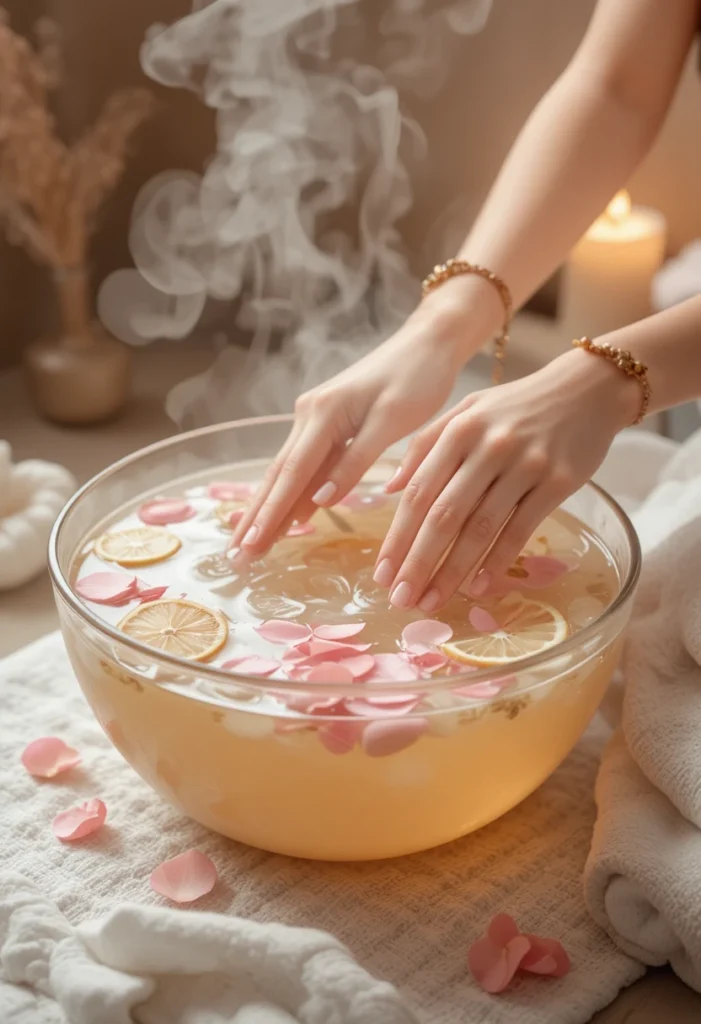
Soaking the hands in warm water for a few minutes before any maintenance work softens this delicate skin considerably, making it far easier to push back or gently clean up without causing damage. This step is often skipped in rushed routines, yet it significantly reduces the risk of tearing or discomfort during the pushing or trimming process. Adding a few drops of oil to the soaking water can enhance this softening effect even further.
This softening process also makes it easier to notice any areas that may need extra attention, such as small hangnails or particularly dry patches that aren’t as visible when the skin is dry and tight. Taking this extra step before diving into any other part of the routine tends to make the entire process smoother and less prone to accidental irritation.
Applying Cuticle Cream Nightly
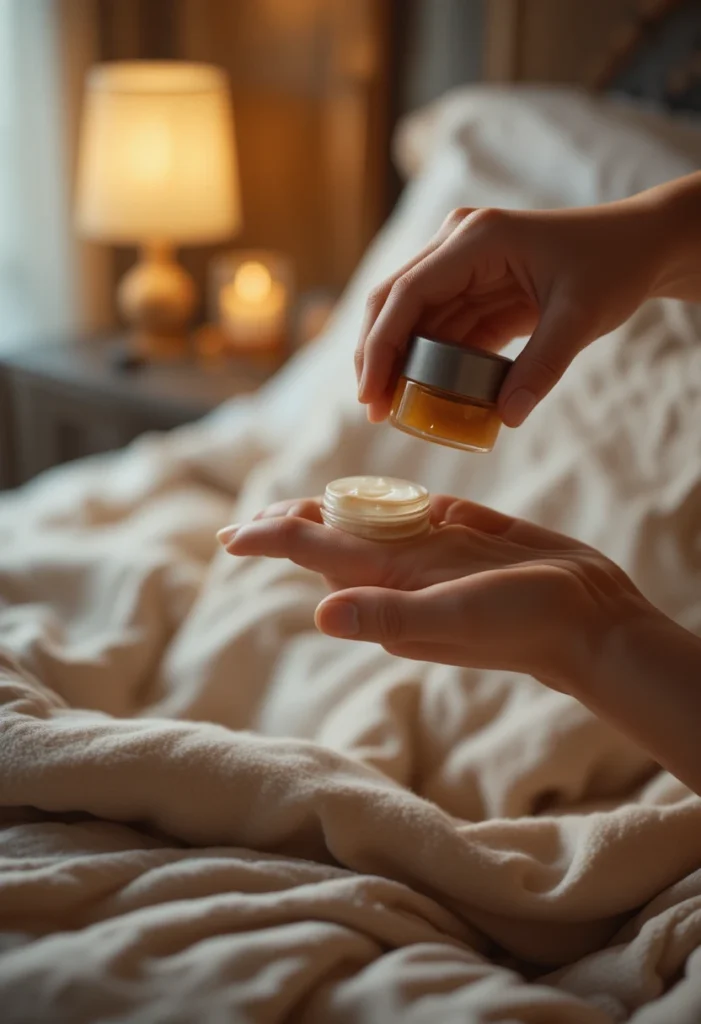
A dedicated cream formulated specifically for this area tends to offer more concentrated hydration than a standard hand lotion, often containing richer emollients designed to penetrate the thicker skin texture found at the nail base. Applying this cream as part of a nightly routine allows the ingredients to absorb fully overnight, without the interruption of hand washing or daily activities that can strip away hydration during the day.
Consistency tends to matter more than product choice in this step, since even a high-quality cream won’t show much benefit if applied only sporadically. Building this into an existing nighttime routine, such as right before bed, helps ensure it becomes a habit rather than something that’s easily forgotten during a busy day.
Protecting Hands During Household Chores

Frequent exposure to water, soap, and cleaning chemicals tends to be one of the biggest contributors to dryness and irritation in this delicate skin, often undoing the benefits of an otherwise consistent care routine. Wearing gloves during dishwashing or cleaning tasks creates a barrier that prevents this repeated exposure from stripping natural oils away from the skin. This small adjustment can make a noticeable difference for those who deal with persistent dryness despite regular moisturizing.
Beyond gloves, choosing gentler, less harsh soaps for everyday handwashing can also reduce the cumulative dryness that builds up over time. Since hands are washed multiple times throughout an average day, even small reductions in exposure to harsh ingredients can add up to a meaningful improvement in the overall condition of the skin surrounding the nails.
Addressing Hangnails Properly
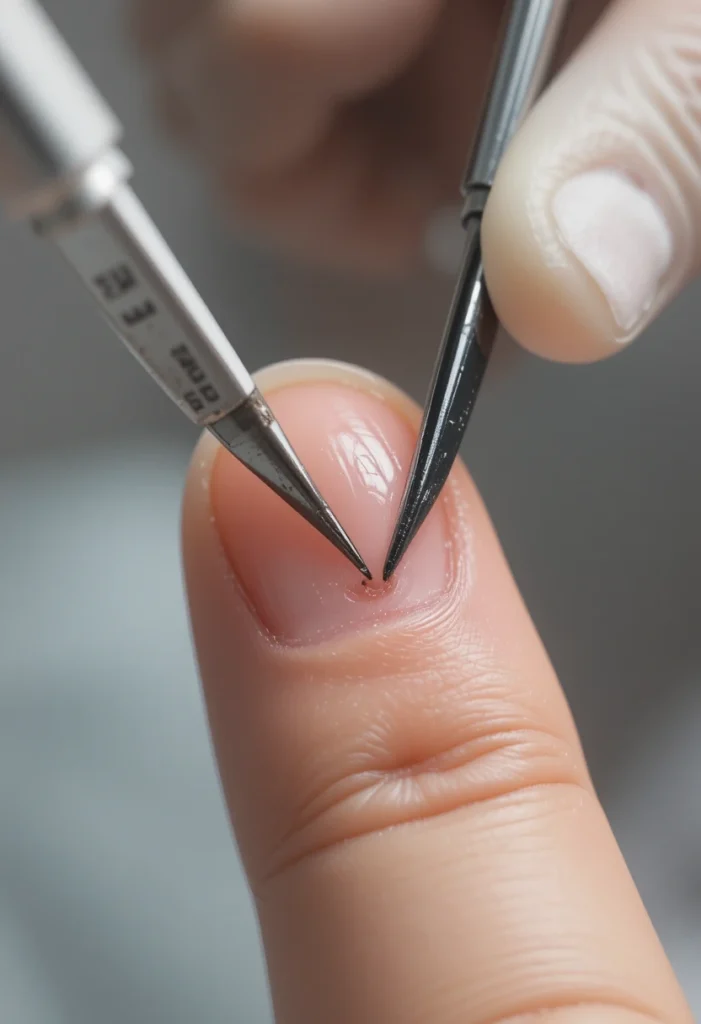
Hangnails often appear as small, jagged pieces of skin that lift away from the nail bed, and how they’re handled can significantly impact the surrounding area’s health. Pulling or biting at a hangnail, though tempting, often tears the skin further, leading to irritation or even minor infection in some cases. A more careful approach involves gently trimming the loose piece with clean, sharp scissors rather than pulling it away entirely.
Keeping the surrounding area moisturized after addressing a hangnail also helps prevent further cracking or dryness in that specific spot. Since hangnails often signal an already dry or under-cared-for area, treating them as a sign to increase hydration in that region, rather than an isolated issue, tends to prevent recurring problems in the same spot.
Choosing The Right Products For Sensitive Skin
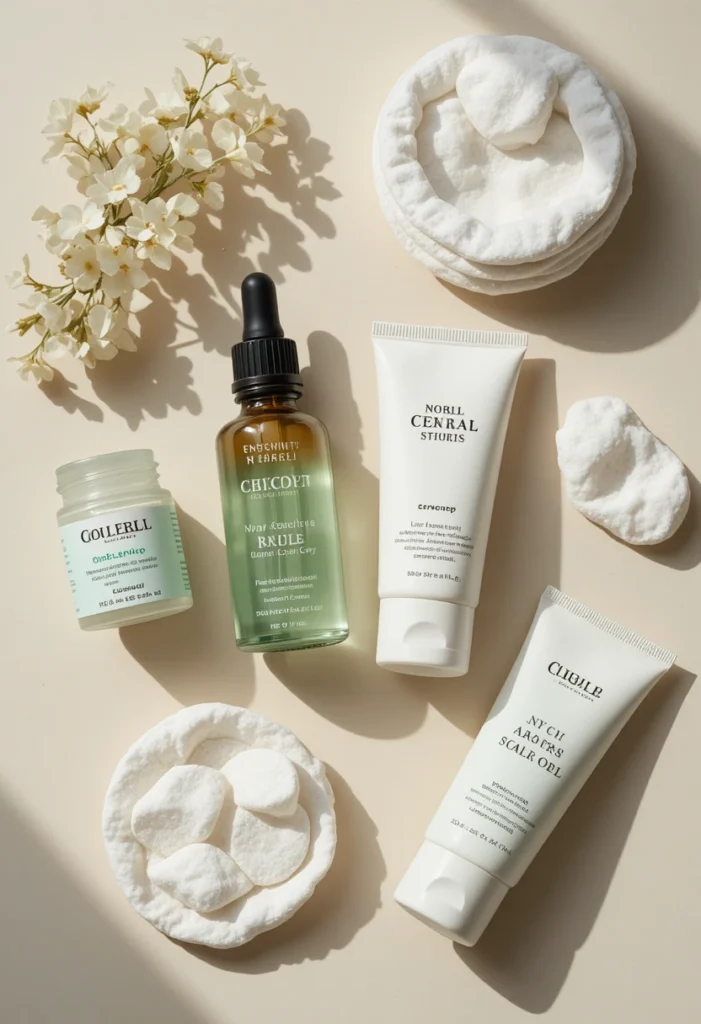
Not all cuticle products work well for every skin type, and those with sensitive skin may find that certain oils or creams cause irritation rather than relief. Fragrance-free formulations tend to be gentler for those prone to redness or reactions, since added fragrances are a common source of sensitivity in skincare products applied to thinner areas of skin. Patch testing a new product on a small area before full use can help avoid unexpected irritation.
Ingredients like shea butter, squalane, or ceramides tend to be well-tolerated by most skin types, offering hydration without the heavier, potentially pore-clogging quality of some richer oils. Taking the time to choose products suited to individual skin sensitivity ultimately leads to a more effective and sustainable routine, rather than switching between products that inadvertently cause more irritation than benefit.
Maintaining Consistency Over Time
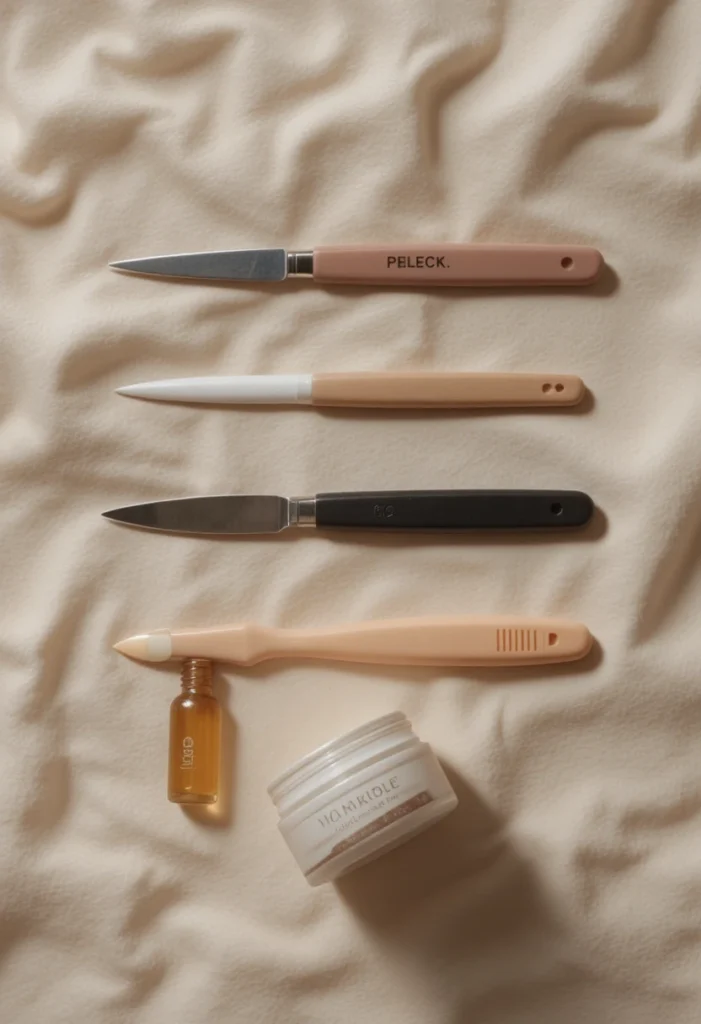
Like most aspects of skincare, visible improvement in this area tends to come from consistent, ongoing care rather than occasional, intensive treatment sessions. A simple daily habit of oil application, paired with weekly gentle maintenance, tends to produce far better long-term results than sporadic deep treatments followed by weeks of neglect. This steady approach allows the skin to maintain its natural moisture balance rather than fluctuating between dryness and temporary relief.
Tracking small improvements over several weeks can also help reinforce the habit, since the changes in skin texture and appearance are often gradual rather than immediate. Recognizing that this is a long-term maintenance practice, rather than a quick fix, helps set realistic expectations and encourages the kind of consistency that leads to genuinely healthier results.
Adjusting Routine For Seasonal Changes
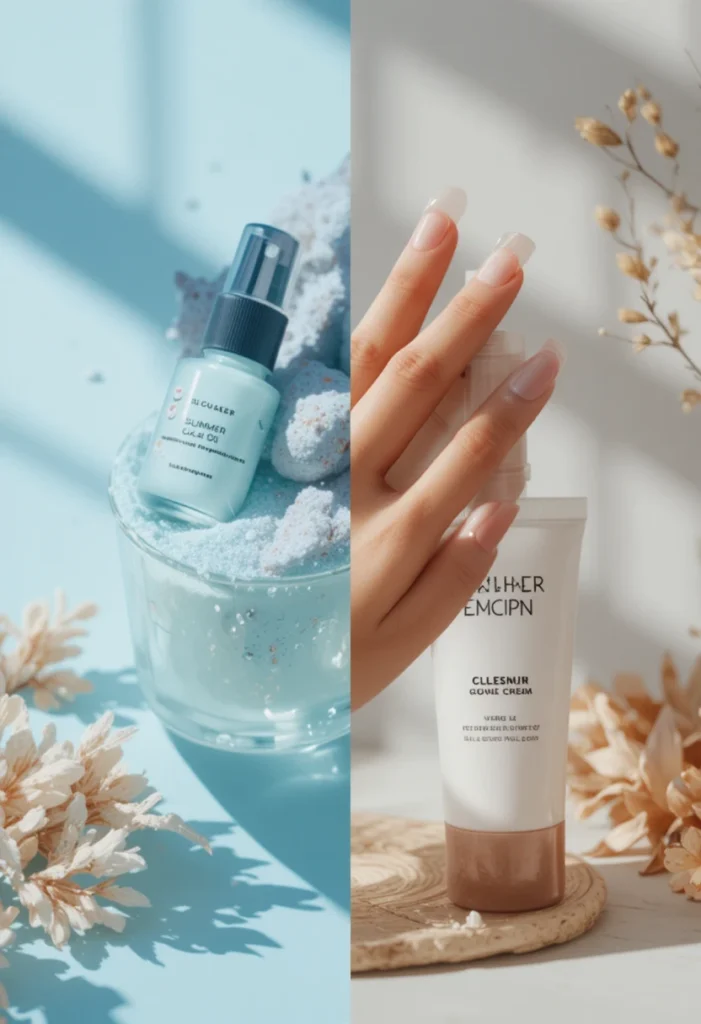
Colder months often bring increased dryness to this delicate skin, making it necessary to adjust the intensity or frequency of a care routine depending on the season. Heavier creams or more frequent oil application may be needed during winter, when indoor heating and cold outdoor air both contribute to moisture loss. Recognizing these seasonal shifts helps prevent the frustration of a routine that worked well in summer suddenly seeming ineffective as temperatures drop.
Conversely, warmer months may require lighter formulations, since heavier products can sometimes feel excessive when humidity levels are naturally higher. Paying attention to how skin responds throughout the year, rather than sticking rigidly to one product or routine regardless of season, allows for a more responsive and ultimately more effective approach to long-term care.
Read also:16+ Butterfly Nail Art Designs: Flutter Into Whimsical, Eye-Catching Style
Recognizing Signs Of Infection Or Irritation
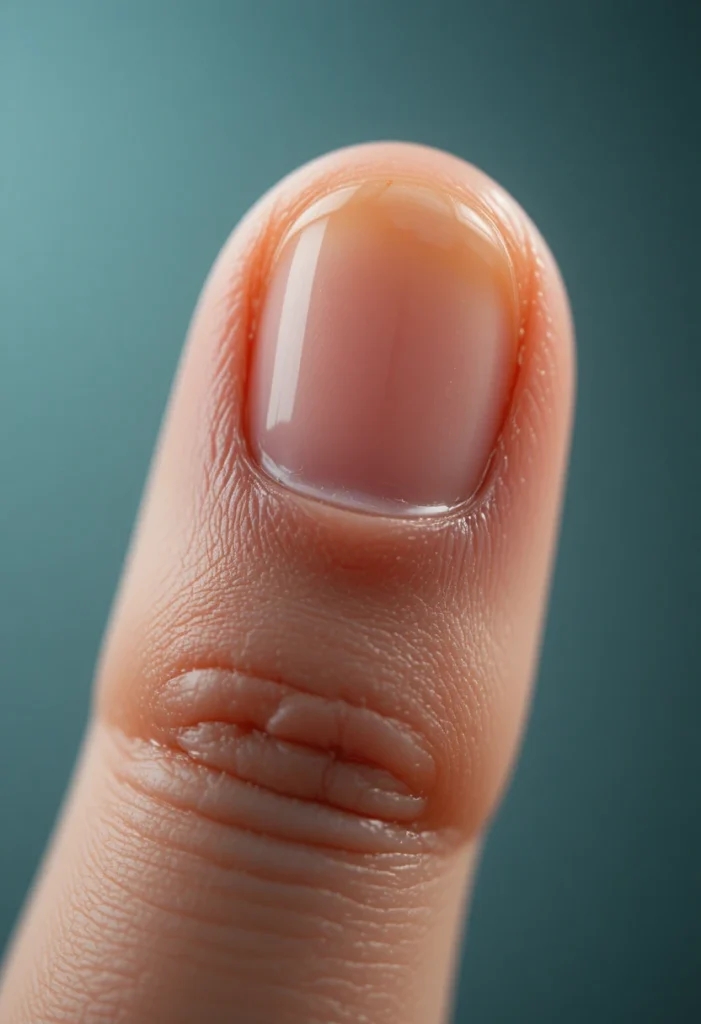
Occasionally, this delicate area can become inflamed, red, or tender, signaling irritation or a minor infection that requires more attention than routine moisturizing alone can address. Recognizing these signs early, such as persistent redness, swelling, or discomfort, allows for prompt action before the issue worsens. In many cases, reducing product use temporarily and allowing the area to rest can help resolve mild irritation on its own.
If symptoms persist or worsen despite reduced product use and gentle care, consulting a dermatologist or healthcare professional becomes an important next step, since some infections may require treatment beyond what a typical at-home routine can address. Being attentive to these early warning signs helps prevent minor issues from developing into more significant, harder-to-treat problems.
Combining Routine With Overall Nail Health

A thoughtful approach to this area works best when considered alongside broader nail health practices, such as maintaining a balanced diet, staying hydrated, and avoiding excessive use of harsh nail products like acetone-based removers. Since the health of this skin is closely tied to the overall condition of the nail itself, addressing both areas together tends to produce more noticeable, lasting results than focusing on just one aspect in isolation.
This combined approach also means paying attention to how nail treatments, such as gel or acrylic applications, might affect the surrounding skin over time. Being mindful of how different nail services interact with this delicate area helps maintain a routine that supports long-term health, rather than one that inadvertently undoes careful daily maintenance through harsher salon treatments.
Conclusion
Healthy nails start well before polish ever touches the surface, and the small, consistent habits around this often-overlooked area make a lasting difference over time. From gentle hydration to protecting hands during daily tasks, these routines don’t require much effort, just regularity. With patience and the right approach, this simple part of nail care can quietly transform the overall health and appearance of your hands.

Mehboob Ahmad is the founder and writer behind BeautyVibeWorld. With a genuine passion for skincare, makeup, and everyday beauty routines, Mehboob started this platform to share simple, practical, and research-backed advice that real people can actually use without the confusion of conflicting trends and overhyped products.
Every article on BeautyVibeWorld is written with care, backed by research, and regularly updated to stay accurate and relevant. Mehboob believes good beauty advice should be honest, easy to follow, and free of unnecessary complexity.
Outside of writing, Mehboob enjoys exploring new beauty trends and staying up to date with the latest in skincare and haircare research to keep bringing fresh, reliable content to BeautyVibeWorld readers.