
Achieving that perfect blonde is only half the battle; keeping it looking fresh, bright, and healthy afterward is where most people struggle. A proper blonding hair care routine is essential for preventing brassiness, dryness, and breakage that often come with lightened hair. This article breaks down everything needed to maintain vibrant, healthy blonde hair long after the salon visit.
Why Blonde Hair Requires a Specialized Routine
Lightening hair, whether through bleach, highlights, or balayage, fundamentally alters the hair’s structure by breaking down its natural pigment. This process inevitably creates gaps in the cuticle layer, making blonde hair inherently more porous and prone to dryness compared to hair that hasn’t been chemically lightened.
Because of this altered structure, blonde hair often requires different products and techniques than what works for natural or darker hair colors. Ignoring these specific needs frequently leads to the common complaints associated with blonding: brassy tones, straw-like texture, and hair that seems to break more easily than it used to before the color process began.
Using Purple Shampoo to Combat Brassiness
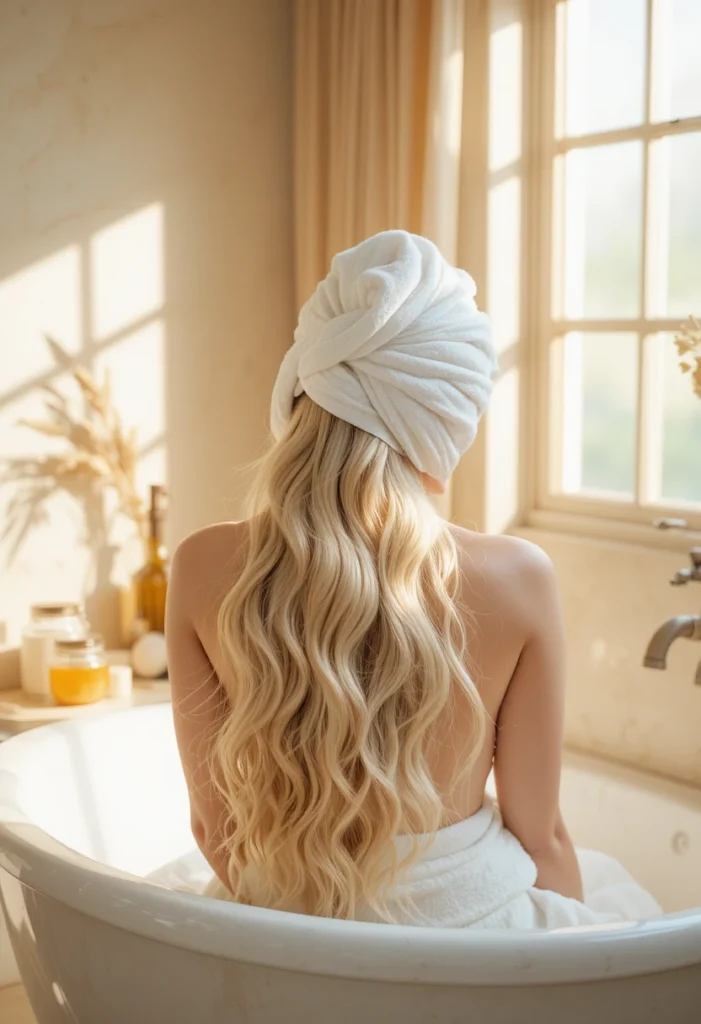
Purple shampoo has become an essential tool for anyone maintaining blonde hair, primarily because it directly counteracts the yellow and orange tones that naturally emerge as toner fades. The purple pigments work by neutralizing these warm undertones, keeping blonde hair looking cooler and more vibrant between salon visits.
Using purple shampoo too frequently, however, can lead to hair taking on an unwanted violet tint or becoming overly dry due to its typically stronger cleansing formula. Most people find that using it once or twice a week strikes the right balance, keeping brassiness at bay without overcorrecting or stripping the hair of necessary moisture.
Deep Conditioning Treatments for Lightened Hair
Given how much moisture blonde hair loses during the lightening process, regular deep conditioning becomes non-negotiable rather than optional. These treatments work to replenish what’s been stripped away, targeting the increased porosity that makes lightened hair prone to feeling dry, rough, or brittle if left unaddressed.
Incorporating a deep conditioning treatment at least once a week helps rebuild moisture levels gradually, preventing the kind of cumulative dryness that leads to breakage over time. Choosing a formula rich in hydrating ingredients like shea butter or hyaluronic acid tends to work particularly well for the specific moisture demands of chemically lightened hair.
Protein Treatments to Rebuild Hair Strength
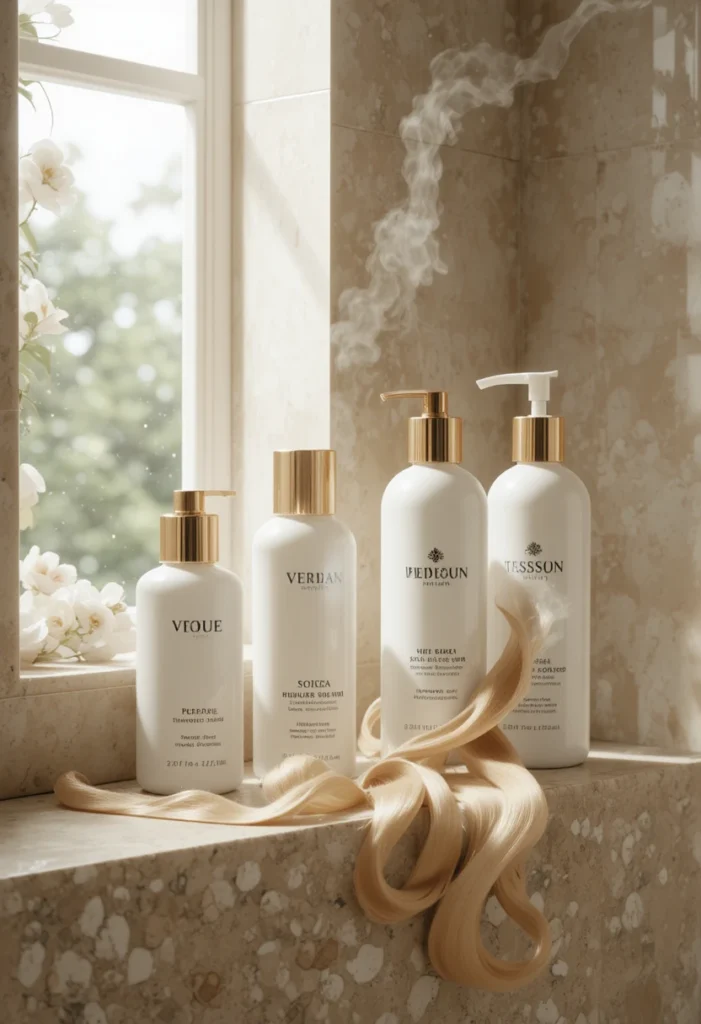
Beyond moisture, blonde hair also needs regular protein support to address the structural damage caused by the lightening process. Bleaching breaks down the natural keratin bonds within the hair shaft, and protein treatments help rebuild some of this lost strength, reducing the elasticity issues that often lead to snapping or excessive breakage.
Balancing protein treatments with moisture-focused ones is important, since overdoing protein without enough hydration can leave hair feeling stiff or brittle in a different way. Alternating between the two based on how hair feels, rather than sticking rigidly to one type, tends to produce the most resilient results for maintaining blonde hair’s overall integrity.
Choosing Sulfate-Free Shampoos for Color Longevity
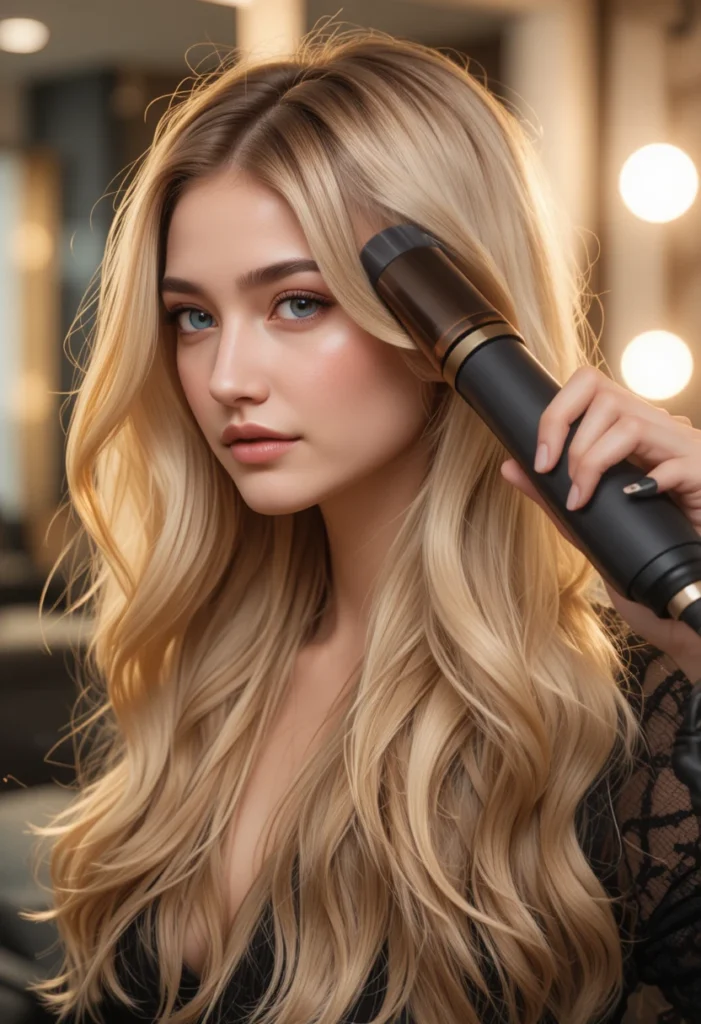
Sulfates, common in many standard shampoos, are effective cleansers but tend to be harsh on color-treated hair, stripping away pigment more quickly than gentler alternatives. For blonde hair specifically, this accelerated fading can lead to more frequent trips back to the salon just to maintain the desired shade.
Switching to sulfate-free shampoos helps preserve toner and color treatments for longer periods, reducing the brassiness that emerges as artificial pigment fades. While these formulas may feel slightly different during washing, often producing less lather, the trade-off in color retention makes them worth the adjustment for anyone serious about maintaining their blonde.
Protecting Hair From Heat Damage
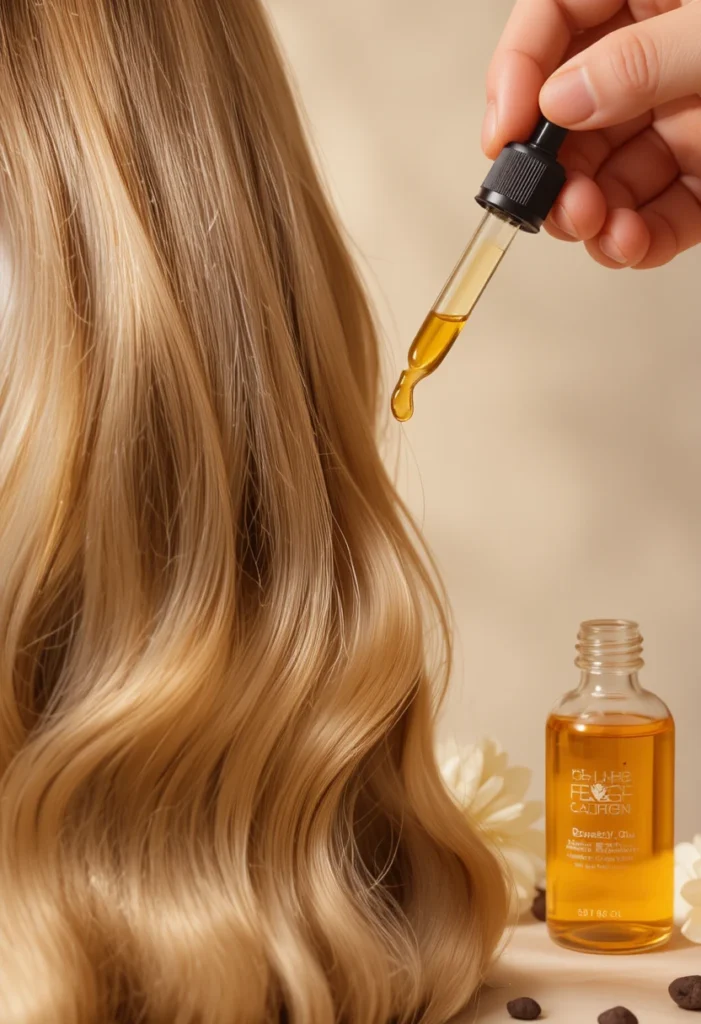
Heat styling tools pose an even greater risk to blonde hair than to unlightened hair, since the compromised cuticle structure is already more vulnerable to further damage. Repeated heat exposure without protection can quickly lead to the kind of straw-like texture and split ends that undermine even the most careful color maintenance routine.
Using a heat protectant before any styling with hot tools creates a barrier that minimizes moisture loss and reduces the risk of further weakening already fragile strands. Lowering the temperature setting on styling tools whenever possible also helps, since blonde hair often doesn’t need excessively high heat to achieve the same styling results as darker, less porous hair.
Read also:18+ Frizzy Hair Control Tips Humidity: Stay Sleek and Smooth No Matter the Weather
Incorporating Oils to Seal in Moisture
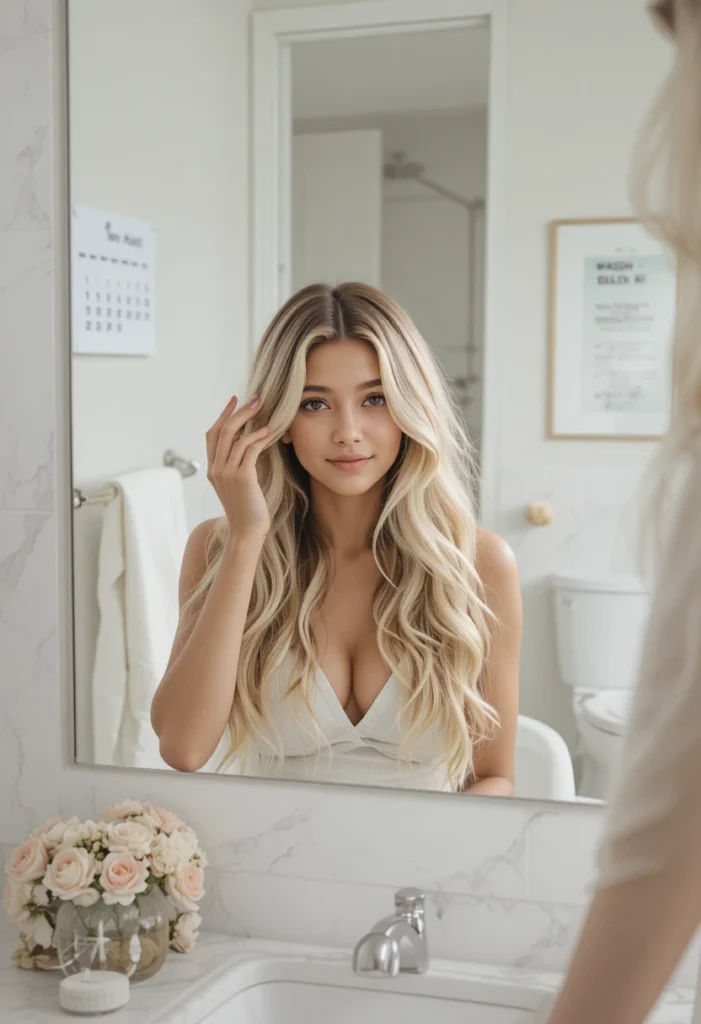
Lightweight oils play a crucial supporting role in a blonding routine, helping to seal in the moisture provided by shampoos, conditioners, and deep treatments. Applying a small amount of oil, such as argan or marula, to the ends after washing helps lock in hydration and adds a layer of protection against environmental stressors throughout the day.
Choosing oils with a lighter consistency prevents the buildup that can sometimes occur on already porous blonde hair, which tends to absorb product more readily than less porous hair types. This sealing step, often skipped in standard routines, can make a noticeable difference in how long hair retains softness between washes.
Reducing Wash Frequency to Preserve Color
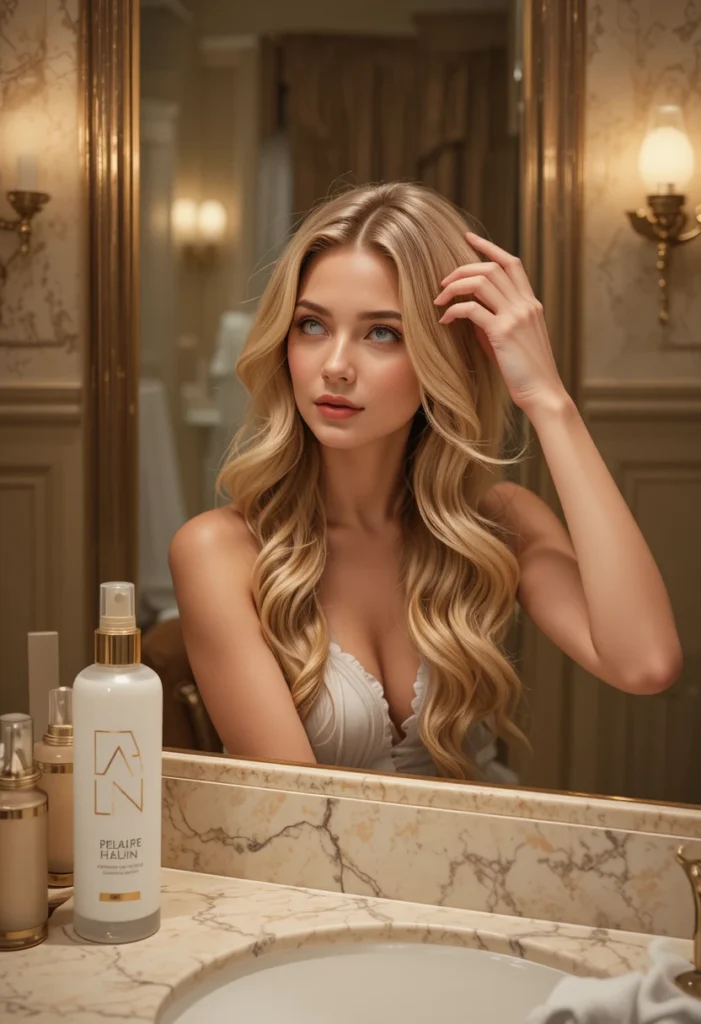
Frequent washing accelerates color fading, since each wash strips away a small amount of pigment along with dirt and oil. For blonde hair specifically, where toner fading quickly leads to brassiness, stretching out the time between washes can significantly extend how long hair looks freshly toned.
Using dry shampoo between washes helps manage oil buildup without requiring a full wash, allowing color to last longer while keeping hair looking fresh. This adjustment, while sometimes requiring a transition period for those used to washing daily, ultimately supports both healthier hair and more vibrant, longer-lasting color results.
Protecting Blonde Hair From Sun Exposure
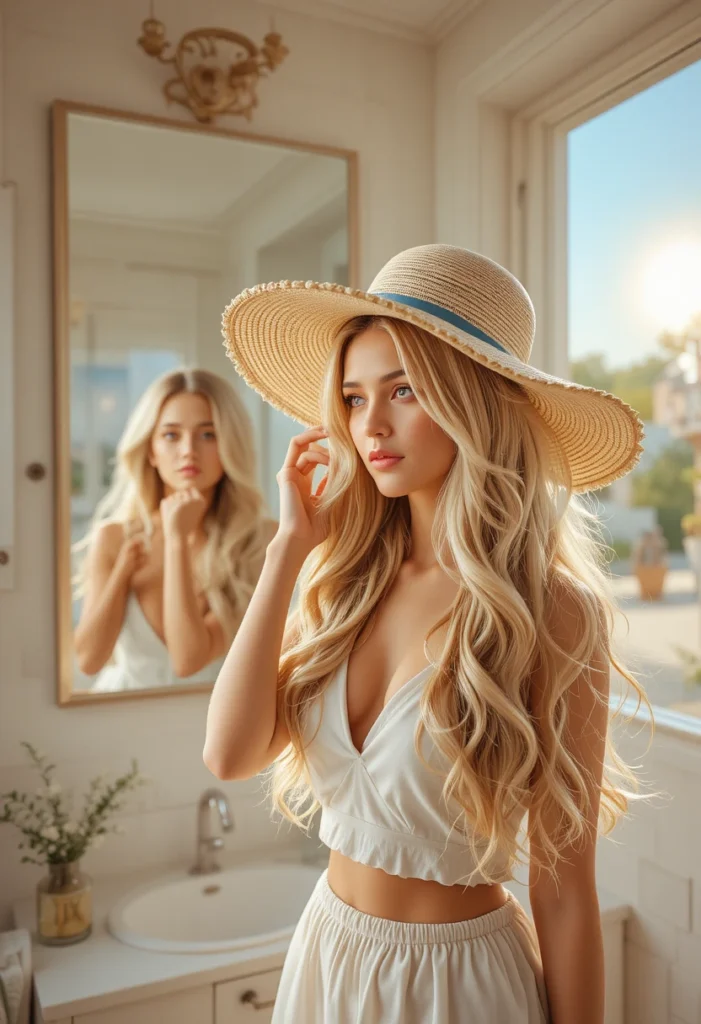
Sun exposure can be particularly harsh on blonde hair, both fading color faster and drying out already porous strands. UV rays break down hair proteins and can shift blonde tones toward unwanted brassy or yellow undertones, undoing much of the careful color maintenance work done at home.
Wearing a hat or using UV-protective hair products during extended outdoor exposure helps minimize this damage, particularly during summer months or beach vacations. Some leave-in conditioners and oils now include UV filters specifically designed for color-treated hair, offering an easy way to incorporate this protection into an existing routine without adding extra steps.
Managing Chlorine Exposure for Swimmers
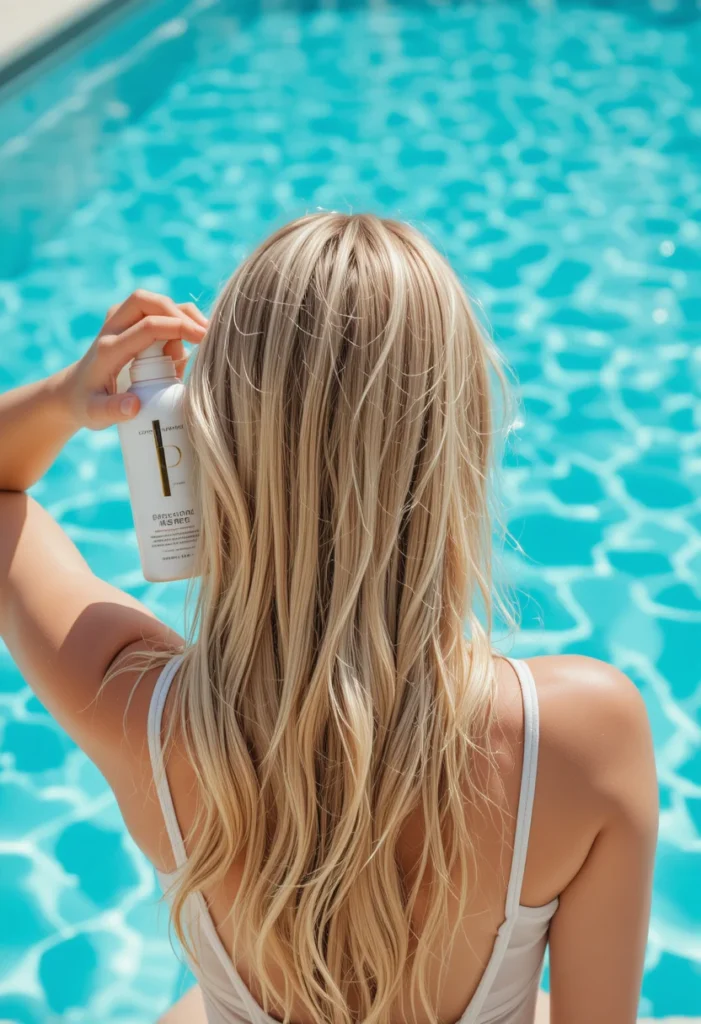
Chlorine poses a unique challenge for blonde hair, often causing a greenish tint that develops when chlorine binds with copper and other minerals present in pool water. This reaction can be particularly frustrating for those who swim regularly, as it tends to build up gradually rather than appearing after just one swim.
Wetting hair with clean water before swimming helps reduce how much chlorinated water hair actually absorbs, since already-saturated hair takes in less pool water. Following up with a clarifying shampoo specifically formulated to remove chlorine and mineral buildup afterward helps prevent the greenish discoloration from setting in over repeated exposure.
Trimming Regularly to Prevent Breakage
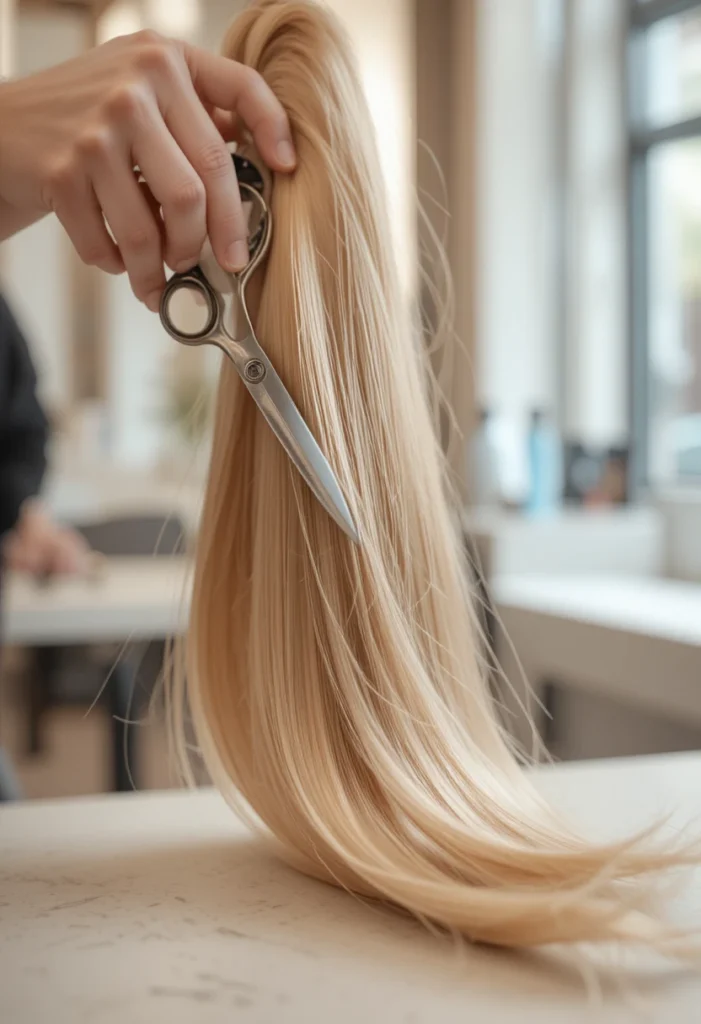
Regular trims become especially important for blonde hair, since split ends tend to travel up the hair shaft more quickly on already weakened, porous strands. Skipping trims in an attempt to grow hair out faster often backfires, resulting in more overall breakage than would occur with consistent, moderate trimming.
Scheduling trims every six to eight weeks helps keep ends healthy and prevents the kind of visible damage that can make blonde hair look thin or scraggly despite an otherwise solid maintenance routine. This regular upkeep, though it might feel counterintuitive when trying to grow length, ultimately supports better-looking hair overall.
Using Leave-In Treatments for Ongoing Protection
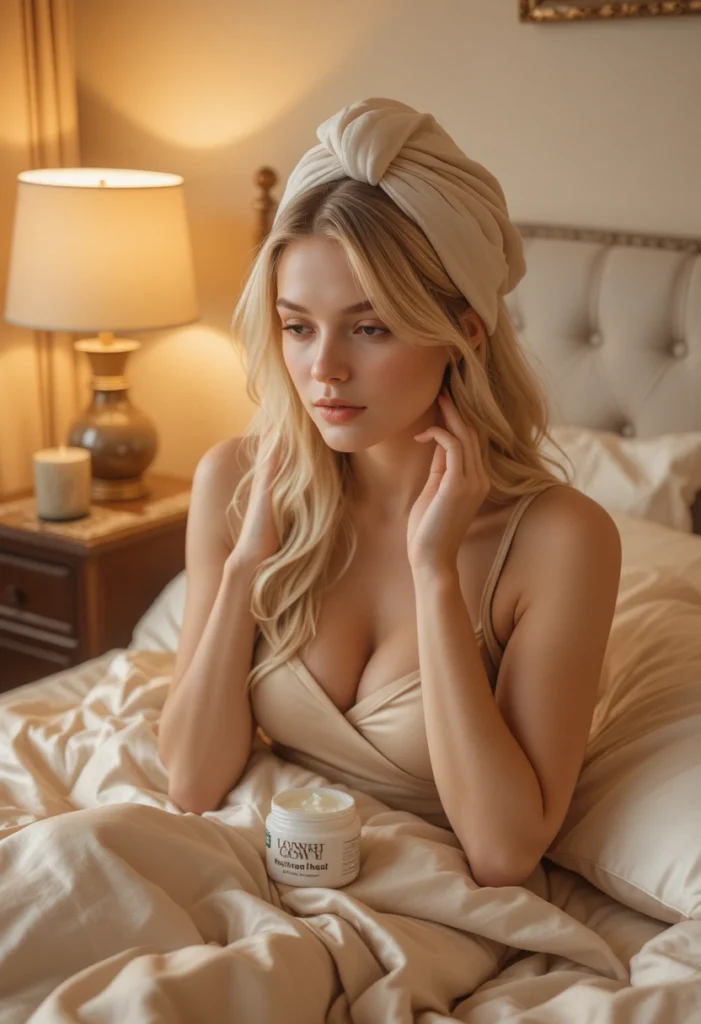
Leave-in conditioners and treatments provide an extra layer of ongoing protection between wash days, which is particularly valuable for blonde hair’s increased vulnerability to environmental damage. These products help maintain moisture levels and reduce frizz without requiring a full wash or deep conditioning session.
Choosing a leave-in formula with added UV protection or heat-protective properties allows blonde hair to stay guarded against multiple stressors throughout the day. Applying these treatments to damp hair after washing maximizes their effectiveness, helping to extend the softness and manageability gained from a full wash and deep conditioning routine.
Addressing Dryness With Overnight Treatments
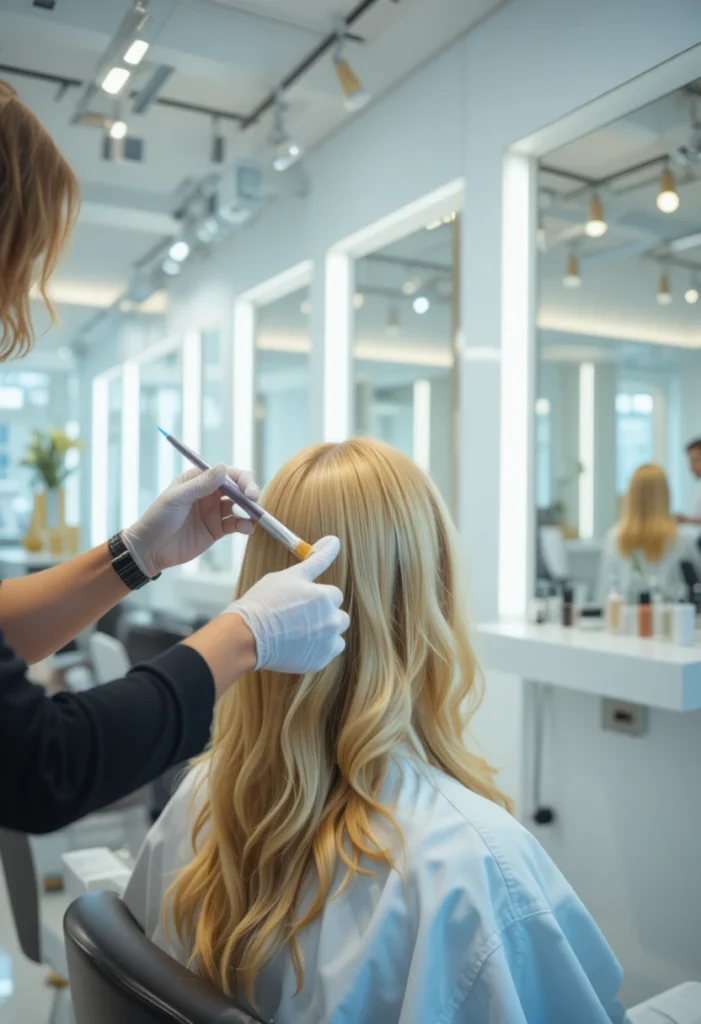
Given how much moisture blonde hair tends to lose throughout the lightening and maintenance process, incorporating occasional overnight treatments can provide the deeper hydration that daily products sometimes can’t fully deliver. Applying a nourishing oil or mask before bed and allowing it to work overnight gives blonde hair extended time to absorb much-needed moisture.
This deeper level of care becomes particularly important during especially dry seasons or after extensive time spent in the sun or chlorinated water. Rotating an overnight treatment into a weekly or biweekly routine helps address cumulative dryness before it progresses into more noticeable breakage or texture issues.
Balancing Toning Sessions With At-Home Care
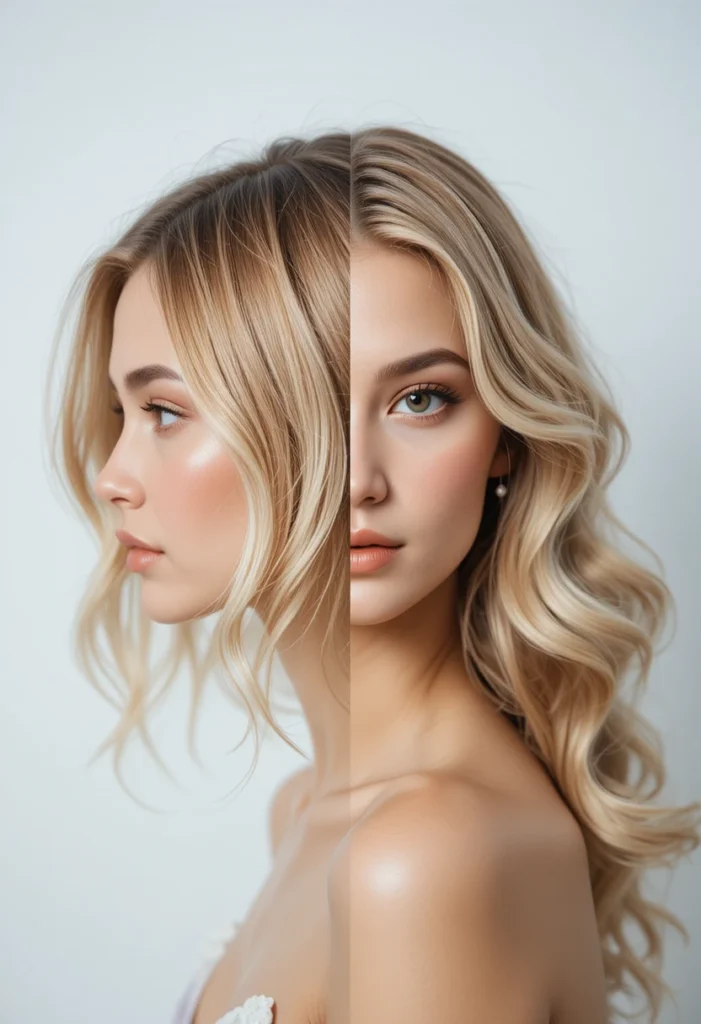
While at-home purple shampoo and toning products help maintain color between salon visits, they can’t fully replace professional toning sessions, which use stronger, more precise formulations. Relying solely on at-home products for extended periods often results in gradually building brassiness that home care alone struggles to fully correct.
Scheduling professional toning sessions every four to six weeks, depending on how quickly individual hair tends to shift toward warmer tones, helps maintain the desired shade more consistently. Combining this professional upkeep with a solid at-home routine creates the most sustainable, cost-effective approach to keeping blonde hair looking fresh long-term.
Adjusting Your Routine as Hair Grows and Changes
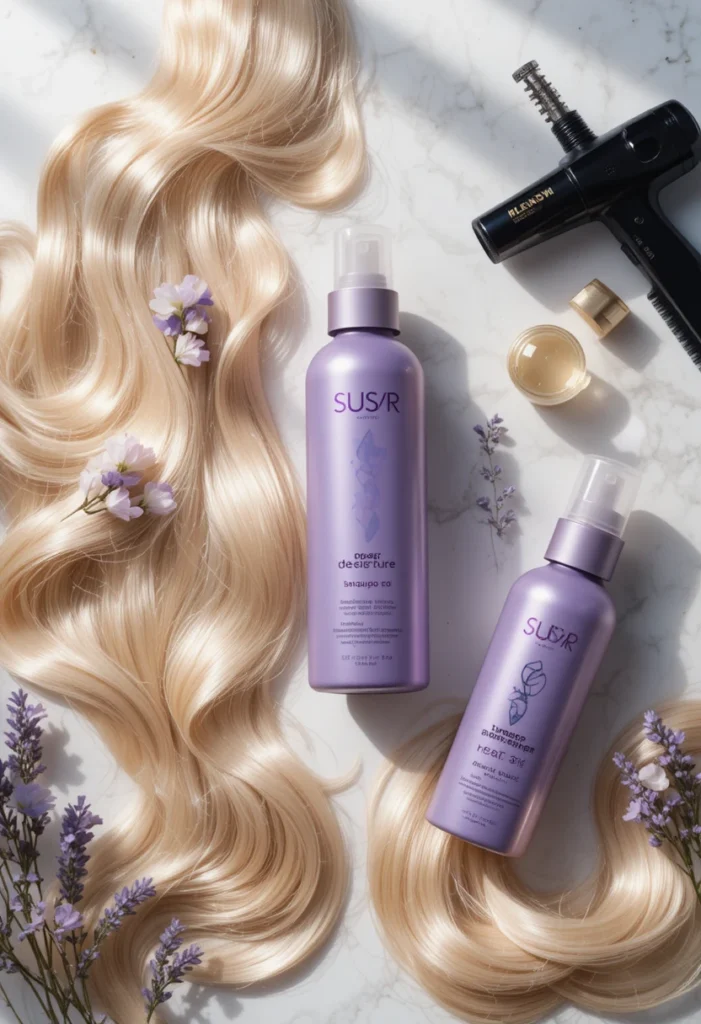
A blonding hair care routine isn’t necessarily static, since hair’s needs can shift as it grows longer, becomes more porous over multiple lightening sessions, or responds differently to seasonal changes. What worked immediately after the first lightening session may need adjusting as hair history and condition evolve over months or years.
Staying attentive to changes in texture, dryness, and how quickly brassiness develops allows for a routine that adapts alongside the hair itself, rather than remaining fixed despite changing needs. This flexibility, combined with consistent core habits like deep conditioning and heat protection, tends to produce the healthiest, most vibrant blonde results over the long run.
Conclusion
Maintaining beautifully blonde hair takes more than a great salon appointment; it requires a thoughtful, consistent routine that addresses both color vibrancy and hair health simultaneously. With the right combination of products and care, blonde hair can stay bright, soft, and strong well between every touch-up.

Mehboob Ahmad is the founder and writer behind BeautyVibeWorld. With a genuine passion for skincare, makeup, and everyday beauty routines, Mehboob started this platform to share simple, practical, and research-backed advice that real people can actually use without the confusion of conflicting trends and overhyped products.
Every article on BeautyVibeWorld is written with care, backed by research, and regularly updated to stay accurate and relevant. Mehboob believes good beauty advice should be honest, easy to follow, and free of unnecessary complexity.
Outside of writing, Mehboob enjoys exploring new beauty trends and staying up to date with the latest in skincare and haircare research to keep bringing fresh, reliable content to BeautyVibeWorld readers.