
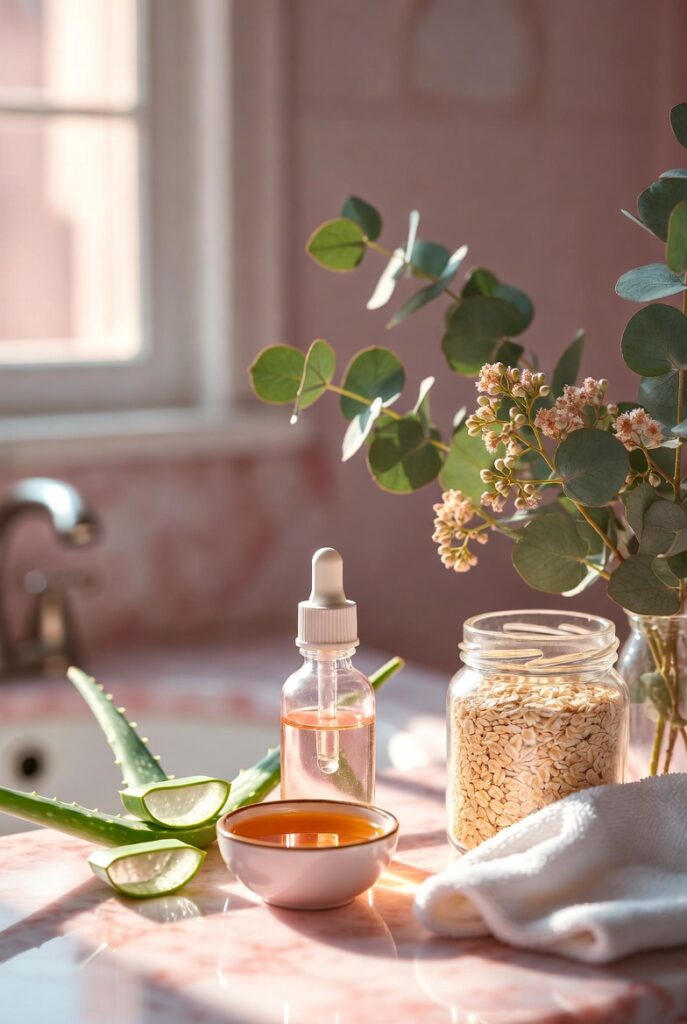
Skin Care Taking care of your skin shouldn’t feel like a luxury reserved for those with endless budgets. The truth is, affordable skin care ideas are everywhere once you know where to look and how to simplify your routine. From kitchen staples to budget-friendly drugstore finds, glowing skin is achievable with a little creativity and consistency. In this guide, you’ll discover 23 practical, low-cost strategies that respect both your skin and your wallet. No gimmicks, no overpriced serums—just real solutions that work.
1. Double Cleanse with Micellar Water and a Gentle Drugstore Cleanser
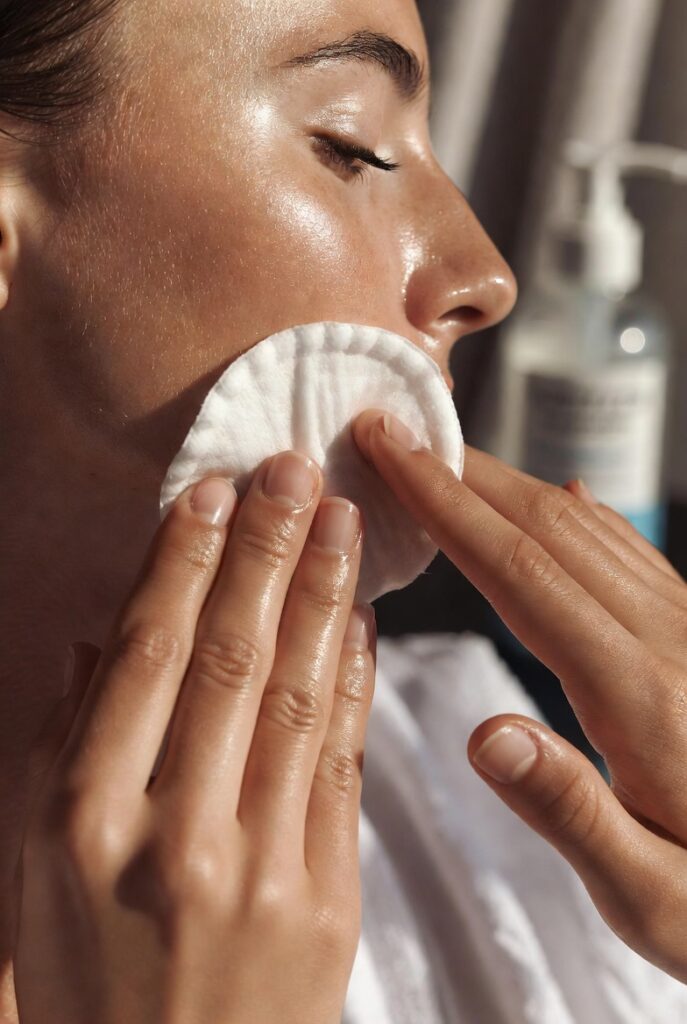
Start your evening routine by reaching for a bottle of micellar water, which typically costs under six dollars. This gentle, no-rinse solution lifts away surface dirt, makeup, and excess oil without stripping your skin’s natural barrier. Pour a small amount onto a reusable cotton pad and swipe it across your face, paying extra attention to areas where sunscreen or foundation tends to settle. The beauty of micellar water is that it’s effective yet incredibly mild, making it suitable for even sensitive skin types.
Follow up with a basic, fragrance-free cleanser from a trusted drugstore brand. Look for options labeled for your skin type—whether that’s oily, dry, or combination—but avoid harsh sulfates or alcohols. A creamy hydrating cleanser or a simple foaming wash will remove any lingering impurities without leaving your face feeling tight. Together, these two steps cost less than a single high-end cleansing balm and deliver the same deep clean. Your skin stays balanced, calm, and ready for the next layers of hydration.
2. Use Plain Yogurt as a Soothing Face Mask
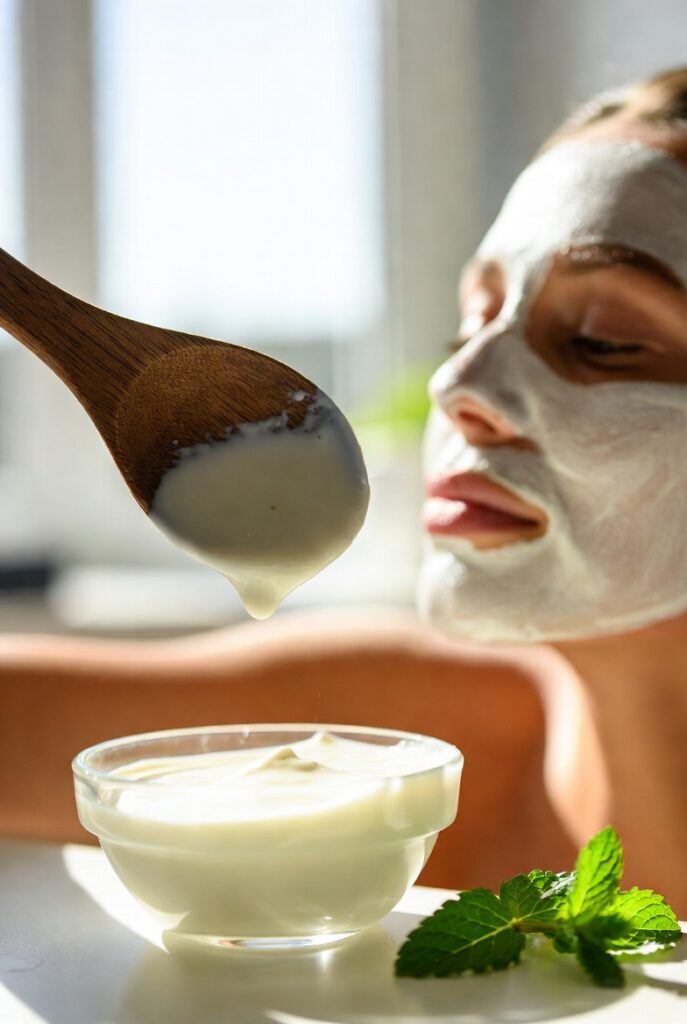
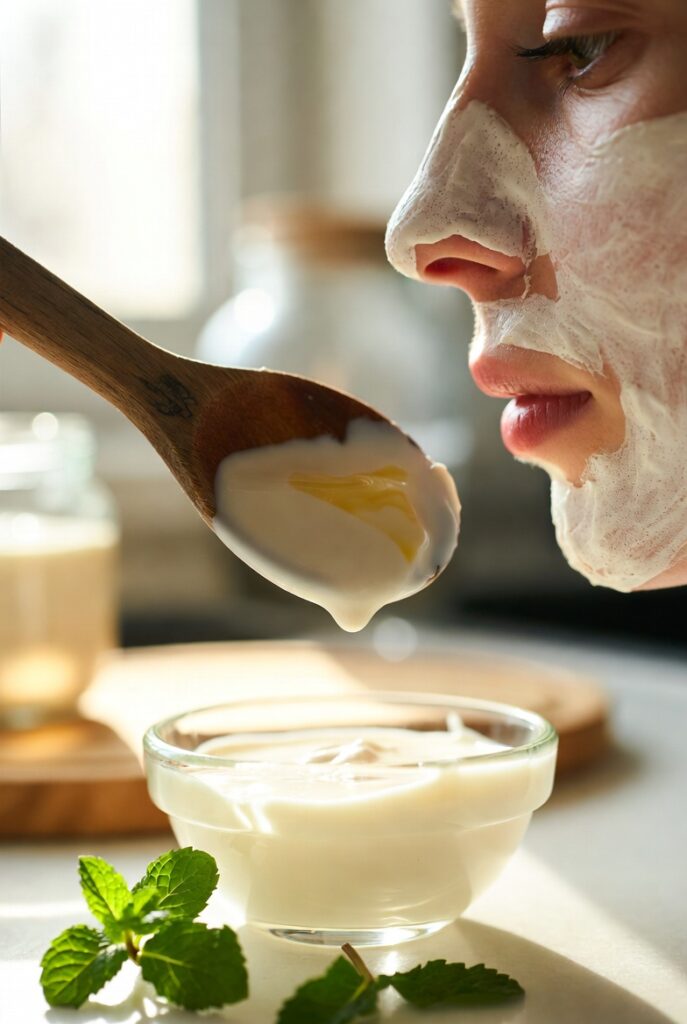
Open your refrigerator and grab a small bowl of plain, unsweetened yogurt for a cooling face mask that costs pennies per use. Yogurt contains lactic acid, a gentle alpha hydroxy acid that exfoliates dead skin cells while calming redness and irritation. Apply a thin layer to clean skin, leave it on for ten minutes, then rinse with lukewarm water. This is one of the most affordable skin care ideas for anyone dealing with occasional flare-ups or dry patches. The probiotics also help support your skin’s natural microbiome.
Unlike store-bought masks loaded with preservatives and fragrances, yogurt gives you a single ingredient that both hydrates and mildly resurfaces. Choose full-fat Greek yogurt for extra moisturizing benefits, especially in winter months when your skin craves richness. You can do this mask twice a week without worrying about waste or cost. After rinsing, your face will feel softer, look brighter, and react less to environmental stressors. It’s a simple, edible solution that outperforms many twenty-dollar tubes.
3. Lock in Moisture with Pure Squalane Oil
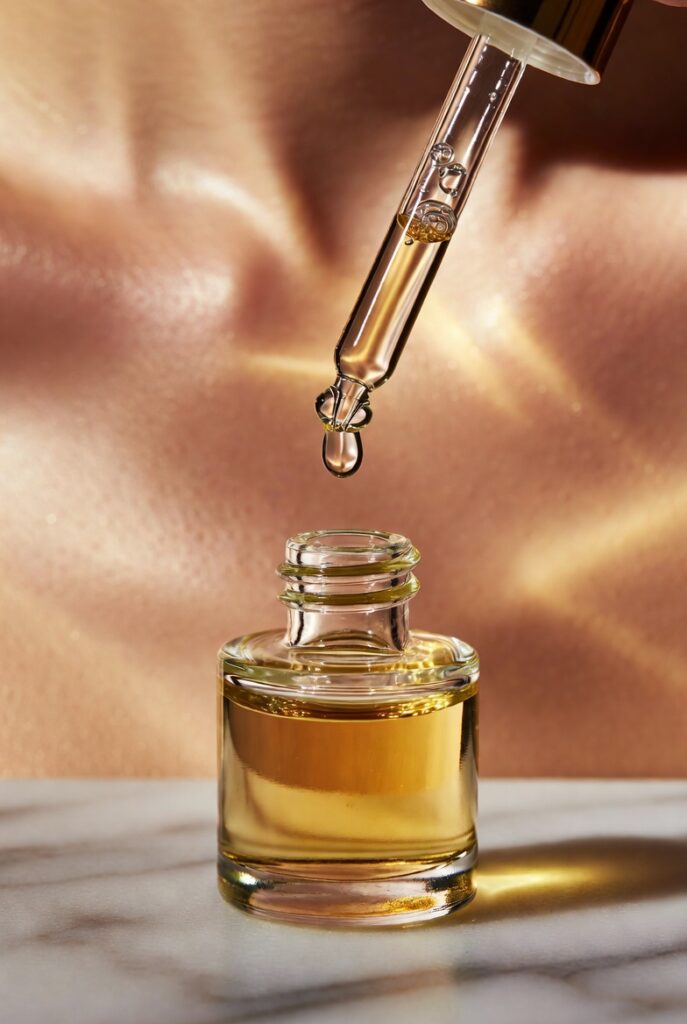
Squalane oil has become a darling of the skin care world, but you don’t need a luxury brand to enjoy its benefits. Drugstore versions or budget-friendly online retailers offer pure squalane for under ten dollars, and one small bottle lasts for months. This lightweight oil mimics your skin’s natural sebum, making it exceptionally good at sealing hydration without clogging pores. After your moisturizer, warm two drops between your palms and press them gently into your cheeks, forehead, and neck. It absorbs quickly and leaves a dewy, not greasy, finish.
What makes squalane special for affordable routines is its versatility. You can mix a drop into a basic lotion to boost its hydrating power, or use it alone on damp skin as a final step. Unlike coconut oil or olive oil, squalane is non-comedogenic and won’t trigger breakouts for most people. It also helps repair your skin barrier after over-exfoliation or harsh weather. For less than the price of a fast-food meal, you get a multitasking product that works for face, hands, and even split ends.
4. Exfoliate Gently with a Soft Washcloth and Water

You don’t need gritty scrubs or expensive chemical peels to remove dead skin cells. A soft, clean washcloth paired with lukewarm water provides gentle physical exfoliation that rivals many store-bought products. After cleansing, wrap the washcloth around your fingers and make small, circular motions over your face, focusing on areas like the nose, chin, and forehead. The key is to use light pressure—aggressive rubbing damages your moisture barrier and causes redness. Do this two or three times per week for smoother texture.
This method works because the washcloth’s fibers lift away flaky patches and dislodge debris from pores without micro-tears. Choose a baby washcloth or a microfiber cloth for extra softness. You can also use the same cloth to gently exfoliate your lips and the backs of your hands. Since you already own washcloths, this tip costs absolutely nothing extra. Just be sure to use a fresh one each time to avoid transferring bacteria. Your skin will feel renewed, and you’ll wonder why you ever bought those expensive walnut-shell scrubs.
5. Make a Hydrating Toner from Green Tea
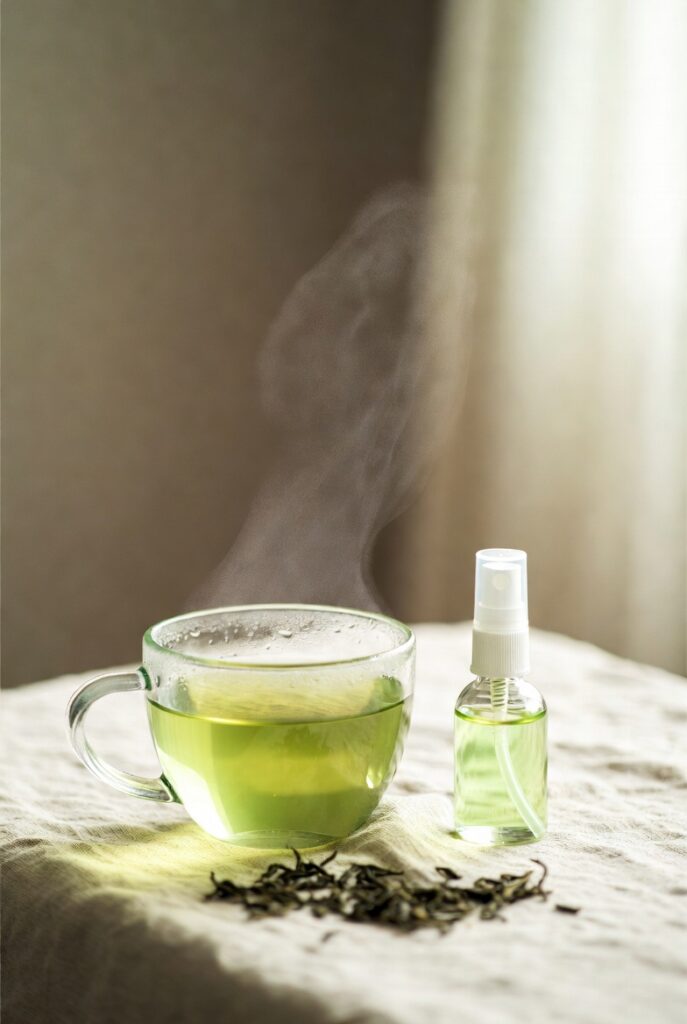
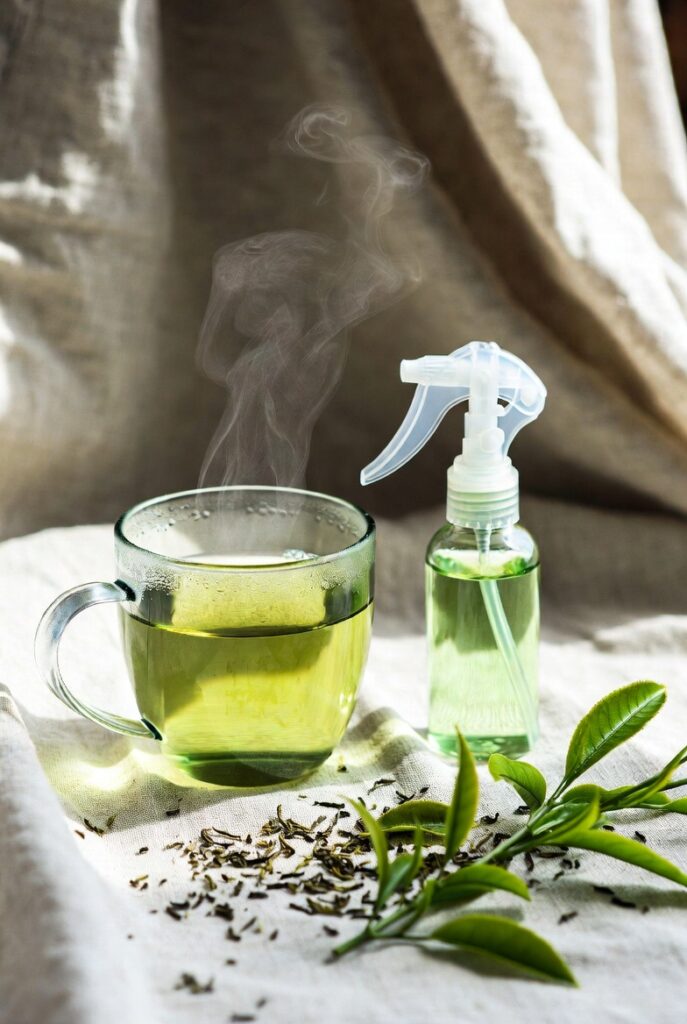
Brew a cup of green tea and let it cool completely to create a powerful, antioxidant-rich toner for pennies. Green tea contains polyphenols that fight free radicals, reduce puffiness, and soothe inflammation. Pour the cooled tea into a small spray bottle or a jar with a tight lid, and store it in your refrigerator for up to one week. After cleansing, pat the tea onto your face using clean hands or a cotton pad. The caffeine also helps constrict blood vessels, which can temporarily minimize the look of under-eye circles.
Unlike alcohol-based toners that strip and sting, green tea is gentle enough for daily use on all skin types. You can boost its effects by adding a drop of vitamin E oil or a pinch of aloe vera powder, but plain tea works beautifully on its own. Spray it on throughout the day for a refreshing pick-me-up, especially in dry office environments or during summer heat. This homemade toner delivers serious hydration and protection without preservatives or artificial dyes. It’s one of the most refreshing affordable skin care ideas for anyone who loves DIY simplicity.
6. Apply a Thin Layer of Petroleum Jelly as an Overnight Mask

Petroleum jelly has a reputation for being greasy, but when used correctly, it becomes a superstar occlusive that transforms dry skin overnight. After your evening moisturizer, warm a pea-sized amount between your fingertips and spread an ultra-thin layer over your face, avoiding the immediate eye area. This creates a physical barrier that prevents transepidermal water loss, meaning your moisturizer stays locked in while you sleep. Wake up to noticeably plumper, softer skin without the need for expensive sleeping masks.
People with oily or acne-prone skin often fear petroleum jelly, but the truth is that it is non-comedogenic for the vast majority. The key is using a minimal amount and applying it over clean, properly moisturized skin. You can also target specific dry patches—think elbows, heels, or the corners of your nose. A single three-dollar tub lasts over a year, making this one of the most cost-effective tricks in your routine. Just remember to wash your pillowcase frequently, as the jelly can transfer.
7. Swap Pricey Serums for Cold-Pressed Rosehip Seed Oil
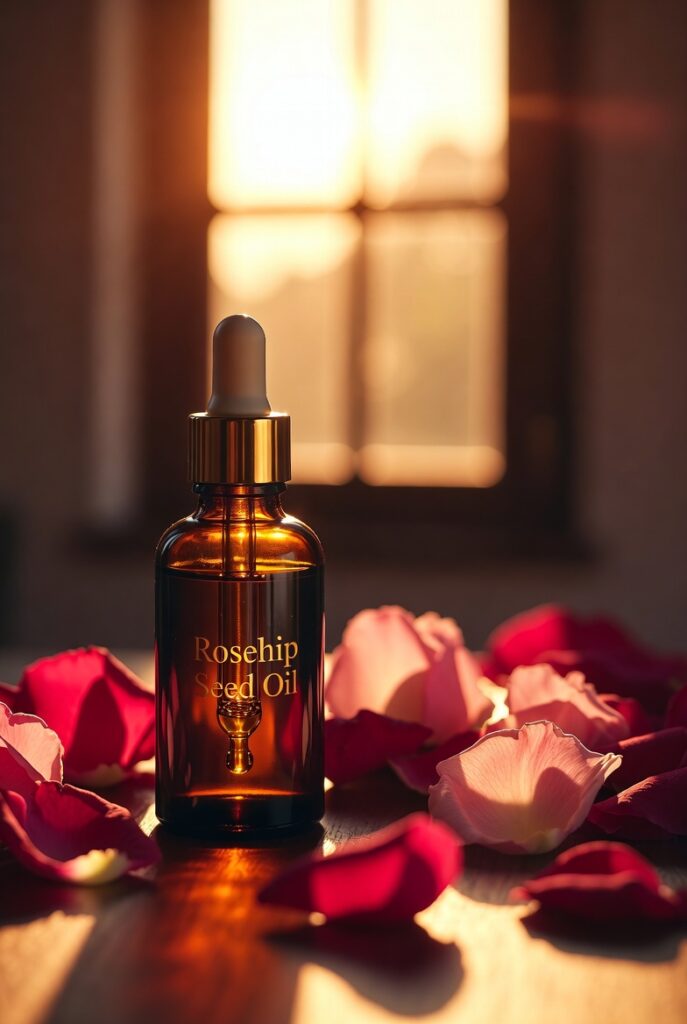
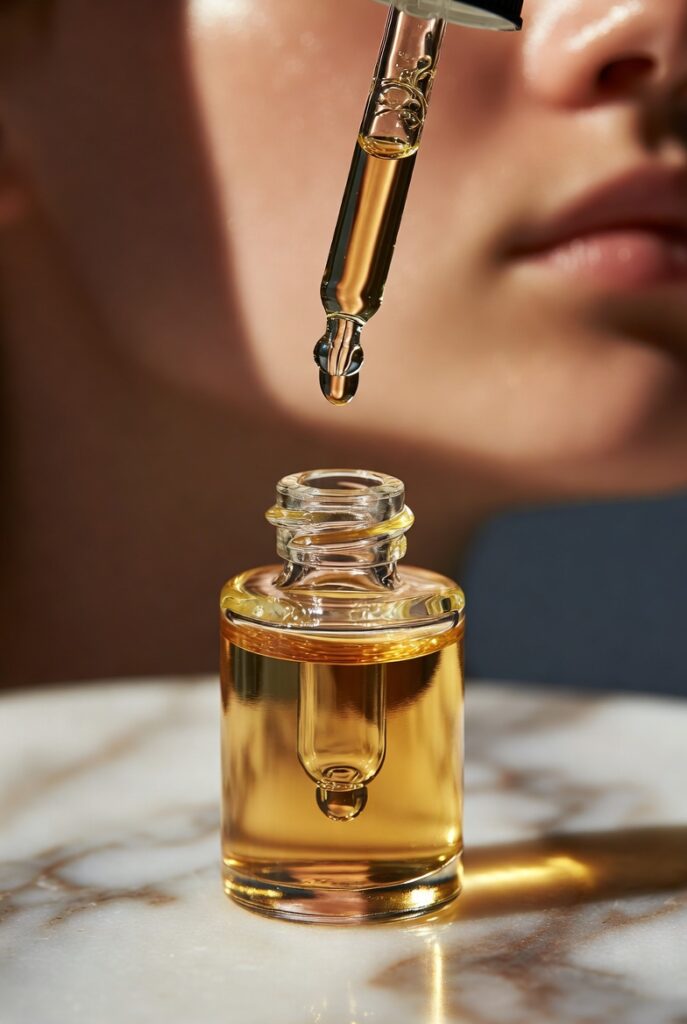
Rosehip seed oil offers a powerhouse blend of vitamins A and C, essential fatty acids, and antioxidants at a fraction of the cost of designer serums. Look for cold-pressed, organic versions in amber glass bottles from budget-friendly health stores or online marketplaces. This oil helps fade dark spots, smooth fine lines, and calm redness without irritating sensitive skin. Apply three drops to damp skin after cleansing, gently pressing the oil in rather than rubbing. It absorbs within minutes and leaves a natural, healthy glow.
What makes rosehip oil stand out among affordable options is its proven ability to support collagen production and improve skin texture over time. Unlike retinol serums that can cause peeling and sensitivity, rosehip oil is gentle enough for daily morning and night use. You can even mix a drop into your foundation for a dewier finish. A single fifteen-dollar bottle typically lasts two to three months, making it cheaper per use than most drugstore serums. Your skin gets high-performance ingredients without the inflated price tag.
8. Repurpose Honey as an Antibacterial Spot Treatment

Dab a tiny amount of raw honey onto a fresh blemish and let it sit for twenty minutes before rinsing. Honey contains natural hydrogen peroxide and has a low pH, both of which create an environment where bacteria struggle to survive. This makes it an effective, gentle spot treatment for occasional pimples, especially those red, inflamed ones that haven’t come to a head. Unlike harsh benzoyl peroxide products that dry out surrounding skin, honey reduces swelling while providing moisture.
Manuka honey is the most potent option, but regular raw honey from your local grocery store works nearly as well for everyday breakouts. You can also create a full-face mask by spreading a thin layer of honey over clean skin and leaving it on for fifteen minutes. This calms general redness and softens your complexion. Since honey never expires (just crystallizes, which you can warm to liquefy), you can keep the same jar for years. It’s a zero-waste, zero-synthetic affordable skin care idea that has been used for centuries.
9. Cool Used Tea Bags for Under-Eye Puffiness
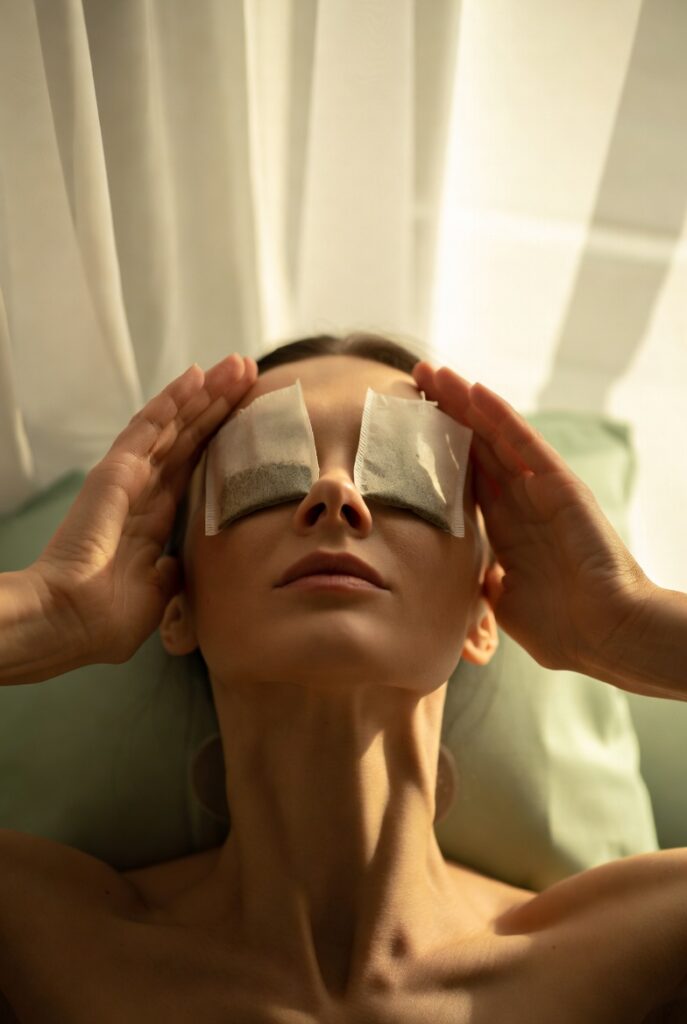
After brewing your morning tea, don’t throw away the bags. Instead, place them in the refrigerator inside a small container to chill for at least thirty minutes. Used tea bags—black, green, or chamomile—contain caffeine and tannins that constrict blood vessels and reduce fluid retention under the eyes. Lie down, close your eyes, and rest one chilled bag over each eye for ten minutes. This simple ritual depuffs, soothes tired eyes, and even helps diminish the look of dark circles temporarily.
The beauty of this method is that it repurposes something you would have thrown away, making it both free and eco-friendly. For extra benefits, choose chamomile tea bags if your main concern is irritation or redness, as chamomile has anti-inflammatory properties. You can reuse the same tea bags two or three times within a twenty-four-hour period if you keep them refrigerated. This works as a quick fix before important events or as a relaxing nightly ritual. No need for those fifty-dollar caffeinated eye serums.
10. Mix Oatmeal with Water for an Instant Calming Mask
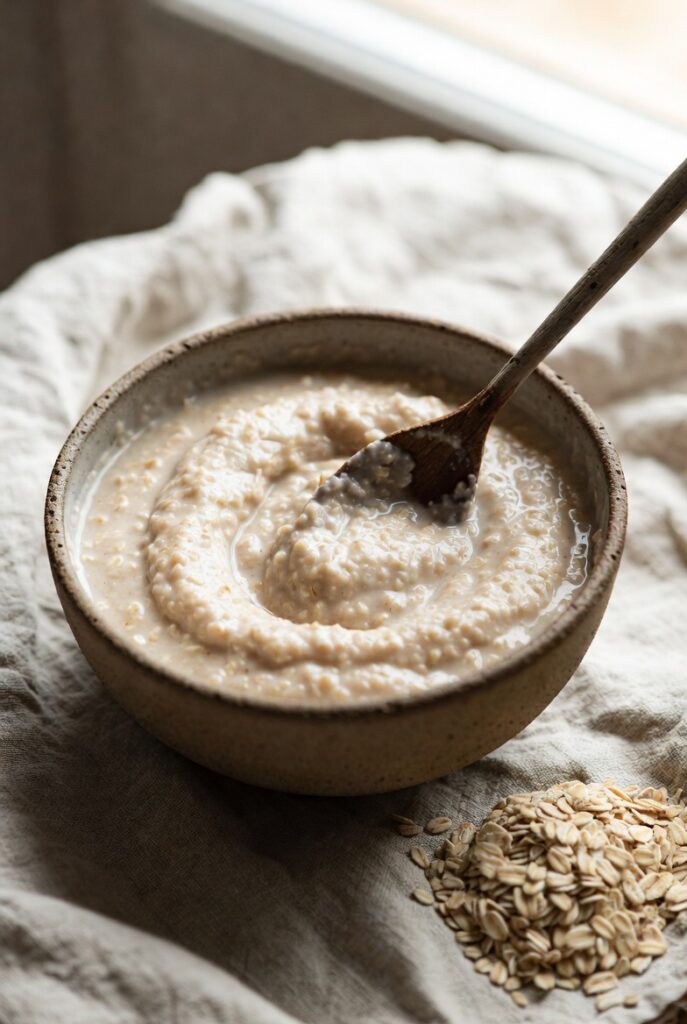
Grind plain rolled oats into a fine powder using a clean coffee grinder or blender, then mix with a little warm water to form a paste. This oatmeal mask is a godsend for anyone with eczema, rosacea, or general sensitivity because oats contain avenanthramides, compounds that reduce itching and inflammation. Spread the paste over your face and leave it on for fifteen minutes. As it dries, it gently exfoliates while delivering deep hydration. Rinse with cool water using your hands in circular motions.
Unlike colloidal oatmeal products sold at a premium, whole oats cost pennies per serving. You can also skip the grinding step and simply press whole oats soaked in water onto your skin, though the paste form sticks better. This mask is so gentle that you can use it daily during flare-ups without any risk of over-exfoliation or irritation. Many people find that consistent oat masks reduce their need for prescription hydrocortisone creams. It’s a soothing, edible, and wildly cheap solution for angry skin.
Read also:25 Dewy Makeup Ideas: Unlock a Fresh, Luminous Complexion That Turns Heads All Day
11. Use Aloe Vera Straight from a Houseplant Leaf
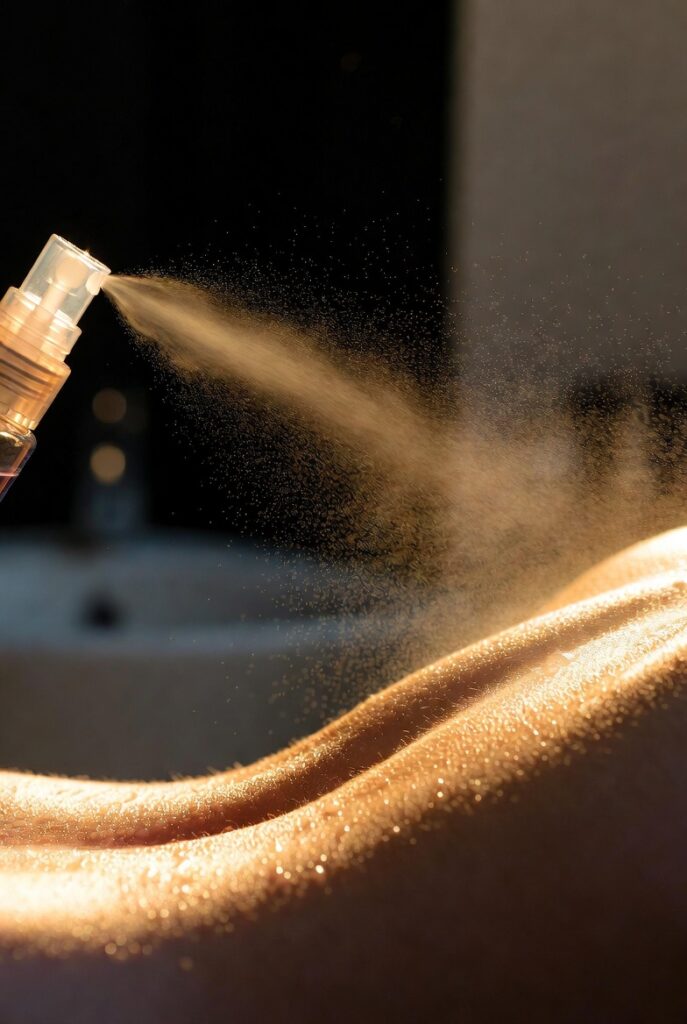
If you have an aloe vera plant on your windowsill, you already own one of the best affordable skin care tools. Snap off a lower leaf, slice it open lengthwise, and scoop out the clear gel inside. Apply this gel directly to sunburns, razor bumps, or inflammatory acne. Aloe contains enzymes, amino acids, and vitamins that accelerate wound healing and calm heat. The gel from a fresh leaf is far more potent than bottled versions, which often contain alcohol and preservatives. A single plant keeps producing leaves for years.
Don’t have a plant? Many grocery stores sell a large aloe leaf for under two dollars, and you can store leftovers in the refrigerator wrapped in plastic for up to a week. Use the gel as a lightweight daytime moisturizer if you have oily skin, or mix it with a few drops of squalane oil for a hydrating gel-cream. Aloe also works as a natural setting agent for eyebrows or as a soothing aftershave treatment. This is sustainability and skin care rolled into one low-cost, high-reward package.
12. Layer Your Moisturizer on Damp Skin

One of the simplest affordable skin care ideas costs nothing but changes everything: apply your moisturizer immediately after cleansing, while your face is still damp. Water left on the skin acts as a humectant, helping the emollients in your lotion or cream spread more evenly and penetrate deeper. Instead of waiting for your face to dry, pat on your moisturizer within sixty seconds of rinsing. This technique boosts hydration without requiring any additional products.
You can take this a step further by using a thermal water spray or even plain tap water in a fine mist bottle between steps. Spritz your face before applying serum, then again before moisturizer. Each spritz adds a layer of hydration that gets sealed in by the product you apply next. People who struggle with dry or dehydrated skin often find this method more effective than switching to a heavier cream. It works because your skin absorbs water-soluble ingredients better when water is present. Try it for one week and feel the difference.
13. Buy Drugstore Brands with Identical Ingredients to High-End

Walk down any skin care aisle and you will notice that many drugstore brands list ingredients nearly identical to their luxury counterparts. For example, a basic ceramide moisturizer from CeraVe or Cetaphil contains the same skin-repairing lipids as a fifty-dollar French pharmacy cream. The difference is almost always marketing, fragrance, and packaging—not efficacy. Learn to read ingredient labels and look for key actives like niacinamide, hyaluronic acid, and glycerin near the top of the list.
Generic or store-brand versions often perform just as well as name-brand products. A simple zinc oxide sunscreen from a discount retailer offers the same UV protection as expensive mineral sunscreens. The same goes for salicylic acid cleansers, which rely on a standard percentage of the active ingredient regardless of the bottle’s price tag. By choosing affordable alternatives, you free up money for other health needs while still giving your skin exactly what it requires. Always patch test, but don’t assume cheap means inferior.
14. Protect Your Skin Barrier with a Simple Glycerin Spray
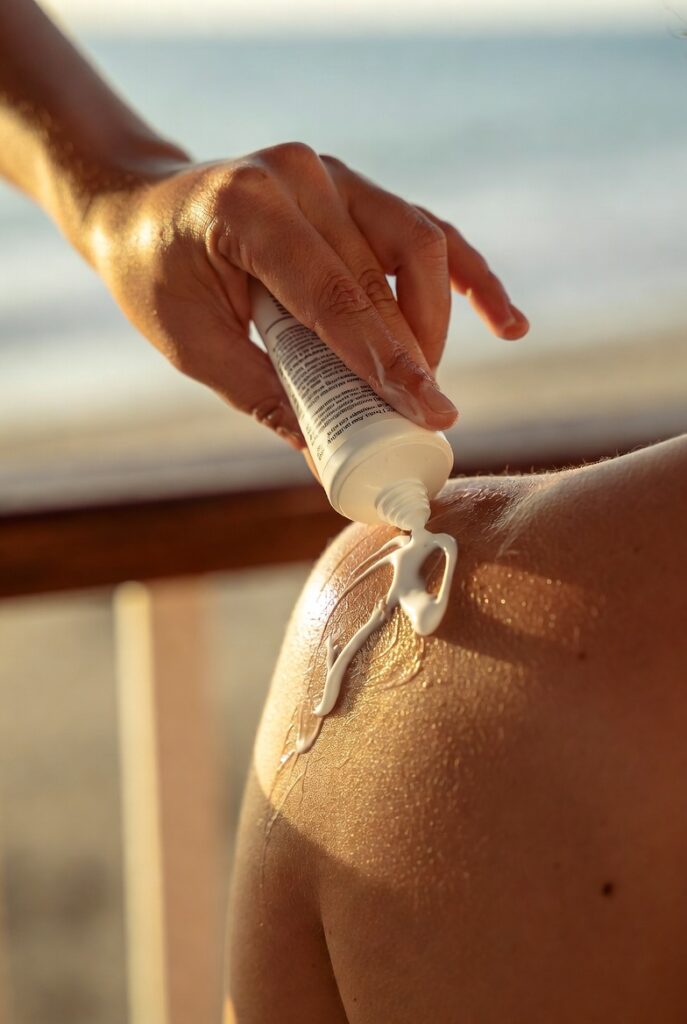
Glycerin is a powerful humectant that draws moisture from the air into your skin, yet a large bottle costs less than five dollars at most pharmacies. Dilute one part glycerin with four parts distilled water in a small spray bottle, shake well, and use it as a hydrating mist throughout the day. This DIY spray works especially well in humid climates or during summer months when the air has enough moisture to pull from. Spritz it on after cleansing or whenever your face feels tight or dry.
Be careful not to use undiluted glycerin, as it can actually pull water out of your skin if the air is very dry. The four-to-one ratio creates a safe, effective product that mimics expensive hydrating mists sold for twenty dollars or more. You can also add a drop of your favorite essential oil for a natural scent, though plain is best for sensitive skin. Keep the bottle in your refrigerator for an extra cooling effect. This spray prolongs the life of your moisturizer and keeps your skin barrier happy and resilient.
15. Switch to a Cream Cleanser in Winter Months

When temperatures drop, your skin’s natural oil production slows down, making foaming or gel cleansers too harsh. Swap them for a cream or milk cleanser, which cleans without stripping. Affordable options abound at grocery stores—look for formulas with soothing ingredients like aloe, oat, or shea butter. Massage the cream onto dry skin, then add a little water to emulsify before rinsing. This leaves behind a light, hydrating film that protects against cold wind and dry indoor heat.
You can even make your own cream cleanser by mixing a tablespoon of plain full-fat yogurt with a teaspoon of honey and a splash of milk. This homemade version cleanses, softens, and mildly exfoliates all at once. The key is to avoid anything that creates a tight, squeaky-clean feeling after rinsing. That sensation means your barrier has been compromised. A cream cleanser costs the same as or less than its stripping counterparts, yet it prepares your skin for winter without irritation. Your face will thank you when you step outside into freezing weather.
16. Use a Clean Silk Pillowcase as an Anti-Aging Tool

A silk pillowcase can be found for under twenty dollars if you shop sales or discount home goods stores, and it functions as a passive skin care tool every night. Unlike cotton, which absorbs your moisturizer and creates friction, silk allows your skin to glide across the surface without tugging or creasing. This reduces the formation of sleep lines and prevents your hair from absorbing your facial oils. Over months of use, you may notice fewer fine lines on your cheek and less morning puffiness.
You don’t need expensive mulberry silk—satin made from polyester or rayon gives many of the same benefits at a fraction of the cost. Wash your pillowcase weekly to prevent bacteria buildup, and rotate between two to extend their life. This one-time purchase also helps anyone with acne-prone skin, as cotton pillowcases can harbor oil and dead skin cells more readily than silk. It’s a simple, passive upgrade that supports every other product you use. For less than the price of a single facial treatment, you buy years of gentler sleep.
17. Eat Your Way to Better Skin with Whole Foods
What you put on your plate matters as much as what you put on your face. Whole foods like sweet potatoes, walnuts, tomatoes, and leafy greens deliver vitamins A, C, and E along with healthy fats that support skin repair from the inside out. For example, the lycopene in cooked tomatoes helps protect against UV damage, while the omega-3s in walnuts reduce inflammatory breakouts. You don’t need expensive supplements or superfood powders—just a balanced diet built around affordable staples.
Focus on adding colorful produce to your meals rather than completely overhauling your diet. A handful of spinach in your eggs, sliced cucumber in your water, or a small orange for dessert all contribute to glowing skin. Avoid excessive sugar and processed snacks, which can trigger glycation—a process that damages collagen. Drinking plenty of tap water (filtered if needed) keeps your cells hydrated without the cost of fancy bottled waters. Eating well is the most foundational affordable skin care idea because it addresses the root of your skin’s health.
18. Never Skip Sunscreen, Even on a Budget
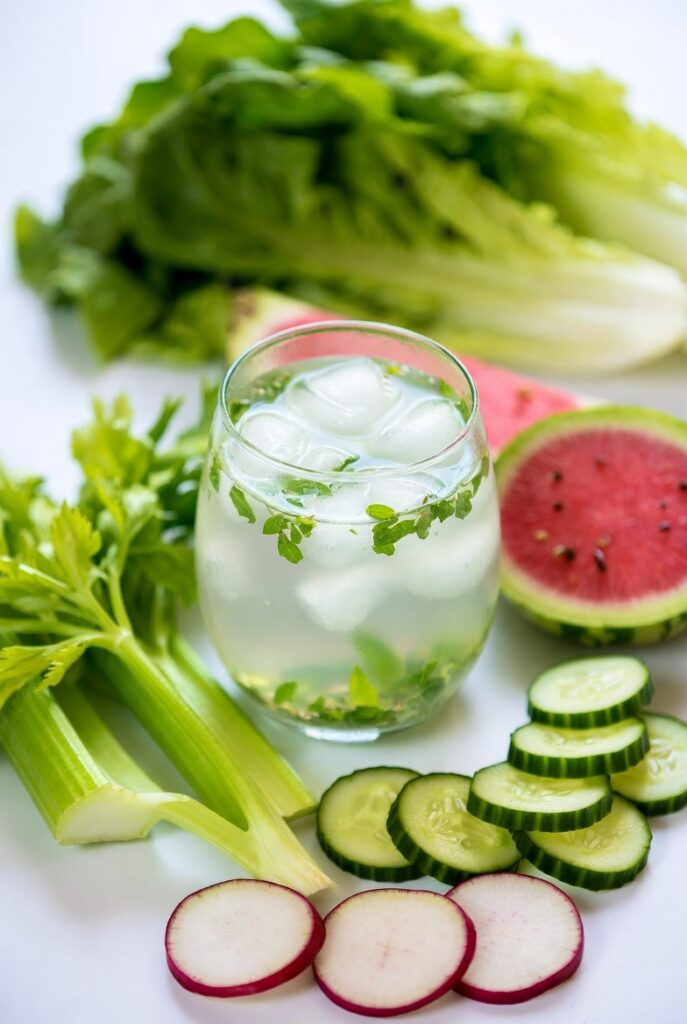
The single most important step in any skin care routine is broad-spectrum sunscreen with at least SPF 30, and affordable options exist at every drugstore. Look for store-brand lotions or children’s formulas, which often cost under eight dollars for a large tube. Mineral sunscreens with zinc oxide or titanium dioxide are gentle enough for sensitive skin, while chemical options like avobenzone work well for deeper skin tones without a white cast. Apply a generous amount every morning, rain or shine, as part of your final step.
Many people skip sunscreen because they think luxury brands work better, but the FDA regulates all sunscreens to the same safety and efficacy standards. A cheap sunscreen that you use consistently protects you far more than an expensive one sitting in your drawer. Reapply every two hours if you are outside, or use a powder sunscreen over makeup for touch-ups. Preventing UV damage prevents premature wrinkles, dark spots, and skin cancer. This is not the place to cut corners, but it is also not the place to overspend. A three-dollar tube from a discount retailer does the job.
19. Repurpose Rice Water as a Brightening Rinse
When you rinse raw rice before cooking, save the milky white water instead of pouring it down the drain. Rice water contains vitamins B and E, minerals, and ferulic acid, which can brighten dull skin and tighten pores. Let the water sit for thirty minutes to allow the nutrients to leach out, then strain it into a clean jar. After cleansing, splash rice water onto your face or dip a cotton pad and wipe it over your skin. Leave it on for five minutes before rinsing or let it dry for a more concentrated treatment.
This centuries-old beauty secret from Asian cultures costs nothing because it uses a byproduct of cooking. For stronger effects, ferment the rice water by letting it sit at room temperature for twenty-four hours, which increases the antioxidant content. Store fermented rice water in the refrigerator for up to a week. Use it as a toner, a hair rinse, or even a soothing bath additive. The mild starches also help calm irritated skin after shaving or waxing. It’s a zero-cost, zero-waste ritual that connects you to traditional skin wisdom.
20. Apply a Cool Compress for Instant De-Puffing
When you wake up with puffy eyes or swollen cheeks, reach for a bowl of ice water and a soft cloth. Soak the cloth in the ice water, wring it out slightly, and press it gently over your face for one to two minutes. The cold temperature constricts blood vessels and reduces lymphatic fluid buildup, which causes that pillowy morning look. This works faster than any caffeine serum and costs only the water and ice from your freezer. Repeat two or three times, dipping the cloth back into the ice water each time.
For a more targeted treatment, use chilled metal spoons from your refrigerator. Press the back of the spoon against your under-eye area for thirty seconds on each side. The metal holds cold temperature longer than cloth and contours perfectly to the eye socket. This trick also helps reduce redness from acne or irritation. Unlike expensive jade rollers or ice globes, spoons are already in your kitchen drawer. Combine this with elevating your head on an extra pillow at night to prevent fluid from pooling in your face. De-puffing doesn’t need to cost a dime.
21. Choose Multi-Tasking Products to Save Money
Every time you buy a product that serves only one purpose, you add clutter and cost to your routine. Instead, look for multi-tasking affordable products like a tinted moisturizer with SPF, a lip and cheek stain, or a cleansing balm that doubles as a makeup remover. For example, zinc oxide diaper rash cream contains the same soothing zinc that calms red, irritated facial skin—and a large tube costs under five dollars. Apply a thin layer to angry breakouts or windburn for overnight relief.
Another brilliant multi-tasker is unscented castile soap, which can clean your face, body, and even makeup brushes when diluted properly. Coconut oil (used sparingly and non-comedogenic for some) works as a makeup remover, a hair mask, and a body moisturizer. By consolidating your products, you reduce decision fatigue and save money over time. Always patch test any product intended for another use, and avoid putting anything on your face that contains fragrances or harsh detergents. Smart shopping means one bottle, many jobs.
22. Hydrate from the Inside with Water-Rich Vegetables
Cucumbers, celery, zucchini, and bell peppers are all water-rich vegetables that contribute to your skin’s hydration levels without adding many calories. Eating a cup of sliced cucumber provides the same hydrating effect as drinking a glass of water, plus the added benefits of silica and vitamin K. Silica supports collagen production, which keeps your skin firm and elastic. You can snack on these vegetables raw, dip them in hummus, or blend them into a cold soup for a summer treat.
This approach costs far less than buying hyaluronic acid supplements or fancy electrolyte drinks. A whole cucumber often costs under a dollar, and you can eat it over two days. Try adding a handful of fresh parsley or cilantro to your meals—both are packed with vitamin C, which your body needs to produce collagen. When your internal water levels are optimal, your skin looks plumper, fine lines appear reduced, and your natural glow shines through. Drinking water is essential, but eating your water locks in those benefits for longer.
23. Simplify Your Routine to Just Three Core Steps
After trying many affordable skin care ideas, you may realize that the most effective routine is also the simplest. Strip down to just three steps: cleanse, moisturize, and protect (with sunscreen in the morning). At night, replace sunscreen with a treatment like rosehip oil or a thin layer of petroleum jelly. Many people find that using too many products—toners, essences, exfoliants, masks—actually irritates their skin and leads to breakouts or redness. A minimal routine costs less, takes less time, and often yields better results because your skin barrier stays intact.
Focus on the quality of your core products rather than the quantity. Spend your limited budget on a gentle cleanser, a solid moisturizer with ceramides or glycerin, and a reliable sunscreen. Everything else is optional. You can rotate in one mask per week or a single serum for a specific concern, but never at the expense of the basics. This approach also reduces decision fatigue and makes consistency easier. After all, the most expensive skin care product is the one you buy but never use.
Conclusion
You don’t need a cabinet full of luxury bottles to achieve healthy, glowing skin. These 23 affordable skin care ideas prove that simple ingredients, smart habits, and a little creativity go much further than a high price tag. Start with just one or two of these strategies that fit your current routine, and build from there. Your skin will thank you—and your wallet will too.

Mehboob Ahmad is the founder and writer behind BeautyVibeWorld. With a genuine passion for skincare, makeup, and everyday beauty routines, Mehboob started this platform to share simple, practical, and research-backed advice that real people can actually use without the confusion of conflicting trends and overhyped products.
Every article on BeautyVibeWorld is written with care, backed by research, and regularly updated to stay accurate and relevant. Mehboob believes good beauty advice should be honest, easy to follow, and free of unnecessary complexity.
Outside of writing, Mehboob enjoys exploring new beauty trends and staying up to date with the latest in skincare and haircare research to keep bringing fresh, reliable content to BeautyVibeWorld readers.