
Managing oily skin can often feel like an endless battle against shine, clogged pores, and unexpected breakouts, especially when the wrong products make the problem worse instead of better. Many people with oily skin mistakenly believe that stripping the skin of all moisture is the solution, when in reality this approach often backfires by triggering even more oil production. Building an effective skincare routine for oily skin requires a different mindset, one focused on balance rather than elimination. This article walks through the essential elements that help control excess oil while keeping the skin healthy, hydrated, and genuinely clear over the long term.
Understanding Why Your Skin Produces Excess Oil

Oily skin is primarily driven by overactive sebaceous glands that produce more sebum than the skin actually needs. This overproduction can be influenced by genetics, hormonal fluctuations, climate, and even certain skincare habits that inadvertently trigger the skin to compensate for perceived dryness. Understanding this root cause is essential, because many products marketed toward oily skin types focus solely on removing oil rather than addressing why the skin is producing so much in the first place.
Recognizing that oily skin is not simply a cosmetic inconvenience but a physiological response helps shift the approach toward long-term balance rather than short-term shine control. Factors such as humid weather, hormonal changes during puberty or menstrual cycles, and even stress can all influence how much oil the skin produces at any given time. This awareness allows for a more informed, adaptive routine rather than relying on generic products that promise instant results without addressing the underlying cause.
Choosing the Right Cleanser for Oily Skin
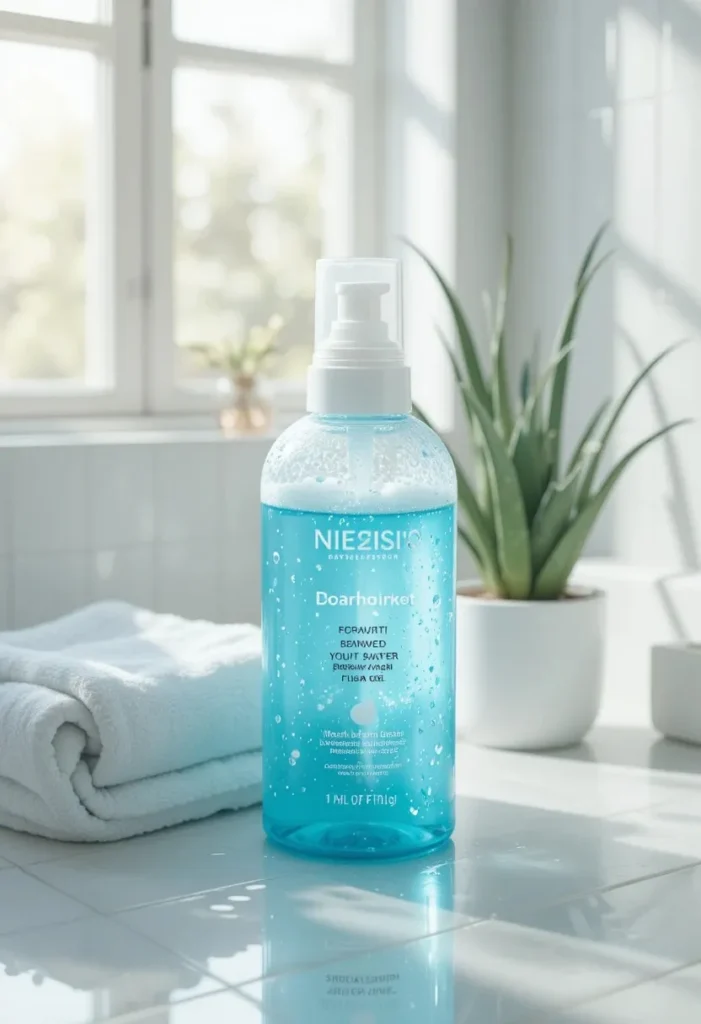
Selecting an appropriate cleanser is one of the most critical decisions for anyone managing oily skin, as the wrong formula can either leave the skin feeling greasy or strip it excessively, triggering a rebound effect. Gel-based or foaming cleansers formulated with ingredients like salicylic acid or tea tree oil tend to work well for oily skin, as they help dissolve excess sebum without disrupting the skin’s natural barrier. Avoiding heavy, cream-based cleansers is generally advisable, as these can leave a residue that contributes to clogged pores.
Cleansing twice daily, rather than excessively throughout the day, helps maintain a balance between removing impurities and preserving the skin’s natural protective functions. Over-washing is a common mistake among those with oily skin, often driven by the desire to feel less greasy, but this habit can backfire by prompting the skin to produce even more oil in response to the loss of natural lipids. A consistent, moderate cleansing routine using the right formula sets the foundation for better oil control throughout the rest of the day.
The Role of Toner in Controlling Shine
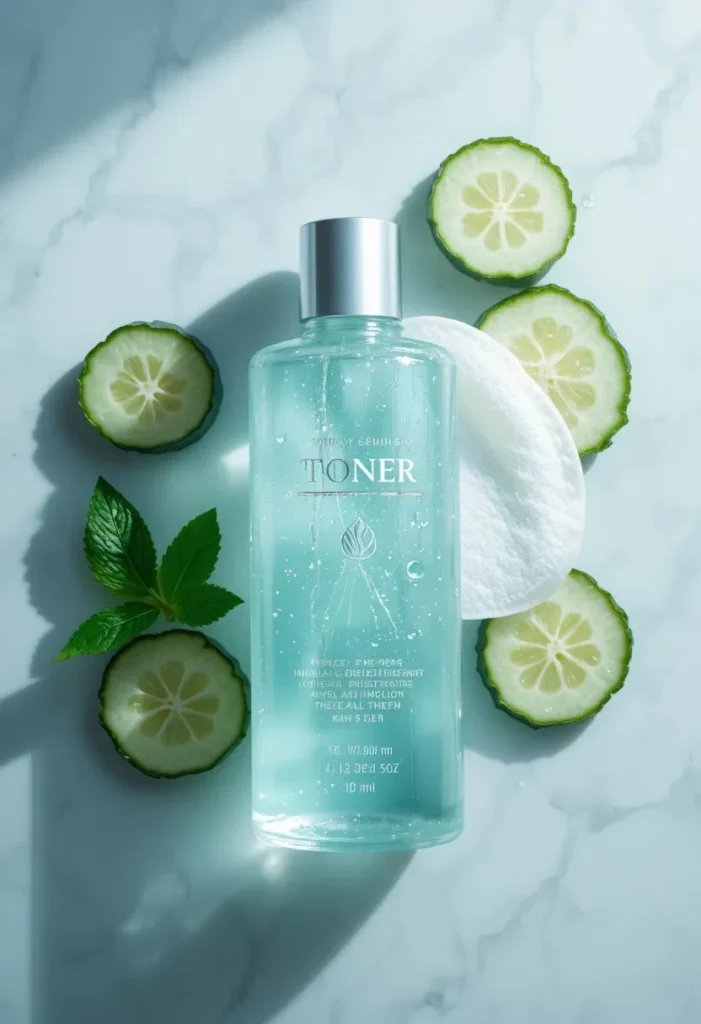
Contrary to popular belief, toner is not meant to be skipped for oily skin types; in fact, it plays a vital role in balancing the skin after cleansing. A well-formulated toner helps remove any residual impurities while restoring the skin’s natural pH level, which can become disrupted during the cleansing process. Toners containing witch hazel, niacinamide, or other pore-refining ingredients can help minimize the appearance of enlarged pores while providing a light layer of hydration.
Avoiding alcohol-heavy toners is important, as these can create a temporary sensation of tightness while actually damaging the skin barrier and prompting increased oil production over time. Choosing a toner with soothing, hydrating properties instead helps the skin feel refreshed and balanced rather than stripped. This step also prepares the skin to better absorb the lightweight serums and moisturizers that follow, making it an essential rather than optional part of the routine.
Why Lightweight Moisturizers Are Still Essential
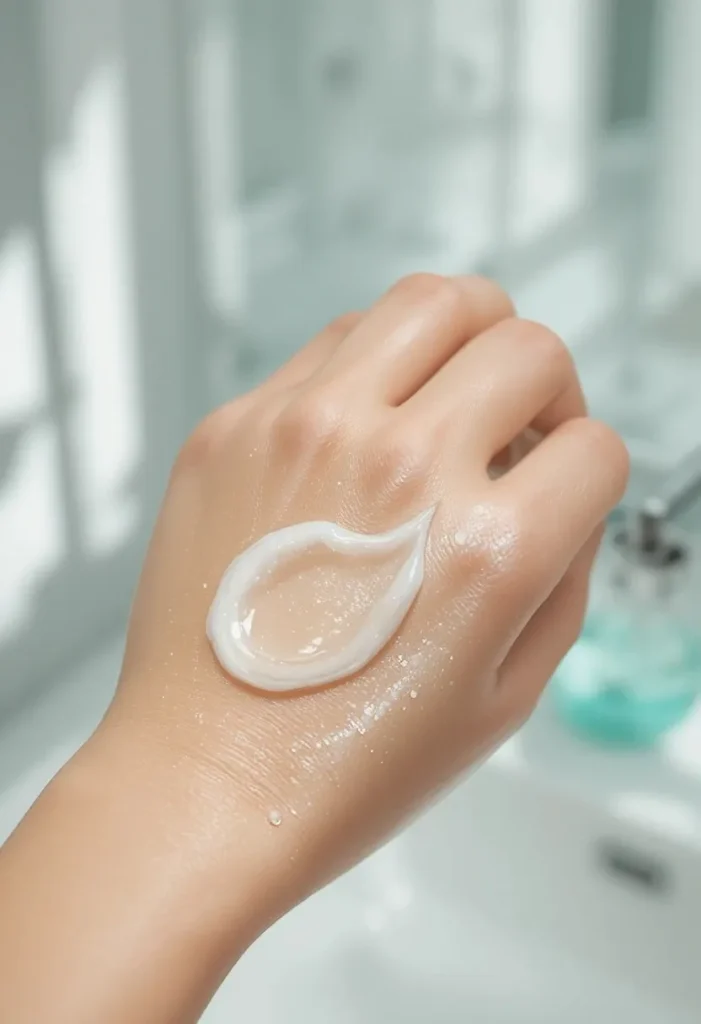
One of the most persistent myths surrounding oily skin is that moisturizer should be avoided altogether, when in fact skipping this step often makes oiliness worse. A lightweight, oil-free moisturizer helps maintain the skin’s hydration levels without adding excess grease, signaling to the skin that it does not need to overproduce sebum to compensate for dryness. Gel-based formulas are particularly effective, as they absorb quickly without leaving a heavy or shiny residue.
Choosing moisturizers labeled as non-comedogenic ensures that pores remain unclogged while the skin still receives the hydration it needs to function properly. Skipping moisturizer entirely can trigger a cycle where the skin becomes both dehydrated and oily simultaneously, a condition that is often more difficult to manage than straightforward oiliness. Maintaining consistent hydration, even for oily skin, is a foundational step that supports overall skin balance and health.
Incorporating Salicylic Acid for Deeper Pore Care
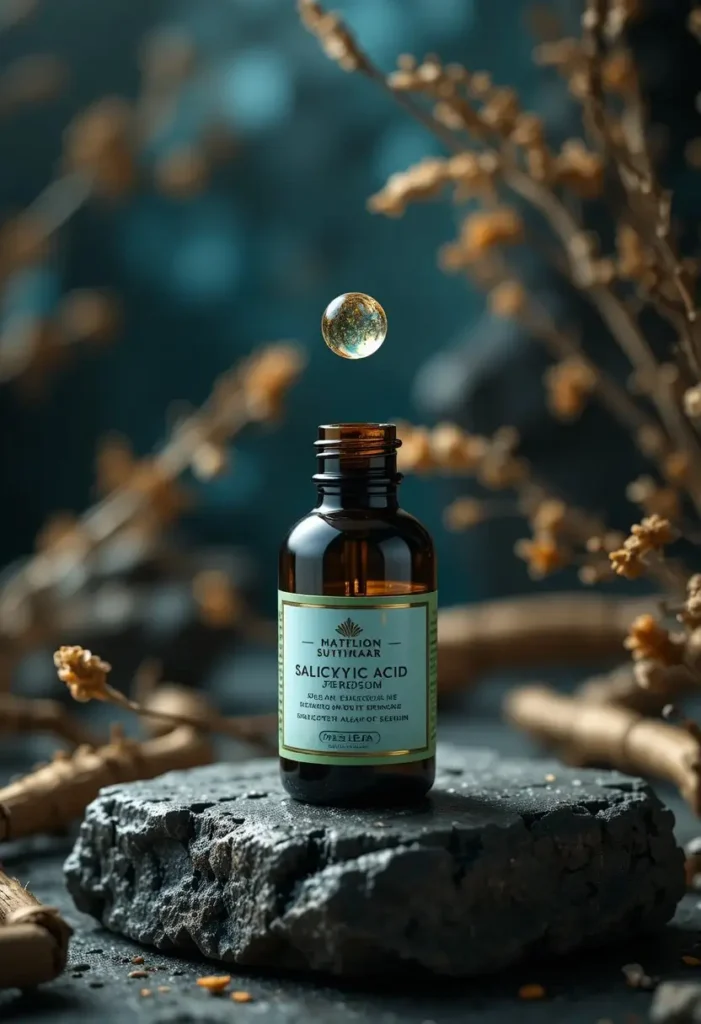
Salicylic acid has become a go-to ingredient for those managing oily and acne-prone skin due to its ability to penetrate deep into the pores and dissolve excess sebum and debris. Unlike surface-level exfoliants, this beta-hydroxy acid works within the pore lining itself, helping to prevent the buildup that often leads to blackheads and breakouts. Its anti-inflammatory properties also make it useful for calming existing blemishes while working to prevent new ones from forming.
Introducing salicylic acid gradually, rather than using it excessively, allows the skin to adjust without becoming overly dry or irritated. Overuse of this ingredient can compromise the skin barrier, ironically leading to increased oil production as the skin attempts to protect itself. When used consistently and in appropriate concentrations, salicylic acid can significantly improve skin texture and reduce the frequency of breakouts commonly associated with oily skin types.
Read also:Skincare Routine for Sensitive Skin: 8 Gentle Steps to Calm, Comfortable, and Healthy Skin
The Importance of Oil-Free Sunscreen
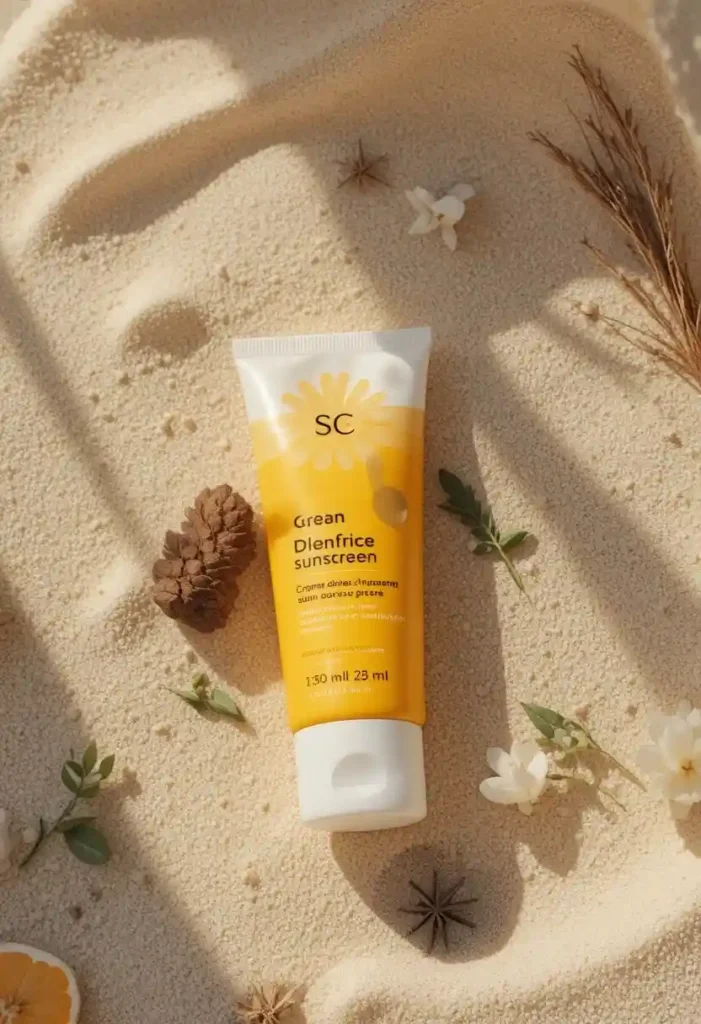
Sunscreen remains a non-negotiable step for oily skin, though many people avoid it due to concerns about added shine or breakouts. Formulations labeled as oil-free sunscreen or those with a matte finish are specifically designed to provide sun protection without contributing to excess grease throughout the day. These products often contain ingredients that help absorb surface oil while still delivering effective broad-spectrum protection against UV damage.
Skipping sunscreen due to fear of increased oiliness is a common but ultimately harmful decision, as unprotected skin becomes more prone to sun damage, hyperpigmentation, and premature aging over time. Modern formulations have evolved significantly, offering lightweight textures that blend seamlessly into oily skin without the heavy, greasy feeling associated with older sunscreen products. Making this step a daily habit protects the skin’s long-term health while still addressing the practical concerns unique to oily skin types.
Weekly Exfoliation and Mattifying Products
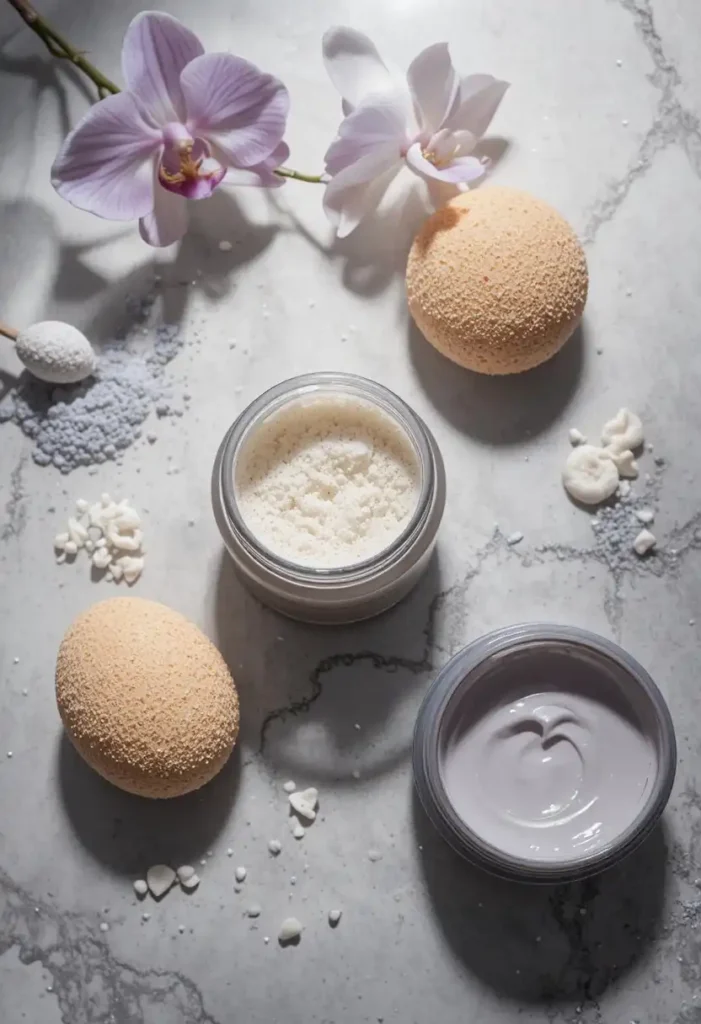
Beyond daily hydration and protection, incorporating weekly exfoliation helps remove built-up dead skin cells and excess oil that can accumulate on the surface, leading to a dull or congested appearance. Chemical exfoliants, particularly those containing beta-hydroxy acids, are especially effective for oily skin since they can cut through oil more efficiently than physical scrubs, which often irritate the skin without addressing the deeper buildup within pores.
Mattifying products, such as clay-based masks or lightweight primers, can also be used strategically to absorb excess shine throughout the day without disrupting the skin’s natural balance. These products work best when used as a complement to a consistent routine rather than a replacement for proper cleansing and hydration. Together, weekly exfoliation and occasional mattifying treatments help maintain a smoother, more refined complexion over time.
Managing Diet and Lifestyle Factors

While topical products play a significant role, lifestyle factors such as diet, hydration, and stress levels also influence how much oil the skin produces on a daily basis. Diets high in refined sugars and dairy have been linked in some studies to increased oil production and breakouts, making dietary awareness a relevant, though often overlooked, component of managing oily skin effectively.
Stress management and adequate hydration through water intake also play a role in regulating hormonal fluctuations that can trigger excess sebum production. While topical skincare addresses the surface-level symptoms, considering these internal factors offers a more holistic approach to long-term skin balance. Recognizing that oily skin is influenced by more than just external products encourages a broader, more sustainable strategy for achieving lasting results.
Conclusion
Managing oily skin effectively comes down to balance rather than deprivation, choosing the right cleansers, toners, and moisturizers while incorporating targeted ingredients like salicylic acid and consistent sun protection. Pairing these topical steps with mindful lifestyle habits creates a well-rounded approach that addresses both the surface and root causes of excess oil. With patience and the right routine, it is entirely possible to achieve a healthier, more balanced complexion without constant shine or breakouts.

Mehboob Ahmad is the founder and writer behind BeautyVibeWorld. With a genuine passion for skincare, makeup, and everyday beauty routines, Mehboob started this platform to share simple, practical, and research-backed advice that real people can actually use without the confusion of conflicting trends and overhyped products.
Every article on BeautyVibeWorld is written with care, backed by research, and regularly updated to stay accurate and relevant. Mehboob believes good beauty advice should be honest, easy to follow, and free of unnecessary complexity.
Outside of writing, Mehboob enjoys exploring new beauty trends and staying up to date with the latest in skincare and haircare research to keep bringing fresh, reliable content to BeautyVibeWorld readers.