
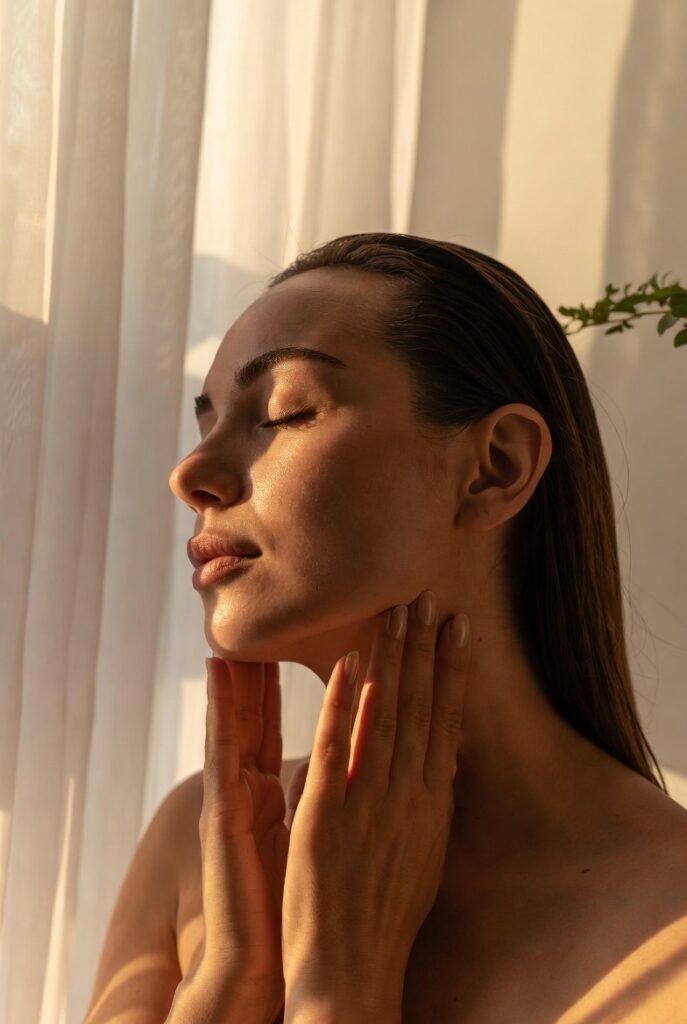
Have you ever woken up with puffy eyes, stiff joints, or that heavy, sluggish feeling that no amount of water seems to fix? Your lymphatic system might be crying out for a little attention. Unlike your blood, which has the heart to pump it around, your lymph relies entirely on your own movement and muscle contractions to flow. That’s where a self lymph drainage massage guide becomes more than just a wellness trend—it becomes a practical, empowering tool for daily vitality. In the next few minutes, you’ll discover gentle, effective ways to encourage your body’s natural detox pathways, reduce swelling, and bring back that lightness you may have forgotten you could feel.
Most people never think about their lymph until something goes wrong: a swollen ankle after a long flight, a post‑surgical arm that feels tight, or a face that looks puffier than usual in the mirror. But the truth is, your lymphatic system works around the clock to keep your tissues clean and your immune cells alert. When it flows well, you feel clear‑headed, energetic, and resilient. When it stagnates, even a healthy diet and plenty of sleep can leave you feeling off. The good news is that you can take charge with nothing more than your own two hands and a few minutes of quiet intention. This guide walks you through five simple, whole‑body practices that anyone can learn, regardless of age or fitness level.
Why Your Lymphatic System Needs Your Help
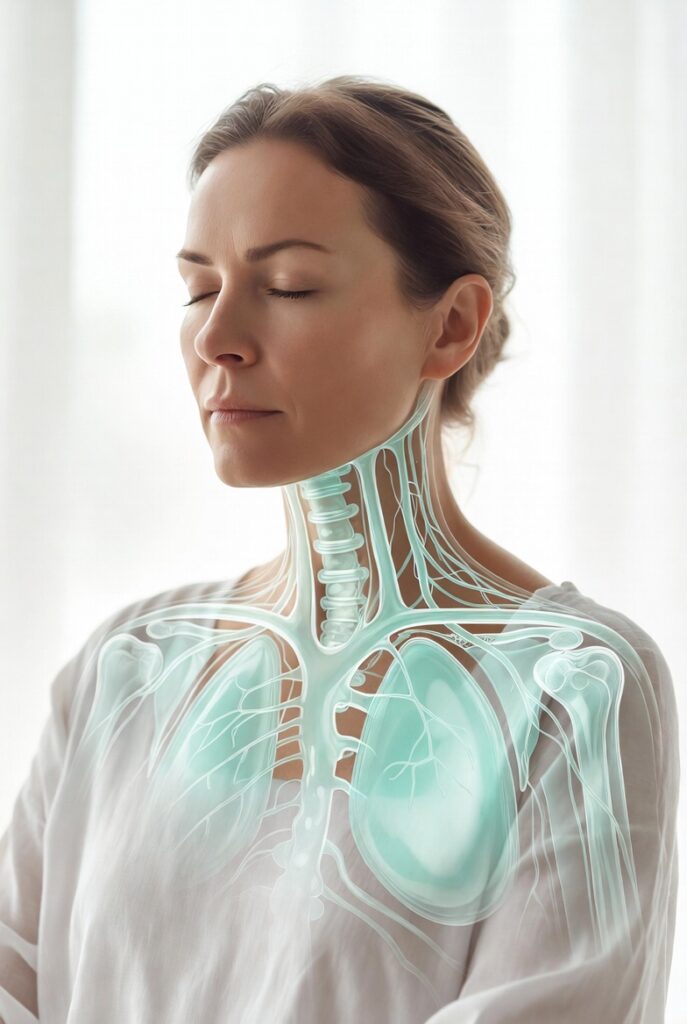
Your lymphatic system is a vast network of vessels, nodes, and organs that runs parallel to your bloodstream. Every day, about two to three liters of fluid leak out of your capillaries into the spaces between your cells. This fluid—now called lymph—carries protein molecules, cellular debris, bacteria, and other waste. The lymphatic vessels pick up this dirty fluid and transport it through a series of filters called lymph nodes, where immune cells neutralize pathogens and break down waste. Finally, the cleaned fluid returns to your bloodstream near your collarbones. It is an elegant, silent system that never rests.
But here is the challenge: unlike your heart, which pumps blood automatically, your lymphatic system has no central pump. It depends entirely on the movement of your muscles, the rhythm of your breathing, and the gentle pulsation of your arteries to push lymph along. When you sit at a desk for eight hours, when stress makes your breathing shallow, or when you simply forget to move your body, lymph flow slows down dramatically. This stagnation is not just uncomfortable; it can lead to chronic low‑grade inflammation, frequent colds, and that frustrating feeling of being bloated even when you eat well. A self lymph drainage massage guide addresses this problem directly by teaching you how to manually stimulate lymph movement using light, specific touches.
Many people mistakenly believe that deep tissue or vigorous rubbing will help. In reality, the tiny lymphatic capillaries sit just beneath the skin and are extremely delicate. Firm pressure can actually collapse them, making drainage worse. Effective self lymph drainage uses a pressure comparable to the weight of a nickel—no more. You stretch the skin gently in the direction of natural lymph flow, which for most of the body is toward the nearest group of lymph nodes. The neck, armpits, groin, and behind the knees are where your major node clusters live. By learning to activate these areas first, you create a vacuum effect that pulls stagnant fluid from the surrounding tissues. It is a beautiful, logical system, and once you feel the difference, you will wonder why no one showed you this sooner.
How to Prepare Your Body and Mind for a Self Lymph Drainage Session
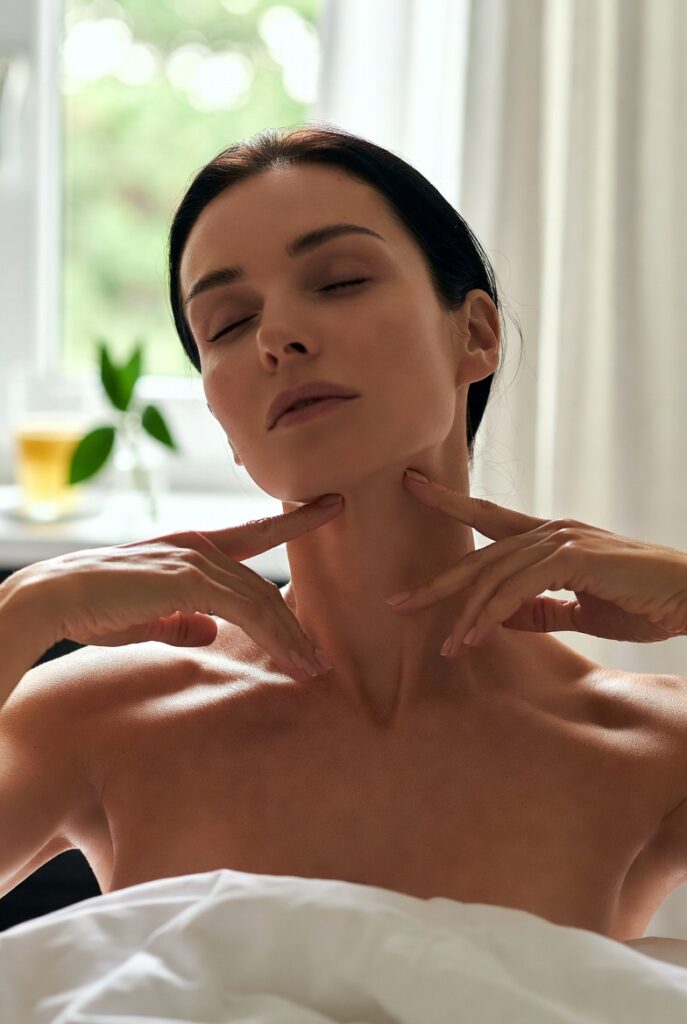
Before you even place your hands on your skin, the environment and your own state of relaxation play a huge role in how well the lymph moves. Your lymphatic vessels are wrapped in smooth muscle that responds to the rhythm of your breath and the relaxation of your nervous system. If you are hurried, tense, or holding your breath, those tiny vessels constrict, and the fluid barely trickles. That is why the first few minutes of any self lymph drainage massage guide should always be about settling in: sitting comfortably with your back supported, closing your eyes, and taking five slow exhales that are longer than your inhales. This simple shift tells your body that it is safe to let go.
You also want to prepare your skin so that your fingers glide rather than drag. A light application of natural oil or a thin lotion helps, but avoid thick creams that require pressure to spread. Your touch should be so light that a piece of tissue paper placed on your skin would not wrinkle. Many people find it helpful to warm their hands first by rubbing them together, because cold hands cause the lymph vessels to tighten. Finally, drink a glass of room temperature water about twenty minutes beforehand. Hydrated tissue allows waste to move more freely, and you will notice that the gentle strokes feel more fluid and less like you are pushing against resistance.
Another often‑overlooked preparation step is to wear loose, comfortable clothing or remove clothing from the area you plan to work on. Tight waistbands, underwire bras, or compression socks can physically block lymph pathways. If you are working on your neck, loosen your collar or wear a scoop‑neck shirt. For the groin area, shorts or soft pants work best. You do not need a special table or a silent spa; your bedroom floor, a yoga mat on the carpet, or even your living room couch works perfectly. The key is to give yourself permission to be still for five to fifteen minutes without checking your phone or rushing to the next task. Think of this as a mini‑date with your body’s cleanup crew. Over time, you will start to crave this quiet time because it feels so genuinely good.
One more preparation tip that makes a surprising difference: empty your bladder before beginning. A full bladder can create pressure that interferes with drainage from the lower belly and legs. Also, avoid eating a heavy meal for at least an hour before your session. Digestion diverts blood flow and lymphatic activity to your gut, which can make upper body drainage less effective. A light snack like an apple or a few crackers is fine, but a big lunch will leave you feeling sluggish rather than refreshed. When you honor these small preparatory steps, your self lymph drainage massage guide becomes not just a technique but a ritual—a way of saying to your body, “I am listening, and I am here to help.”
The Neck and Jaw Sequence for Morning Puffiness and Sinus Relief
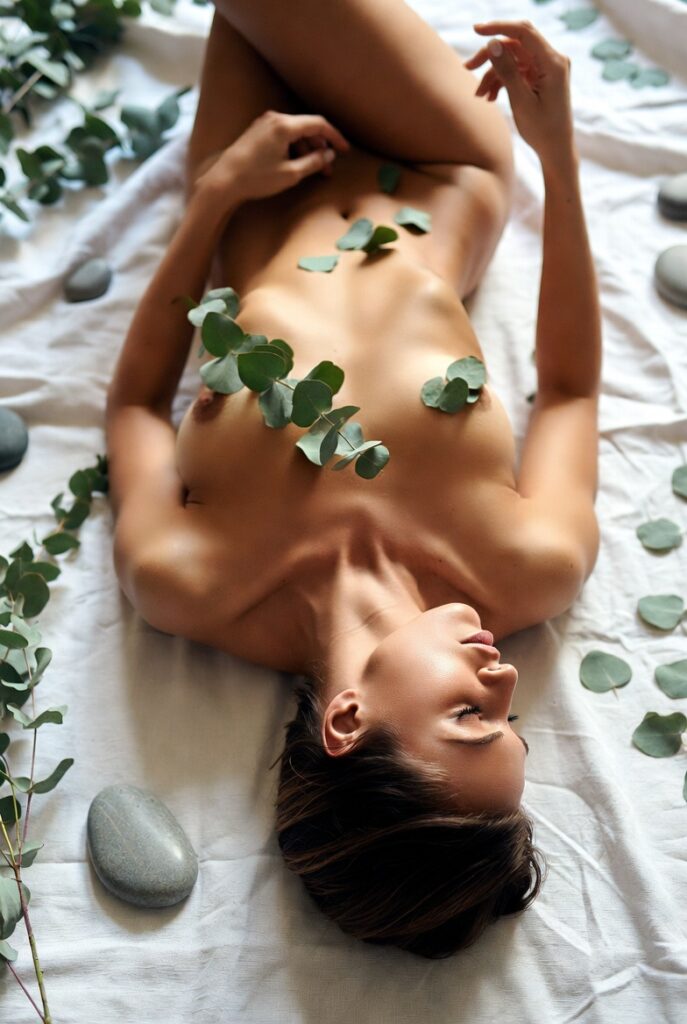
Your neck is the superhighway for lymphatic drainage from your head, face, and upper respiratory tract. Stagnation here often shows up as a puffy jawline, bags under the eyes, or a foggy‑headed feeling that mimics allergies. To begin this part of your self lymph drainage massage guide, place your fingers just behind your ears, where you can feel a small depression. Use the flat pads of your middle and ring fingers to make slow, sweeping strokes downward along the sides of your neck toward your collarbones. Each stroke should take about three seconds. This direction follows the natural path of lymph as it heads toward the venous angle near your clavicles, where cleaned fluid reenters your bloodstream.
After several of those long strokes, shift your attention to the area under your chin. Place your fingertips together at the center point right beneath your lower lip and make tiny, snail‑slow circles moving outward toward your jaw hinges. This is especially helpful if you wake up with a swollen face or feel like your throat is tight. The lymph nodes under the jaw are small and shallow, so your touch should feel like a kitten nudging your skin. Repeat these outward circles five or six times, then finish with two more long neck strokes down to the collarbones. People who practice this sequence for just three mornings often report that their face looks more sculpted and that sinus pressure disappears without medication.
You can expand this neck routine to include the back of your neck, a spot that collects tremendous tension and stagnant fluid from long hours of screen time. Reach behind your head with both hands and let your fingers rest at the base of your skull, right where your neck meets your head. Use the same light, snail‑slow circles moving downward along the back of your neck toward your shoulders. Do not press into the bony spine; instead, stay on the soft muscle grooves on either side. After five slow circles, make long sweeping strokes from the hairline down to the tops of your shoulders. This move is incredibly soothing and can even reduce the frequency of tension headaches.
Another powerful addition for the face: use your ring fingers to trace tiny circles around your eye sockets, starting at the inner corner near your nose and moving along the brow bone to the outer corner, then under the eye back to the inner corner. This area drains toward the nodes just in front of your ears and under your jaw. If you suffer from dark circles or morning eye puffiness, this gentle circling can make a visible difference within a week. Remember: no pulling or tugging. The skin around your eyes is the thinnest on your body, so treat it like fine silk. Your self lymph drainage massage guide should always feel like a loving touch, never a harsh treatment.
Moving to the Armpits and Torso for Reduced Arm Swelling and Better Immunity
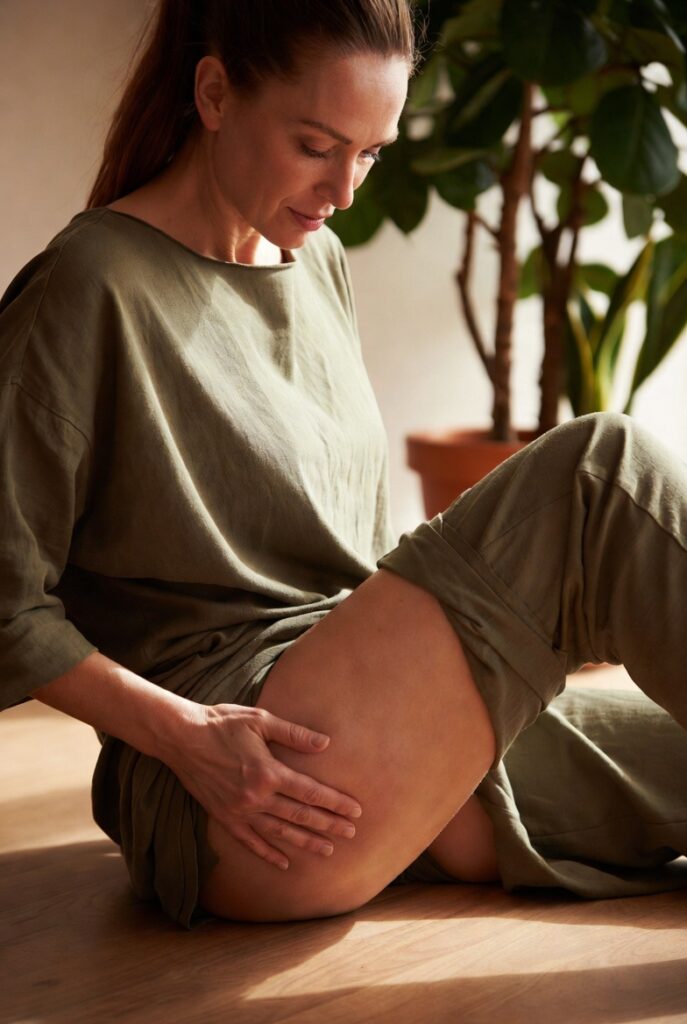
Your armpits contain one of the largest clusters of lymph nodes in the upper body. When these nodes become sluggish, you might notice that your arms feel heavy, your bra leaves deeper marks than usual, or you catch every cold that goes around the office. The technique here reverses what many people assume: instead of rubbing the armpit itself, you first want to clear the pathway above it. Using the same light touch, sweep from your elbow up your inner arm to the armpit, and then from your armpit down toward your ribcage. Think of this as opening a gate before you ask water to flow through it. Your self lymph drainage massage guide works best when you respect the order of drainage, always moving from the more central nodes outward.
After you have prepped the arm pathway, you can address the torso. Place both hands on your upper ribs just below your collarbone, fingers pointing toward each other. Make gentle, scooping motions that curve down along your ribcage toward your waist. This area is often ignored, but it houses lymphatic vessels that drain your breasts, lungs, and heart space. Women who experience cyclic breast tenderness often find relief with this movement, as it reduces fluid retention in glandular tissue. Spend about one minute on each side, breathing normally. You are not trying to feel anything dramatic. A subtle sense of warmth or a very faint tickle is often the first sign that lymph has started to move. Consistency matters far more than intensity here.
Let’s go deeper into the armpit work because it is so often misunderstood. Lie on your back and raise one arm above your head, resting your hand on the floor or a pillow. This position opens the axillary space, allowing you to access the nodes without compression. Use the flat pads of your opposite hand’s middle fingers to make very small, stationary circles directly in the armpit hollow. Do not move your fingers across the skin; instead, let the skin stretch slightly with each circle. Imagine you are trying to stir a tiny pool of honey. After about ten circles, make gentle sweeping strokes from the armpit down the side of your ribcage to your waist. Repeat on the other side. This simple practice can dramatically reduce the feeling of “heavy arms” after a long day of typing or carrying children.
The front of your chest also deserves attention. Place your palms flat on your upper chest just below your collarbones, with your fingers pointing toward your shoulders. Make slow, wave‑like motions that sweep outward toward your armpits. This mimics the natural drainage pattern of the breast tissue and the upper pectoral area. For people who have undergone breast surgery or who suffer from chronic upper body congestion, this movement is transformative. Do it for one minute each morning, and pair it with three deep belly breaths. Over time, you may notice that your respiratory infections become less frequent and that your chest simply feels more open and free. Your self lymph drainage massage guide is not just about reducing puffiness; it is about restoring the body’s innate intelligence.
The Lower Body and Groin Routine for Heavy Legs and Digestive Ease
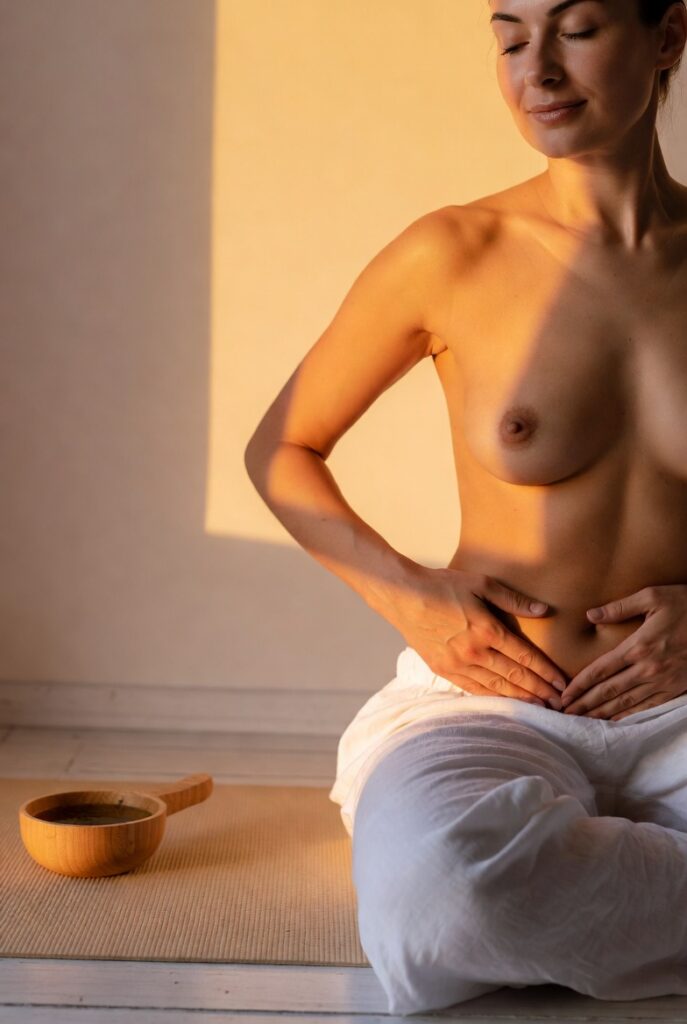
Your lower body works against gravity every day, which makes the groin and upper thigh area critical for returning lymph from your legs and lower belly. If you often feel like your ankles disappear by evening or your stomach feels bloated even after a light meal, this final section of your self lymph drainage massage guide will become your favorite. Begin by lying on your back with your knees bent and feet flat. Place your fingers in the soft crease where your thigh meets your pelvis. Using your ring and middle fingers, make very small, slow circles—almost like stirring honey—over the inguinal lymph nodes. These circles should be so gentle that your skin barely dimples. You are not massaging muscle; you are waking up a filter.
From there, use long, upward strokes from your inner knee to your groin, always moving toward the body’s center. Do the same from the outer knee up toward your hip. After several strokes on each leg, place your hands on your lower belly just above the pubic bone and make gentle, clockwise waves with your palms. This part helps release trapped fluid in the digestive tract, and many people notice that their bloating decreases within an hour. Finish by bringing both hands to your lower ribs and sweeping downward to the groin in one continuous motion. Repeat this full lower body routine three times per week, and you will likely notice that your legs feel lighter, your rings fit more comfortably, and that heavy, end‑of‑day fatigue begins to lift.
Let’s add detail to the leg work because so many people struggle with swollen ankles and calf tightness. After you have activated the groin nodes, sit up slightly and bend one knee so your foot is flat on the floor. Using both hands, make light, wringing motions up your calf—imagine you are gently squeezing water from a wet sponge, but without squeezing hard. Start just above your ankle and move up to the back of your knee. The back of the knee has a cluster of nodes called the popliteal nodes, which often become sluggish in people who stand for long hours. Spend twenty seconds making tiny circles there before continuing up your thigh to the groin. Alternate legs. This simple routine can reduce the need for compression socks and can even improve the appearance of varicose veins over time because it reduces the fluid pressure that distends vein walls.
The lower belly work deserves special mention because of its connection to digestion and menstrual comfort. Place three fingertips of each hand on your lower belly, just inside your hip bones. Make slow, clockwise circles that travel from the right hip upward toward your navel, then across to the left hip, then down to the pubic bone, and back to the right hip. This follows the natural path of your colon and its associated lymphatic drainage. Many people with irritable bowel syndrome or chronic constipation find that practicing this for five minutes each evening significantly reduces bloating and discomfort. For those who menstruate, doing this gentle belly massage during the week before your period can minimize water retention and cramping. Your self lymph drainage massage guide is not just a cosmetic tool; it is a genuine therapeutic practice that addresses real, daily physical struggles.
Read More : 20 Korean Skin Ideas: Reveal Your Most Radiant, Glass-Like Complexion Naturally
Conclusion
Learning a self lymph drainage massage guide is like learning to listen to a quiet, wise part of your body that has been waiting for your attention. You don’t need special equipment, expensive treatments, or hours of spare time. Just a few minutes of light, intentional touch each day can ease bloating, sharpen your immune response, and bring a sense of calm that radiates from the inside out. Start with one sequence that speaks to your biggest complaint—puffy face, heavy arms, or tired legs—and let consistency do the rest. Your lymph moves when you move, breathes when you breathe deeply, and flows when you treat yourself with patience. That is the most beautiful part of this practice: every gentle stroke is also a small act of self‑care. Over weeks and months, you will not only look less puffy and feel more energetic; you will also develop a deeper, more trusting relationship with your own body. And that, more than any visible result, is the real gift of this work.

Mehboob Ahmad is the founder and writer behind BeautyVibeWorld. With a genuine passion for skincare, makeup, and everyday beauty routines, Mehboob started this platform to share simple, practical, and research-backed advice that real people can actually use without the confusion of conflicting trends and overhyped products.
Every article on BeautyVibeWorld is written with care, backed by research, and regularly updated to stay accurate and relevant. Mehboob believes good beauty advice should be honest, easy to follow, and free of unnecessary complexity.
Outside of writing, Mehboob enjoys exploring new beauty trends and staying up to date with the latest in skincare and haircare research to keep bringing fresh, reliable content to BeautyVibeWorld readers.