

Dark spots and uneven pigmentation can be one of the most persistent skin concerns, often lingering long after the original cause, whether sun exposure, acne, or hormonal changes, has resolved. Many people struggle with finding the right approach, either giving up too soon or using overly aggressive products that irritate the skin without delivering results. Building an effective skincare routine for dark spots requires patience, the right combination of ingredients, and a clear understanding of how pigmentation actually forms and fades. This article explores the essential steps that genuinely help reduce discoloration and restore a more even, radiant complexion over time.
Understanding How Dark Spots Form on the Skin
Dark spots, also known as hyperpigmentation, occur when the skin produces excess melanin in response to triggers like UV exposure, inflammation, hormonal fluctuations, or injury. This overproduction can result in various forms of discoloration, including sun spots, post-inflammatory hyperpigmentation from acne, and melasma often linked to hormonal changes. Each type may respond differently to treatment, making it important to understand which category your specific concern falls into before selecting products.
Recognizing the root cause of your pigmentation issues helps set realistic expectations for treatment, as some forms of discoloration, like melasma, can be more stubborn and prone to recurrence than others. Sun exposure remains one of the most significant aggravating factors across all types of hyperpigmentation, often deepening existing spots or triggering new ones to form. This foundational understanding shapes every subsequent step in an effective routine, ensuring that treatments are chosen based on genuine need rather than generic assumptions.
The Non-Negotiable Role of Daily Sunscreen

No routine targeting dark spots can succeed without consistent, daily use of broad-spectrum sunscreen, as UV exposure is one of the primary drivers of pigmentation and can undo progress made by other treatments. Sun exposure not only darkens existing spots but can also trigger the formation of new ones, making sunscreen the single most important step for anyone serious about achieving a more even skin tone. This applies regardless of season, weather, or time spent indoors, since UV rays can penetrate windows and clouds alike.
Choosing a sunscreen with adequate SPF, ideally 30 or higher, and reapplying throughout the day during prolonged sun exposure significantly enhances the effectiveness of any pigmentation-targeting treatment. Many people underestimate how much sun protection influences the success of their entire routine, often investing in expensive brightening serums while neglecting this foundational step. Without diligent sunscreen use, even the most potent treatments will struggle to deliver lasting results against stubborn discoloration.
Incorporating Vitamin C for Brightening Benefits
Vitamin C is one of the most well-researched ingredients for addressing hyperpigmentation, working by inhibiting melanin production while simultaneously providing antioxidant protection against further damage. This versatile ingredient not only helps fade existing dark spots but also brightens the overall complexion, giving skin a more radiant, even appearance over time. Its dual action makes it a valuable addition to both morning and evening routines, depending on the specific formulation used.
Consistent application of a well-formulated vitamin C serum, ideally in the morning before sunscreen, provides an added layer of protection against environmental damage that can worsen pigmentation. Results from this ingredient typically develop gradually, often taking several weeks of regular use before visible improvements in skin tone become apparent. Pairing vitamin C with sunscreen creates a powerful combination that addresses both the prevention and treatment of dark spots simultaneously.
Using Niacinamide to Even Out Skin Tone
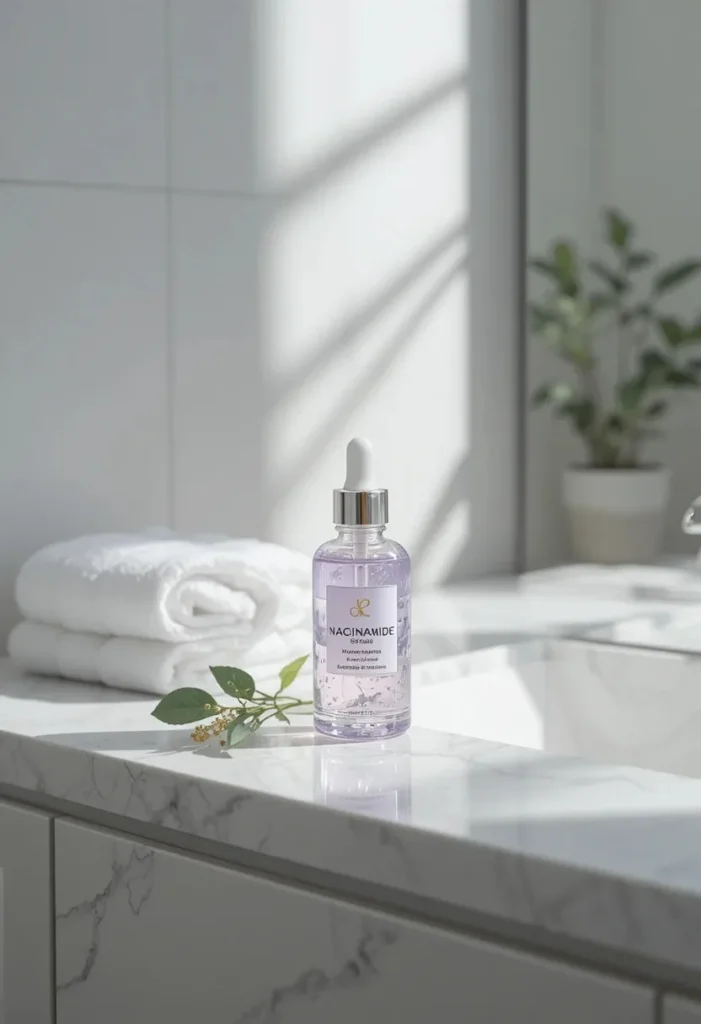
Niacinamide has become a staple ingredient in pigmentation-focused skincare due to its ability to inhibit the transfer of melanin to skin cells, effectively reducing the appearance of dark spots over time. This versatile ingredient is also known for strengthening the skin barrier and reducing inflammation, making it particularly suitable for those dealing with post-inflammatory hyperpigmentation from acne or irritation.
Unlike some stronger actives, niacinamide is generally well-tolerated across most skin types, including sensitive skin, making it an accessible option for long-term use. Regular application, typically in serum form, can gradually improve overall skin tone while also addressing concerns like enlarged pores and excess oil production. This ingredient works well when layered with other treatments, offering a gentler complement to more potent options like retinoids or acids.
Read also:16 Peach Makeup Looks Ideas: Unleash Your Natural Radiance with Soft, Sunset-Inspired Glamour
Exfoliating Acids for Cellular Turnover
Incorporating exfoliating acids, such as glycolic acid or lactic acid, helps accelerate the skin’s natural cell turnover process, gradually sloughing off pigmented surface cells to reveal fresher, more evenly toned skin underneath. These alpha-hydroxy acids work by loosening the bonds between dead skin cells, allowing them to shed more efficiently rather than accumulating and contributing to a dull, uneven appearance.
Introducing these acids gradually, starting with lower concentrations and less frequent use, helps prevent irritation while still delivering meaningful results over time. Overuse can compromise the skin barrier and potentially worsen inflammation, which paradoxically can lead to more pigmentation rather than less. When used consistently and appropriately, exfoliating acids play a significant role in speeding up the fading process for existing dark spots while improving overall skin texture.
The Power of Retinoids in Fading Discoloration
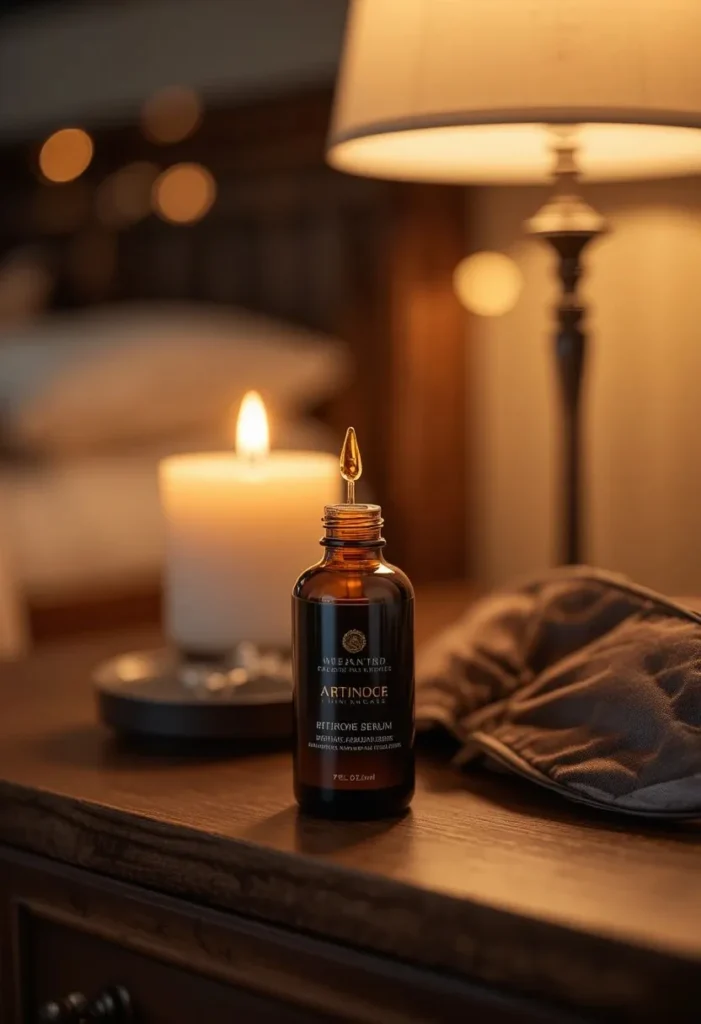
Retinoids offer one of the most effective long-term solutions for addressing hyperpigmentation, working by accelerating cell turnover and inhibiting the enzyme responsible for melanin production. Consistent use over several months can lead to significant improvements in the appearance of dark spots, while also providing additional anti-aging benefits like improved texture and reduced fine lines.
Since retinoids increase sun sensitivity, they should always be used at night and paired with diligent daytime sunscreen application to prevent further pigmentation from forming. Starting with a lower concentration and gradually building tolerance helps minimize irritation, which can otherwise trigger inflammation and potentially worsen certain types of discoloration. For those dealing with stubborn dark spots, retinoids often represent one of the most reliable, evidence-based solutions available.
Considering Alpha Arbutin for Targeted Treatment
Alpha arbutin has gained popularity as a gentler alternative to hydroquinone for addressing hyperpigmentation, working by inhibiting the same enzyme responsible for excess melanin production without the potential side effects associated with stronger bleaching agents. This ingredient is particularly well-suited for those with sensitive skin who may not tolerate harsher brightening treatments.
Incorporating alpha arbutin into a routine, typically through a targeted serum, can help fade existing dark spots while preventing new ones from forming with continued use. Its gentle nature makes it suitable for long-term use, allowing for gradual, sustainable improvement in skin tone without the harsh side effects sometimes associated with more aggressive treatments. This ingredient works particularly well when combined with other brightening agents like vitamin C or niacinamide for a more comprehensive approach.
Avoiding Common Triggers That Worsen Pigmentation

Beyond topical treatments, avoiding common triggers that exacerbate hyperpigmentation is essential for achieving lasting results. Picking at acne, using overly harsh exfoliating scrubs, or exposing the skin to excessive heat can all worsen inflammation and lead to increased melanin production in affected areas. These seemingly minor habits can significantly undermine the progress made through a well-structured skincare routine.
Being mindful of these triggers, particularly for those prone to post-inflammatory hyperpigmentation, helps prevent new spots from forming while allowing existing treatments to work more effectively. Practicing patience with active breakouts, avoiding unnecessary friction on the skin, and maintaining consistent sun protection all contribute to a more comprehensive approach to managing discoloration. Recognizing that certain habits can sabotage even the best skincare routine encourages a more mindful, holistic approach to achieving even-toned skin.
Conclusion
Fading dark spots effectively requires a combination of diligent sun protection, targeted brightening ingredients like vitamin C and niacinamide, and patience as treatments like retinoids and exfoliating acids work gradually over time. Avoiding common triggers that worsen inflammation further supports the progress made through these active ingredients. With consistency and the right approach, achieving a more even, radiant complexion is a realistic and attainable goal.

Mehboob Ahmad is the founder and writer behind BeautyVibeWorld. With a genuine passion for skincare, makeup, and everyday beauty routines, Mehboob started this platform to share simple, practical, and research-backed advice that real people can actually use without the confusion of conflicting trends and overhyped products.
Every article on BeautyVibeWorld is written with care, backed by research, and regularly updated to stay accurate and relevant. Mehboob believes good beauty advice should be honest, easy to follow, and free of unnecessary complexity.
Outside of writing, Mehboob enjoys exploring new beauty trends and staying up to date with the latest in skincare and haircare research to keep bringing fresh, reliable content to BeautyVibeWorld readers.