
A few minutes of scalp massage each day might be one of the simplest, most overlooked habits for supporting healthier hair. The scalp massage benefits hair growth conversation has picked up serious momentum recently, backed by both tradition and emerging research. This article explores exactly why this simple practice deserves a permanent place in your hair care routine.
How Scalp Massage Improves Blood Circulation
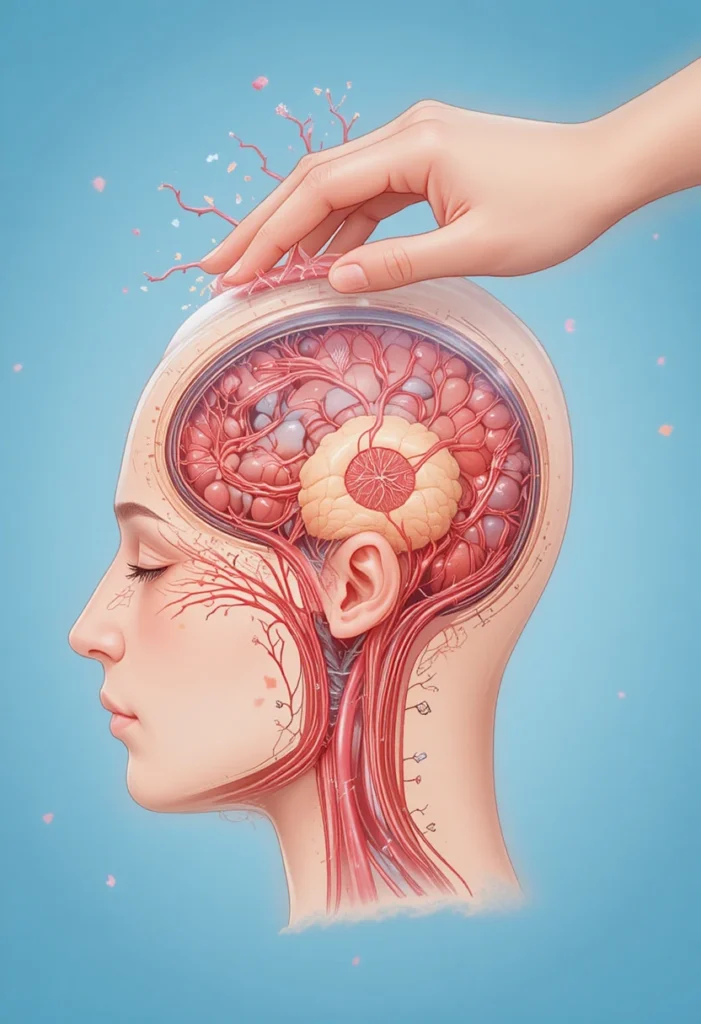
The most fundamental benefit of scalp massage lies in its ability to boost blood flow to the scalp’s surface. As pressure is applied and released through massage motions, blood vessels near the scalp dilate slightly, allowing more oxygen and nutrients to reach hair follicles than they would receive during a typical resting state.
This improved circulation is particularly valuable for follicles that may have become sluggish due to poor blood flow, a common contributing factor in certain types of thinning. Over time, consistently improved circulation helps ensure that follicles receive the steady supply of nutrients they need to remain active and support healthy, ongoing hair growth.
Reducing Stress Through Scalp Massage
Stress is a well-documented contributor to hair shedding, and scalp massage offers a direct, physical way to counteract its effects. The repetitive, soothing motion of massage triggers the body’s relaxation response, lowering cortisol levels that, when chronically elevated, can push hair follicles into a resting phase prematurely.
Beyond the biological connection to hair, the calming effect of scalp massage also provides a broader mental health benefit, offering a few minutes of intentional relaxation in an otherwise busy day. This dual benefit, addressing both physical circulation and mental stress simultaneously, is part of what makes scalp massage such a valuable, low-effort addition to a hair care routine.
Stimulating Hair Follicles Directly
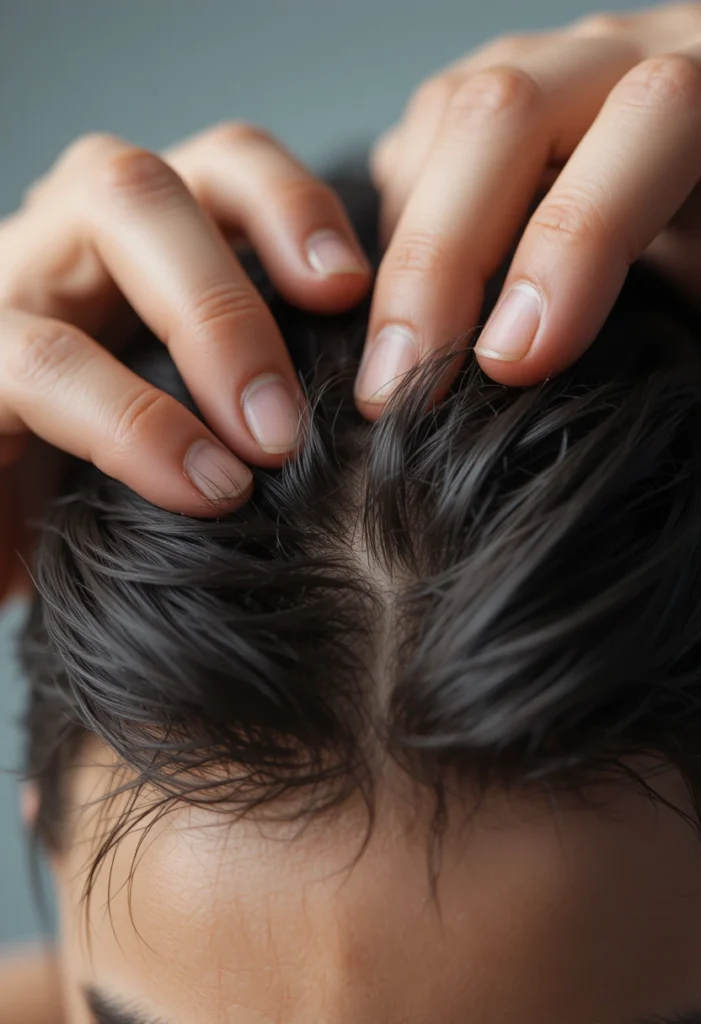
Beyond circulation, the physical stimulation from massage may directly encourage hair follicles to remain in their active growth phase for longer periods. Some research has suggested that mechanical stretching of the scalp, similar to what happens during a firm massage, can influence the cells within hair follicles to produce thicker strands over time.
This direct stimulation effect complements the circulatory benefits already discussed, creating a combined impact that supports healthier follicle function from multiple angles. While scalp massage alone won’t reverse significant hair loss, its cumulative stimulating effect over consistent use appears to meaningfully support the overall health and productivity of existing follicles.
Enhancing Product Absorption During Massage
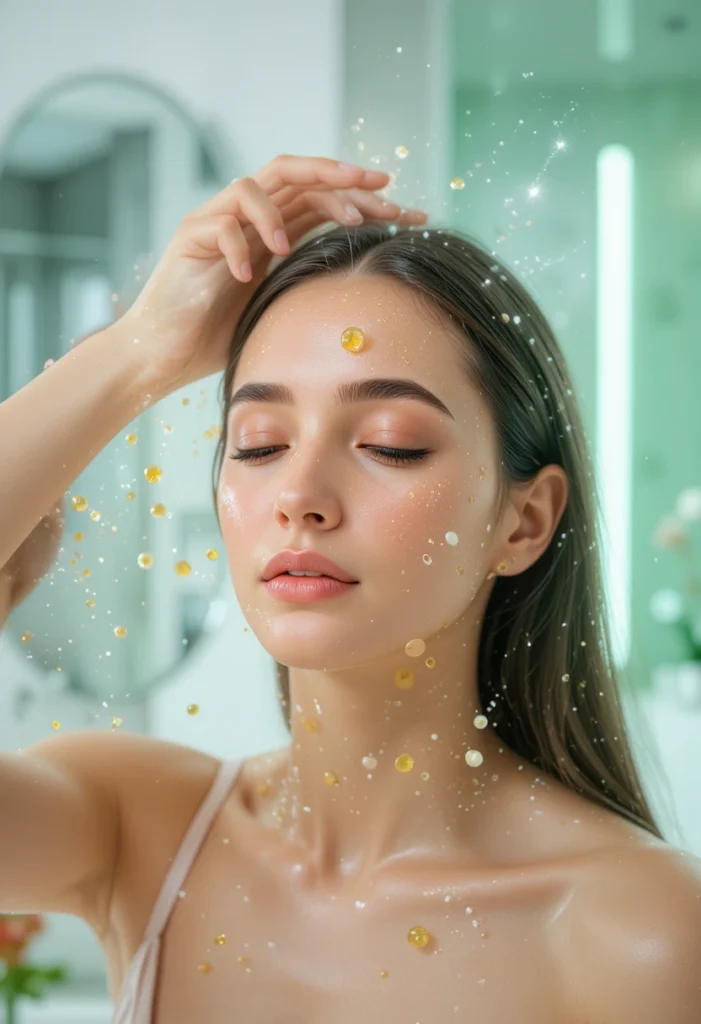
Incorporating scalp massage while applying oils, serums, or treatments significantly enhances how well those products are absorbed. The physical action of massaging helps work products more thoroughly into the scalp rather than leaving them sitting on the surface, allowing active ingredients to penetrate more effectively.
This makes scalp massage a valuable technique to pair with other hair growth efforts, such as rosemary oil treatments or deep conditioning sessions, rather than treating it as a standalone practice. Combining massage with a beneficial product creates a more powerful, layered approach than either technique would achieve on its own.
Read also:17 Hair Breakage Prevention Tips: Protect Your Length and Restore Your Hair’s Strength
Reducing Scalp Tension From Tight Hairstyles
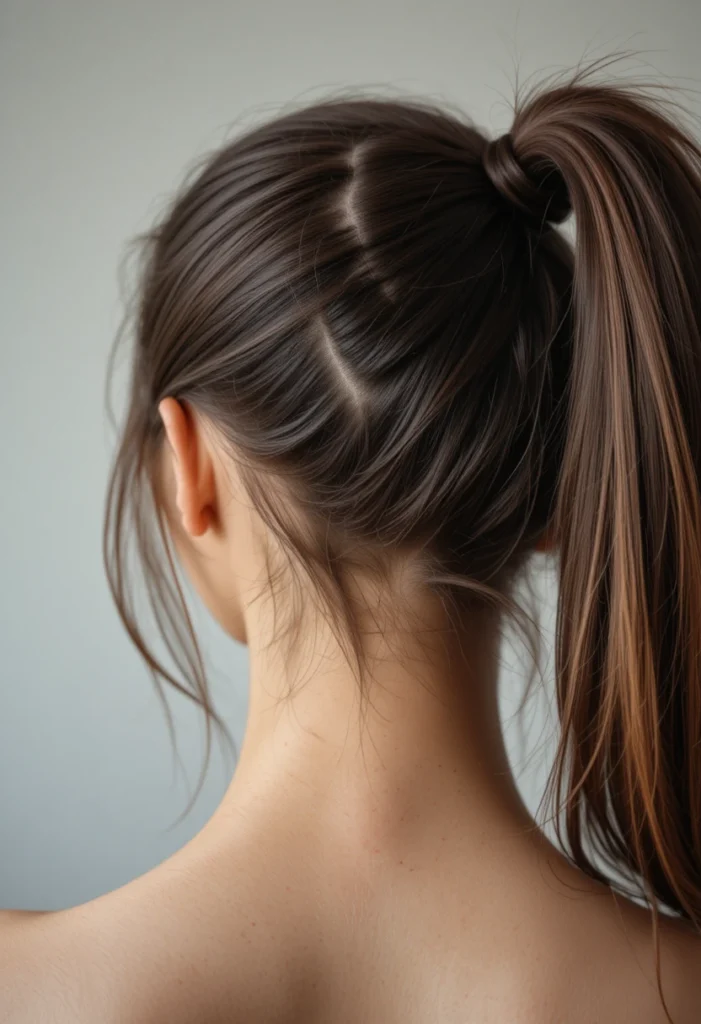
Frequent use of tight hairstyles like ponytails, braids, or buns can create persistent tension across the scalp, which over time may contribute to hair thinning in the areas experiencing the most pressure. Regular scalp massage helps release this built-up tension, improving comfort and potentially reducing the strain placed on hair follicles in these commonly affected areas.
This benefit is particularly valuable for those who rely on tight styles for practical reasons and can’t always avoid the tension they create. Incorporating massage as a counterbalance, even just a few times a week, helps offset some of the physical stress placed on the scalp from consistent styling habits.
Balancing Natural Oil Production
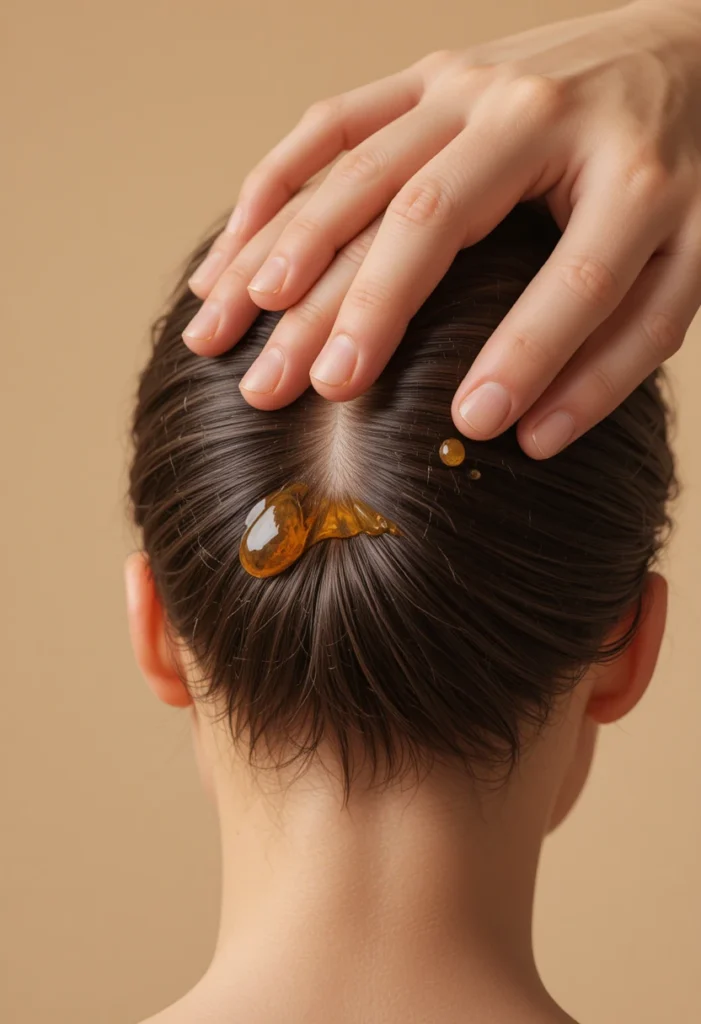
Scalp massage can help regulate the distribution of natural oils produced by the scalp, particularly when done using fingertips rather than nails, which helps spread sebum more evenly across the scalp’s surface. This even distribution can prevent oil from concentrating too heavily near the roots while leaving the rest of the scalp comparatively dry.
A more balanced oil distribution supports a healthier overall scalp environment, reducing the likelihood of issues like excessive greasiness or dry patches that can otherwise interfere with normal follicle function. This benefit works alongside the other physical advantages of massage, contributing to a scalp environment that’s better suited for consistent, healthy hair growth.
Improving Scalp Flexibility Over Time
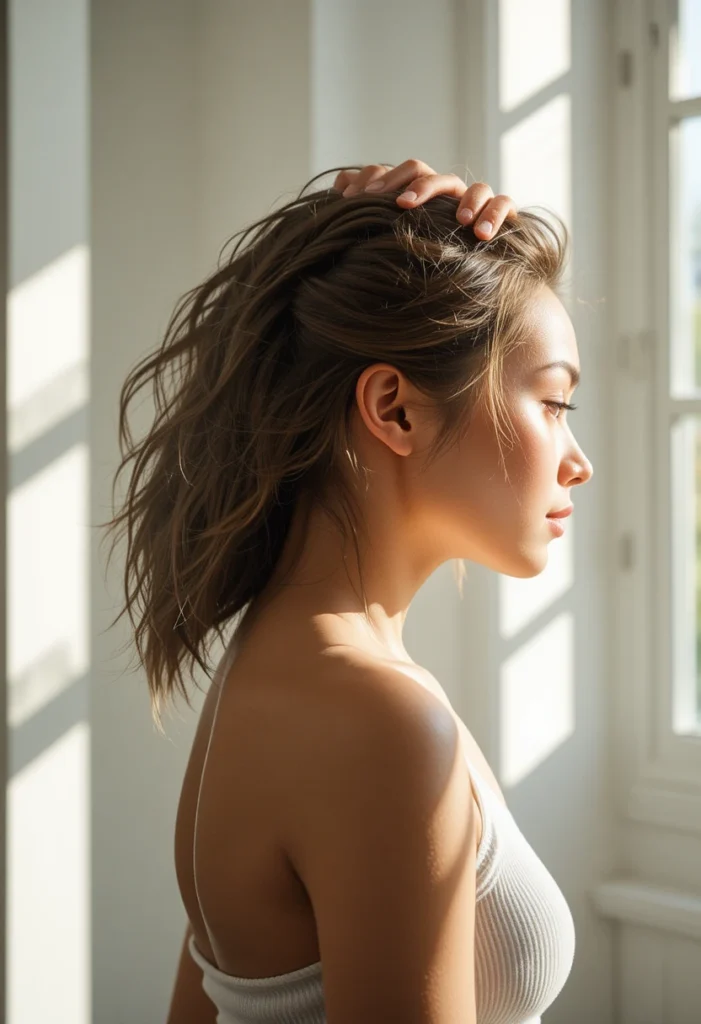
A tight, inflexible scalp is sometimes associated with poorer circulation and reduced hair growth, and regular massage can gradually improve this flexibility over time. Consistent manipulation of the scalp’s tissue helps loosen areas that may have become tense or restricted, particularly in those who experience chronic tension headaches or jaw clenching that can extend tightness into the scalp.
This improved flexibility isn’t an immediate change but rather a gradual benefit that builds with consistent practice over weeks and months. Many people notice their scalp feels noticeably looser and more relaxed after several weeks of regular massage, which often correlates with improvements in both comfort and hair health.
Using Massage Tools to Enhance the Experience
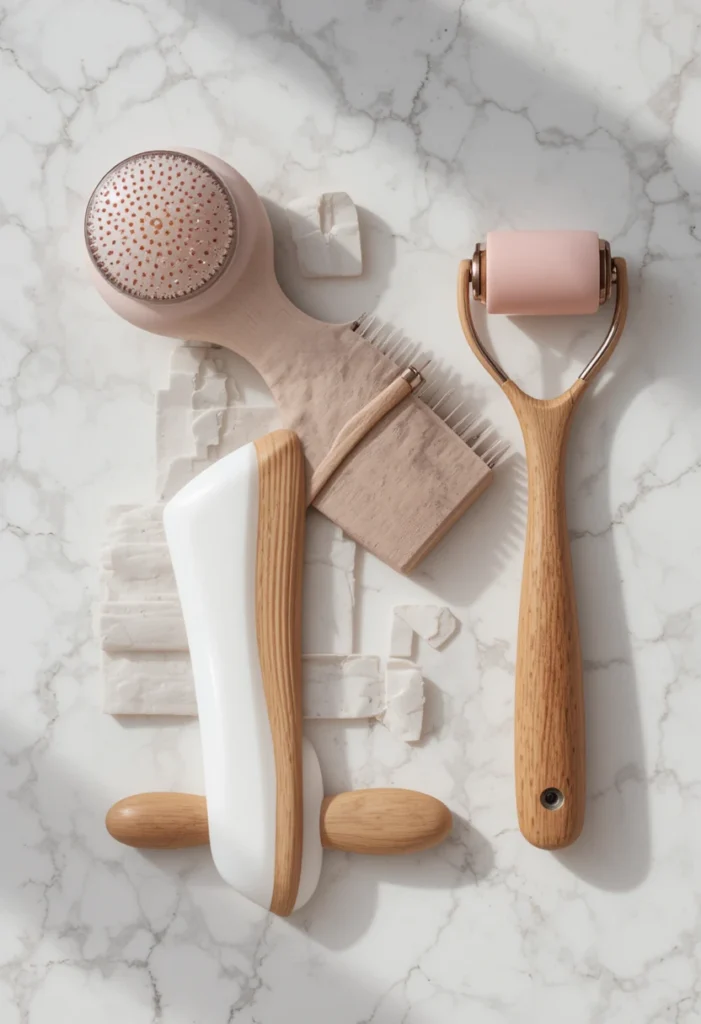
While fingertip massage remains effective on its own, various tools designed specifically for scalp massage have become popular for enhancing the experience further. Handheld massagers with soft, flexible tines can reach areas that fingers alone might miss, providing a more consistent, even pressure across the entire scalp.
These tools also make it easier to maintain a longer massage session without hand fatigue, which can be a limiting factor for those trying to incorporate this practice regularly. Choosing a tool with gentle, rounded tips helps avoid any risk of scratching the scalp while still delivering the stimulating benefits associated with manual massage.
Combining Massage With Essential Oils for Added Benefits
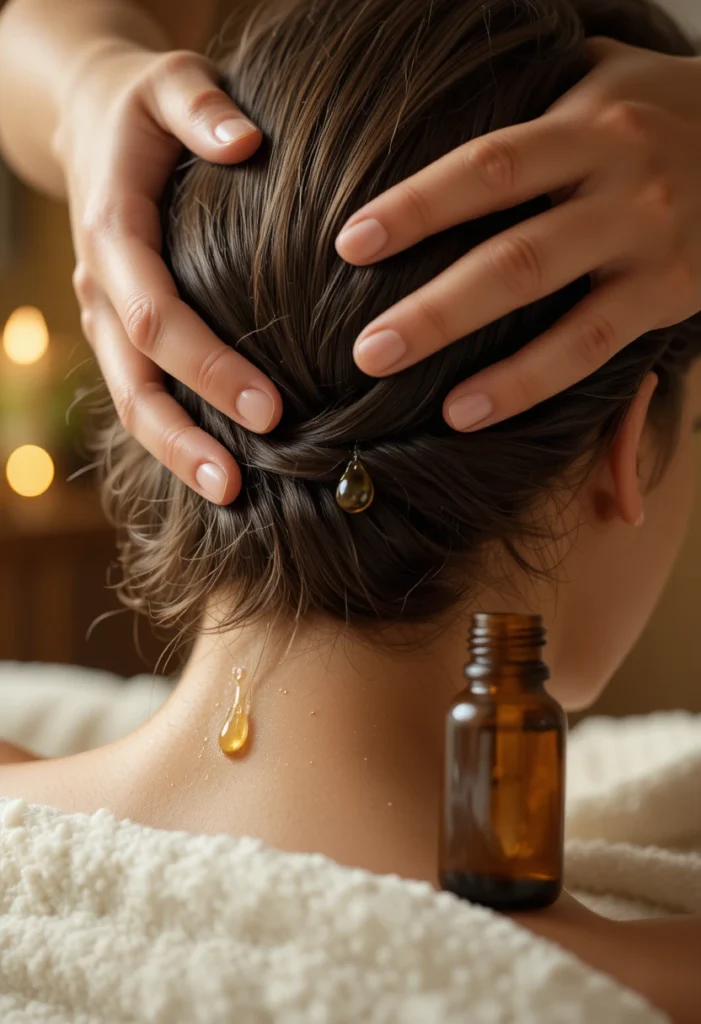
Pairing scalp massage with beneficial essential oils, such as rosemary or peppermint, creates a combined treatment that addresses both physical stimulation and the additional properties these oils offer. Rosemary’s circulation-supporting benefits and peppermint’s cooling, stimulating sensation both complement the mechanical benefits of massage itself.
This combination approach tends to produce more noticeable results than massage or oil application alone, since each element supports and enhances the other’s effectiveness. Diluting essential oils properly with a carrier oil before combining them with massage ensures the scalp receives these added benefits safely and comfortably.
How Long and How Often to Massage Your Scalp
Determining the right duration and frequency for scalp massage depends on individual preference and available time, though most recommendations suggest five to ten minutes per session, performed three to five times per week for meaningful results. Consistency tends to matter more than any single extended session.
Shorter, more frequent massages generally provide more consistent stimulation than occasional longer sessions, since the cumulative effect on circulation and follicle health builds gradually over time. Finding a rhythm that fits naturally into an existing routine, whether during a shower or before bed, helps ensure the practice remains sustainable long-term.
Proper Technique for Effective Scalp Massage
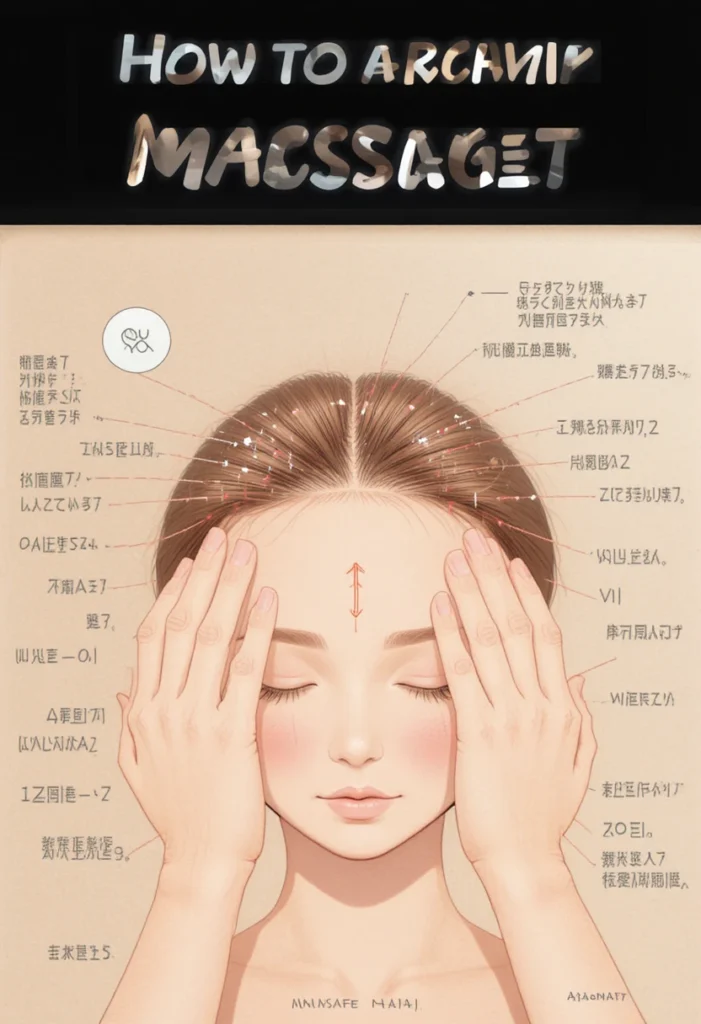
Using the right technique significantly influences how effective a scalp massage actually is. Applying firm but comfortable pressure with the pads of the fingers, moving in small circular motions across the entire scalp, tends to stimulate circulation more effectively than light, surface-level touching.
Working systematically from the front of the scalp toward the back, or from the sides toward the crown, ensures even coverage rather than focusing repeatedly on just one area. Avoiding the use of fingernails, which can cause micro-scratches rather than beneficial stimulation, helps ensure the massage remains both safe and genuinely effective for supporting hair health.
Scalp Massage as Part of a Holistic Hair Care Approach
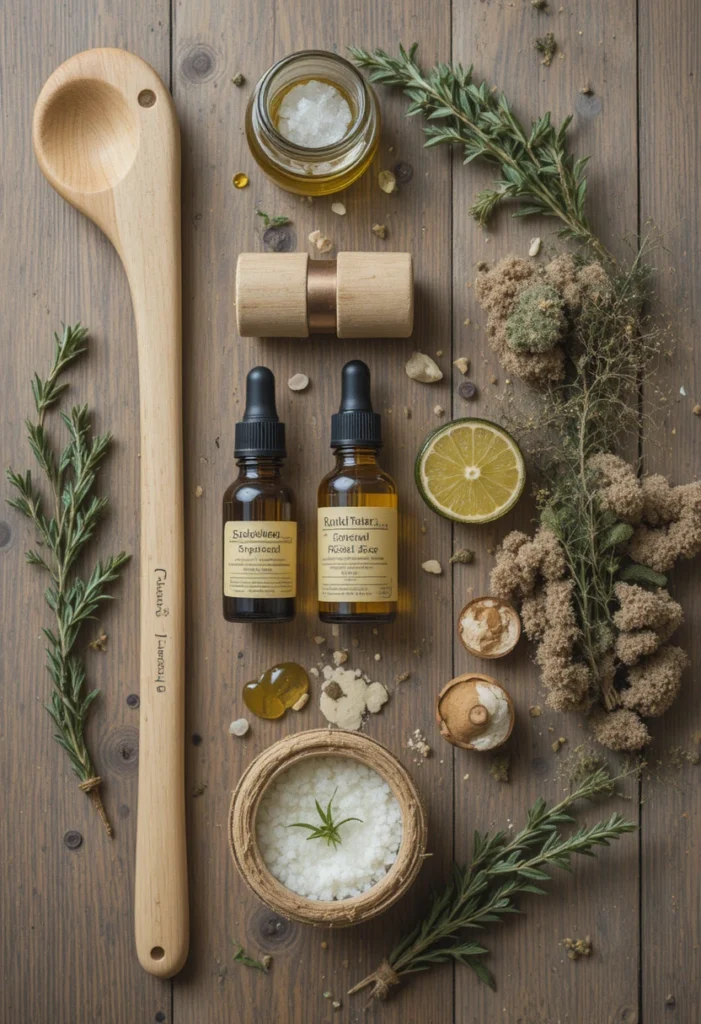
While scalp massage offers meaningful benefits on its own, it works best when incorporated into a broader, holistic approach to hair care that includes proper nutrition, adequate hydration, and gentle handling of the hair itself. Viewing massage as one piece of a larger puzzle, rather than an isolated solution, sets more realistic and ultimately more successful expectations.
This combined approach tends to produce more noticeable and lasting results than relying on massage alone to address significant hair concerns. Pairing consistent massage with other supportive habits creates a comprehensive routine that addresses hair health from multiple angles simultaneously, rather than depending on a single technique to do all the work.
Realistic Expectations for Scalp Massage Results
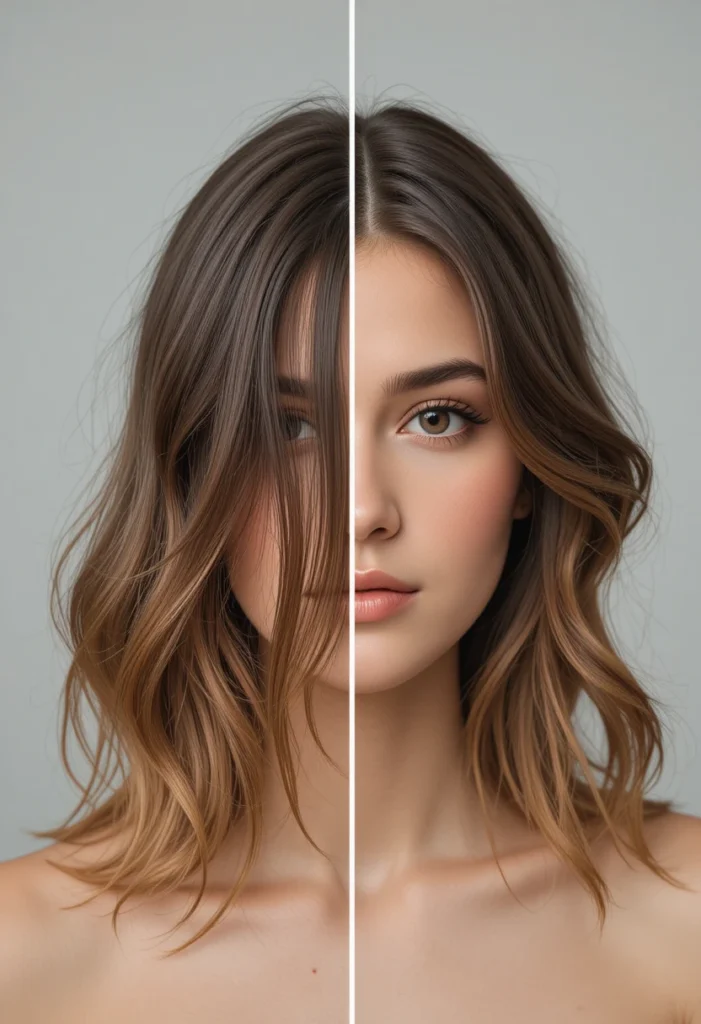
Scalp massage is a gentle, supportive practice rather than a dramatic, fast-acting solution, and understanding this distinction helps maintain realistic expectations throughout the process. Most people who incorporate regular massage into their routine report noticing improvements in scalp comfort and hair texture within a few weeks, while more significant growth-related changes typically take several months to become apparent.
Patience remains essential, since hair growth itself operates on a biological timeline that can’t be rushed regardless of how consistently massage is performed. Recognizing this and committing to the practice as a long-term habit, rather than expecting overnight transformation, tends to lead to a more sustainable and ultimately rewarding experience.
Conclusion
Scalp massage offers a simple, accessible way to support healthier hair growth by improving circulation, reducing stress, and creating better conditions for follicles to thrive. With just a few consistent minutes each week, this gentle practice can become a meaningful, lasting part of your journey toward stronger, fuller hair.

Mehboob Ahmad is the founder and writer behind BeautyVibeWorld. With a genuine passion for skincare, makeup, and everyday beauty routines, Mehboob started this platform to share simple, practical, and research-backed advice that real people can actually use without the confusion of conflicting trends and overhyped products.
Every article on BeautyVibeWorld is written with care, backed by research, and regularly updated to stay accurate and relevant. Mehboob believes good beauty advice should be honest, easy to follow, and free of unnecessary complexity.
Outside of writing, Mehboob enjoys exploring new beauty trends and staying up to date with the latest in skincare and haircare research to keep bringing fresh, reliable content to BeautyVibeWorld readers.