
Weak, overly stretchy, or constantly breaking hair often points to a deeper issue that moisture alone can’t fix. A proper protein treatment for hair addresses this by rebuilding the internal structure that keeps strands strong and resilient. This article explores everything you need to understand about protein treatments and how to use them effectively for genuinely healthier hair.
What Protein Treatments Actually Do for Hair
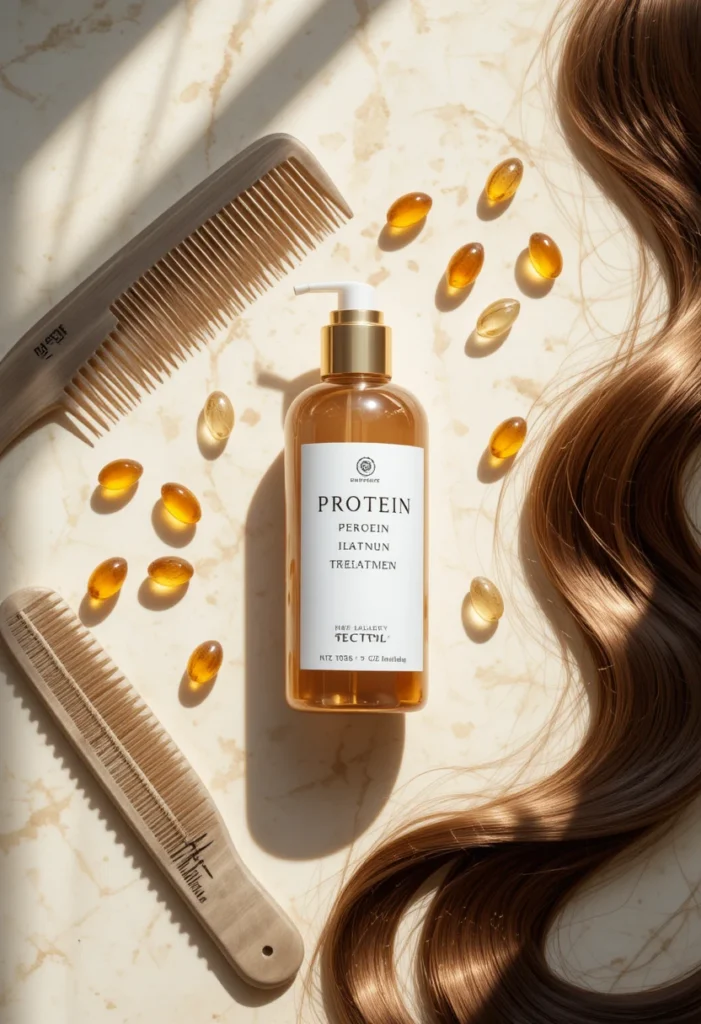
Hair is primarily composed of a protein called keratin, and over time, factors like heat styling, chemical treatments, and everyday environmental exposure break down this protein structure. A protein treatment works to replenish what’s been lost, filling in gaps along the hair shaft and temporarily reinforcing areas that have become weak or damaged.
This process isn’t about adding something foreign to the hair, but rather restoring a more natural balance to its existing structure. When protein levels are adequately maintained, hair regains much of its elasticity and strength, becoming noticeably more resistant to the kind of breakage that occurs when strands are stretched or manipulated during everyday styling and handling.
Signs Your Hair Needs a Protein Treatment
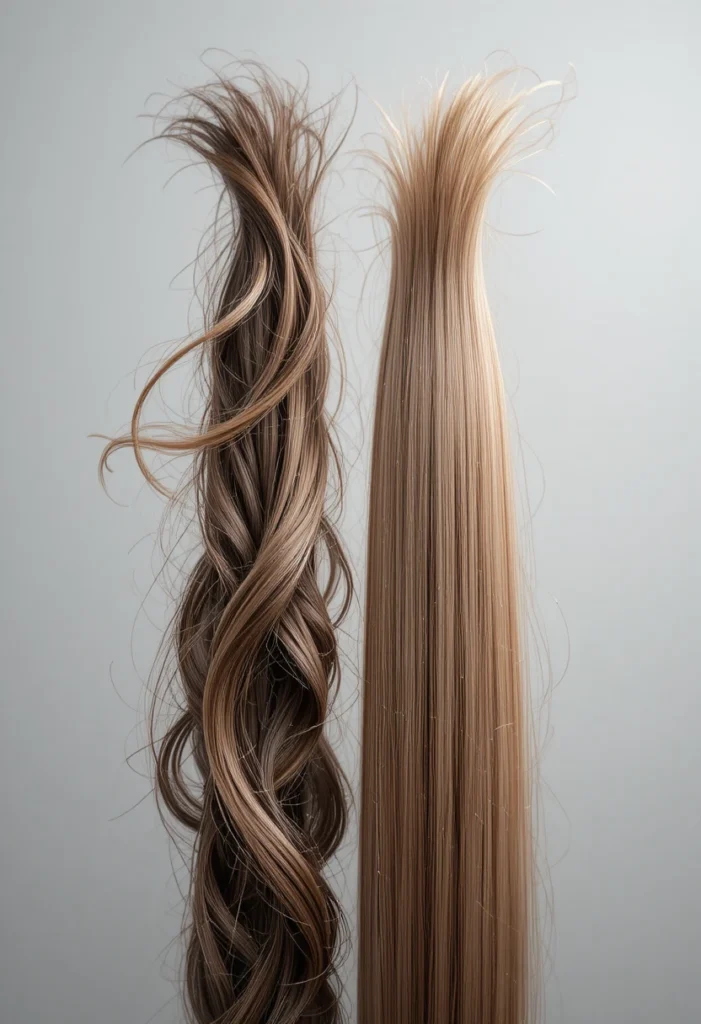
Recognizing when hair actually needs protein, rather than assuming it does, is an important first step. Hair that feels excessively stretchy when wet, snapping easily rather than springing back into shape, often indicates a protein deficiency. Similarly, hair that seems to lose its curl pattern or hold onto styles poorly despite otherwise healthy-looking strands can point toward the same underlying issue.
Increased shedding, a mushy or gummy texture when wet, and hair that tangles excessively are additional signs worth paying attention to. It’s worth noting that some of these symptoms can overlap with moisture deficiency, which is why understanding the specific cause before jumping into a protein treatment helps avoid using the wrong solution for the actual problem.
The Difference Between Protein and Moisture Needs
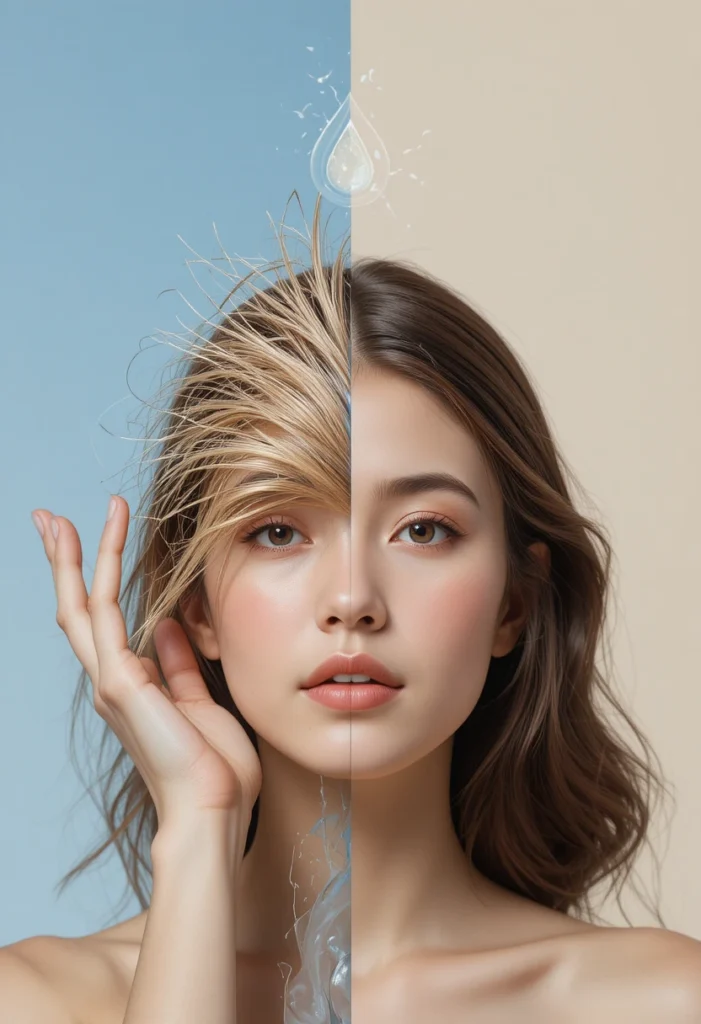
One of the most common mistakes people make with hair care is confusing protein deficiency with moisture deficiency, since both can present as dry, brittle-feeling hair. However, the underlying issues and their solutions are quite different, and treating one when the other is actually the problem often leads to frustration and continued hair struggles.
Hair lacking moisture tends to feel rough, dry, and frizzy, while hair lacking protein feels weak, overly elastic, and prone to snapping rather than just feeling dry. Learning to distinguish between these two conditions, sometimes through simple observation of how hair behaves when wet versus dry, is essential for choosing the right treatment rather than guessing and potentially worsening the existing imbalance.
How Often You Should Use Protein Treatments
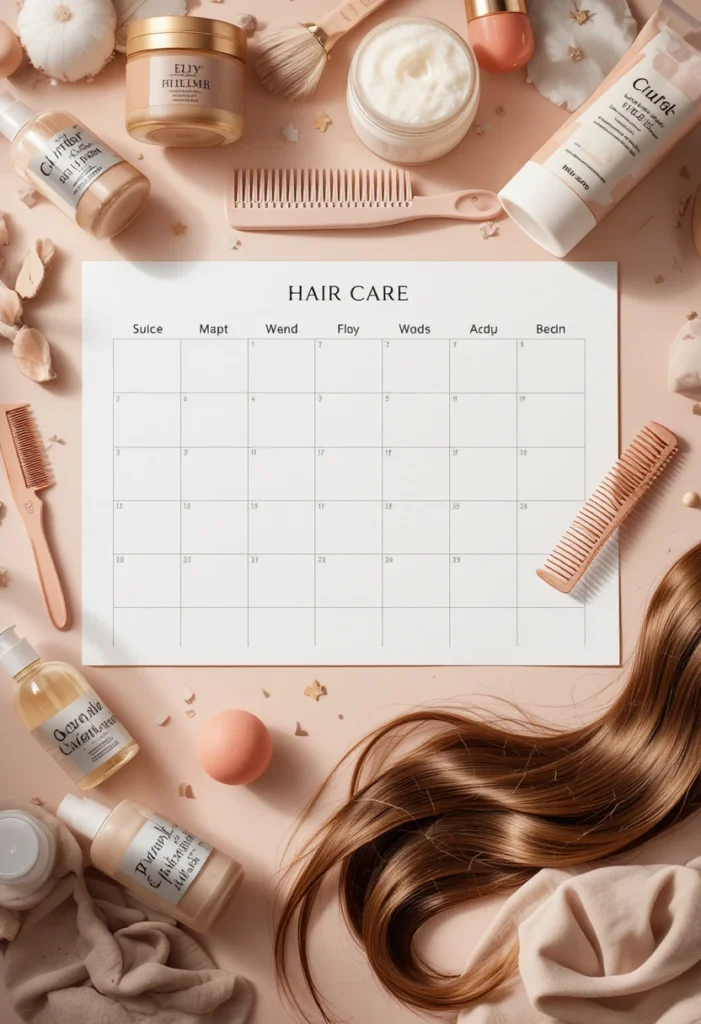
Protein treatments aren’t meant to be used as frequently as regular conditioning, since overdoing protein can actually make hair feel stiff, brittle, and more prone to breakage rather than less. Most hair types benefit from a protein treatment every four to six weeks, though this can vary depending on how much damage or chemical processing the hair regularly undergoes.
Hair that’s heavily color-treated, chemically straightened, or frequently heat-styled may require slightly more frequent protein support, sometimes every two to three weeks, to keep up with the ongoing structural stress. On the other hand, healthier, less processed hair often does well with protein treatments spaced out further, sometimes just once every couple of months.
Types of Protein Used in Hair Treatments
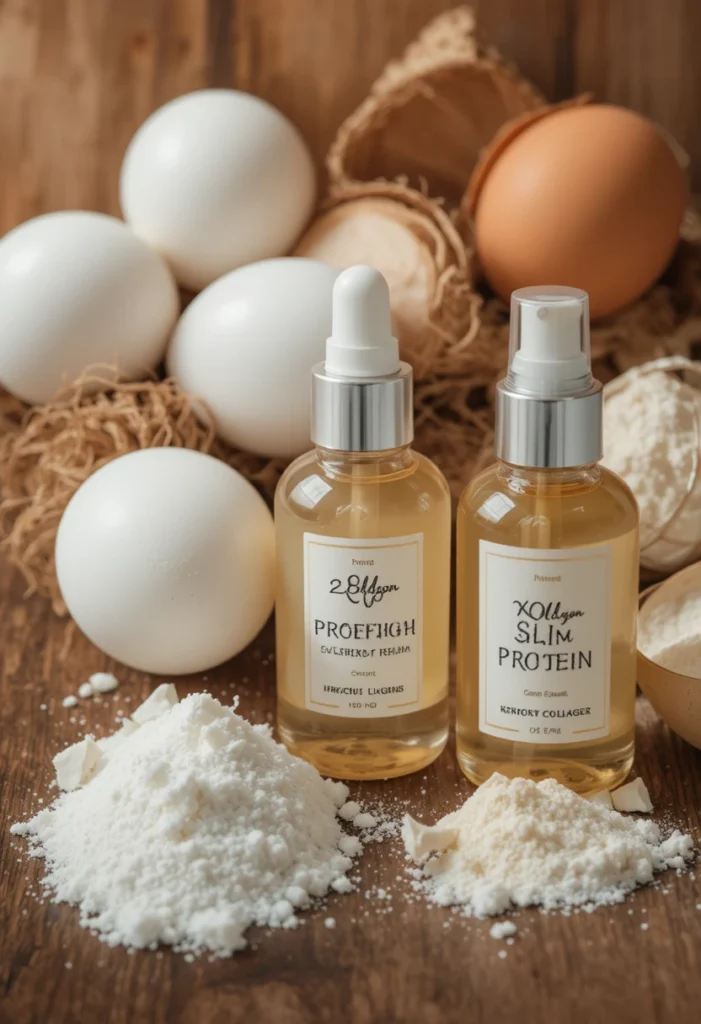
Not all proteins used in hair treatments are the same size or work in the same way, which affects how they interact with the hair shaft. Hydrolyzed proteins, broken down into smaller molecules, penetrate more deeply into the hair, making them effective for addressing damage from within rather than just coating the surface.
Larger protein molecules, by contrast, tend to sit more on the surface of the hair, offering a temporary smoothing effect without penetrating as deeply. Understanding which type of protein a product uses can help in choosing the right treatment for specific needs, particularly for those dealing with more severe internal damage that requires deeper repair rather than just surface-level improvement.
Balancing Protein Treatments With Moisture
Even when protein is genuinely needed, using it without adequate moisture support afterward often leads to hair that feels hard, dry, or straw-like. This is why most effective hair care routines pair protein treatments with a follow-up deep conditioning or moisture-focused treatment, ensuring hair doesn’t end up overloaded with protein and lacking the hydration it needs to feel soft and pliable.
This balance is often referred to as the protein-moisture balance, and maintaining it requires paying attention to how hair responds after each type of treatment. Hair that feels stiff after a protein treatment likely needs more moisture follow-up, while hair that continues feeling weak despite regular conditioning may need more consistent protein support to address the underlying issue properly.
Read also:15+ Scalp Massage Benefits Hair Growth: Awaken Your Follicles for Fuller, Healthier Hair
DIY Protein Treatments Using Natural Ingredients
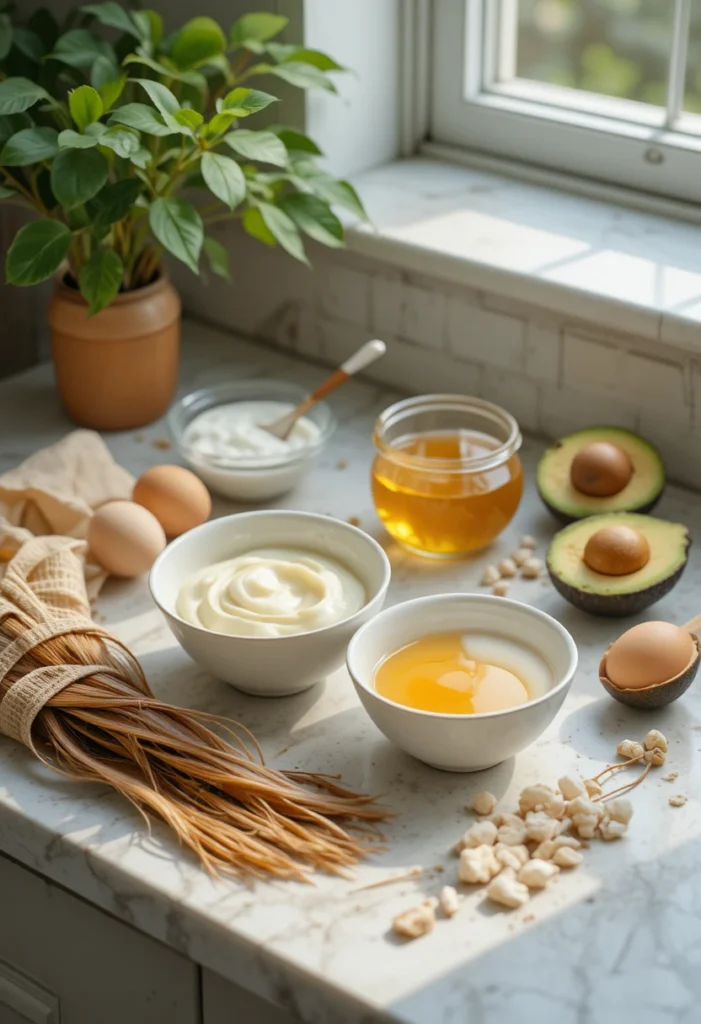
For those who prefer a more natural approach, several household ingredients can provide effective protein support without needing store-bought formulas. Eggs, rich in protein, are one of the most commonly used natural options, applied directly to the hair and left on for a set period before rinsing thoroughly with cool water to avoid cooking the protein onto the strands.
Yogurt and gelatin are other accessible options that offer similar benefits, providing a gentler protein boost compared to the more concentrated formulas found in commercial treatments. While these natural alternatives may not penetrate as deeply as hydrolyzed proteins in professional products, they offer a lower-cost, accessible way to support hair health for those just beginning to incorporate protein treatments into their routine.
Choosing the Right Protein Treatment for Your Hair Type
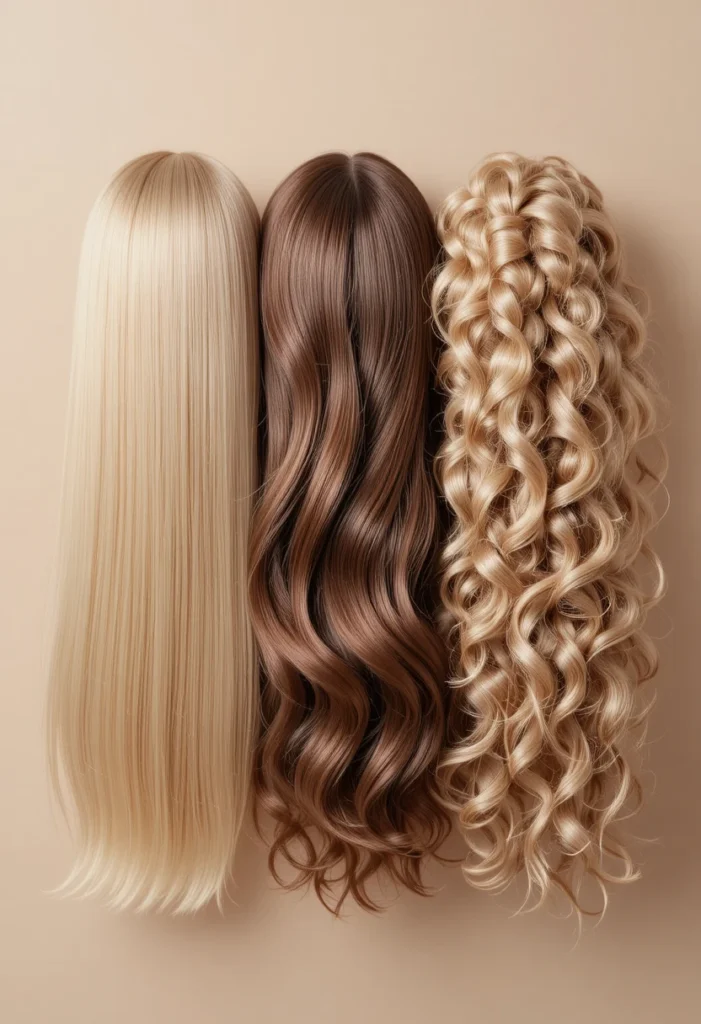
Different hair types and conditions call for different approaches to protein treatment, and selecting the right one significantly influences how effective the treatment ultimately becomes. Fine hair often benefits from lighter, more diluted protein formulas, since heavier treatments can weigh it down or make it feel stiff rather than strengthened.
Thicker, coarser, or more heavily damaged hair, on the other hand, often tolerates and even requires stronger, more concentrated protein treatments to see meaningful results. Considering not just hair type but also the specific type and extent of damage present helps in choosing a treatment that addresses the actual need rather than applying a generic solution that might not deliver the intended benefits.
Signs of Protein Overload and How to Fix It
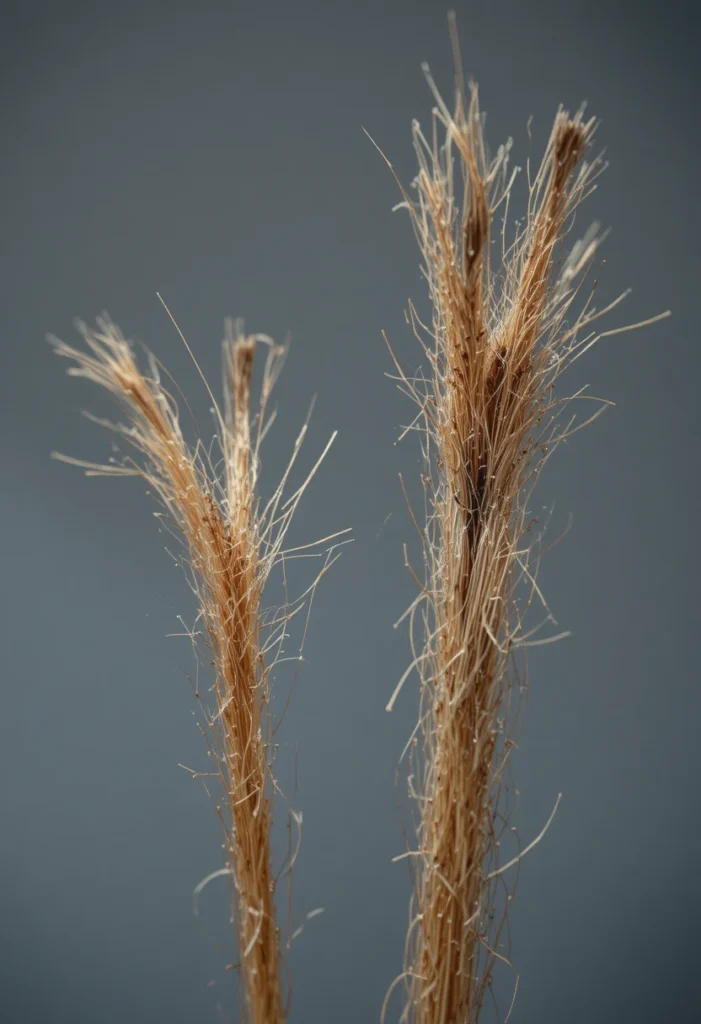
Just as protein deficiency causes problems, too much protein can create its own set of issues, often referred to as protein overload. Hair in this state typically feels dry, stiff, and unusually brittle, sometimes even more prone to breakage than before the treatment, which can be confusing for those expecting improvement rather than a new problem.
If protein overload is suspected, stepping back from protein treatments entirely for several weeks while focusing exclusively on moisture-rich products typically helps restore balance. Clarifying the hair beforehand can also help remove any residual protein buildup, giving the hair a cleaner slate to begin rebuilding a healthier, more balanced routine moving forward.
Long-Term Benefits of Consistent Protein Treatment

When used correctly and in proper balance with moisture, consistent protein treatments contribute to noticeably stronger, more resilient hair over time. Strands that once broke easily during brushing or styling often become more capable of withstanding everyday manipulation, reducing the overall appearance of thinning caused by excessive breakage rather than actual hair loss.
This long-term resilience also translates into better results from other hair care efforts, since hair that’s structurally sound tends to hold color, respond better to styling, and generally look healthier overall. Rather than viewing protein treatments as an occasional fix, incorporating them thoughtfully into a broader, balanced routine tends to produce the most meaningful and lasting improvements in overall hair health.
Conclusion
A well-balanced protein treatment routine can make the diference between hair that constantly breaks and hair that feels genuinely strong and resilient. By understanding your hair’s specific needs and pairing protein support with adequate moisture, you can build a routine that keeps your strands healthy for the long run.

Mehboob Ahmad is the founder and writer behind BeautyVibeWorld. With a genuine passion for skincare, makeup, and everyday beauty routines, Mehboob started this platform to share simple, practical, and research-backed advice that real people can actually use without the confusion of conflicting trends and overhyped products.
Every article on BeautyVibeWorld is written with care, backed by research, and regularly updated to stay accurate and relevant. Mehboob believes good beauty advice should be honest, easy to follow, and free of unnecessary complexity.
Outside of writing, Mehboob enjoys exploring new beauty trends and staying up to date with the latest in skincare and haircare research to keep bringing fresh, reliable content to BeautyVibeWorld readers.