

Regular time in the pool or ocean comes with a hidden cost for your hair, one that often shows up as dryness, discoloration, or brittleness if left unaddressed. A dedicated hair care for swimmers routine can help offset this damage significantly, keeping strands healthy even with frequent water exposure. This article covers everything swimmers need to know to protect their hair without giving up the activity they love.
Why Swimming Takes a Toll on Hair Health

Chlorinated pool water and saltwater ocean swims both introduce significant stress to the hair shaft, though through slightly different mechanisms. Chlorine works as a strong oxidizing agent, stripping away natural oils and breaking down the proteins that give hair its strength and elasticity, often leaving strands feeling dry and rough after just a single swim.
Saltwater, while sometimes perceived as a gentler alternative, can be equally dehydrating due to its high mineral content, which draws moisture out of the hair shaft through osmosis. Understanding these distinct yet equally damaging effects helps explain why swimmers need a more deliberate hair care approach than those who don’t regularly expose their hair to these environments.
Wetting Hair Before Swimming to Reduce Absorption

One of the most effective preventative steps swimmers can take is thoroughly wetting hair with clean, fresh water before entering a pool or the ocean. Hair that’s already saturated with clean water has less capacity to absorb the chlorinated or salt water it will be exposed to during the swim, significantly reducing overall damage.
This simple pre-swim habit works because hair, like a sponge, can only hold so much liquid at once. By filling that capacity with clean water beforehand, less room remains for the more damaging chlorinated or salty water to be absorbed, offering a surprisingly effective layer of protection with minimal extra effort required.
Applying a Protective Leave-In Conditioner
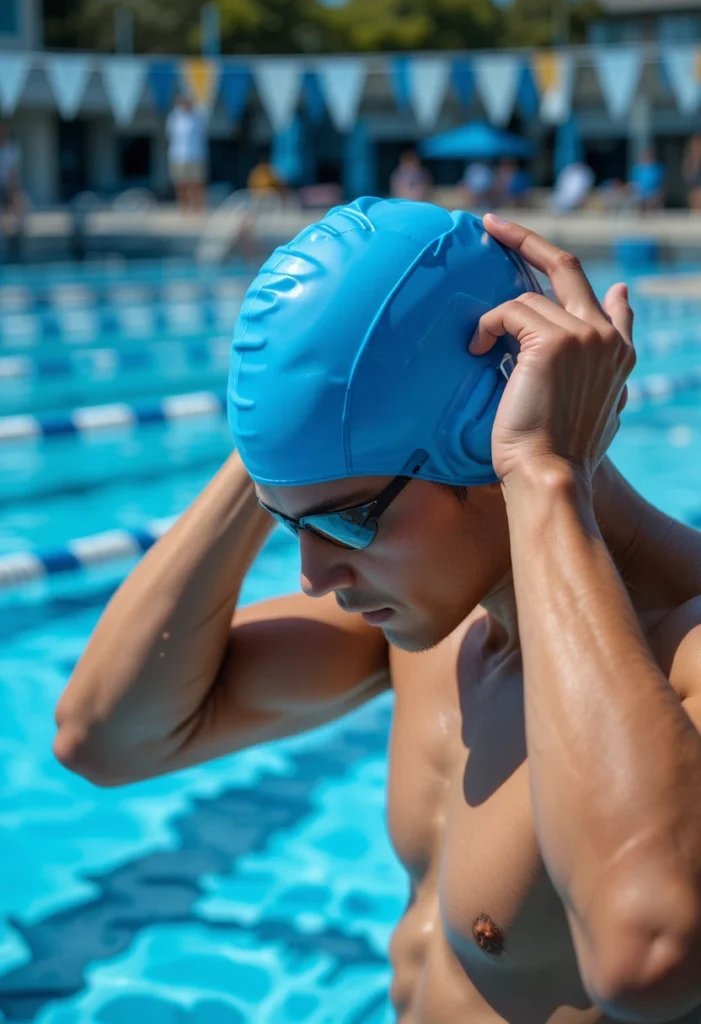
Before getting into the water, applying a leave-in conditioner or specialized swim protectant creates an additional barrier between hair and the chlorinated or salt water it’s about to encounter. This coating helps minimize direct contact between the damaging elements in the water and the hair shaft itself.
Choosing a leave-in product specifically formulated for swimmers, often containing silicones or other protective agents, tends to offer more robust protection than a standard daily leave-in conditioner. This extra step, though easy to skip in the rush to get into the water, makes a noticeable difference in how hair feels and looks after repeated swimming sessions.
Using a Swim Cap for Maximum Protection

For those serious about minimizing hair damage from swimming, a well-fitted swim cap remains one of the most effective protective measures available. By creating a physical barrier between hair and water, a swim cap significantly reduces the amount of chlorine or salt water that comes into contact with the hair shaft in the first place.
While swim caps aren’t always perfectly watertight, especially for those with thicker or longer hair, even partial protection makes a meaningful difference over time. Combining a swim cap with pre-wetting and a leave-in protectant underneath creates a multi-layered defense that offers the best possible protection for regular swimmers.
Rinsing Hair Immediately After Swimming
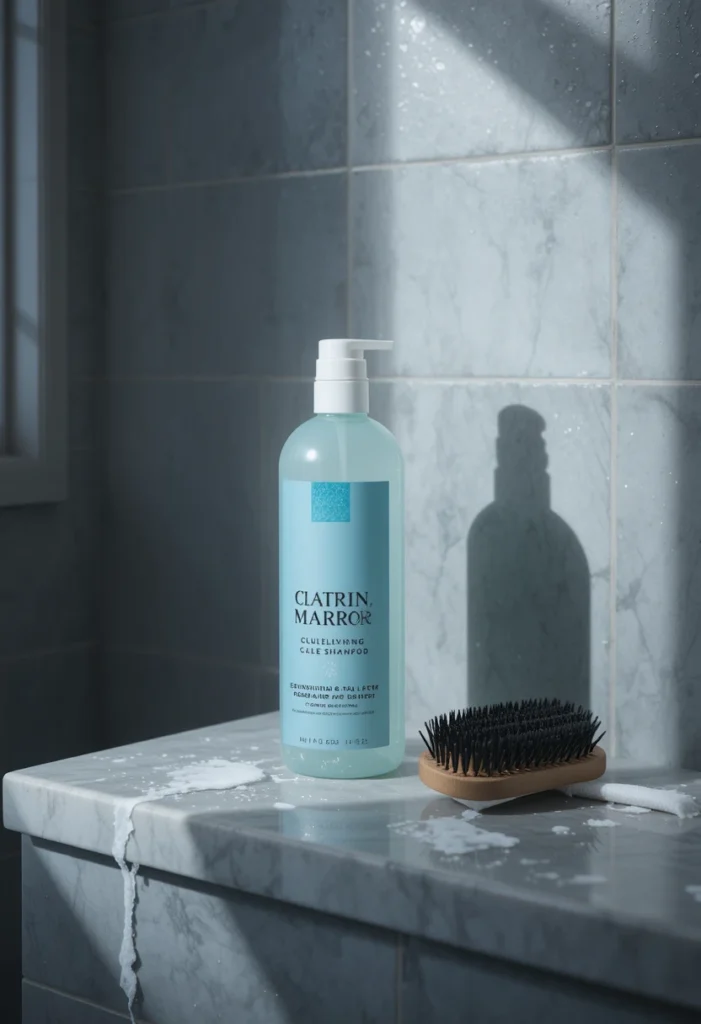
The period immediately following a swim is critical for minimizing lasting damage, making a prompt, thorough rinse with clean water an essential habit. This rinse helps remove much of the chlorine or salt residue before it has extended time to continue affecting the hair shaft after leaving the pool or ocean.
Delaying this rinse, even by an hour or two, allows these damaging elements more time to sit on the hair, potentially causing greater cumulative damage than a prompt rinse would allow. Making this immediate post-swim rinse a non-negotiable habit, rather than an optional step, significantly improves long-term hair health for regular swimmers.

Using a Clarifying Shampoo Weekly

Given how much residue chlorine and saltwater can leave behind, incorporating a clarifying shampoo into a weekly routine helps ensure this buildup doesn’t accumulate to problematic levels. These stronger cleansing formulas are specifically designed to remove the kind of mineral and chemical residue that regular shampoo often struggles to fully eliminate.
Using a clarifying shampoo too frequently, however, can lead to excessive dryness, so limiting this deeper cleanse to once a week, followed immediately by a nourishing conditioner, strikes the right balance for most swimmers. This routine addition becomes particularly important during periods of frequent swimming, such as summer months or competitive swim seasons.
Read also:10+ Almond Nail Shape Designs: Elevate Your Manicure with Elegant, Timeless Style
Deep Conditioning to Combat Chronic Dryness
Regular swimmers need more intensive moisture support than the average person, given how consistently their hair is exposed to drying elements. Incorporating a deep conditioning treatment at least once or twice a week helps replenish the moisture that chlorine and salt water repeatedly strip away.
Choosing a deep conditioner rich in hydrating ingredients and, when possible, protein-repairing components addresses both the moisture loss and structural damage that swimming causes simultaneously. This more frequent deep conditioning schedule, compared to what non-swimmers might need, helps prevent the cumulative dryness that often leads to more serious breakage over time.
Addressing Green Tinge From Chlorine Exposure

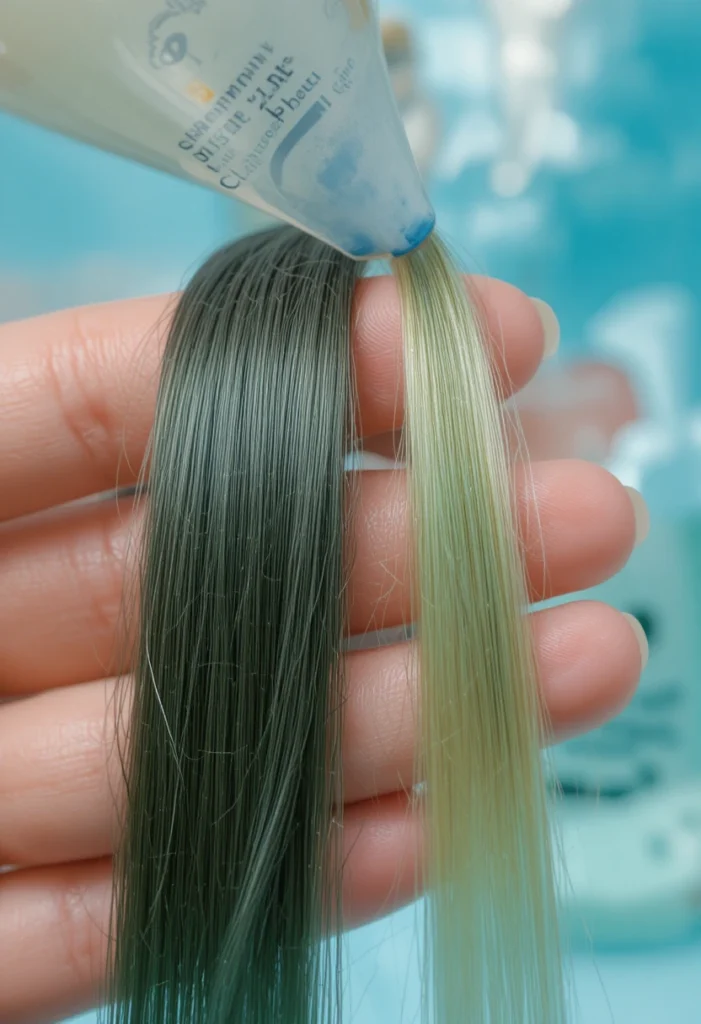
A common frustration among swimmers, particularly those with lighter or color-treated hair, is the greenish tinge that can develop from repeated chlorine exposure. This discoloration occurs when chlorine interacts with copper and other metals present in pool water, depositing a subtle green cast onto the hair shaft over time.
Using a clarifying shampoo specifically formulated to address this greenish discoloration, or applying a diluted tomato juice or vitamin C treatment, can help neutralize and remove this unwanted tint. Addressing this issue promptly, rather than allowing it to build up over an entire swim season, makes it significantly easier to restore hair’s natural color and shine.
Protecting Color-Treated Hair From Fading

For swimmers who also color their hair, the combination of chlorine exposure and color treatment creates a particularly challenging situation, since both factors independently contribute to faster color fading. Chlorine’s oxidizing properties can quickly break down artificial pigment, sometimes causing noticeable fading after just a few swimming sessions.
Taking extra precautions like wearing a swim cap, applying a protective leave-in conditioner, and using color-safe, sulfate-free shampoo becomes especially important for this group. Combining these protective measures helps extend the life of color treatments despite regular pool or ocean exposure, reducing the need for more frequent and costly salon visits.
Managing Dryness With Regular Oil Treatments
Incorporating regular oil treatments, whether through overnight applications or lighter daily use, helps combat the persistent dryness that comes with frequent swimming. Oils like coconut, argan, or jojoba can help replenish some of the moisture lost during each swim, providing an additional layer of nourishment beyond standard conditioning.
Applying oil before swimming can also serve a dual purpose, offering some protective barrier benefits in addition to post-swim nourishment. This consistent oil incorporation, tailored to individual hair type and specific dryness levels, helps swimmers maintain softer, more manageable hair despite the challenging conditions their hair regularly faces.
Choosing the Right Shampoo and Conditioner for Swimmers

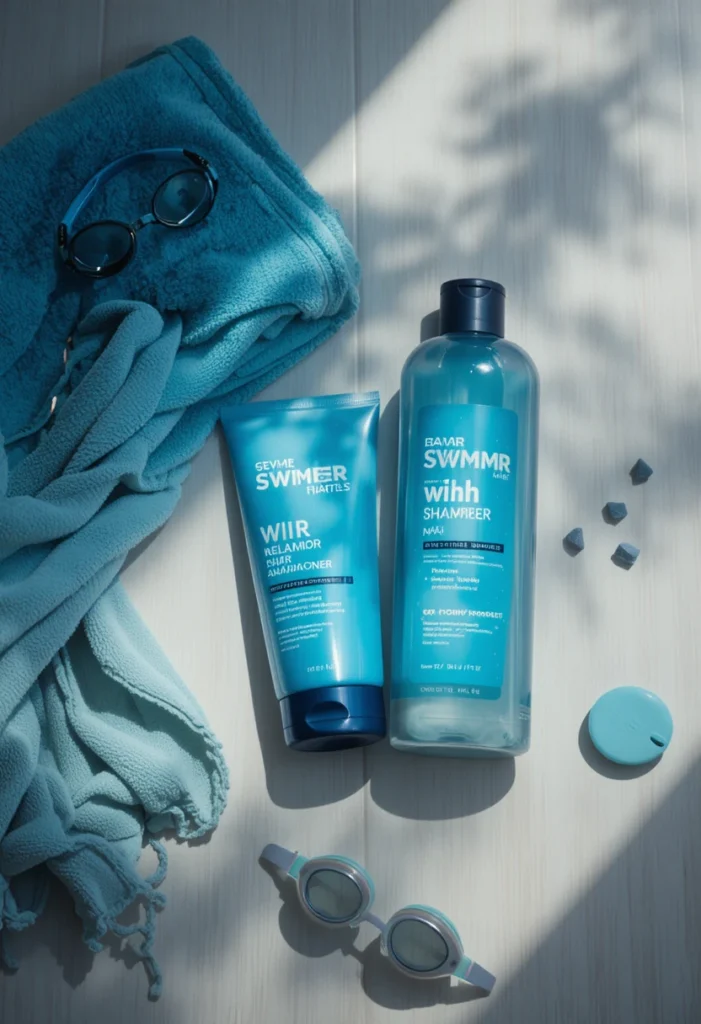
Beyond occasional clarifying treatments, swimmers benefit from using a daily shampoo and conditioner specifically formulated to address the unique challenges of frequent water exposure. Look for formulas containing chelating agents, which help prevent mineral buildup, alongside moisturizing ingredients that counteract the drying effects of chlorine and salt water.
Sulfate-free formulas remain important even for daily use, since sulfates can compound the stripping effects already caused by swimming itself. Investing in quality, swimmer-specific products for daily use, rather than relying solely on occasional deep treatments, creates a more consistent foundation of protection and repair throughout an entire swim season.
Protecting Hair From Sun Exposure While Swimming
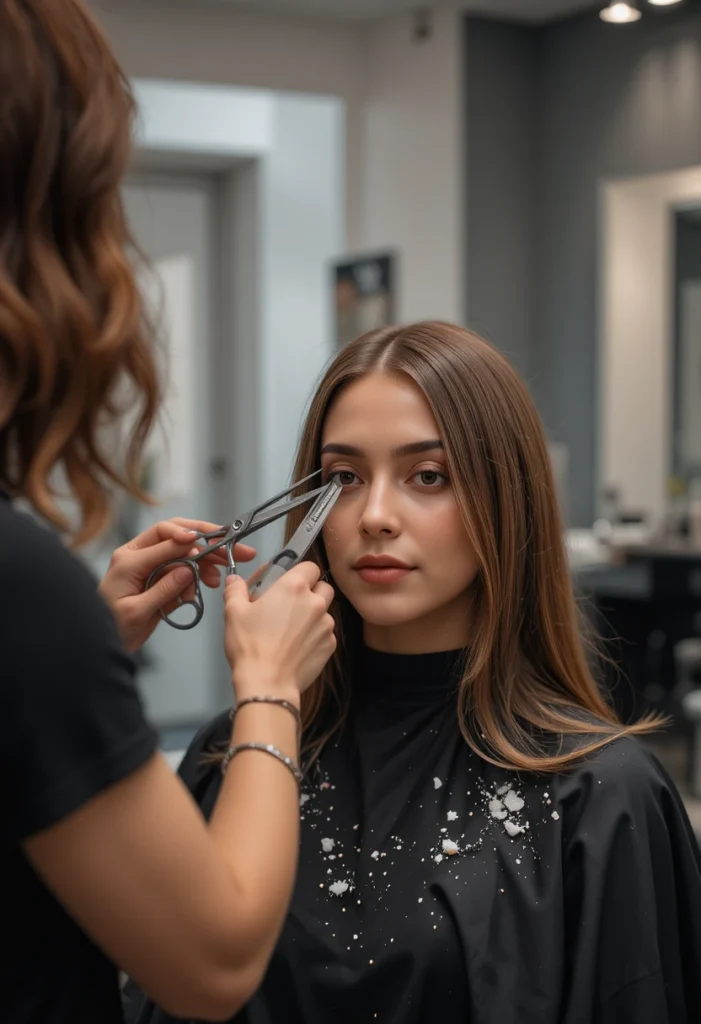
Time spent swimming, particularly outdoors, often comes with significant sun exposure that compounds the damage already caused by chlorine or salt water. UV rays can further break down hair proteins and accelerate color fading, creating a combined effect that’s more damaging than either factor alone.
Wearing a hat when not actively in the water, or using leave-in products with UV protection specifically formulated for swimmers, helps address this additional layer of exposure. This consideration becomes particularly important for those swimming outdoors regularly during summer months, when both chlorine exposure and sun damage are at their peak simultaneously.
Trimming Regularly to Manage Cumulative Damage
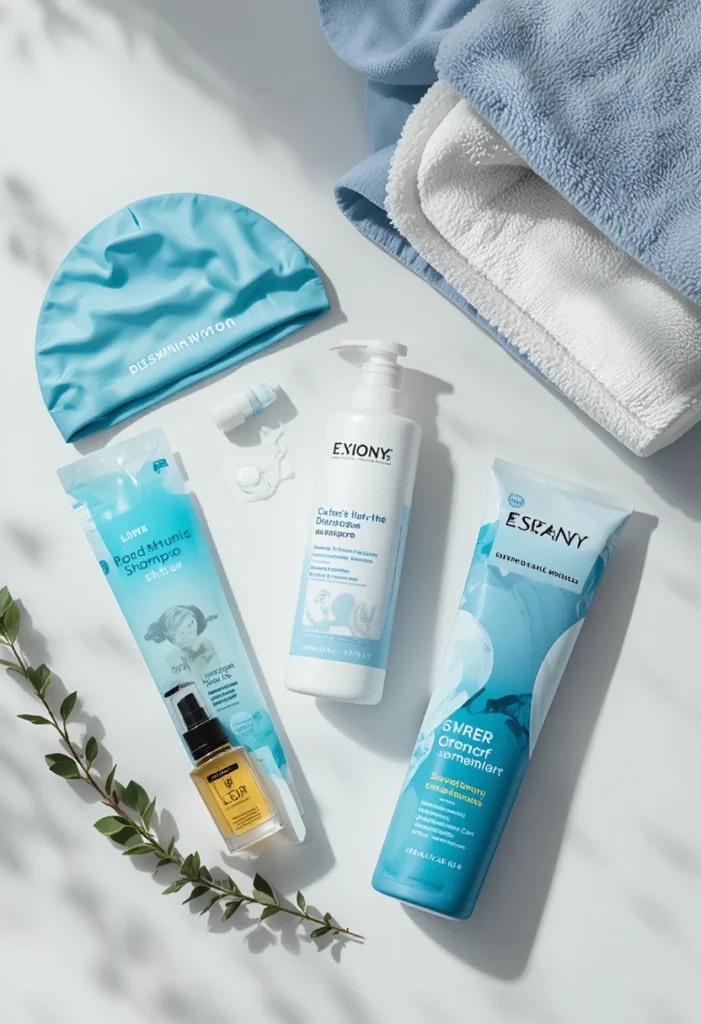
Even with the best protective measures in place, regular swimming still places significant cumulative stress on hair over time, making regular trims an important part of any swimmer’s hair care routine. Split ends and damaged tips tend to develop more quickly under these conditions, and addressing them promptly helps prevent further splitting up the hair shaft.
Scheduling trims every six to eight weeks, rather than waiting until damage becomes severe, helps maintain overall hair health despite the ongoing challenges of frequent water exposure. This proactive approach to trimming works alongside all other protective measures to keep swimmer’s hair looking as healthy as possible throughout an active swim season.
Building a Complete Swim Hair Care Routine

An effective hair care routine for swimmers combines several of these protective and restorative measures into a cohesive system rather than relying on any single technique alone. Pre-swim preparation, prompt post-swim rinsing, weekly clarifying, regular deep conditioning, and consistent trims all work together to offset the ongoing stress that frequent swimming places on hair.
Adjusting this routine based on swim frequency, hair type, and specific concerns like color treatment or chronic dryness ensures the approach remains genuinely effective rather than generic. This comprehensive, tailored strategy allows swimmers to continue enjoying their time in the water without having to sacrifice long-term hair health in the process.
Conclusion
Protecting your hair as a regular swimmer doesn’t mean giving up the sport you love, but it does require a more intentional approach to care both before and after each swim. With the right combination of protective habits and restorative treatments, you can keep your hair healthy, hydrated, and resilient no matter how often you’re in the water.

Mehboob Ahmad is the founder and writer behind BeautyVibeWorld. With a genuine passion for skincare, makeup, and everyday beauty routines, Mehboob started this platform to share simple, practical, and research-backed advice that real people can actually use without the confusion of conflicting trends and overhyped products.
Every article on BeautyVibeWorld is written with care, backed by research, and regularly updated to stay accurate and relevant. Mehboob believes good beauty advice should be honest, easy to follow, and free of unnecessary complexity.
Outside of writing, Mehboob enjoys exploring new beauty trends and staying up to date with the latest in skincare and haircare research to keep bringing fresh, reliable content to BeautyVibeWorld readers.