
Switching to a sulfate-free formula is one of the simplest changes you can make to your hair care routine, yet it often produces some of the most noticeable improvements. Understanding the full range of sulfate free shampoo benefits helps explain why so many people are moving away from traditional formulas for good. This article breaks down exactly what makes this switch worthwhile for so many different hair types and concerns.
What Sulfates Are and Why They’re Used in Shampoo
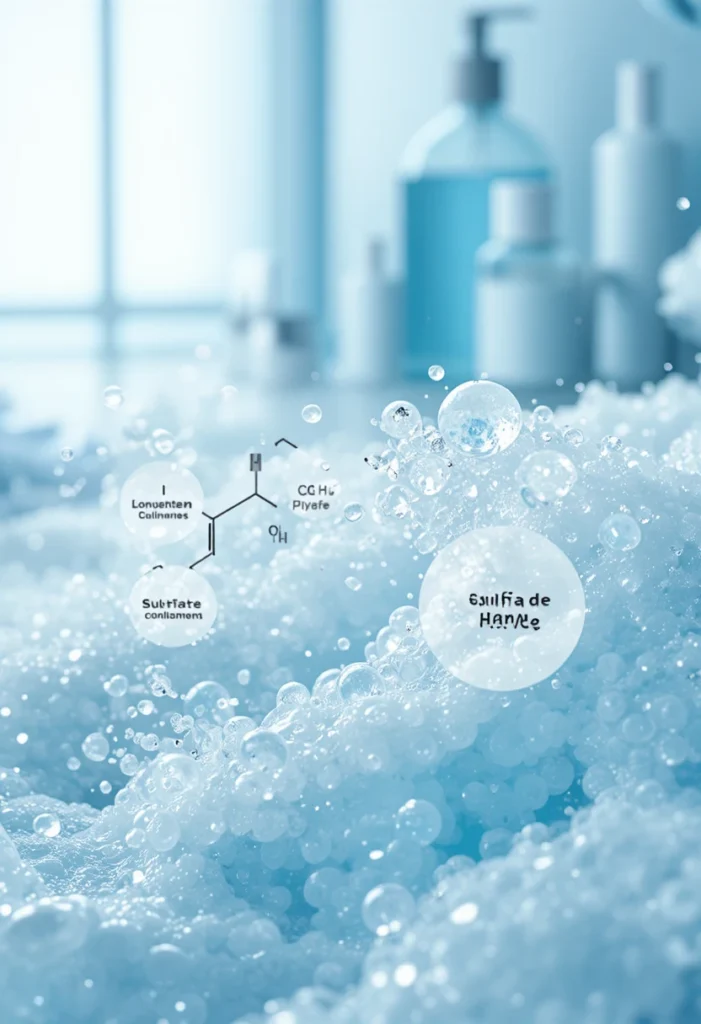
Sulfates are a category of cleansing agents commonly found in traditional shampoos, valued primarily for their ability to create a rich, foamy lather while effectively removing dirt, oil, and product buildup from the hair and scalp. Their strong cleansing power has made them a standard ingredient in mainstream hair care for decades.
However, this same strong cleansing action is also what makes sulfates controversial, since they can be overly harsh for certain hair types and scalp conditions. Understanding this dual nature, effective but potentially aggressive, helps explain why the shift toward sulfate-free shampoo has gained so much traction among people looking for a gentler alternative that still cleanses adequately.
Preventing Excessive Dryness and Stripping
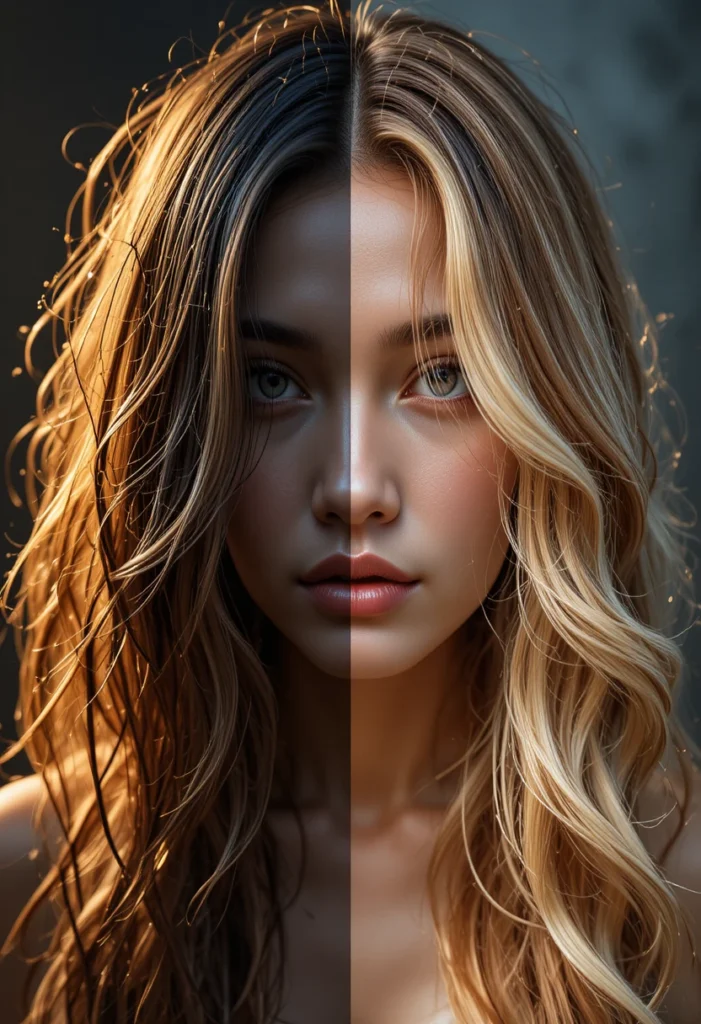
One of the most immediate benefits of switching to a sulfate-free shampoo is a noticeable reduction in dryness after washing. Traditional sulfates can strip away not just dirt and oil, but also the natural oils that hair needs to stay soft and moisturized, leaving strands feeling rough or brittle shortly after cleansing.
Sulfate-free formulas cleanse more gently, allowing hair to retain more of its natural moisture balance throughout the washing process. This is particularly beneficial for those with naturally dry or curly hair types, which tend to struggle more than others when repeatedly exposed to the harsher, more stripping effects of sulfate-based cleansers.
Protecting Color-Treated Hair From Fading
For anyone investing in hair color, whether through highlights, balayage, or a full color change, sulfates pose a genuine threat to how long that color actually lasts. Their strong cleansing action can accelerate pigment loss, causing color to fade more quickly and often unevenly compared to hair washed with gentler formulas.
Switching to sulfate-free shampoo helps preserve color vibrancy for significantly longer, reducing the frequency of costly touch-up appointments. This benefit alone has made sulfate-free formulas a near-universal recommendation among hair colorists, who consistently see better color retention results in clients who commit to this gentler approach to washing.
Read also:15+ Nail Stamping Tutorial Beginner Guide: Master Salon-Quality Designs at Home with Ease
Reducing Scalp Irritation and Sensitivity
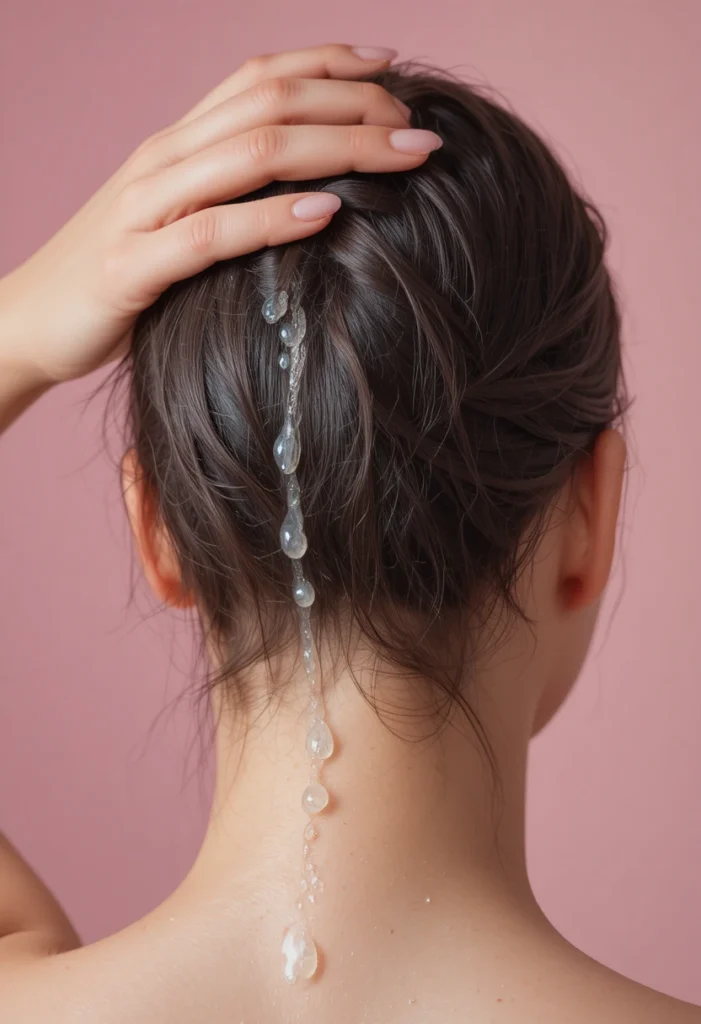
Sulfates can be particularly problematic for those with sensitive skin or existing scalp conditions, as their strong cleansing action sometimes triggers irritation, redness, or increased itchiness. This reaction can worsen conditions like eczema or psoriasis when they occur on the scalp, making an already uncomfortable situation more difficult to manage.
Sulfate-free shampoos, formulated with gentler surfactants, tend to be far more accommodating for sensitive scalps, reducing the likelihood of these irritating reactions. Many people who previously struggled with ongoing scalp discomfort find significant relief simply by switching away from sulfate-based formulas, without needing any additional specialized treatment.
Supporting Curly and Textured Hair Patterns
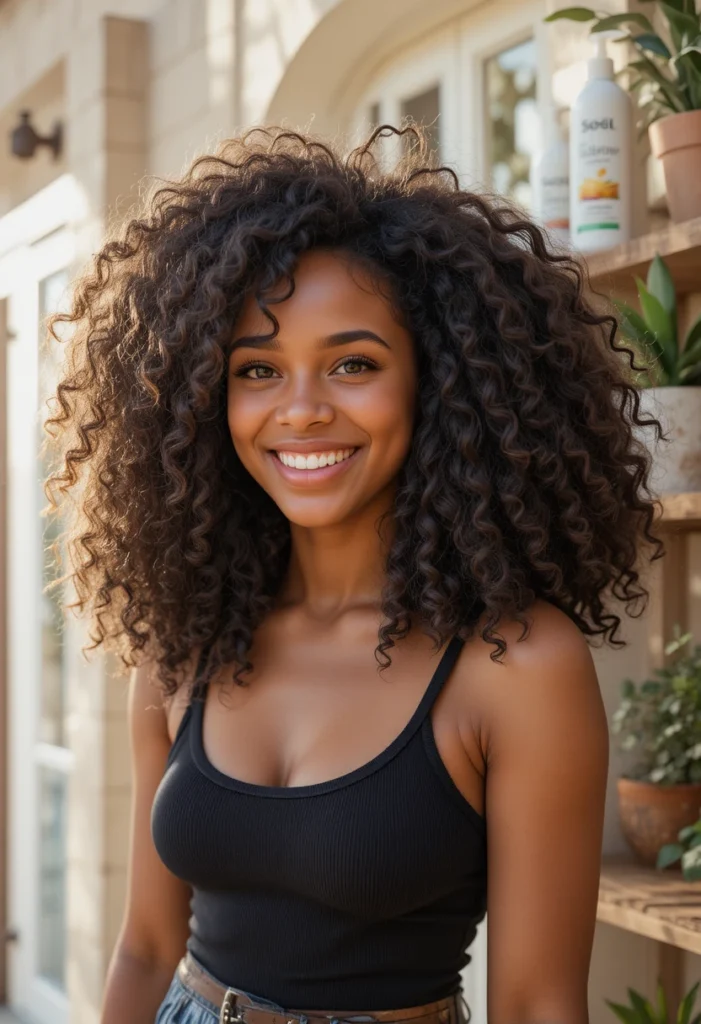
Curly and textured hair types are often more prone to dryness than straighter hair, largely due to the shape of the hair shaft, which makes it harder for natural oils to travel evenly from root to tip. This existing tendency toward dryness makes curly hair particularly vulnerable to the additional stripping effects of sulfate-based shampoos.
Sulfate-free formulas help preserve the natural oils that curly hair relies on to maintain definition and reduce frizz, making them a near-essential choice for anyone with significant natural texture. Many curly hair care routines are now built around avoiding sulfates entirely, recognizing how much of a difference this single change makes in overall curl health and appearance.
Minimizing Frizz Through Gentler Cleansing
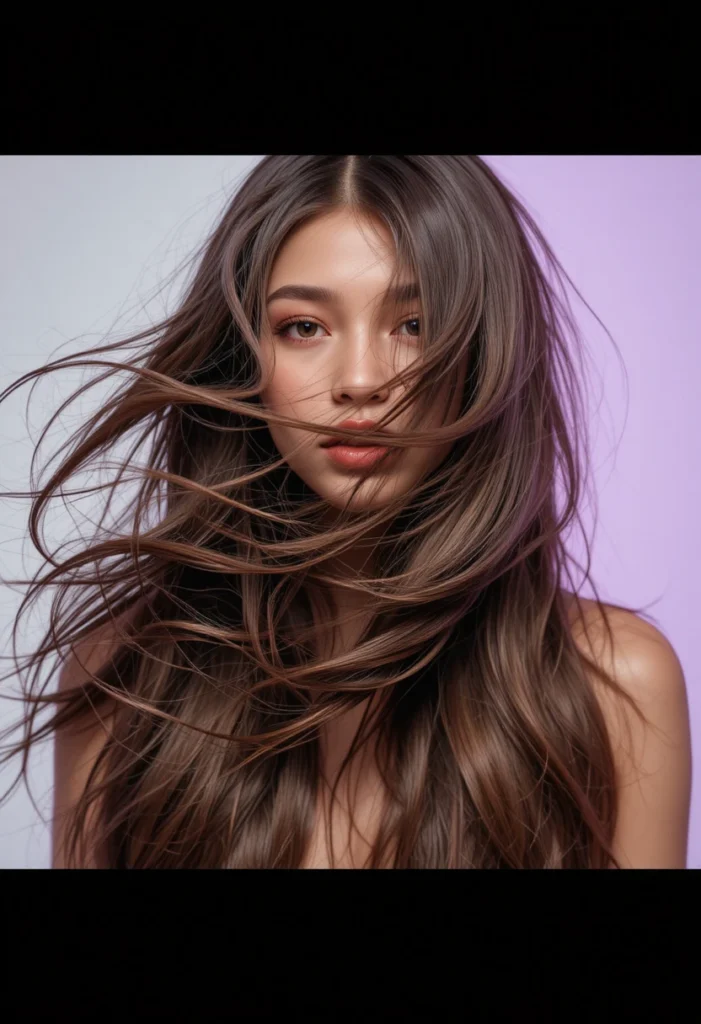
Because sulfates can leave the hair cuticle rougher and more open after washing, they indirectly contribute to increased frizz, particularly in humid conditions. This happens because a disrupted cuticle allows moisture from the air to penetrate unevenly, creating the swollen, frizzy texture that so many people struggle to control.
Switching to a sulfate-free shampoo helps keep the cuticle smoother after washing, providing a better foundation for frizz control throughout the rest of a hair care routine. This benefit becomes especially noticeable when combined with other anti-frizz techniques, since starting with smoother, less disrupted hair makes every subsequent step more effective.
Maintaining the Effectiveness of Other Hair Treatments
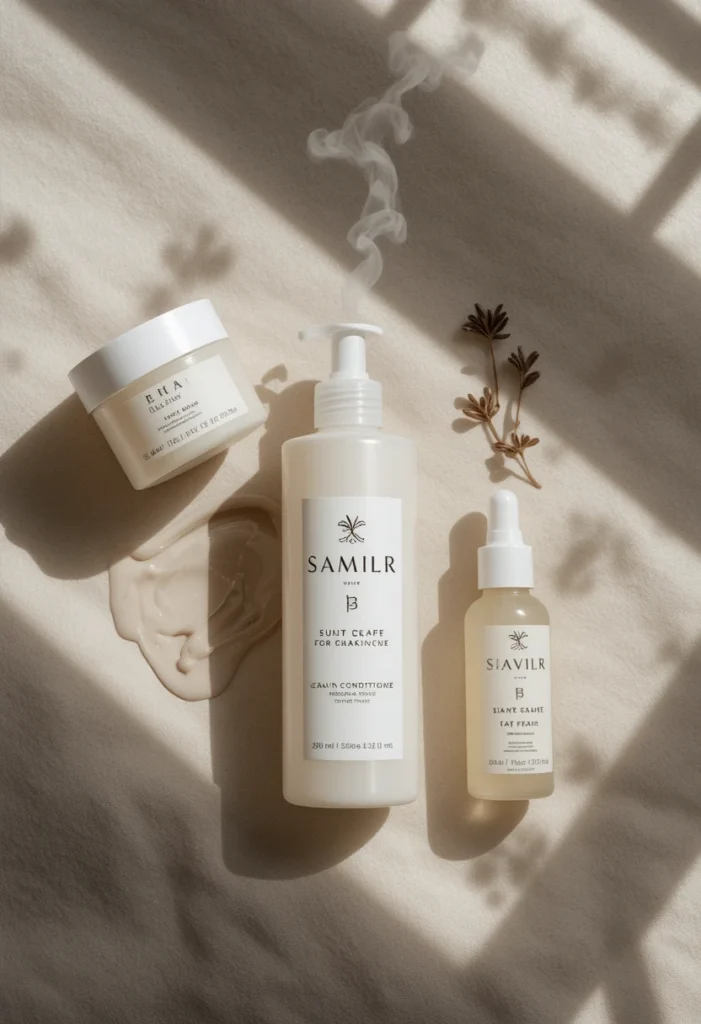
Many specialized hair treatments, from keratin smoothing services to deep conditioning masks, are specifically designed to work best when paired with gentler, sulfate-free cleansing afterward. Using a traditional sulfate-based shampoo following these treatments can quickly strip away their benefits, essentially undoing the investment made in professional or at-home treatments.
This is why most professional recommendations following any significant hair treatment include a switch to sulfate-free products, ensuring the results last as long as possible. Recognizing this connection helps explain why sulfate-free shampoo has become such a standard recommendation across nearly every specialized hair care service available today.
Better Compatibility With Natural Oils and Serums
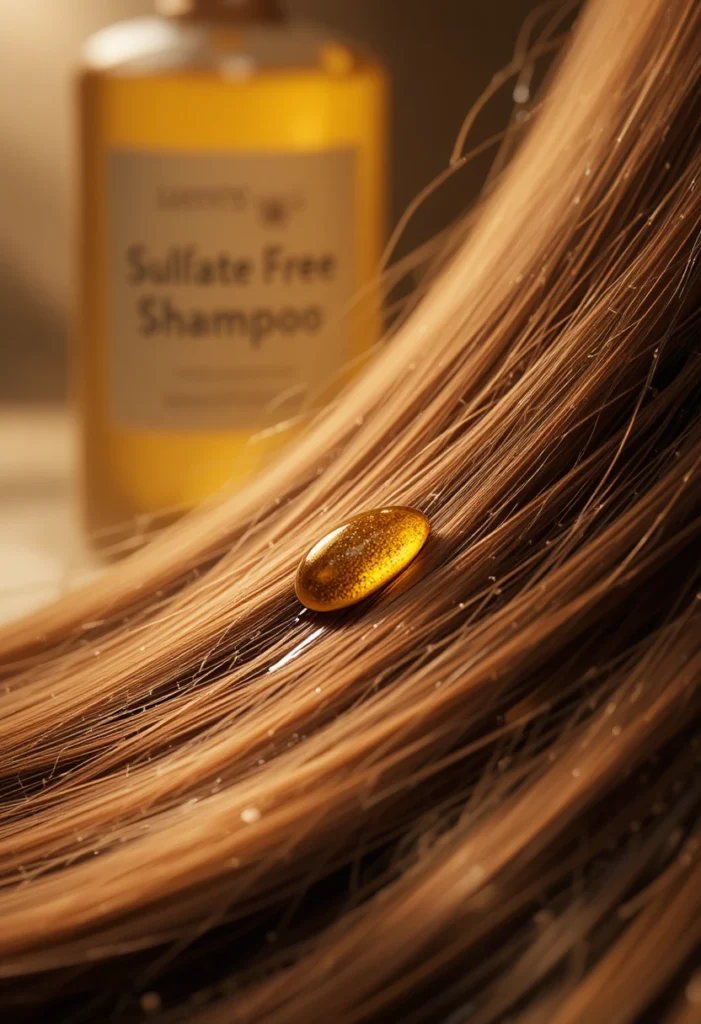
Those who incorporate natural oils, serums, or other lightweight treatments into their hair care routine often find that sulfate-free shampoos work better in tandem with these products. Because sulfate-free formulas don’t strip hair as aggressively, the beneficial effects of oils and serums applied afterward tend to last longer without being immediately counteracted by the next wash.
This improved compatibility creates a more cohesive, effective overall routine, where each product works to support rather than undermine the others. For anyone investing time and money into a broader hair care regimen, this synergy alone makes sulfate-free shampoo a worthwhile foundational choice.
Supporting Healthier Hair for Chemically Treated Strands
Hair that’s been permed, relaxed, or otherwise chemically processed is already more vulnerable and porous than untreated hair, making it particularly sensitive to the harsh stripping effects of sulfate-based shampoos. Continuing to use these stronger formulas on already compromised hair can accelerate further damage and breakage.
Sulfate-free shampoos offer a gentler alternative that helps prevent additional stress on hair that’s already dealing with structural changes from chemical processing. This makes the switch particularly important for anyone maintaining chemically treated hair, where every small choice in a routine can significantly impact how well the hair holds up over time.
Environmental and Ethical Considerations
Beyond the direct benefits to hair and scalp health, many people are drawn to sulfate-free shampoos for broader environmental reasons, since some sulfates have raised concerns regarding their production processes and environmental impact when washed down the drain in large quantities.
While this isn’t a direct hair health benefit, it’s a factor that resonates with a growing number of consumers looking to make more environmentally conscious choices across their entire personal care routine. This consideration, combined with the direct benefits already discussed, often serves as an additional motivating factor for those on the fence about making the switch.
Choosing the Right Sulfate-Free Formula for Your Hair Type
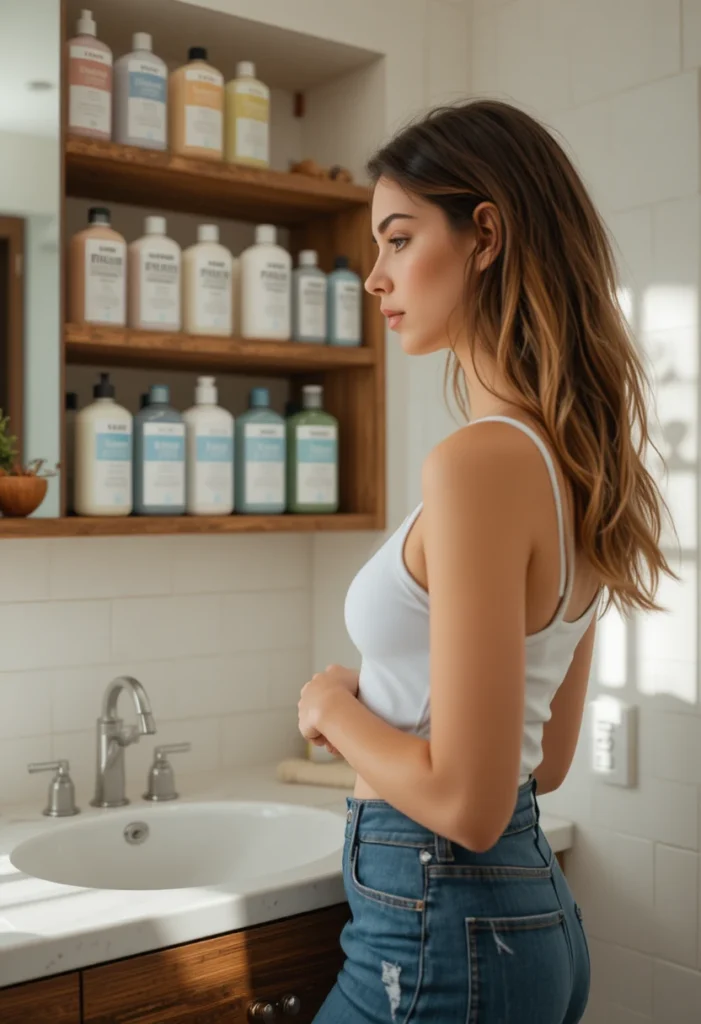
Not all sulfate-free shampoos are created equal, and selecting the right formula for a specific hair type and concern makes a significant difference in overall satisfaction with the switch. Those with oilier scalps may need to look for sulfate-free formulas with slightly stronger cleansing agents to ensure adequate oil removal, while those with drier hair can lean toward the gentlest options available.
Reading ingredient lists and paying attention to how hair responds during the first few washes helps identify whether a particular sulfate-free formula is genuinely working well or needs to be swapped for a different option. This period of adjustment and observation is a normal part of transitioning to sulfate-free products, and it’s worth the effort to find the right match rather than assuming any sulfate-free label guarantees satisfaction.
What to Expect During the Transition Period
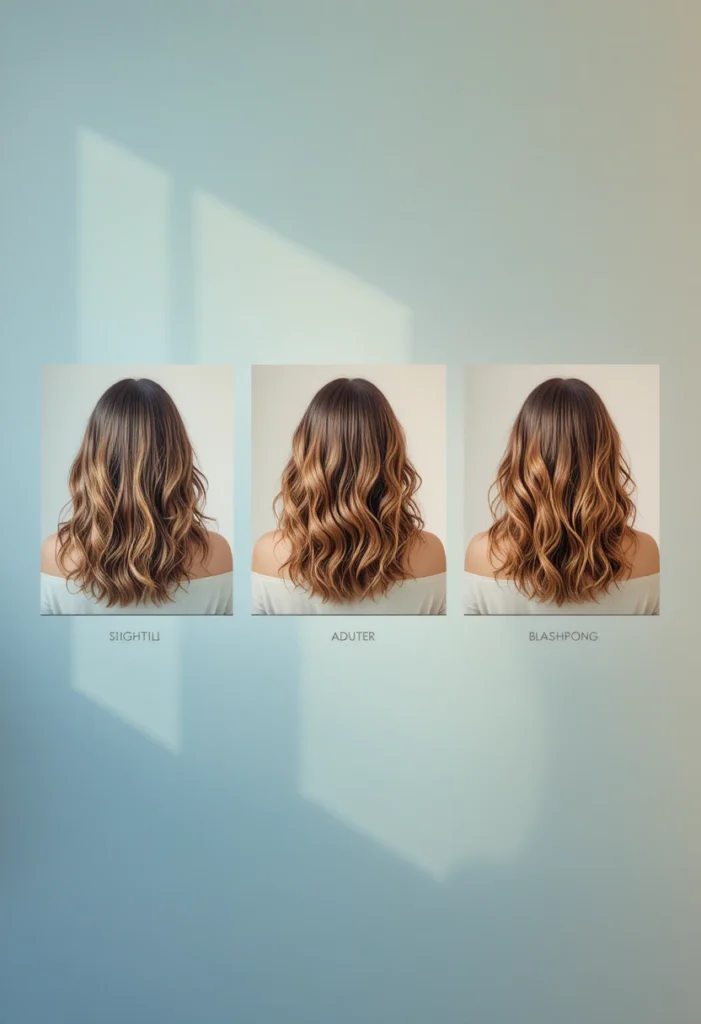
Switching from sulfate-based to sulfate-free shampoo sometimes involves a brief adjustment period, particularly for those who have used stronger, more stripping formulas for years. Hair and scalp may take a few washes to recalibrate, sometimes feeling slightly different in texture or oiliness during this initial transition.
Understanding that this adjustment period is normal, rather than assuming the new shampoo simply isn’t working, helps prevent premature switching back to old habits before the true benefits have had a chance to become apparent. Most people find that within two to three weeks, their hair and scalp settle into a noticeably healthier, more balanced state that makes the initial transition well worth the patience.
Conclusion
Switching to a sulfate-free shampoo offers a simple yet meaningful way to protect your hair’s natural moisture, preserve color, and support a healthier scalp overall. With a little patience during the transition and the right formula for your specific needs, this small change can lead to noticeably softer, more resilient hair over time.

Mehboob Ahmad is the founder and writer behind BeautyVibeWorld. With a genuine passion for skincare, makeup, and everyday beauty routines, Mehboob started this platform to share simple, practical, and research-backed advice that real people can actually use without the confusion of conflicting trends and overhyped products.
Every article on BeautyVibeWorld is written with care, backed by research, and regularly updated to stay accurate and relevant. Mehboob believes good beauty advice should be honest, easy to follow, and free of unnecessary complexity.
Outside of writing, Mehboob enjoys exploring new beauty trends and staying up to date with the latest in skincare and haircare research to keep bringing fresh, reliable content to BeautyVibeWorld readers.