

Cold air, indoor heating, and harsh winds team up every winter to leave hair feeling parched, brittle, and difficult to manage. These winter hair care tips are designed specifically to counteract the season’s toughest challenges, helping you maintain soft, hydrated strands from the first frost through the final thaw.
Why Winter Weather Is So Harsh on Hair
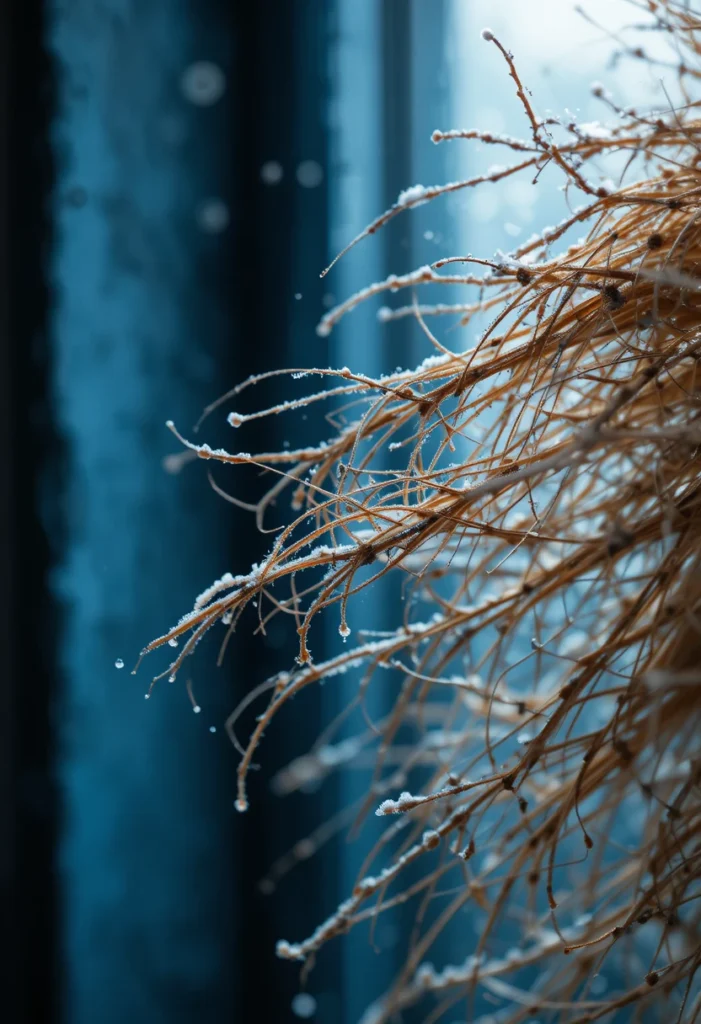
Cold outdoor air holds significantly less moisture than warmer air, and this dryness pulls hydration directly from hair, leaving it prone to brittleness and static. Combined with the dry heat pumped through indoor spaces during winter months, hair faces a near-constant assault on its natural moisture levels from both outside and inside environments.
This double exposure explains why so many people notice their hair becoming noticeably drier, frizzier, or more prone to breakage specifically during colder months, even without changing their regular hair care routine. Recognizing this seasonal shift is the first step toward adjusting habits to better protect hair throughout the winter season.
Switching to a More Hydrating Shampoo

The shampoo that worked perfectly well during summer months may not provide enough moisture to counteract winter’s drying effects. Switching to a more hydrating, sulfate-free formula during colder months helps ensure hair isn’t stripped of its already limited natural oils during regular washing.
Look for shampoos containing ingredients like glycerin, shea butter, or hyaluronic acid, which actively support moisture retention rather than simply cleansing. This seasonal product adjustment, though small, often makes a meaningful difference in how hair feels day to day throughout the winter months.
Reducing Wash Frequency During Winter

Washing hair too frequently strips away natural oils that become even more precious during winter, when the scalp already struggles to maintain adequate moisture levels. Reducing wash frequency, even slightly, allows these natural oils to build up a bit more, providing an extra layer of protection against the season’s drying effects.
Using dry shampoo between washes helps manage any oil buildup without requiring a full wash, making this transition easier for those accustomed to daily washing. This simple adjustment, extending time between washes by even a day or two, can noticeably improve how hydrated and manageable hair feels throughout the colder months.
Deep Conditioning More Frequently in Winter
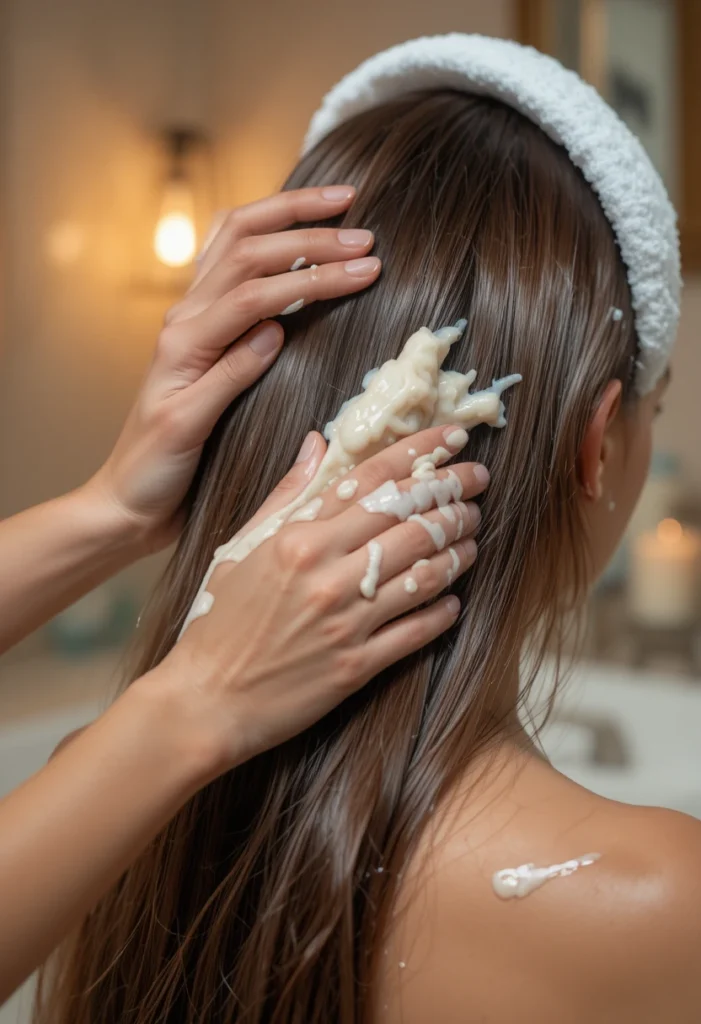
Given how much additional moisture winter conditions strip from hair, increasing the frequency of deep conditioning treatments becomes an important seasonal adjustment. What might have been a weekly treatment during other seasons often needs to become a twice-weekly habit during the driest winter months.
Choosing a richer, more intensive deep conditioner than what’s used during warmer months helps address the heightened moisture needs winter creates. This increased attention to deep conditioning helps prevent the kind of cumulative dryness that, left unaddressed, often progresses into more serious breakage by the end of the season.
Read also:10+ Chrome Nails Tutorial DIY: Unlock Stunning Mirror-Shine Nails at Home
Protecting Hair From Indoor Heating Systems

Indoor heating, while keeping living spaces comfortable, significantly reduces humidity levels, creating an environment that continuously draws moisture out of hair throughout the day. This constant, often overlooked exposure compounds the drying effects already caused by cold outdoor air.
Using a humidifier in frequently occupied indoor spaces helps counteract this effect, adding moisture back into the air that both skin and hair can benefit from. This adjustment, while requiring an additional household item, addresses a significant and often underestimated contributor to winter hair dryness that many people don’t initially consider.
Wearing Protective Styles to Minimize Exposurec

Loose, exposed hair faces the brunt of cold wind and dry air throughout the day, making protective hairstyles a practical strategy during winter months. Braids, buns, and other styles that keep hair more contained reduce the surface area exposed to harsh outdoor conditions, minimizing overall moisture loss.
These protective styles also reduce the friction between hair and winter clothing like scarves and hats, which can otherwise cause additional breakage and frizz. Incorporating more protective styling throughout the coldest months offers a practical, low-effort way to shield hair from some of winter’s most damaging elements.
Choosing the Right Hat Without Causing Damage

While hats provide valuable protection from cold and wind, certain fabrics can create friction that roughens the hair cuticle, ironically contributing to the very dryness and frizz a hat is meant to help prevent. Wool and other rough-textured materials are particularly prone to causing this kind of friction damage.
Opting for hats lined with silk or satin, or adding a thin silk scarf underneath a regular hat, helps reduce this friction significantly. This small adjustment allows hair to stay protected from the cold without sacrificing the smoothness and moisture that a proper winter hair care routine works hard to maintain.
Limiting Heat Styling During Winter Months

Hair that’s already struggling with winter dryness is particularly vulnerable to the additional stress caused by heat styling tools. Using flat irons, curling wands, or blow dryers at high temperatures during a season when hair is already compromised can accelerate damage far more quickly than during other times of the year.
Reducing heat styling frequency, or at minimum lowering the temperature settings used, helps prevent compounding winter’s natural drying effects with additional thermal stress. For those unwilling to give up heat styling entirely, always using a quality heat protectant becomes even more essential during these colder months.
Incorporating Hair Oils Into Daily Routine
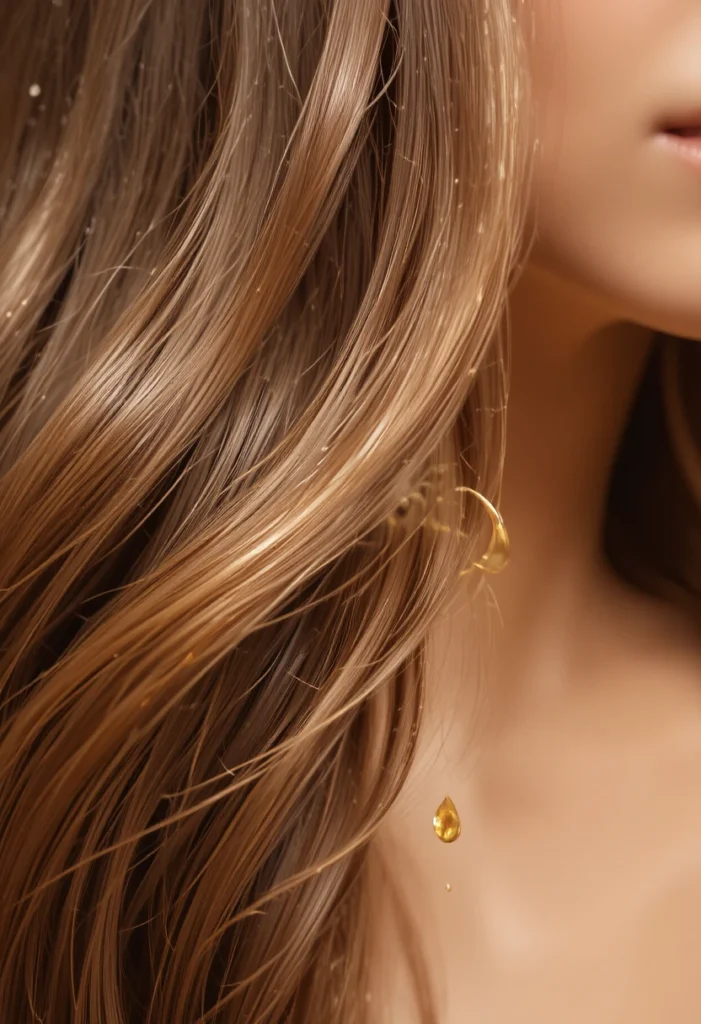
Lightweight hair oils become an increasingly valuable tool during winter, helping to seal in moisture and provide an additional protective barrier against harsh outdoor conditions. Applying a small amount to the ends after washing, or even as a midday refresh, helps combat the persistent dryness winter conditions create.
Oils like argan, jojoba, or marula work particularly well for this seasonal purpose, offering hydration without excessive heaviness. Making oil application a consistent daily habit throughout winter, rather than an occasional treatment, provides ongoing protection that helps hair better withstand the season’s challenging conditions.
Avoiding Hot Water When Washing Hair
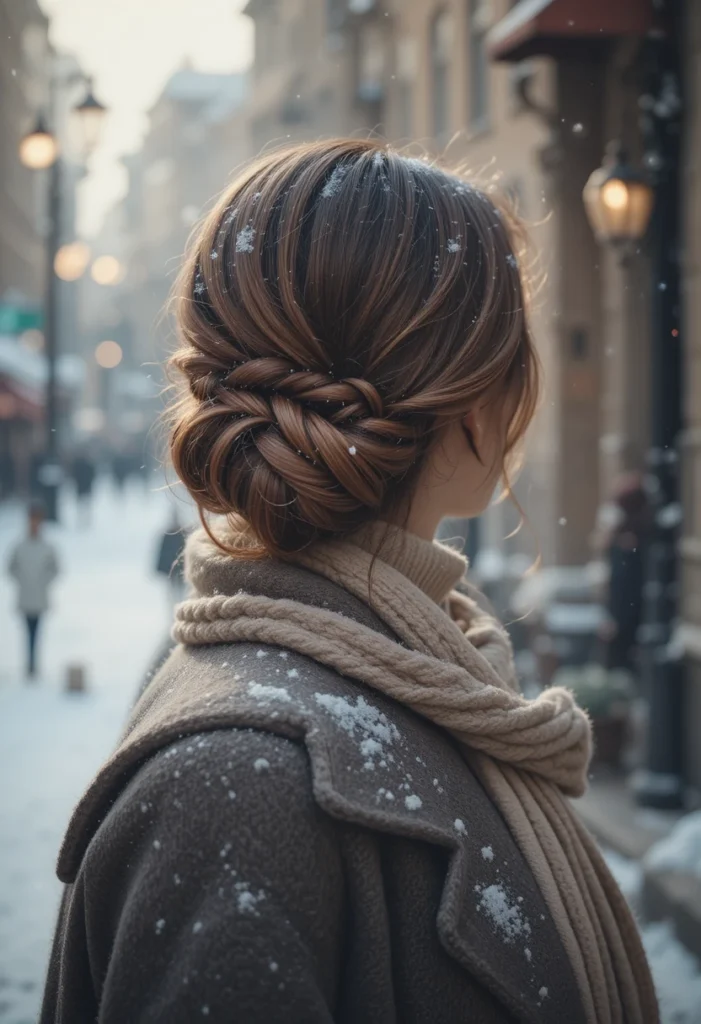
Hot water might feel comforting during cold winter months, but it can be particularly damaging to hair that’s already struggling with dryness. Hot water strips away natural oils more aggressively than lukewarm or cool water, compounding the moisture loss hair experiences from environmental factors alone.
Adjusting shower temperature to lukewarm, especially during the final rinse, helps preserve more of the hair’s natural oils and keeps the cuticle smoother. This small adjustment, though it might feel less indulgent during a cold winter shower, makes a genuine difference in how hydrated and manageable hair remains throughout the season.
Managing Static and Flyaways in Dry Winter Air

The combination of dry air and increased friction from winter clothing often leads to noticeable static and flyaways, adding another layer of frustration to already dry, difficult-to-manage hair. This static occurs because dry hair loses electrons more easily, causing strands to repel each other and stand on end.
Using a small amount of leave-in conditioner or a lightweight anti-static spray can help neutralize this effect, keeping hair looking smoother throughout the day. Running a dryer sheet lightly over hair, or misting a hairbrush with a small amount of water before use, are additional quick fixes that many people find effective during particularly dry, static-prone days.
Protecting Hair From Wind Damage

Strong winter winds can cause significant tangling and mechanical stress on hair, leading to increased breakage from the friction created as strands rub against each other. This wind-related damage often goes unnoticed until hair starts feeling noticeably rougher or more prone to knots than usual.
Tying hair back or braiding it before heading outside on particularly windy days helps minimize this friction and resulting damage. This simple precaution, combined with other protective measures already covered, adds another layer of defense against the various ways winter weather can compromise hair health throughout the season.
Increasing Water Intake to Support Hair From Within

While topical treatments address external moisture needs, adequate water intake also plays a supporting role in maintaining hair hydration from within. Winter months often see reduced water consumption compared to summer, since the body doesn’t signal thirst as strongly in colder weather despite similar hydration needs.
Making a conscious effort to maintain consistent water intake throughout winter supports overall hydration levels that indirectly benefit hair health alongside all the topical measures already discussed. This internal approach works best when combined with external care rather than relied upon as a standalone solution for winter dryness.
Using Overnight Treatments for Extra Moisture

Given how persistently winter strips moisture from hair throughout the day, incorporating occasional overnight treatments provides an opportunity for more extended, intensive hydration than daytime products can typically achieve. Applying a nourishing oil or mask before bed and allowing it to work overnight helps address cumulative dryness more effectively.
This deeper level of care becomes particularly valuable during the coldest, driest weeks of winter, when standard daily products may not be enough to keep up with how quickly hair loses moisture. Rotating an overnight treatment into a weekly routine throughout winter helps maintain a level of hydration that daytime care alone often struggles to sustain.
Trimming Regularly to Manage Winter Breakage
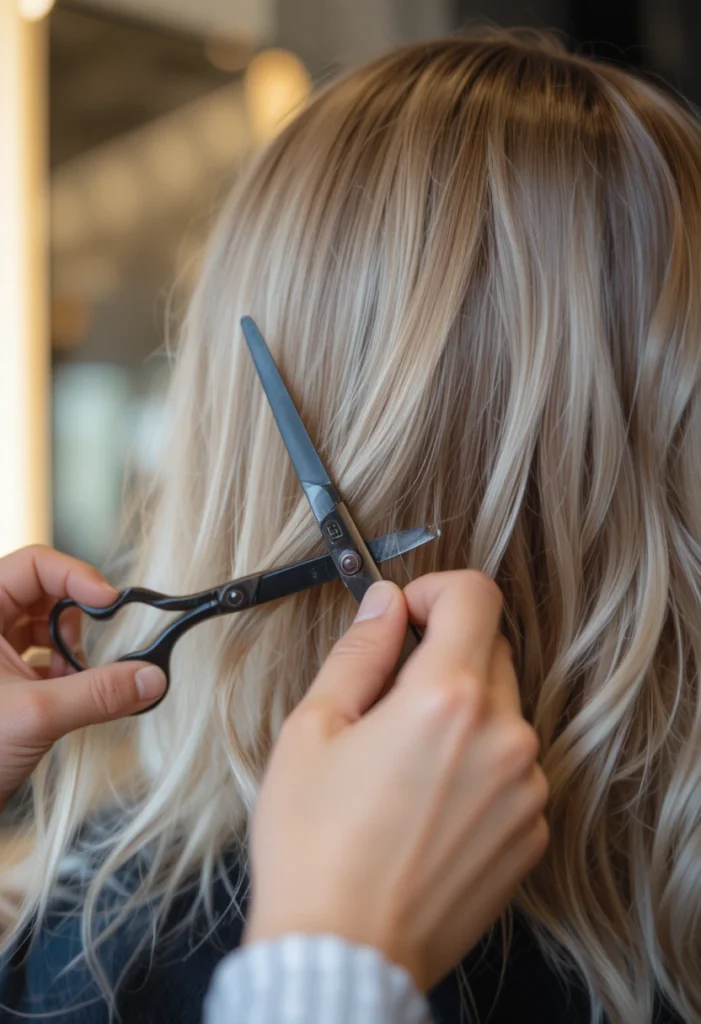
Dry, brittle hair is significantly more prone to split ends and breakage, making regular trims especially important during winter months. Skipping trims during this season, in hopes of retaining length, often backfires as untreated split ends travel further up the hair shaft, ultimately causing more damage than a proactive trim would have prevented.
Maintaining a consistent trimming schedule throughout winter, even if slightly more frequent than during other seasons, helps keep hair looking healthier despite the season’s challenging conditions. This small but important maintenance step works alongside all other winter care measures to preserve overall hair health through the coldest months.
Adjusting Your Entire Routine as Winter Progresses
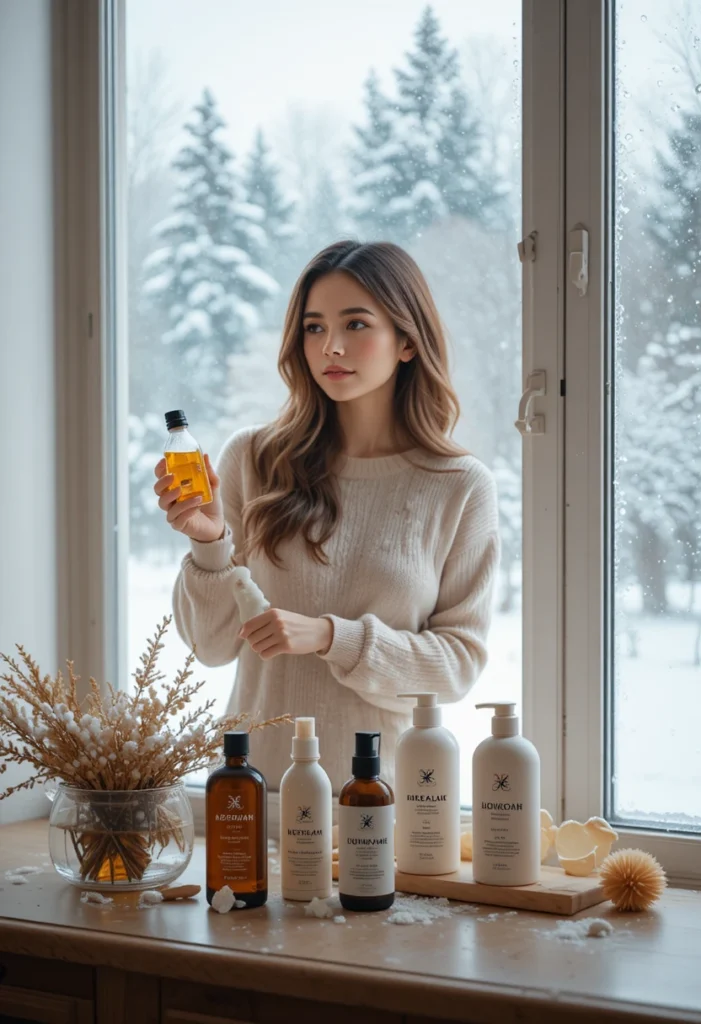
Hair’s needs can shift even within the winter season itself, becoming progressively drier as the months go on, particularly in areas with extended cold spells or minimal humidity. What worked well in early winter might need further adjustment by the time the coldest weeks of January or February arrive.
Staying attentive to how hair responds throughout the season, and being willing to increase moisture-focused treatments or adjust product choices as needed, helps maintain healthier hair from the first cold snap through the final weeks of winter. This flexible, responsive approach tends to produce far better results than applying a single, unchanging routine throughout the entire season.
Conclusion
Winter hair care requires a more deliberate, moisture-focused approach to counteract the season’s uniquely harsh effects on hair health. With the right combination of protective habits and hydrating treatments, your hair can stay soft, manageable, and healthy throughout even the coldest, driest months of the year.

Mehboob Ahmad is the founder and writer behind BeautyVibeWorld. With a genuine passion for skincare, makeup, and everyday beauty routines, Mehboob started this platform to share simple, practical, and research-backed advice that real people can actually use without the confusion of conflicting trends and overhyped products.
Every article on BeautyVibeWorld is written with care, backed by research, and regularly updated to stay accurate and relevant. Mehboob believes good beauty advice should be honest, easy to follow, and free of unnecessary complexity.
Outside of writing, Mehboob enjoys exploring new beauty trends and staying up to date with the latest in skincare and haircare research to keep bringing fresh, reliable content to BeautyVibeWorld readers.