
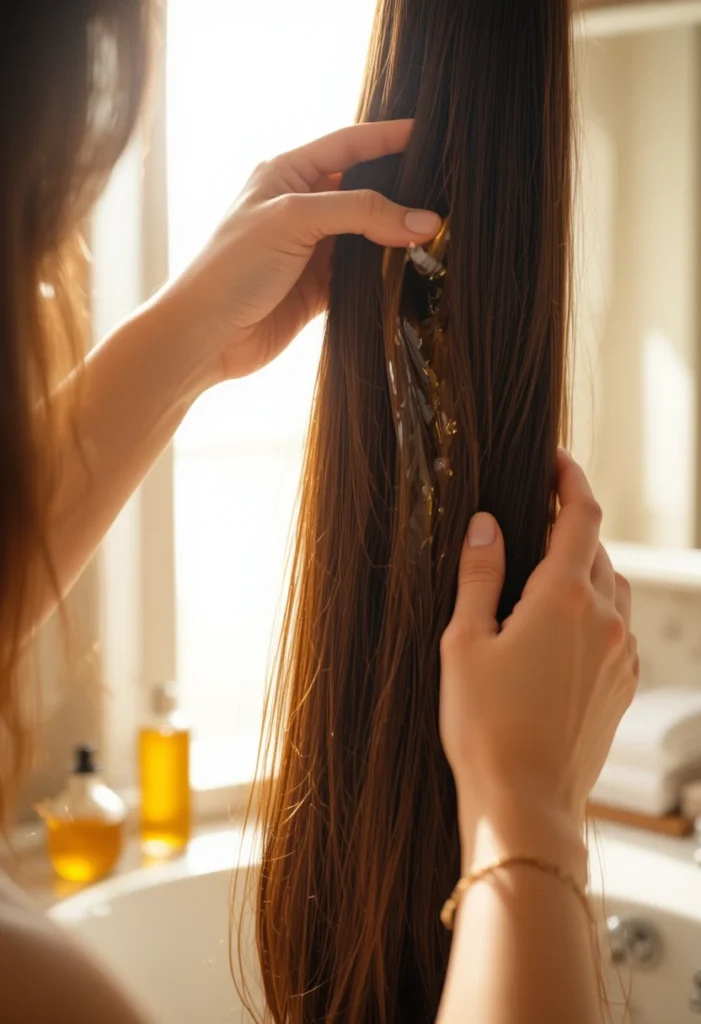
Most hair care routines focus heavily on what happens after washing, yet one of the most impactful steps actually happens beforehand. A pre-shampoo treatment oiling ritual protects hair from the inside out before shampoo ever touches it, and once you understand how it works, it’s hard to go back to skipping it. This article walks through the full range of benefits, techniques, and oil choices that make this step worth the extra few minutes.
The Purpose Behind Applying Oil Before Washing

Shampooing, while necessary for cleanliness, temporarily raises the hair’s cuticle and can strip away natural oils along with dirt and product residue. Applying oil beforehand coats the strand in a protective layer, reducing how much of that natural oil is lost and how aggressively the cuticle reacts to the cleansing process.
This protective function is the core reason pre-shampoo oiling has remained a trusted practice across many hair care traditions for generations. Rather than trying to repair damage after it happens, this technique works preventatively, addressing the issue before shampoo has the chance to cause unnecessary stress on the hair shaft.
How Pre-Shampoo Oiling Reduces Water Absorption Damage
Excessive water absorption during washing can cause hair to swell, which over repeated exposure weakens the internal protein structure and contributes to breakage. Oil applied before shampooing helps limit how much water the hair shaft actually absorbs, reducing this swelling effect significantly.
This benefit is particularly valuable for those who wash frequently, since the cumulative effect of repeated swelling and contraction can otherwise wear down hair’s structural integrity over time. By minimizing this water absorption from the start, pre-shampoo oiling helps preserve hair’s natural strength through the entire washing process.
Coconut Oil as a Penetrating Pre-Wash Treatment
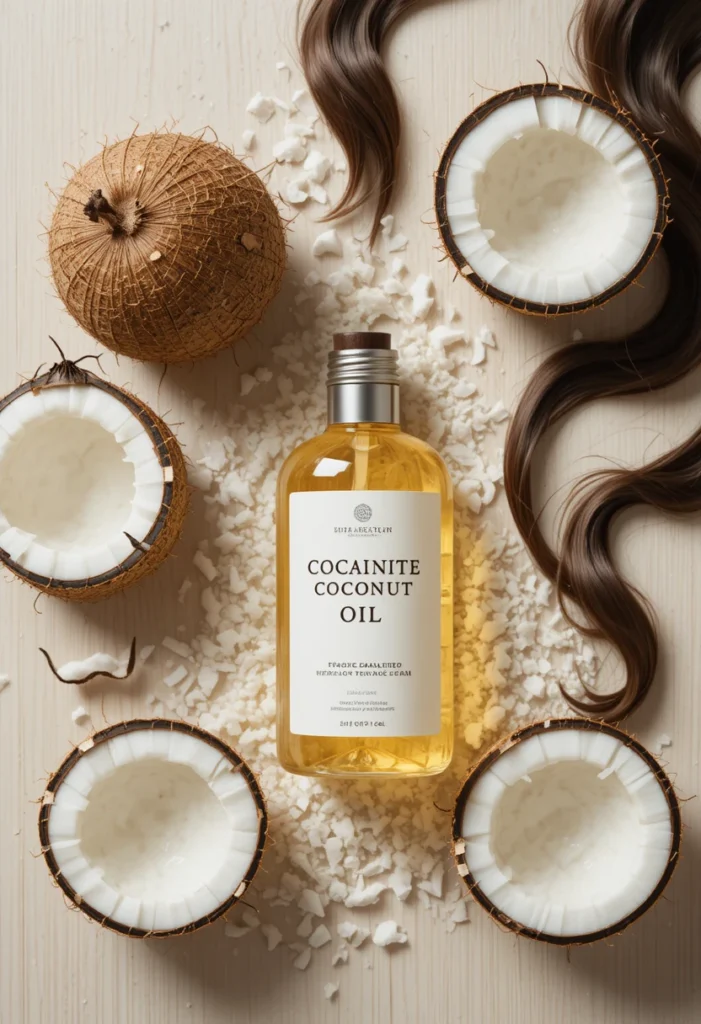
Among all the oils used for this purpose, coconut oil stands out due to its distinct ability to penetrate into the hair shaft rather than remaining purely on the surface. This penetration allows it to reduce protein loss during washing more effectively than oils that only coat the outside of the strand.
Applying coconut oil thoroughly through the mid-lengths and ends, then allowing it to sit for thirty minutes to an hour, gives it time to work its way into the hair before shampoo is introduced. Regular use of coconut oil this way tends to result in noticeably reduced breakage and improved strand resilience over consistent use.
Read also:15+ Nail Stamping Tutorial Beginner Guide: Master Salon-Quality Designs at Home with Ease
Sesame Oil for Antioxidant-Rich Protection

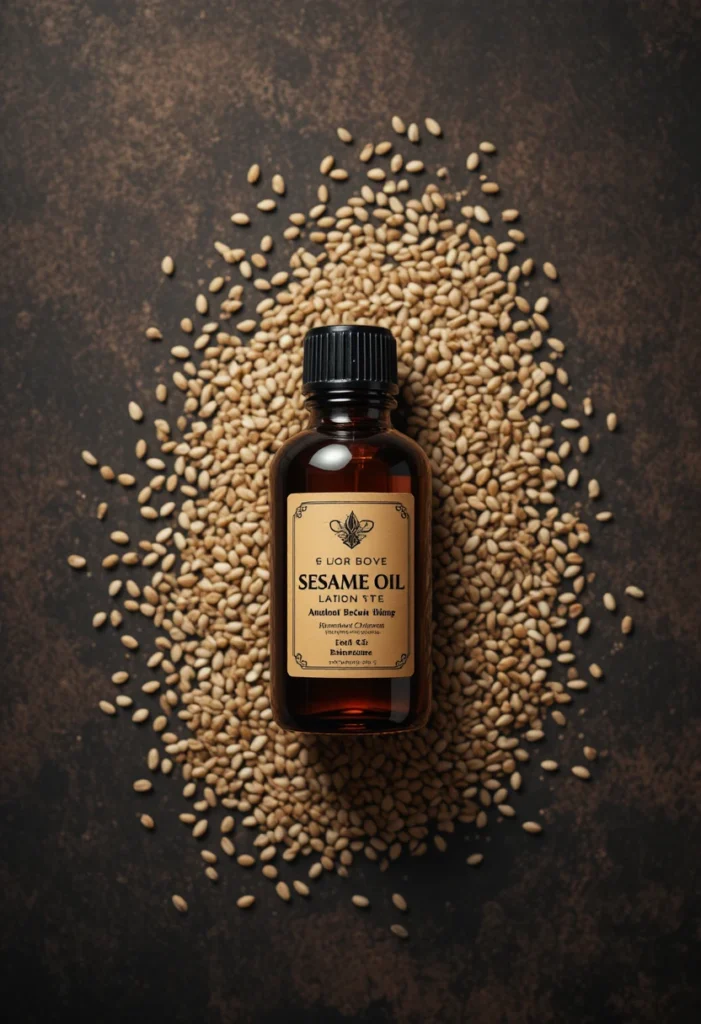
Sesame oil, while less commonly discussed than coconut or olive oil, offers a valuable option for pre-shampoo treatment due to its antioxidant content and mild UV-filtering properties. This makes it particularly useful for those regularly exposed to sun or environmental pollutants that can degrade hair health over time.
Its lighter consistency compared to some other oils also makes sesame oil a reasonable middle-ground choice for those who find coconut oil too heavy but still want more than the lightest options like grapeseed oil provide. Massaging it into the scalp before washing offers additional circulation benefits alongside its protective qualities.
Almond Oil for Softness and Manageability
Almond oil brings a gentle, lightweight option to pre-shampoo treatments, particularly valued for the softness and improved manageability it tends to leave behind. Rich in vitamin E and fatty acids, it helps smooth the cuticle without the heaviness that can sometimes accompany richer oils.
This makes almond oil a good option for those with normal to slightly dry hair who don’t need an intensive treatment but still want the protective benefits of pre-shampoo oiling. Its mild, pleasant scent is also an added bonus for those sensitive to stronger-smelling oils used in some other treatments.
Grapeseed Oil for Fine or Oily Hair Types
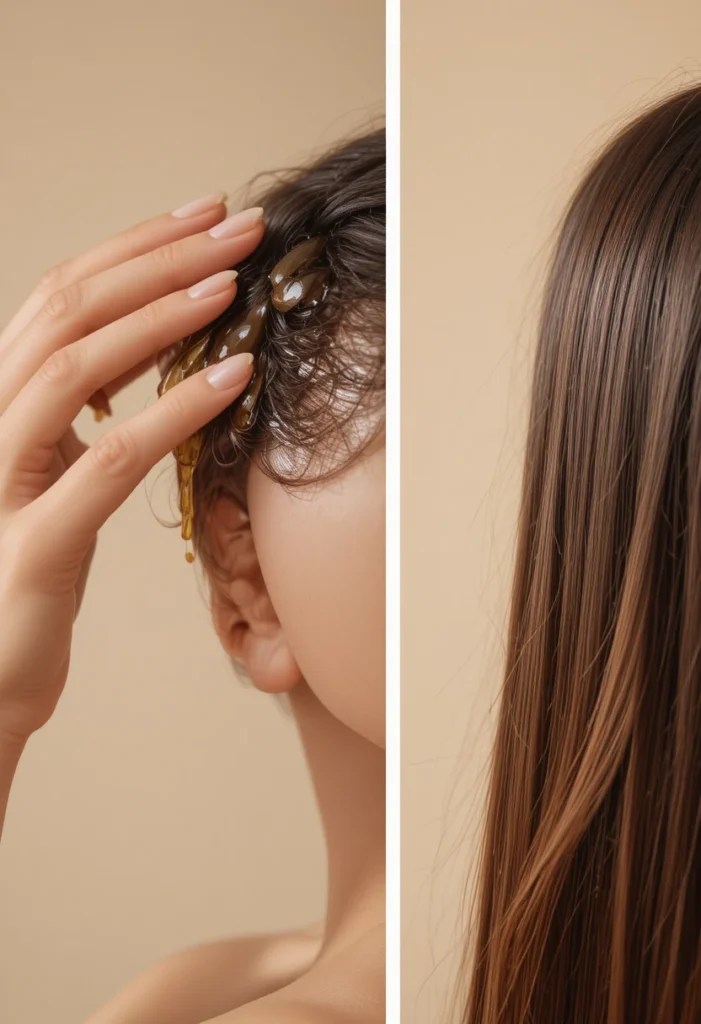
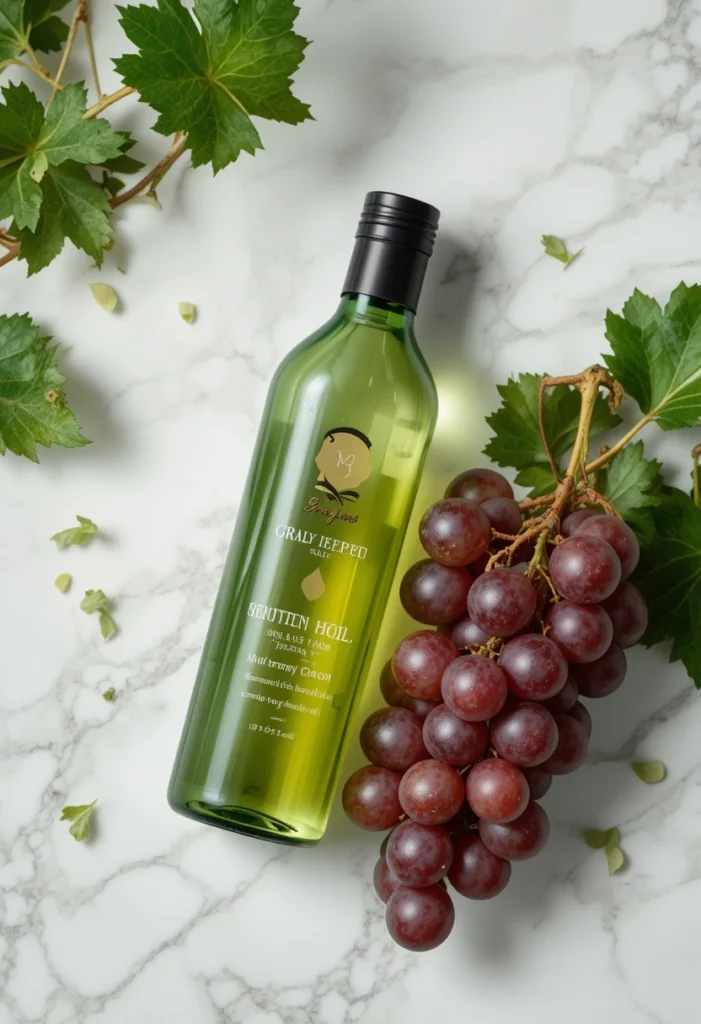
For those with fine or naturally oily hair who worry that pre-shampoo oiling might leave hair too heavy, grapeseed oil offers a genuinely lightweight alternative that still provides meaningful protective benefits. Its thin consistency allows it to be absorbed without the greasy aftereffects that heavier oils can sometimes cause on this hair type.
Using a smaller amount focused primarily on the ends, rather than through the entire length, helps prevent any unwanted heaviness while still offering protection during the washing process. This targeted approach makes pre-shampoo oiling accessible even for those who’ve previously avoided the technique due to concerns about product weight.
Applying Oil to the Scalp Versus Hair Strands
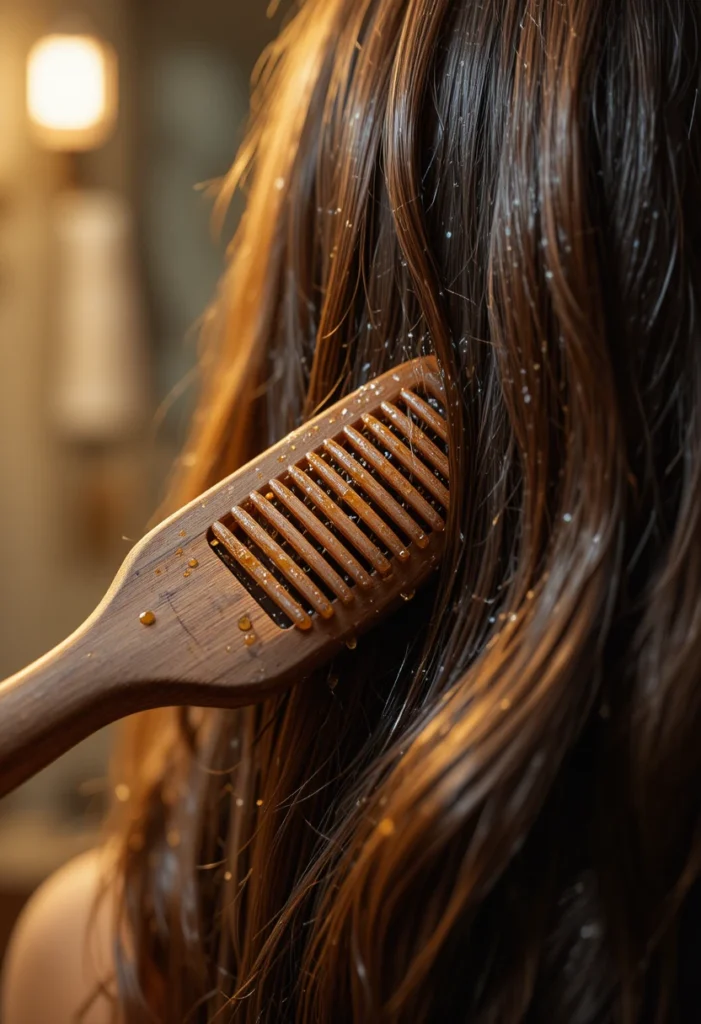
Deciding whether to focus pre-shampoo oil application on the scalp, the hair strands, or both depends on individual goals and hair type. Scalp-focused application tends to emphasize circulation and scalp health benefits, often using oils like castor or rosemary-infused blends specifically for this purpose.
Strand-focused application, by contrast, prioritizes protecting the hair shaft itself from the stripping effects of shampoo, typically using lighter oils applied from mid-length to ends. Many people find that combining both approaches, using a scalp-appropriate oil at the roots and a different, lighter oil through the rest of the hair, provides the most comprehensive benefit.
Using a Comb to Distribute Oil Evenly

Simply applying oil by hand often results in uneven distribution, with some sections receiving more coverage than others. Using a wide-tooth comb to work the oil through hair after initial application helps ensure every strand receives adequate coverage, rather than leaving certain areas under-treated.
This step is particularly important for those with longer or thicker hair, where hand application alone often struggles to reach every section evenly. Taking the extra few minutes to comb through the oil ensures the entire treatment delivers consistent benefits rather than concentrated results in just a few areas.
Sectioning Hair for Thorough Oil Application

Similar to how sectioning helps with even conditioner distribution, dividing hair into sections before applying pre-shampoo oil ensures more thorough, consistent coverage than attempting to oil the entire head at once. This is especially useful for those with thick or curly hair, where reaching every section evenly can otherwise be challenging.
Working through each section methodically, rather than rushing through the whole head, also allows for better assessment of which areas might need extra oil, such as particularly dry ends or a flaky scalp. This more deliberate approach tends to produce more even, effective results than a quick, unsectioned application.
Overnight Pre-Shampoo Oiling for Intensive Treatment

For those dealing with significant dryness or damage, extending a pre-shampoo oil treatment overnight rather than the standard thirty minutes to an hour allows for even deeper penetration and more substantial benefits. This extended treatment window is particularly useful before a deep conditioning wash day.
Covering hair with a shower cap or old pillowcase overnight prevents oil transfer onto bedding while allowing the treatment to work throughout the night. Many people reserve this more intensive approach for once or twice a month, using shorter treatment windows for more regular, weekly pre-shampoo oiling sessions.
Adjusting Oil Choice Based on Seasonal Needs
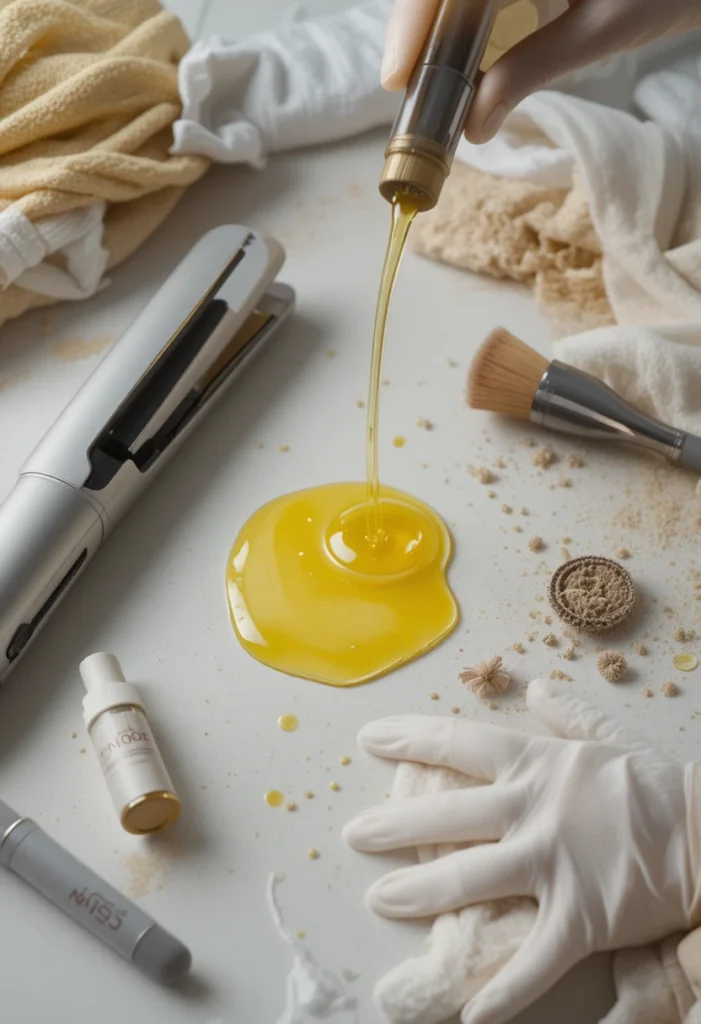
Just as broader hair care routines often need seasonal adjustment, pre-shampoo oiling can benefit from similar flexibility throughout the year. Lighter oils like grapeseed or argan may work well during humid summer months, while richer options like castor or coconut oil often become more necessary during dry winter conditions.
Staying attentive to how hair responds as seasons change, rather than using the same oil and technique year-round regardless of shifting environmental factors, helps ensure the treatment continues meeting hair’s actual needs. This seasonal awareness tends to produce more consistently satisfying results than a fixed, unchanging approach.
Pre-Shampoo Oiling Before Chemical Treatments
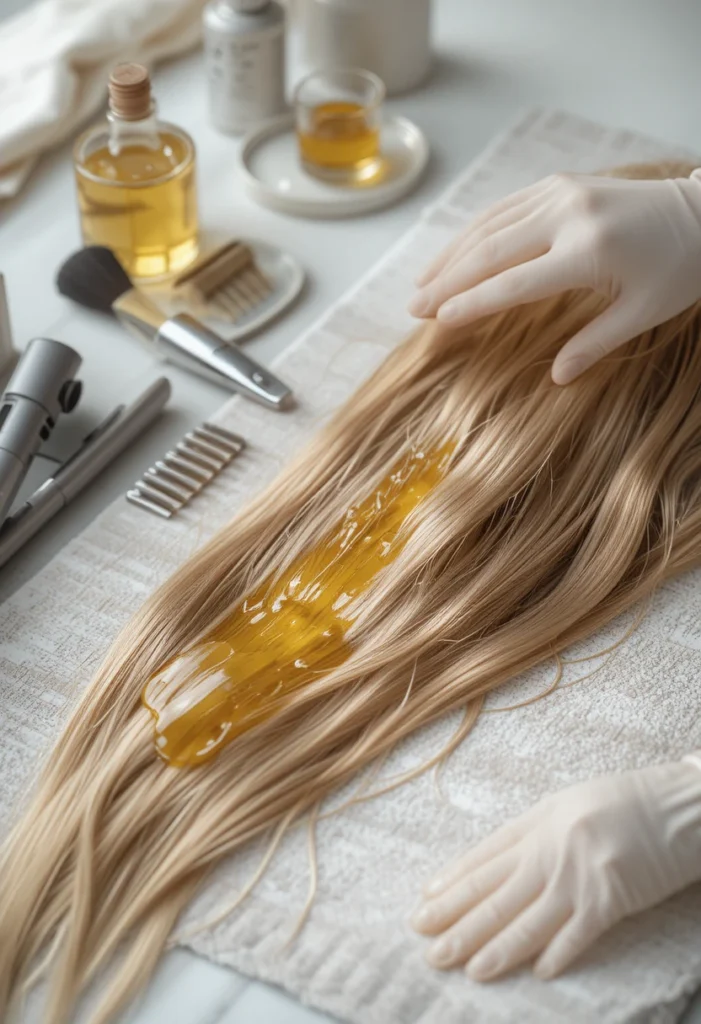
Applying a pre-shampoo oil treatment before undergoing chemical processes like coloring or relaxing can help provide an additional layer of protection for the hair shaft during these more intensive treatments. The oil coating can reduce how deeply harsh chemicals penetrate unintended areas of the strand.
This precautionary step is particularly valued by those who color their hair regularly, as it may help minimize some of the structural stress that chemical processing places on hair. While this shouldn’t replace other protective measures during chemical treatments, it adds a reasonable extra layer of defense worth considering.
Common Mistakes That Reduce Treatment Effectiveness
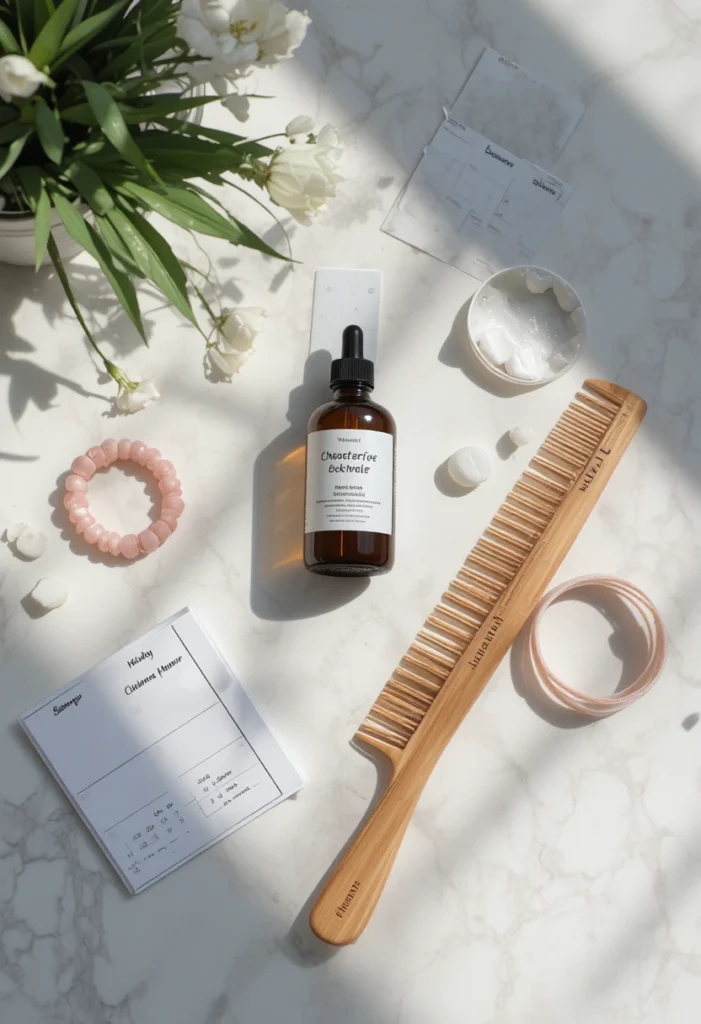
One frequent mistake with pre-shampoo oiling is applying too little oil, resulting in inadequate coverage that fails to provide meaningful protection during washing. Being generous with application, particularly for those with thicker or longer hair, ensures the treatment actually delivers its intended benefits rather than falling short due to insufficient product.
Another common error is not allowing enough time for the oil to work before washing, rushing through the process and shampooing almost immediately after application. Without adequate sitting time, the oil doesn’t have the opportunity to provide its full protective and nourishing benefits, making the entire treatment less effective than it could otherwise be.
How Pre-Shampoo Oiling Fits Into a Weekly Routine
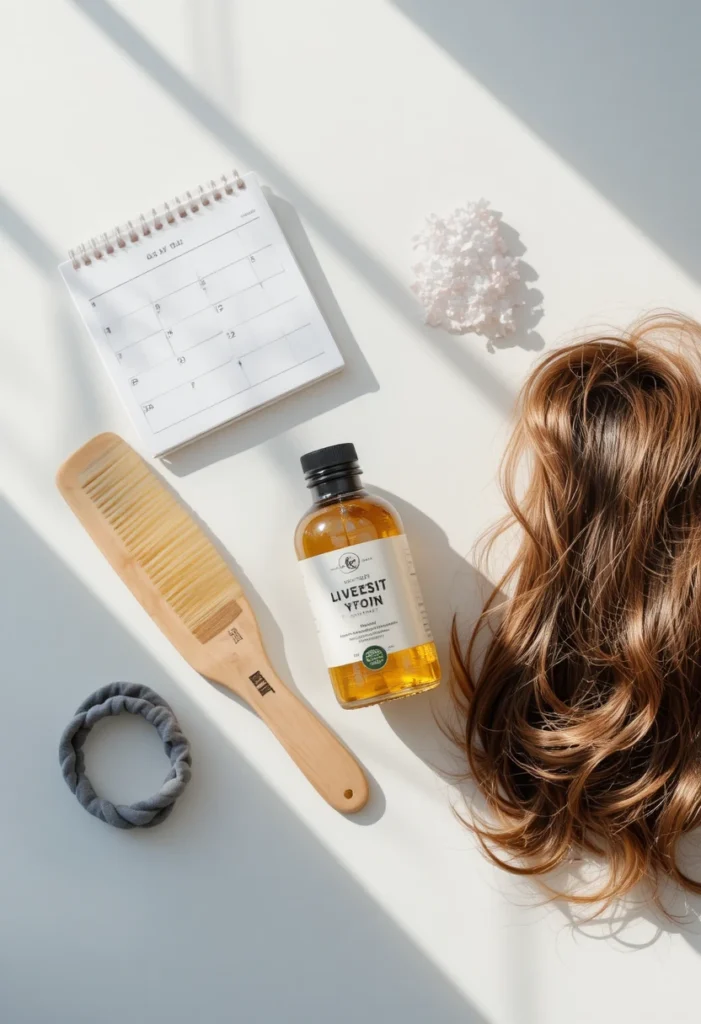
Incorporating pre-shampoo oiling into an existing hair care schedule works best when planned around regular wash days rather than treated as a separate, additional task. Applying oil an hour or more before a scheduled wash, or the night before for those doing overnight treatments, integrates smoothly into most routines without requiring significant extra time investment.
This planned approach helps ensure the technique becomes a consistent habit rather than an occasional, easily forgotten extra step. Building it naturally into an existing wash day routine, rather than treating it as separate from regular hair care, tends to result in more consistent long-term use and better overall results.
Tracking Progress From Regular Pre-Shampoo Oiling
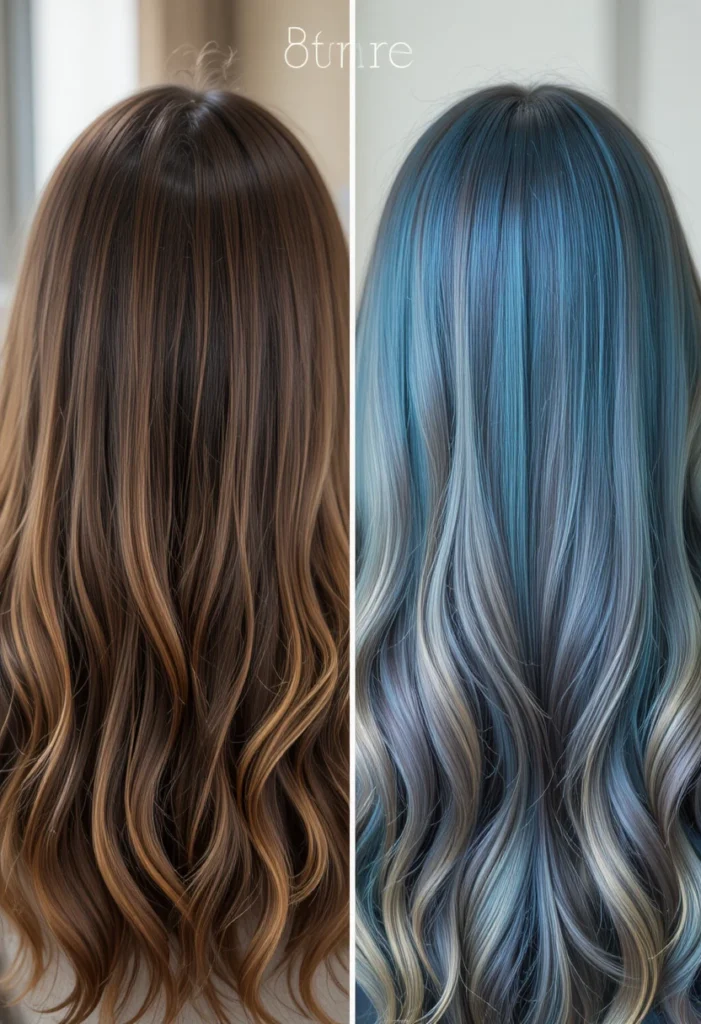
Since the benefits of pre-shampoo oiling build gradually rather than appearing instantly, tracking changes over several weeks helps identify whether the technique and chosen oil are genuinely working well for individual hair needs. Noting improvements in softness, reduced breakage, or easier detangling provides useful feedback for refining the approach.
This kind of attentive tracking also helps identify if a switch in oil type or technique might better serve current hair needs, particularly if initial results seem underwhelming after a reasonable trial period. Adjusting based on this ongoing feedback, rather than sticking rigidly to an initial approach that isn’t producing desired results, leads to a more genuinely effective long-term routine.
Conclusion
Adding a pre-shampoo oiling step to your hair care routine offers meaningful protection and nourishment that happens before shampoo ever gets the chance to strip away what your hair needs. With the right oil for your specific hair type and a bit of consistency, this simple ritual can noticeably improve softness, strength, and manageability over time.
.

Mehboob Ahmad is the founder and writer behind BeautyVibeWorld. With a genuine passion for skincare, makeup, and everyday beauty routines, Mehboob started this platform to share simple, practical, and research-backed advice that real people can actually use without the confusion of conflicting trends and overhyped products.
Every article on BeautyVibeWorld is written with care, backed by research, and regularly updated to stay accurate and relevant. Mehboob believes good beauty advice should be honest, easy to follow, and free of unnecessary complexity.
Outside of writing, Mehboob enjoys exploring new beauty trends and staying up to date with the latest in skincare and haircare research to keep bringing fresh, reliable content to BeautyVibeWorld readers.