
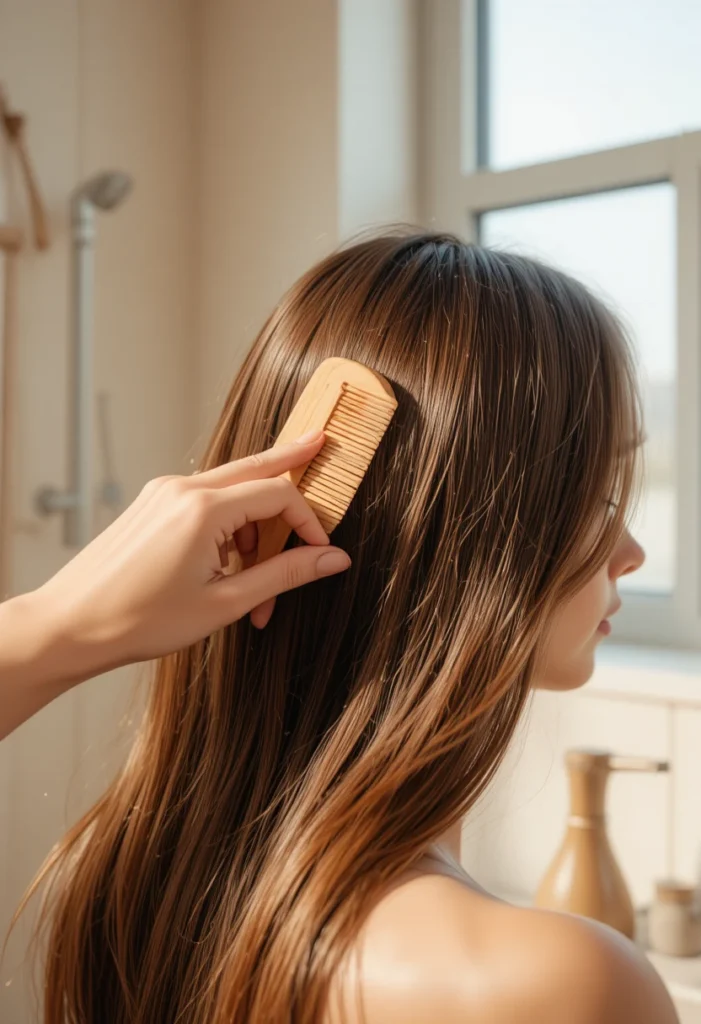
Watching hair snap off mid-length rather than grow past a certain point is one of the most frustrating hair struggles to deal with. These hair breakage prevention tips address the root causes behind snapping, thinning ends, and overall fragility, helping you build a routine that genuinely protects your length and strength over time.
Understanding the Difference Between Breakage and Shedding
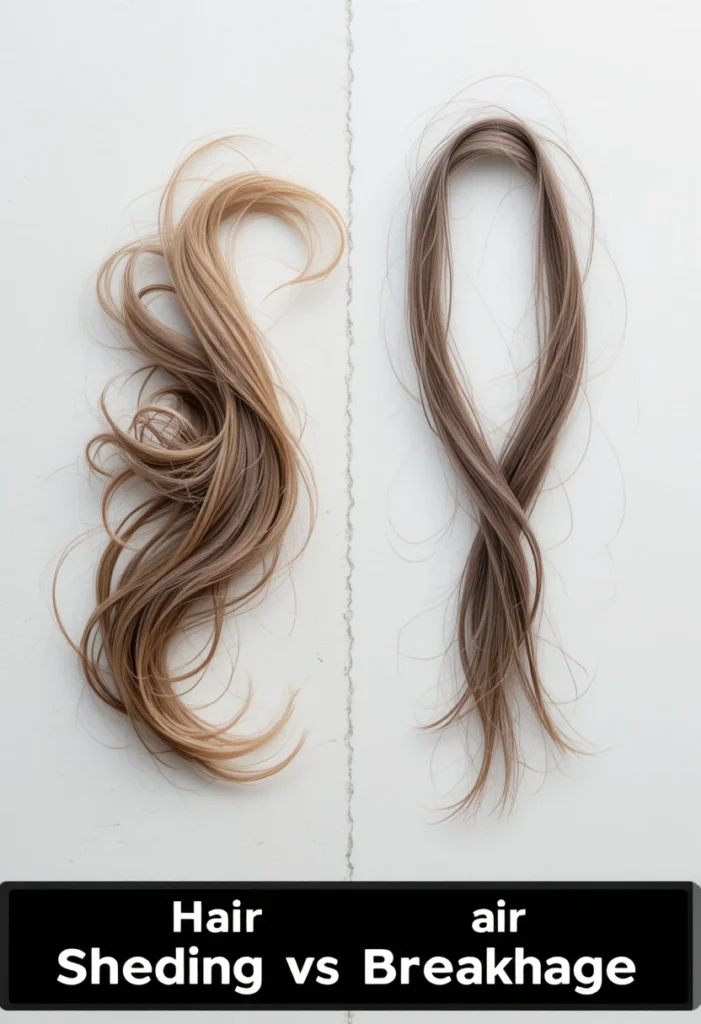
Before addressing breakage, it’s important to distinguish it from normal shedding, since the two are often confused despite having very different causes and solutions. Shedding involves whole strands falling out from the root, typically as part of the hair’s natural growth cycle, while breakage involves the strand snapping somewhere along its length, leaving a noticeably shorter piece behind.
Recognizing which issue is actually occurring changes the entire approach needed to address it. Shedding often points toward internal factors like hormones or nutrition, while breakage usually indicates external damage from handling, styling, or environmental stress. Correctly identifying breakage as the specific issue is the first step toward implementing the right preventative measures.
Reducing Heat Styling Frequency
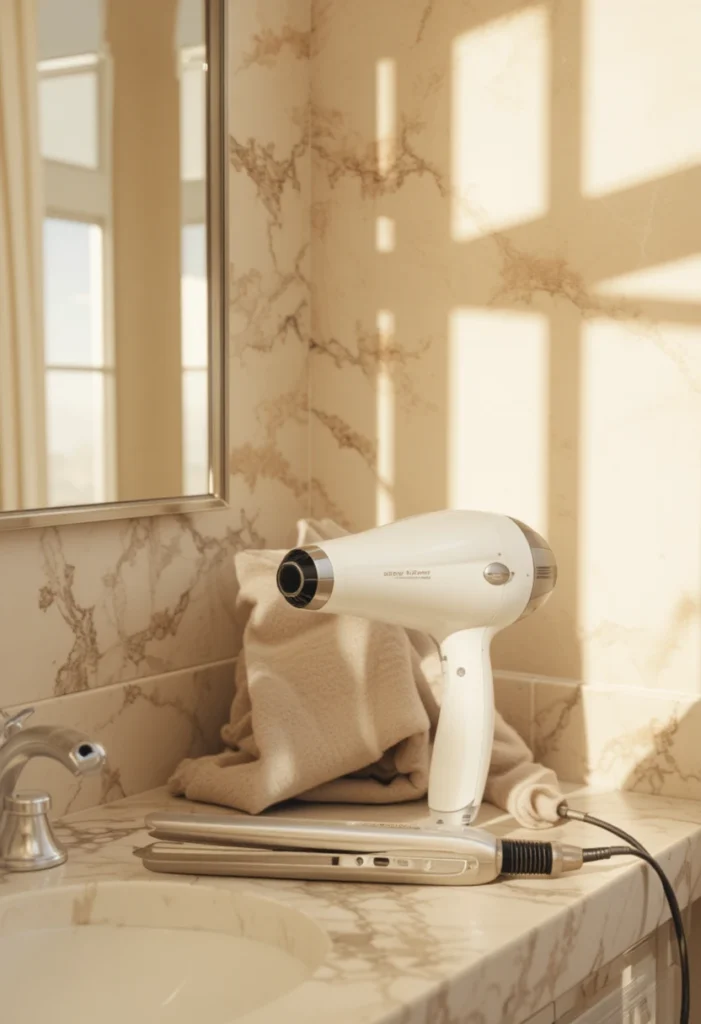
Repeated exposure to heat styling tools is one of the most common culprits behind hair breakage, as high temperatures weaken the protein bonds that give hair its structural integrity. Over time, this repeated stress leaves hair increasingly brittle and prone to snapping, particularly at the ends where damage tends to accumulate most significantly.
Reducing how often heat tools are used, or opting for heatless styling alternatives several days a week, gives hair meaningful recovery time between exposures. When heat styling is necessary, using the lowest effective temperature setting further reduces the cumulative stress placed on already vulnerable strands.
Always Using a Heat Protectant
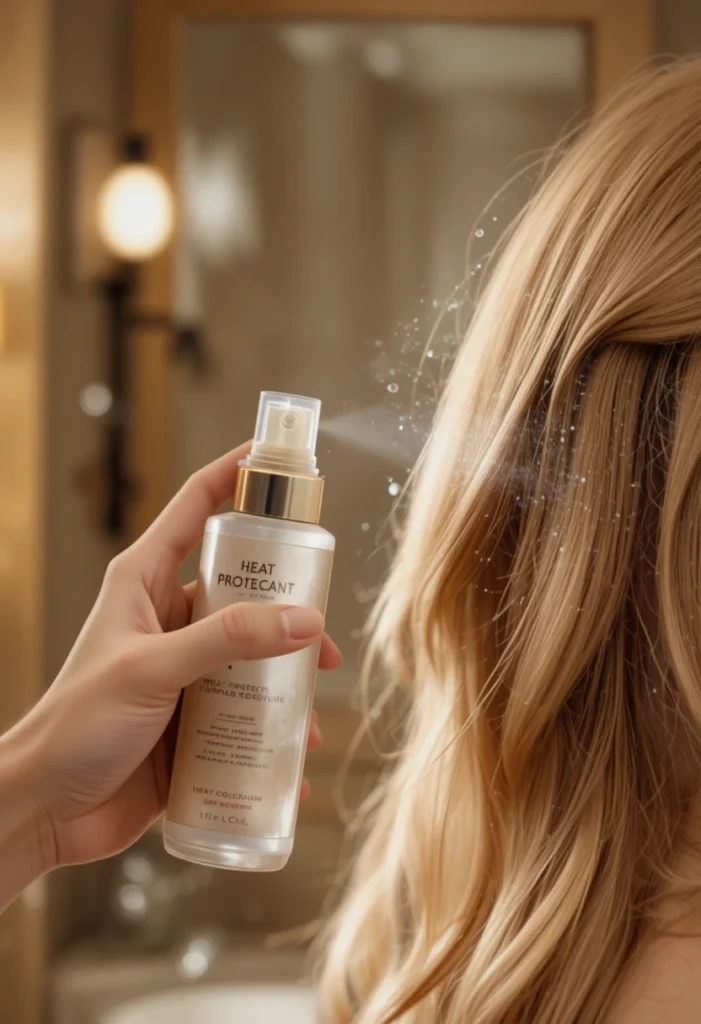
For the times heat styling can’t be avoided, applying a proper heat protectant beforehand creates a barrier that significantly reduces the direct thermal damage to hair. This product works by coating the hair shaft, helping to distribute heat more evenly and minimizing the moisture loss that typically accompanies high-temperature styling.
Skipping this step, even occasionally, allows heat to directly impact the hair’s protein structure without any buffer, accelerating the kind of damage that leads to breakage over time. Making heat protectant application a non-negotiable step before any hot tool use is one of the simplest yet most effective changes for reducing heat-related breakage.
Detangling Hair Properly to Avoid Snapping
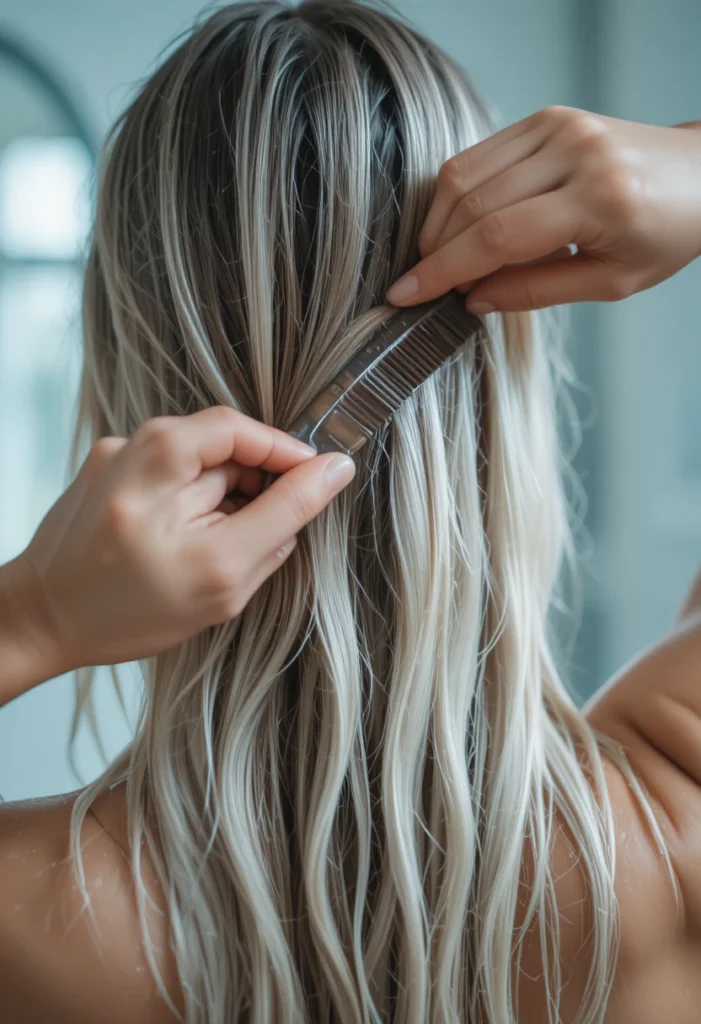
Aggressive detangling, particularly when done on dry hair or starting from the roots, creates significant tension that often results in strands snapping rather than gently separating. This is one of the most common yet easily correctable causes of ongoing breakage for many people.
Detangling hair while damp and coated with conditioner, using a wide-tooth comb, and working from the ends upward toward the roots significantly reduces this kind of mechanical stress. This gentler approach, though it takes slightly more time, prevents the kind of repeated snapping that gradually shortens hair length over weeks and months.
Choosing the Right Hairbrush and Comb
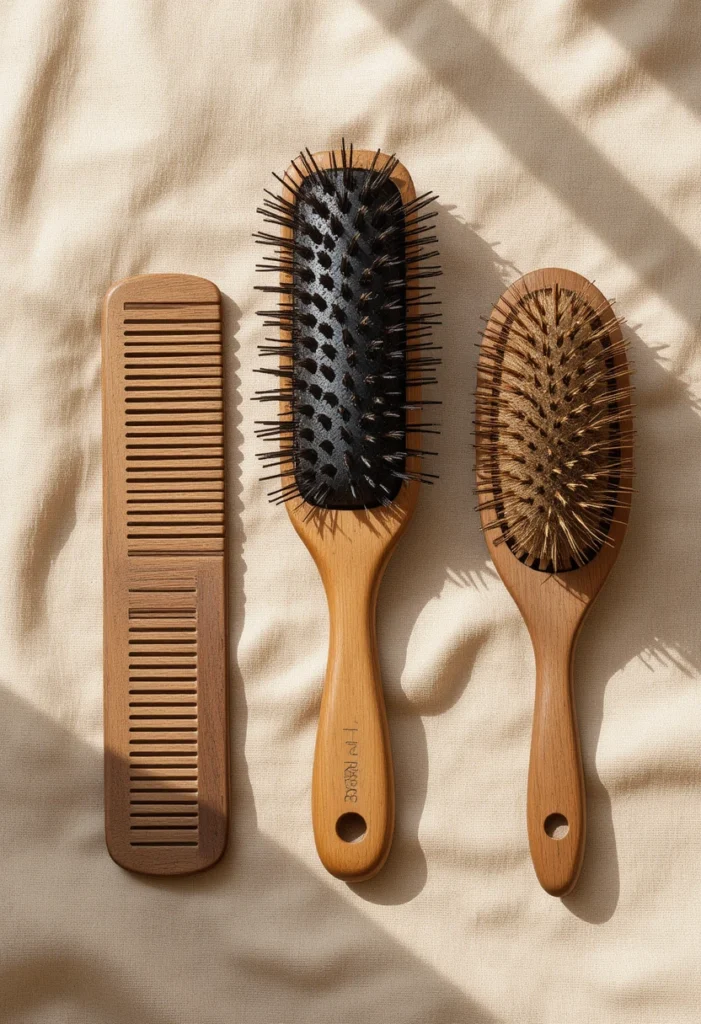
The tools used daily for brushing and styling play a bigger role in breakage than many people realize. Brushes with hard plastic bristles or fine-toothed combs can catch and pull at hair, creating unnecessary tension that leads to snapping, particularly on already fragile or damaged strands.
Switching to a brush with rounded, flexible bristles or a wide-tooth comb reduces this risk significantly, allowing hair to be styled and detangled with much less mechanical stress. This simple tool adjustment, often overlooked in favor of focusing solely on products, can make a substantial difference in reducing everyday breakage from routine hair care tasks.
Sleeping on Silk or Satin Pillowcases

Standard cotton pillowcases create friction against hair throughout the night, roughening the cuticle and contributing to breakage that accumulates gradually over time without being immediately obvious. This overnight friction is a commonly overlooked factor in ongoing hair damage.
Switching to a silk or satin pillowcase significantly reduces this friction, allowing hair to move more smoothly against the fabric rather than catching and pulling. This small, one-time change requires no alteration to an existing hair care routine yet consistently reduces the overnight breakage that many people don’t even realize is happening.
Avoiding Tight Hairstyles That Cause Tension

Hairstyles that pull tightly at the roots, such as high ponytails, tight braids, or slicked-back buns, create consistent tension that can lead to both breakage and a specific type of hair loss called traction alopecia when worn too frequently. This tension particularly affects the hairline and areas around the temples.
Opting for looser styles, or at minimum varying between tight and loose options rather than consistently choosing the same tension-heavy style, gives hair regular breaks from this kind of stress. This adjustment helps prevent the specific pattern of breakage and thinning that develops from chronic, repeated tension on the same areas of the scalp.
Being Gentle With Wet Hair
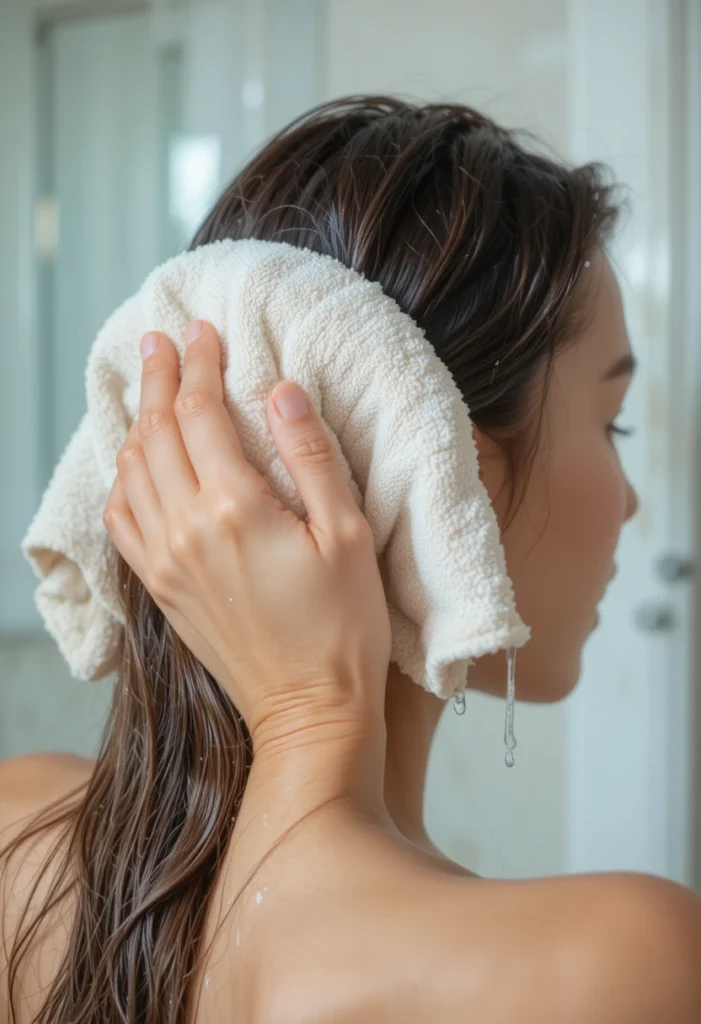
Hair is at its most fragile and vulnerable to breakage when wet, since water temporarily weakens the internal protein bonds that give hair its normal strength. Handling wet hair roughly, whether through vigorous towel drying or aggressive brushing, significantly increases the risk of snapping during this vulnerable state.
Switching to a microfiber towel or gently squeezing out excess water rather than rubbing, combined with careful, minimal handling until hair has partially dried, helps protect against this specific vulnerability. This adjustment in post-wash handling is a small habit change that consistently reduces breakage for those who previously handled wet hair too roughly.
Incorporating Regular Protein Treatments
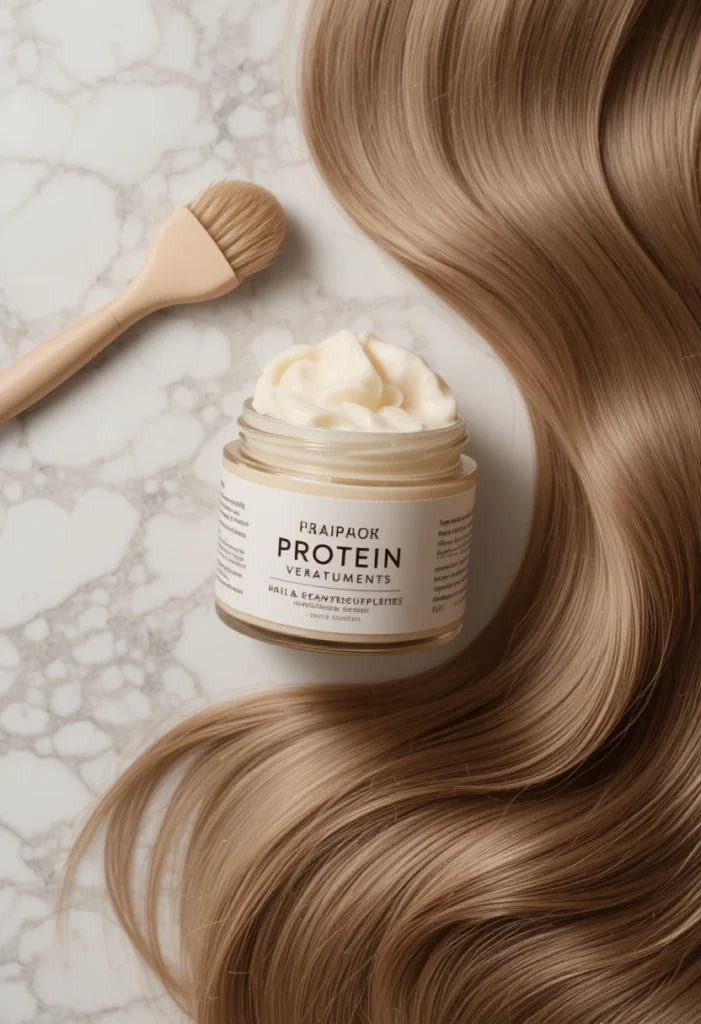
Since hair is fundamentally made of protein, ongoing damage from styling, chemical treatments, or environmental stress gradually depletes the protein structure that keeps strands strong and resilient. Without periodic replenishment, this depletion continues to worsen, making hair increasingly prone to snapping under normal, everyday stress.
Incorporating a protein treatment every four to six weeks, adjusted based on how much processing or heat styling hair regularly undergoes, helps rebuild this structural strength before significant breakage occurs. Balancing these treatments with adequate moisture afterward ensures hair remains both strong and flexible rather than becoming stiff or brittle from excess protein.
Maintaining Proper Moisture Balance
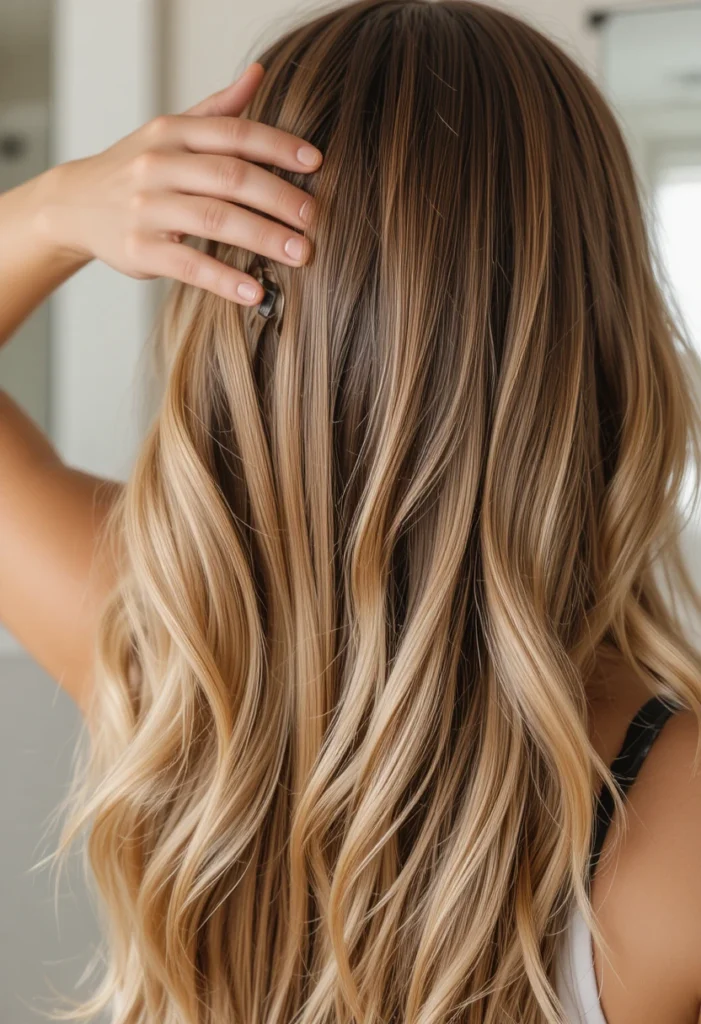
Hair that’s chronically dry becomes significantly more brittle and prone to breakage than hair with adequate moisture levels, making consistent hydration an essential preventative measure. Dry strands lack the flexibility needed to withstand normal daily manipulation without snapping under stress that adequately moisturized hair would easily tolerate.
Regular deep conditioning, combined with appropriate daily leave-in products suited to individual hair type and porosity, helps maintain this crucial moisture balance. This ongoing attention to hydration works alongside protein treatments to create the kind of strong yet flexible hair structure that resists breakage far more effectively than hair lacking either element.
Limiting Chemical Processing
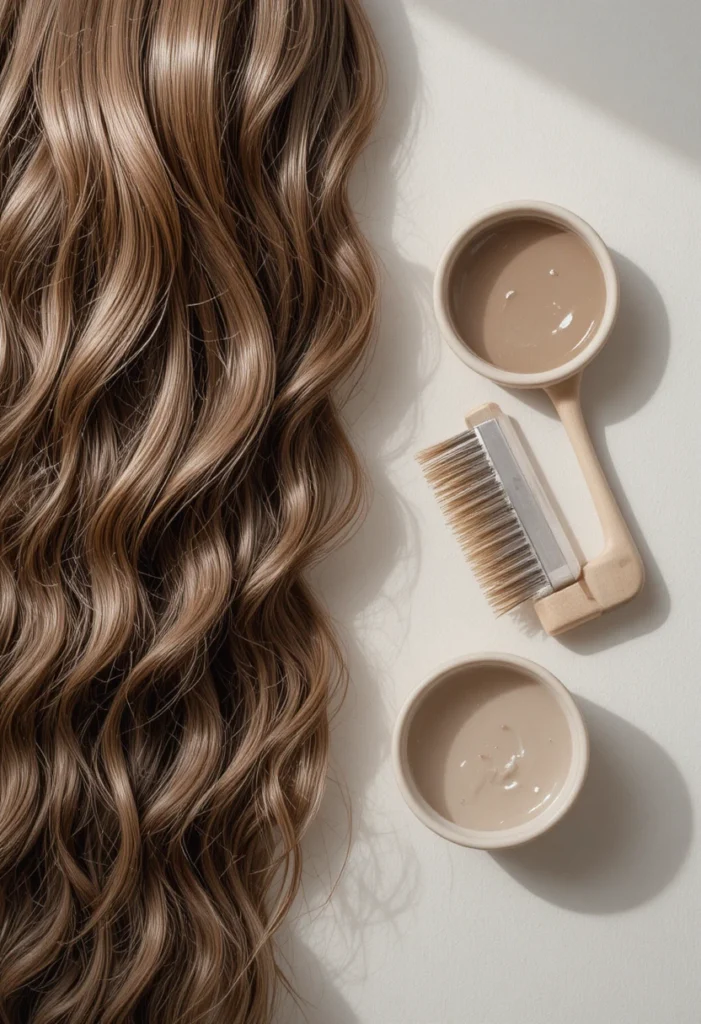
Chemical treatments like relaxers, perms, and permanent color significantly alter the hair’s internal structure, often leaving it more porous and vulnerable to breakage than untreated hair. Repeated or overlapping chemical processes compound this vulnerability, sometimes leading to breakage severe enough to significantly impact overall hair length and thickness.
Spacing out chemical treatments further apart, and avoiding overlapping multiple processes too closely together, gives hair more recovery time between each round of structural stress. For those unwilling to give up chemical treatments entirely, incorporating more frequent protein and moisture treatments becomes especially important to offset this additional vulnerability.
Trimming Regularly to Remove Damaged Ends
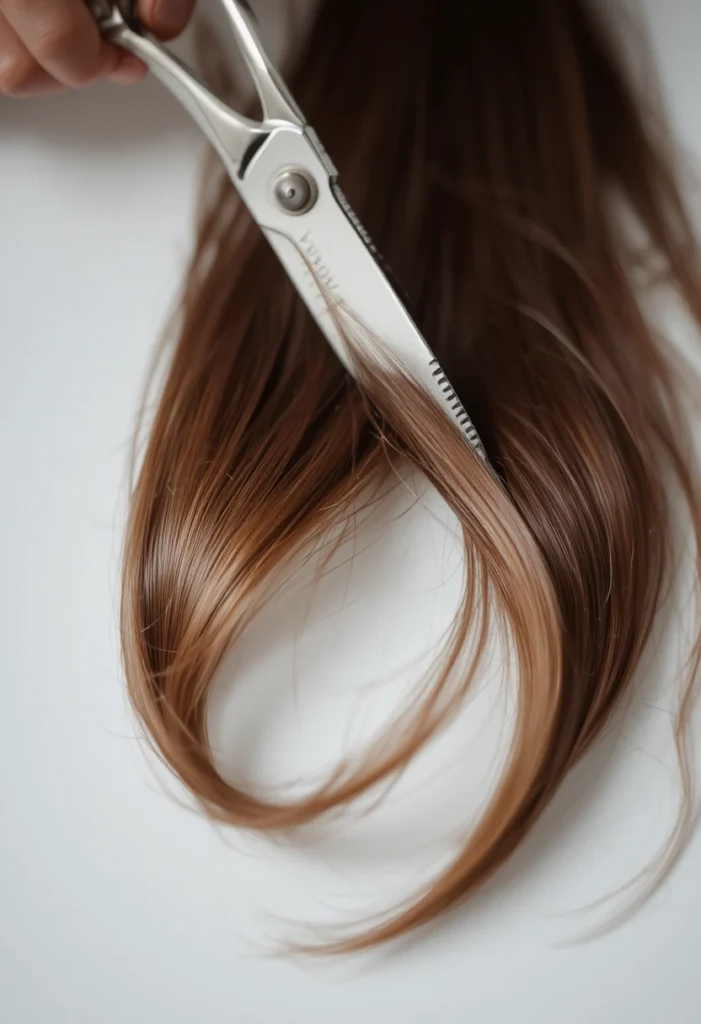
Split ends, if left untreated, don’t simply stay contained to the very tip of the hair; they continue splitting further up the shaft over time, eventually leading to more significant breakage than a simple trim would have originally addressed. This progressive damage is one of the most preventable yet commonly ignored causes of ongoing breakage.
Scheduling regular trims every six to eight weeks removes this damaged hair before it has the chance to worsen, effectively stopping breakage at its earliest, most manageable stage. While it may feel counterintuitive when trying to grow hair longer, this regular maintenance ultimately supports length retention far better than avoiding trims altogether.
Protecting Hair From Sun and Environmental Damage

Extended sun exposure gradually breaks down the proteins within hair, similar to how it affects skin, leaving strands more brittle and prone to breakage over time. This environmental stress often goes unnoticed until cumulative damage becomes significant, particularly for those who spend considerable time outdoors without any protective measures.
Wearing a hat during extended sun exposure, or using hair products containing UV filters, helps minimize this often-overlooked source of ongoing damage. This preventative measure becomes particularly important during summer months or for those living in consistently sunny climates where sun exposure is a near-daily occurrence.
Being Mindful of Friction From Clothing and Accessories
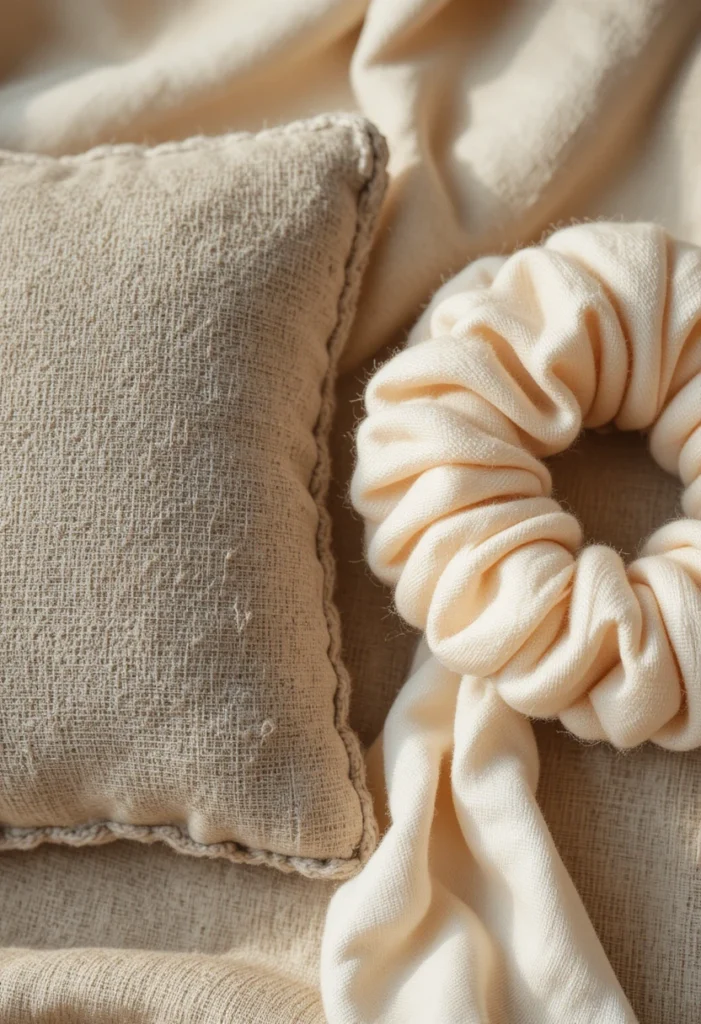
Everyday friction from scarves, backpack straps, or even rough clothing fabric rubbing against hair throughout the day contributes to breakage in ways that are easy to overlook. This repeated, low-level friction gradually roughens the hair cuticle, making strands more susceptible to snapping over time.
Being mindful of how hair interacts with clothing and accessories, perhaps by tying hair back before wearing a backpack or choosing smoother fabric scarves, helps minimize this cumulative source of damage. While seemingly minor, addressing these everyday friction points contributes meaningfully to an overall breakage prevention strategy.
Read also:15+ Hair Growth Diet Foods: Nourish Your Strands From the Inside Out
Avoiding Over-Washing and Over-Manipulation

Washing and styling hair too frequently increases the overall amount of handling and manipulation it experiences, each instance carrying some degree of risk for mechanical stress and potential breakage. This cumulative effect of frequent handling, even when each individual instance seems gentle, can add up significantly over time.
Reducing wash frequency where appropriate for individual hair type, and minimizing unnecessary daily restyling, decreases the overall opportunities for breakage to occur. This doesn’t mean neglecting hair care, but rather being more intentional about how often and how extensively hair is handled throughout a typical week.
Building a Consistent, Balanced Hair Care Routine
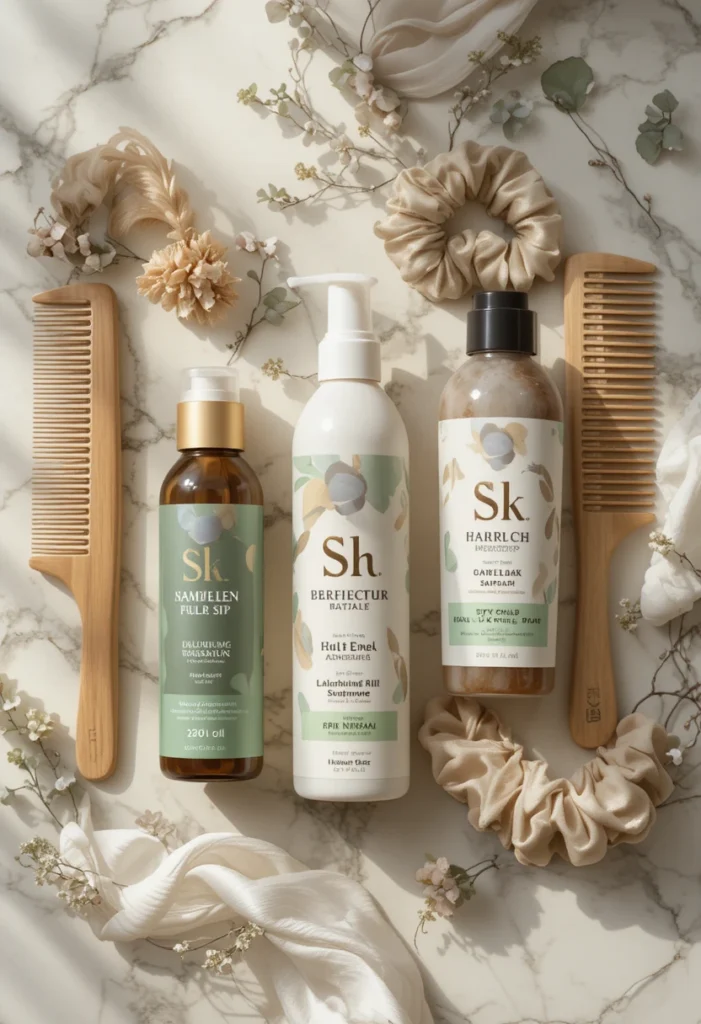
Preventing breakage effectively requires combining multiple protective measures into a cohesive, ongoing routine rather than focusing on just one or two isolated changes. Balancing gentle handling, appropriate moisture and protein treatments, reduced heat styling, and regular trims creates a comprehensive defense against the various factors that contribute to hair snapping and length loss.
Consistency remains key, since hair health and breakage prevention build cumulatively over weeks and months rather than showing dramatic results after just a few days of adjusted habits. Committing to this broader, balanced approach over the long term tends to produce the healthiest, most breakage-resistant hair rather than relying on any single quick fix.
Conclusion
Preventing hair breakage comes down to consistently protecting your strands from the everyday stresses of heat, handling, and environmental exposure while maintaining the right balance of moisture and strength. With patience and these combined habits, you can retain length and enjoy noticeably stronger, healthier hair over time.

Mehboob Ahmad is the founder and writer behind BeautyVibeWorld. With a genuine passion for skincare, makeup, and everyday beauty routines, Mehboob started this platform to share simple, practical, and research-backed advice that real people can actually use without the confusion of conflicting trends and overhyped products.
Every article on BeautyVibeWorld is written with care, backed by research, and regularly updated to stay accurate and relevant. Mehboob believes good beauty advice should be honest, easy to follow, and free of unnecessary complexity.
Outside of writing, Mehboob enjoys exploring new beauty trends and staying up to date with the latest in skincare and haircare research to keep bringing fresh, reliable content to BeautyVibeWorld readers.