
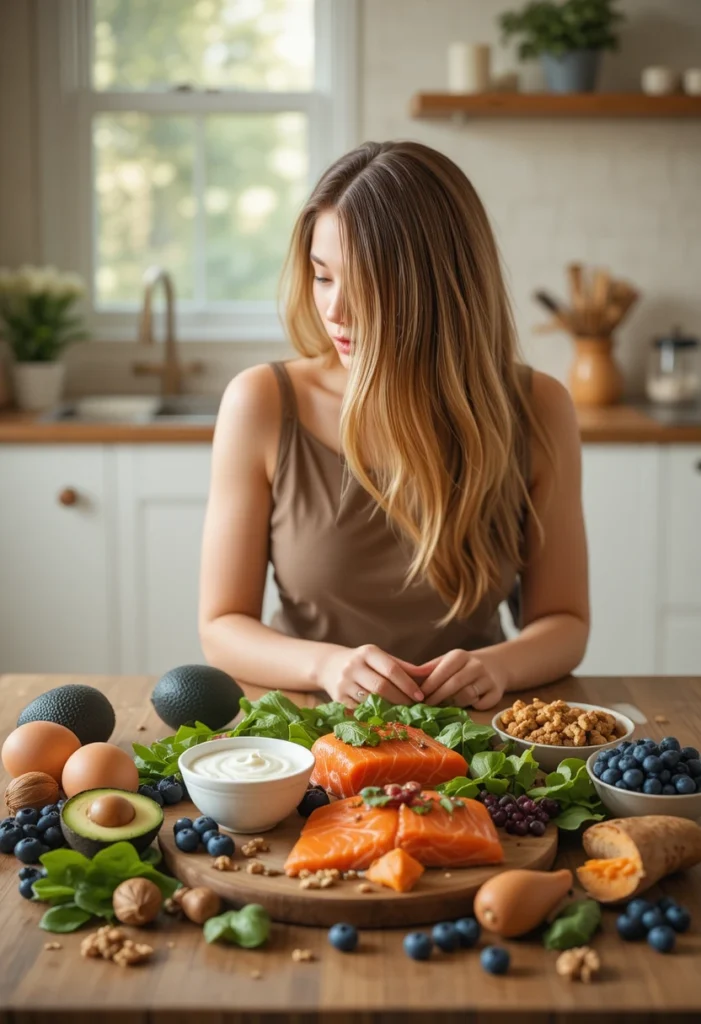
What you eat plays a far bigger role in hair health than most skincare and haircare routines alone can achieve. Incorporating the right hair growth diet foods into your everyday meals can support stronger, fuller hair from the inside, addressing issues that no topical treatment can fully solve on its own. This article breaks down the specific foods that make the biggest difference for healthy hair growth.
Why Diet Matters So Much for Hair Growth
Hair follicles are among the most metabolically active structures in the body, requiring a steady supply of nutrients to function properly and produce healthy strands. When the diet lacks essential vitamins, minerals, or protein, the body often prioritizes more critical functions over hair growth, leading to thinning, shedding, or slower growth over time.
This is why addressing hair concerns purely through external products often falls short if underlying nutritional gaps aren’t also addressed. A diet rich in the right foods provides the building blocks hair actually needs, supporting not just growth but also the strength and shine that come from genuinely healthy strands rather than temporary surface improvements.
Eggs for Biotin and Protein Support
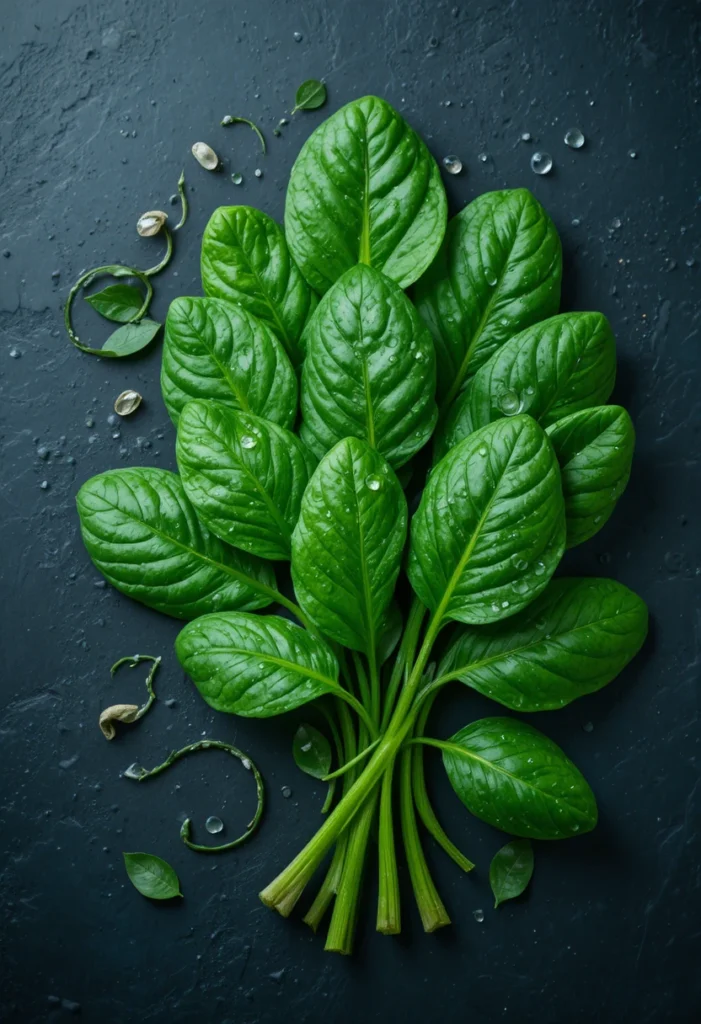
Eggs are frequently highlighted in hair health conversations because they provide both biotin and high-quality protein in a single food. Biotin plays a direct role in the production of keratin, the primary protein that makes up hair strands, while the protein itself supplies the raw materials needed for consistent, healthy growth.
Beyond biotin and protein, eggs also contain zinc and selenium, both of which support a healthy scalp environment where hair follicles can function optimally. Incorporating eggs regularly into meals offers a simple, accessible way to cover several nutritional bases at once, making them one of the most commonly recommended foods for anyone focused on improving hair growth through diet.
Spinach for Iron and Folate
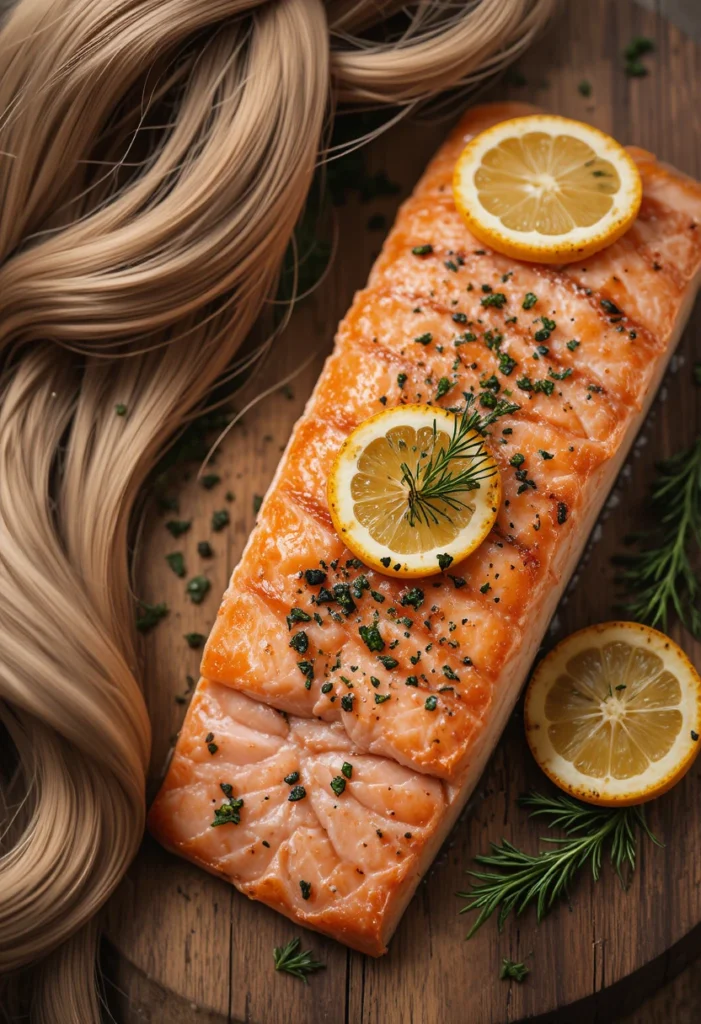
Leafy greens like spinach are packed with iron, a mineral that’s essential for carrying oxygen to hair follicles through the bloodstream. Iron deficiency is one of the most well-documented dietary causes of hair thinning, particularly in women, making iron-rich foods like spinach a valuable addition to any hair-focused diet.
Spinach also provides folate, which supports the production of new cells, including those responsible for hair growth. The combination of these nutrients, along with spinach’s vitamin A content that helps maintain a healthy scalp through sebum production, makes it a well-rounded food for supporting hair health from multiple angles simultaneously.
Salmon for Omega-3 Fatty Acids
Fatty fish like salmon provide a rich source of omega-3 fatty acids, which support scalp health by reducing inflammation that can otherwise interfere with normal hair follicle function. A healthy, non-inflamed scalp creates better conditions for hair to grow consistently rather than being disrupted by irritation or excess oil production.
Salmon also contains high-quality protein and vitamin D, both of which play supporting roles in the hair growth cycle. Vitamin D deficiency in particular has been linked to hair thinning in various studies, making fatty fish a valuable food for addressing multiple nutritional needs that directly influence how well hair grows and maintains its thickness over time.
Sweet Potatoes for Beta-Carotene
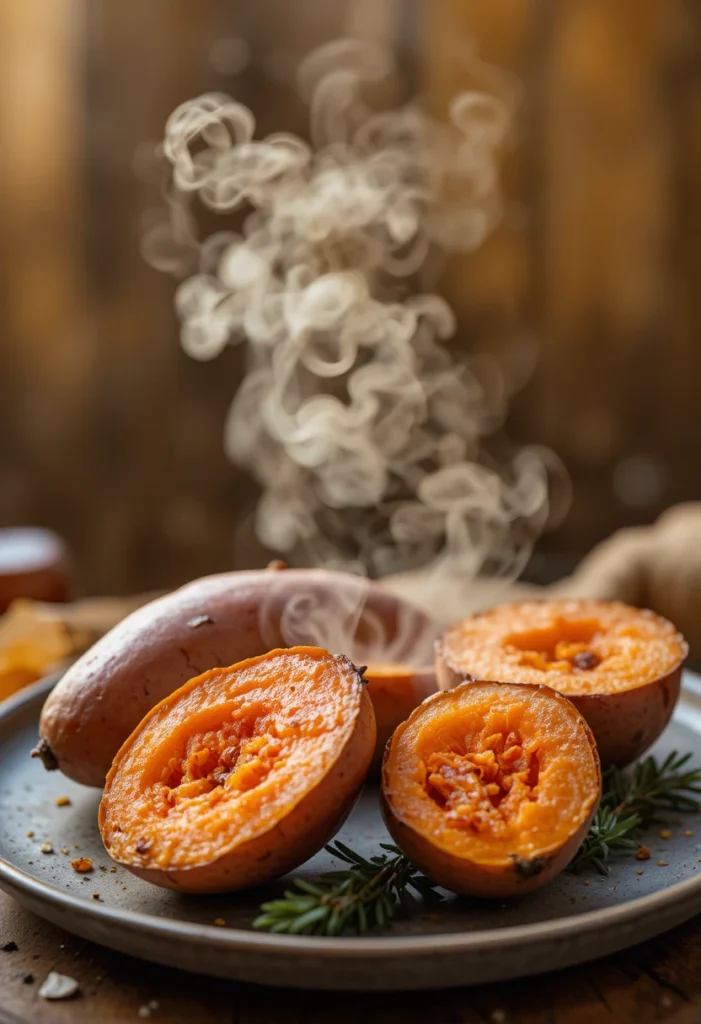
Sweet potatoes are rich in beta-carotene, which the body converts into vitamin A, a nutrient essential for healthy cell growth, including the cells that make up hair follicles. Vitamin A also supports sebum production, the natural oil that keeps the scalp moisturized and helps prevent the kind of dryness that can hinder healthy growth.
While vitamin A is important, it’s worth noting that excessive intake can actually contribute to hair loss rather than prevent it, making moderate consumption through whole foods like sweet potatoes a safer approach than high-dose supplements. This makes sweet potatoes an easy, balanced way to support the vitamin A needs of hair without the risks associated with overconsumption.
Avocados for Healthy Fats and Vitamin E
Read also:16+ Hair Growth Serum DIY Rosemary: Craft a Powerful Blend for Fuller, Stronger Hair
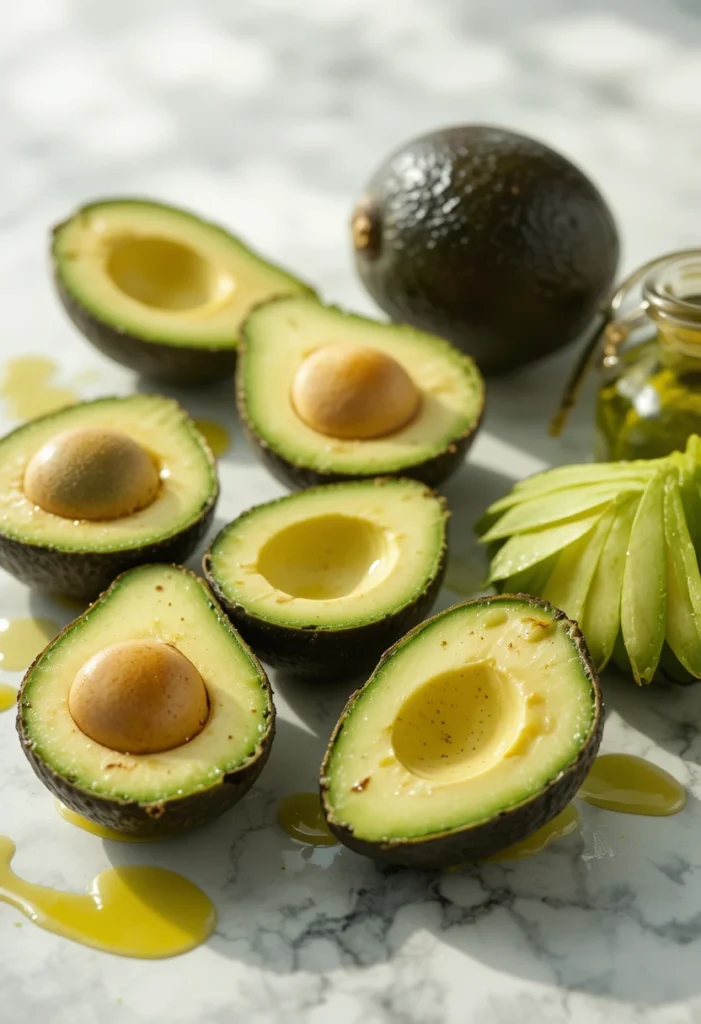
Avocados provide a concentrated source of healthy monounsaturated fats along with vitamin E, an antioxidant that helps protect hair follicles from oxidative stress caused by environmental factors like pollution and UV exposure. This protective effect supports a healthier growth environment over the long term.
The healthy fats in avocados also support overall cell membrane health, which extends to the cells involved in hair growth. Regularly incorporating avocados into meals provides a steady supply of these beneficial fats, making them a versatile and nutrient-dense addition to any diet focused on supporting stronger, healthier hair growth.
Nuts and Seeds for Zinc and Selenium
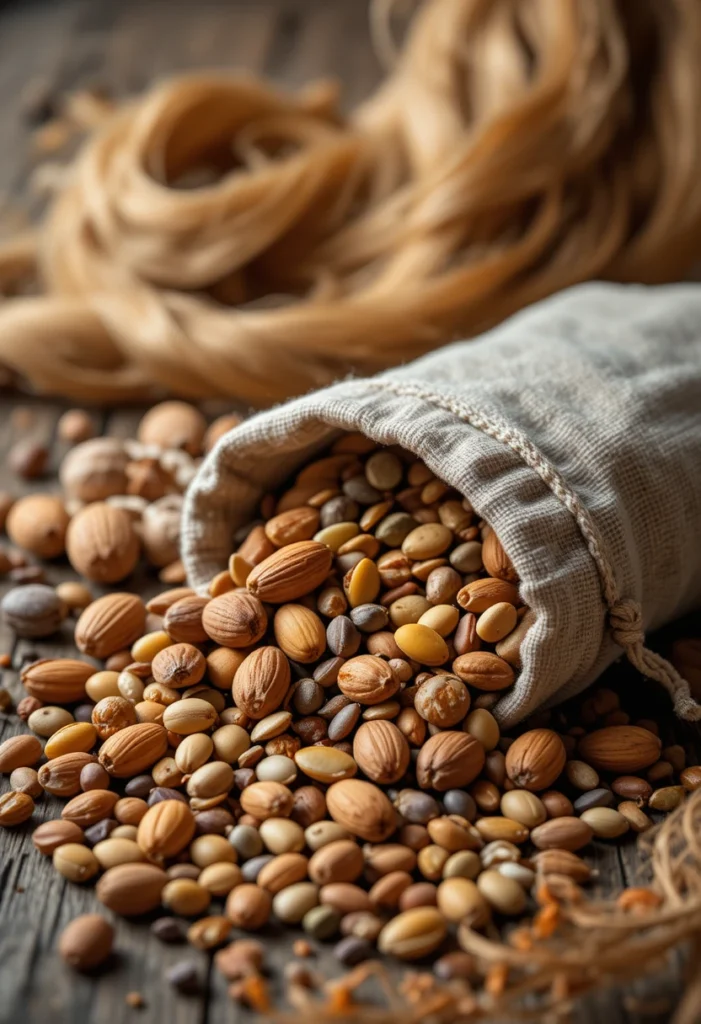
Nuts and seeds, particularly almonds, walnuts, and pumpkin seeds, offer a concentrated source of zinc and selenium, both of which play important roles in hair follicle health and the hair growth cycle. Zinc deficiency in particular has been associated with hair loss and slower regrowth in various studies, making adequate intake important for anyone concerned about thinning.
These foods also provide healthy fats and protein, rounding out their nutritional profile in a way that supports hair health from several angles at once. Because nuts and seeds are easy to snack on or incorporate into meals, they offer a convenient way to consistently meet these specific nutritional needs without requiring significant changes to an existing diet.
Greek Yogurt for Protein and Probiotics
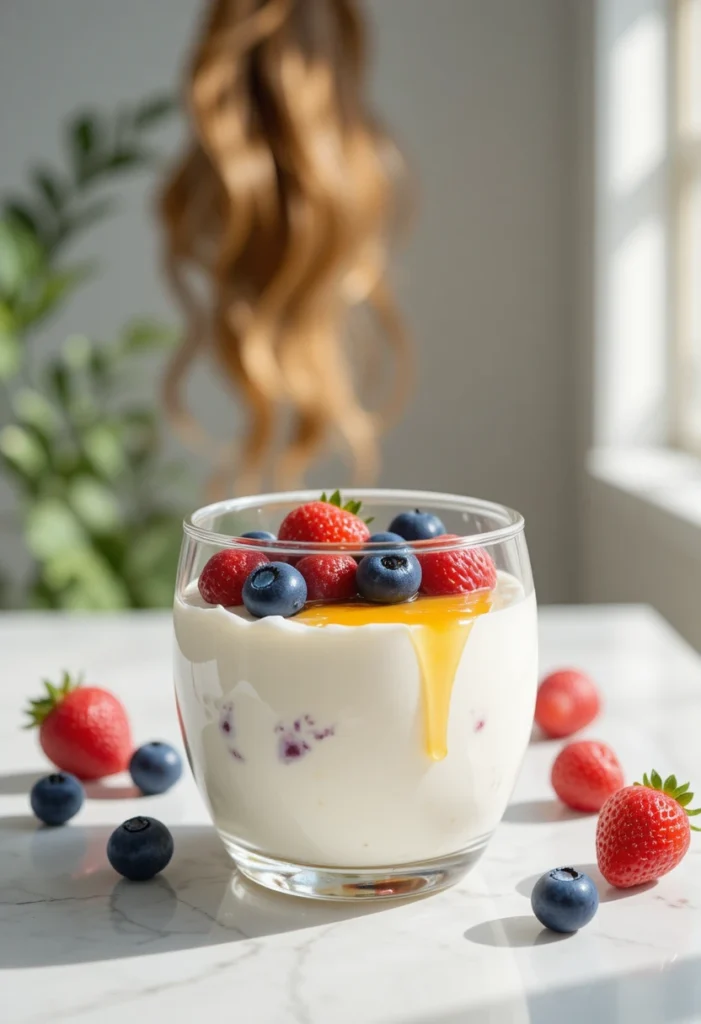
Greek yogurt stands out as a hair-friendly food due to its high protein content, which directly supports the keratin production process that hair growth depends on. Unlike some other protein sources, Greek yogurt is also relatively easy to digest, making its nutrients more readily available for the body to use.
Beyond protein, the probiotics found in Greek yogurt support gut health, which has increasingly been linked to how well the body absorbs nutrients relevant to hair growth. A healthier gut environment can improve overall nutrient absorption, indirectly supporting hair health even when the food itself doesn’t directly target hair-specific nutrients.
Berries for Vitamin C and Antioxidants
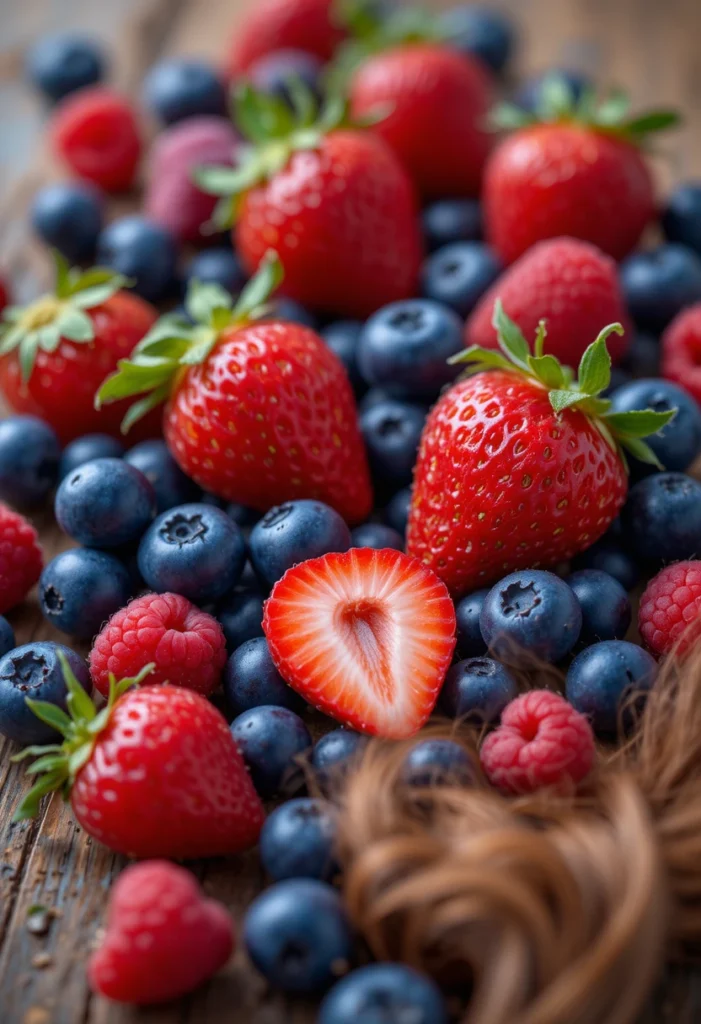
Berries, including strawberries, blueberries, and raspberries, provide a strong dose of vitamin C, which plays a crucial role in collagen production. Collagen forms part of the hair’s structure, and adequate vitamin C intake helps support this process while also improving the body’s ability to absorb iron from other foods.
The antioxidants found in berries additionally help protect hair follicles from oxidative damage caused by free radicals, which can otherwise contribute to premature thinning or slowed growth over time. Incorporating a variety of berries into the diet offers a flavorful, easy way to support hair health while also contributing to overall wellness through their broader antioxidant benefits.
Lentils and Beans for Plant-Based Protein and Iron
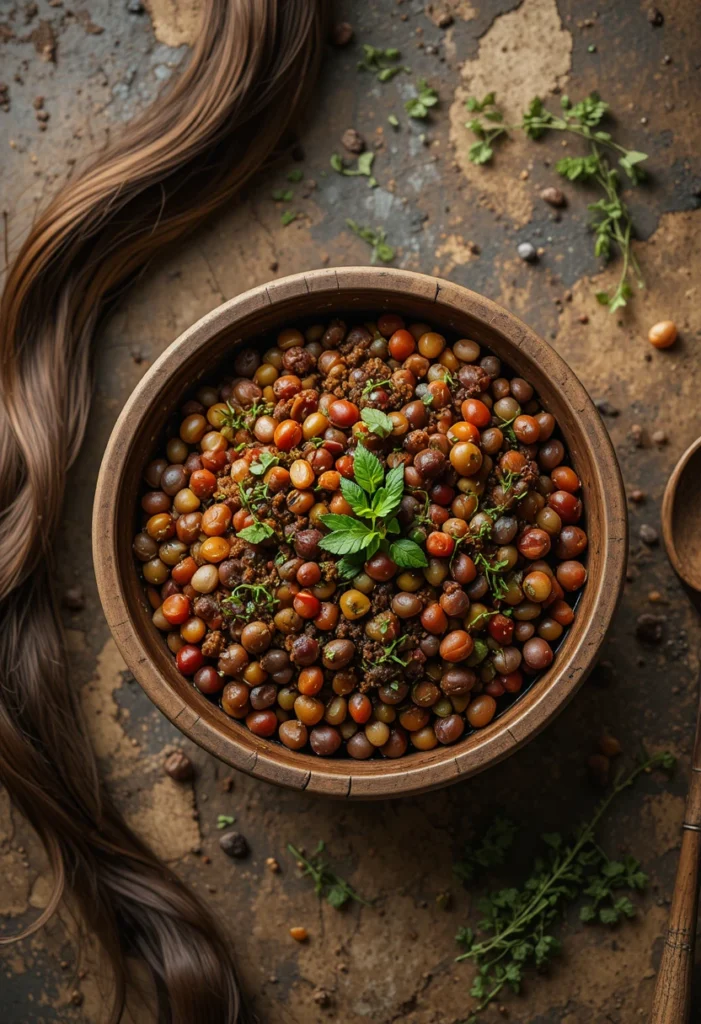
For those following a plant-based diet, lentils and beans offer an excellent source of both protein and iron, two nutrients that are essential for healthy hair growth but can be more challenging to obtain without animal products. These legumes provide a substantial nutritional boost without requiring significant dietary compromises.
Beans and lentils also contain biotin and zinc, further rounding out their profile as a hair-supportive food group. Their versatility in cooking makes them easy to incorporate into a wide range of meals, offering a practical, plant-based solution for meeting several key nutritional needs simultaneously without relying on animal-based sources.
Oysters and Shellfish for Zinc
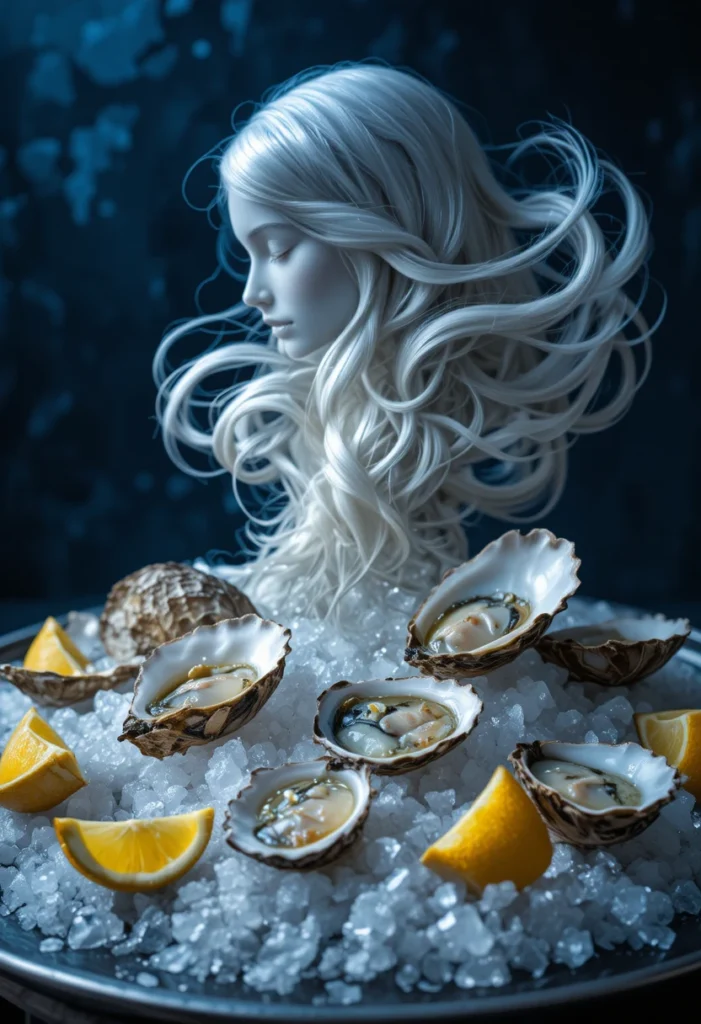
Oysters are particularly notable for their exceptionally high zinc content, among the highest of any commonly consumed food. Given zinc’s established role in hair growth and follicle health, oysters offer one of the most concentrated dietary sources available for addressing this specific nutritional need directly.
Other shellfish, like crab and shrimp, also provide meaningful amounts of zinc alongside protein, making seafood in general a valuable category for those looking to support hair growth through diet. For those who enjoy seafood, incorporating these options regularly can provide a significant nutritional advantage over relying solely on land-based protein sources for the same nutrients.
Bell Peppers for Vitamin C Support
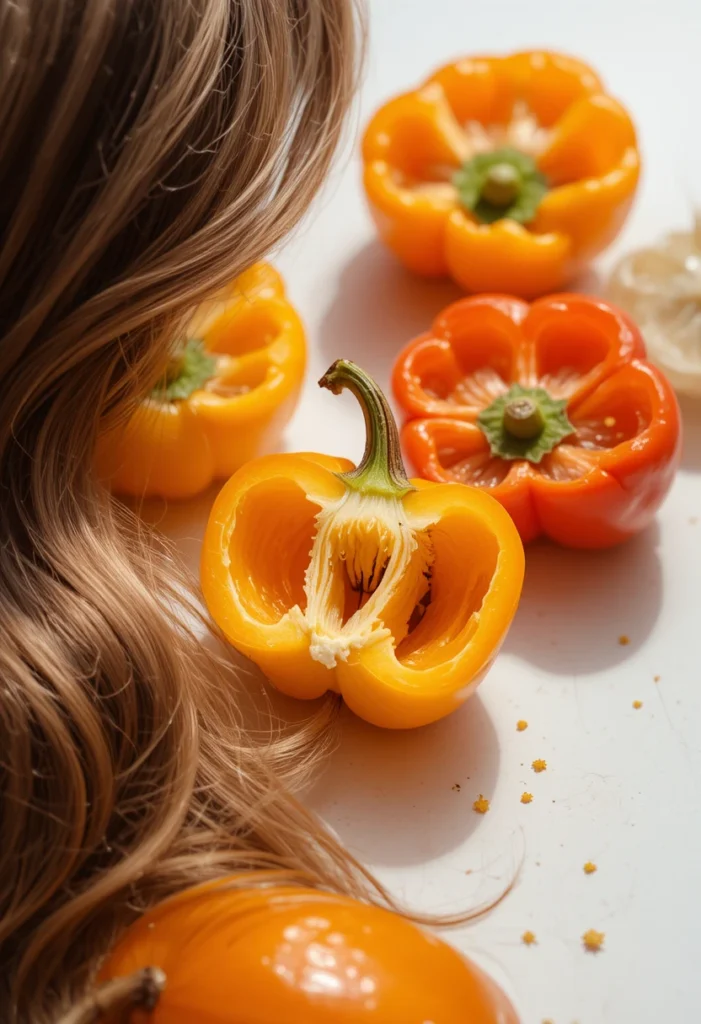
Bell peppers, particularly the red variety, contain remarkably high levels of vitamin C, often surpassing even citrus fruits in concentration. This makes them a valuable addition for supporting collagen production and improving iron absorption, both of which play supporting roles in maintaining healthy hair structure and growth.
Their versatility in cooking, whether raw in salads or cooked into various dishes, makes bell peppers an easy food to incorporate frequently without much effort. Combining bell peppers with iron-rich foods like spinach or lentils in the same meal can further enhance how effectively the body absorbs that iron, creating a practical synergy between different hair-supportive foods.
Whole Grains for B Vitamins
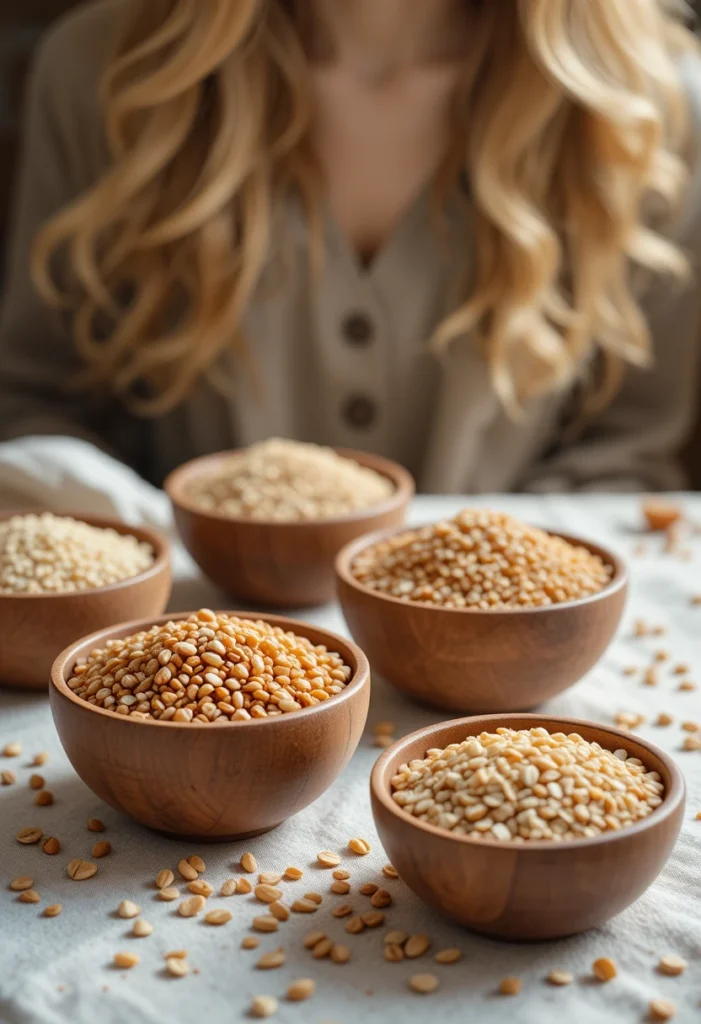
Whole grains like oats, quinoa, and brown rice provide a range of B vitamins that support energy metabolism within cells, including those responsible for hair growth. These vitamins help convert food into usable energy, ensuring hair follicles have the resources they need to maintain consistent, healthy growth cycles.
Whole grains also offer a steady source of complex carbohydrates, which help maintain stable blood sugar levels throughout the day. Since significant blood sugar fluctuations can sometimes contribute to hormonal imbalances that affect hair growth, incorporating whole grains regularly supports overall stability that indirectly benefits hair health alongside their direct nutritional contributions.
Pumpkin Seeds for Omega-3s and Minerals
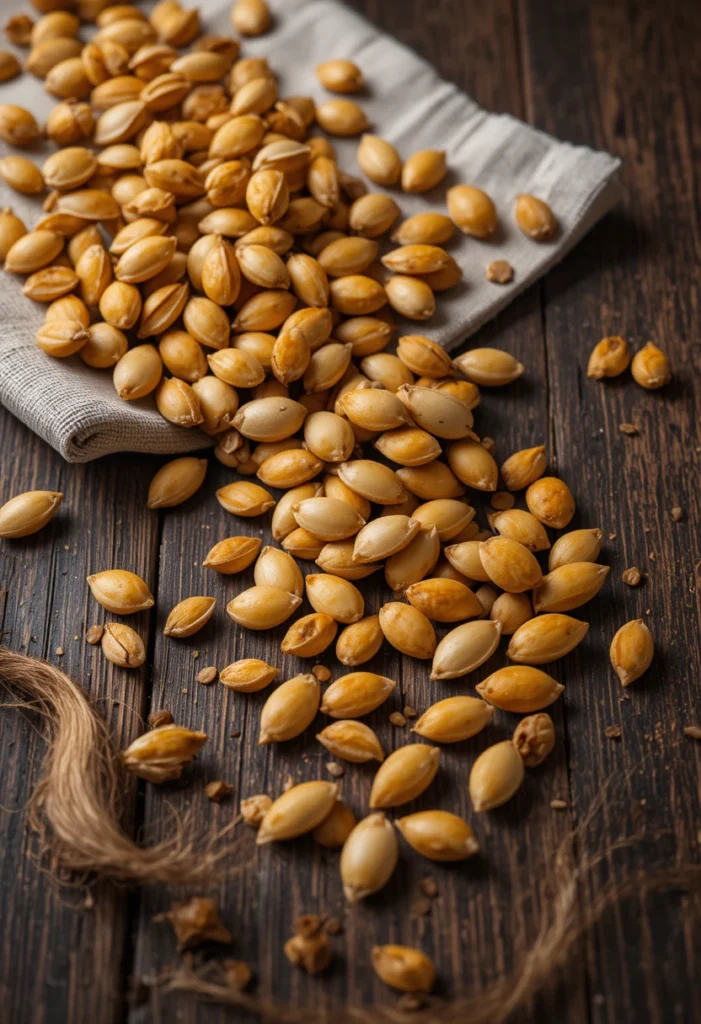
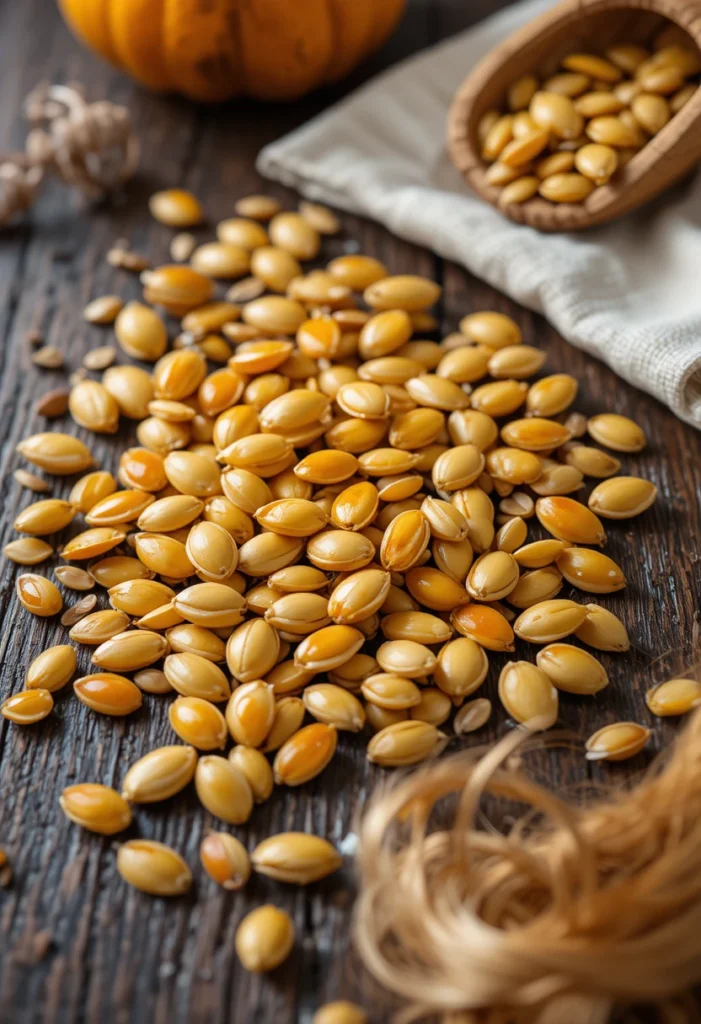
Pumpkin seeds pack a surprising amount of nutritional value into a small serving, offering omega-3 fatty acids, zinc, magnesium, and iron all in one food. This combination makes them particularly effective for supporting the multiple nutritional needs that healthy hair growth depends on simultaneously.
Easy to sprinkle over salads, blend into smoothies, or eat on their own as a snack, pumpkin seeds offer a convenient way to boost nutrient intake without requiring significant changes to existing meals. Their mild, nutty flavor also makes them a versatile addition that fits easily into a wide range of dietary preferences and eating styles.
Building a Balanced Diet for Long-Term Hair Health
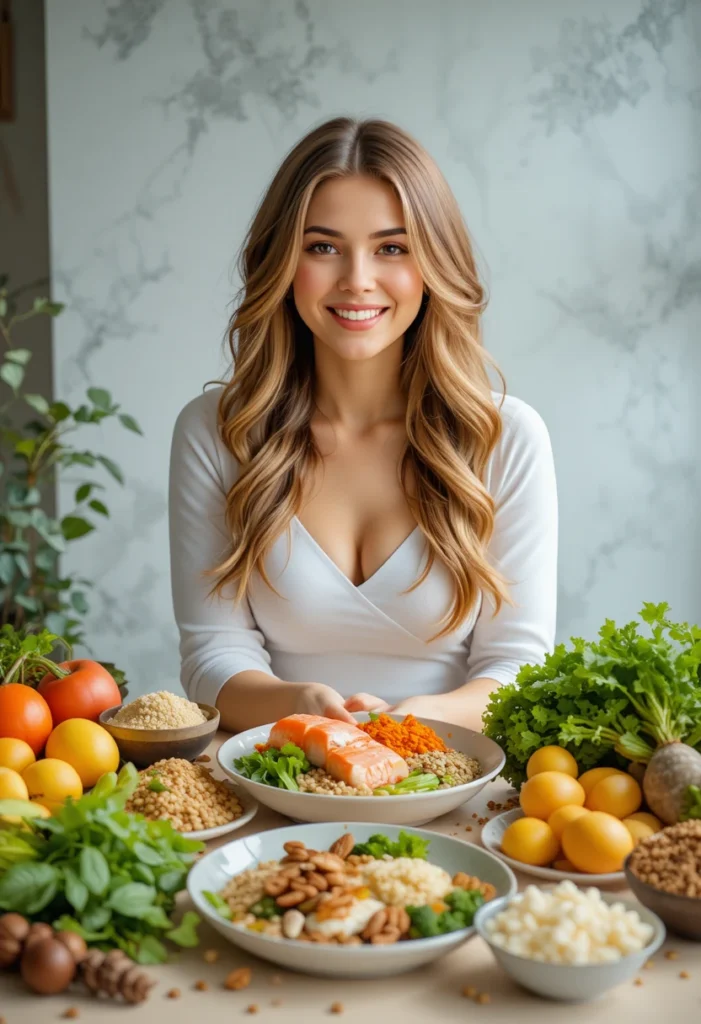
While individual foods offer specific benefits, the most effective approach to supporting hair growth through diet involves combining a variety of these nutrient-dense options into a well-rounded eating pattern. Relying too heavily on just one or two foods, even highly beneficial ones, rarely provides the full spectrum of nutrients that healthy hair growth actually requires.
Consistency also matters significantly more than occasional efforts, since hair growth operates on a slow biological timeline that reflects nutritional patterns over months rather than days. Building sustainable eating habits that regularly incorporate these hair-supportive foods, rather than treating them as a temporary fix, tends to produce the most meaningful and lasting improvements in hair health over time.
Conclusion
Supporting hair growth through diet isn’t about finding one miracle food, but about consistently nourishing your body with a variety of nutrient-rich options that work together. With patience and a well-rounded approach, the right foods can genuinely transform how strong, full, and healthy your hair looks from the inside out.

Mehboob Ahmad is the founder and writer behind BeautyVibeWorld. With a genuine passion for skincare, makeup, and everyday beauty routines, Mehboob started this platform to share simple, practical, and research-backed advice that real people can actually use without the confusion of conflicting trends and overhyped products.
Every article on BeautyVibeWorld is written with care, backed by research, and regularly updated to stay accurate and relevant. Mehboob believes good beauty advice should be honest, easy to follow, and free of unnecessary complexity.
Outside of writing, Mehboob enjoys exploring new beauty trends and staying up to date with the latest in skincare and haircare research to keep bringing fresh, reliable content to BeautyVibeWorld readers.