
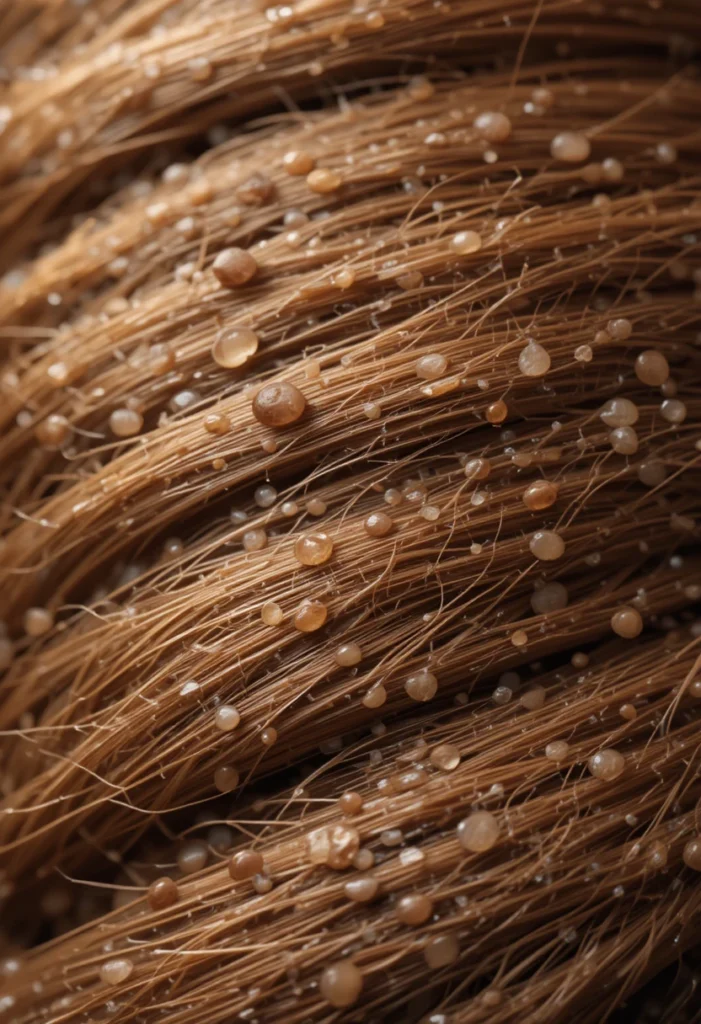
If your hair takes forever to dry, resists getting wet in the shower, and seems to repel every product you apply, you’re likely dealing with low porosity strands. A tailored low porosity hair care routine can completely change how your hair responds to moisture and styling. This article covers everything needed to work with, rather than against, this often misunderstood hair type.
Understanding What Low Porosity Hair Really Means
Low porosity hair has a cuticle layer that lies flat and tightly overlapped, creating a natural barrier that resists both moisture entering and leaving the strand. This structural tightness is why low porosity hair often feels resistant to getting fully saturated during washing, yet once moisture does get in, it tends to stay locked in for longer than other porosity types.
This characteristic explains many of the common frustrations associated with low porosity hair, including product buildup and a tendency for treatments to sit on the surface rather than absorb properly. Recognizing this underlying structure is the first step toward building a routine that actually works with the hair’s natural tendencies instead of fighting against them repeatedly.
Why Standard Hair Products Often Fail on Low Porosity Hair
Many mainstream hair products are formulated with heavier oils and butters that work well for higher porosity hair but end up sitting uselessly on top of low porosity strands. This mismatch is why so many people with this hair type end up feeling like nothing works, when in reality, the products themselves simply aren’t suited to their specific hair structure.
Understanding this mismatch reframes the entire approach to product selection. Instead of assuming a product is ineffective, recognizing that it may just be too heavy or improperly formulated for low porosity hair opens the door to trying lighter, water-based alternatives that are far more likely to actually absorb and deliver their intended benefits.
Using Lightweight, Water-Based Products
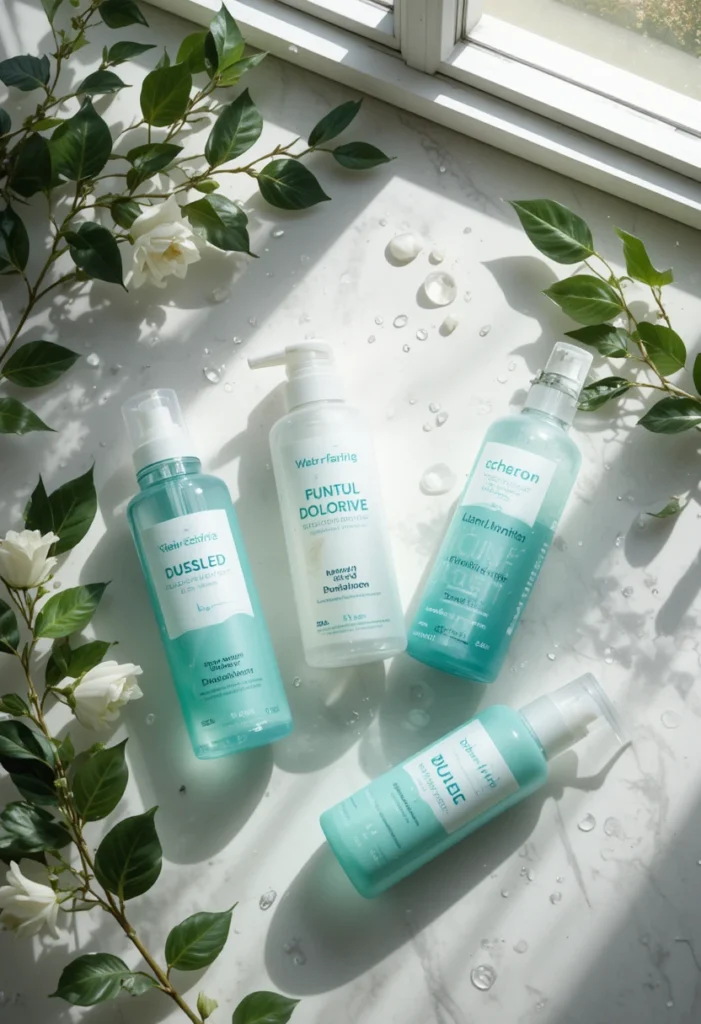
Because low porosity hair struggles to absorb heavy creams and oils, prioritizing lightweight, water-based formulas throughout a routine makes a substantial difference in how well products actually perform. These formulations are designed to penetrate more easily, delivering hydration without leaving behind the greasy, weighed-down feeling that heavier products often cause on this hair type.
Looking for products where water or aloe vera juice appears as one of the first ingredients, rather than oils or butters, generally indicates a formula better suited for low porosity hair. This simple adjustment in product selection often resolves many of the buildup and absorption issues that people with this hair type struggle with when using standard, one-size-fits-all products.
The Importance of Applying Products to Damp Hair
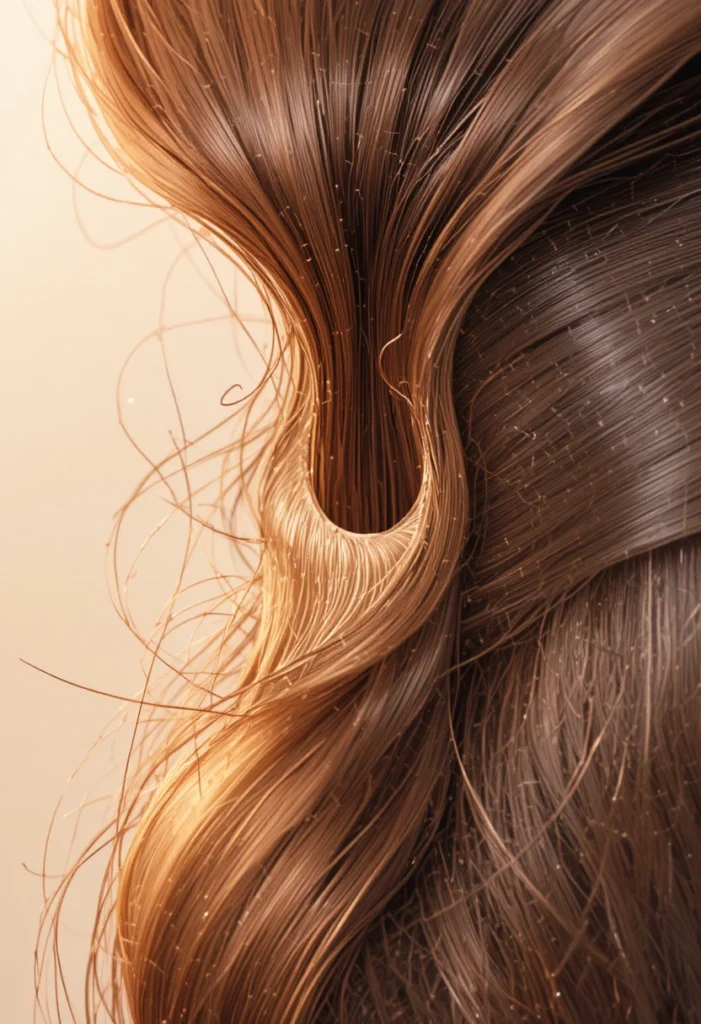
Timing plays a significant role in how well products absorb into low porosity strands. Applying conditioners, leave-ins, or styling products to hair that’s already damp, rather than fully dry, gives the cuticle a better chance to accept the product before it has a chance to close back up and resist absorption.
This approach works because the water already present in damp hair helps slightly lift the cuticle, creating a brief window where products can penetrate more effectively. Waiting until hair is completely dry to apply additional treatments often results in those products simply sitting on the surface, reinforcing the very buildup issues that low porosity hair is already prone to experiencing.
Read also:12+ Negative Space Nail Art Ideas: Discover Effortless Elegance in Minimalist Design
Using Heat to Open the Cuticle During Treatments
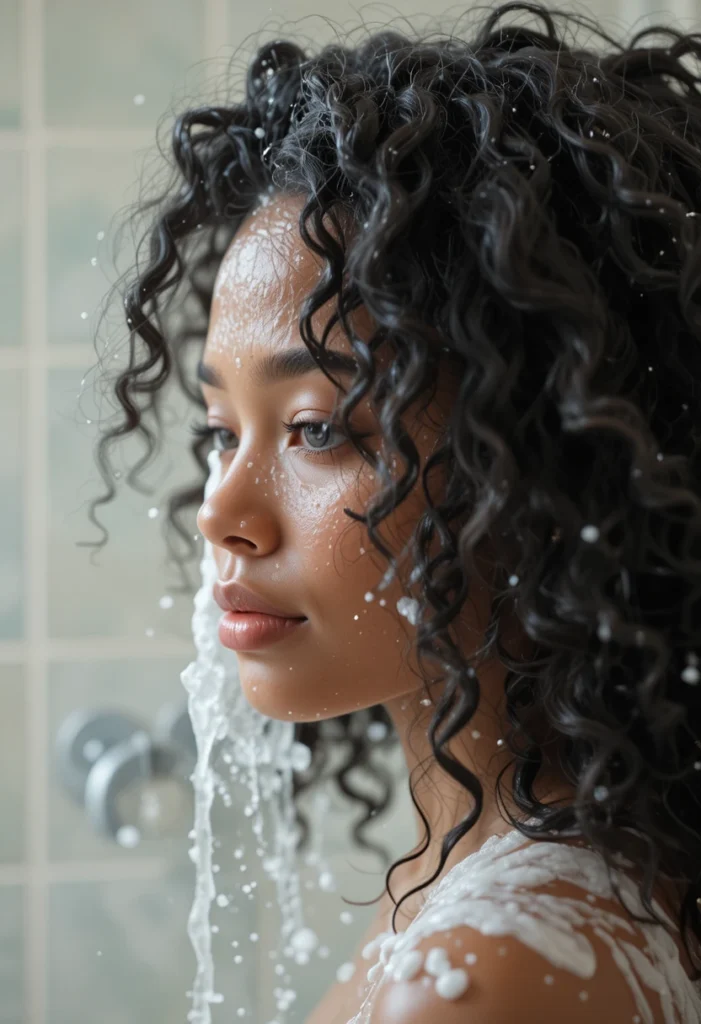
Since low porosity hair’s cuticle naturally resists opening, incorporating gentle heat during deep conditioning or treatment sessions can significantly improve product absorption. A warm towel, steamer, or hooded dryer helps lift the cuticle slightly, creating a temporary opening that allows moisture and nutrients to penetrate more deeply than they would at room temperature.
This heat-assisted approach is often considered one of the most effective techniques specifically for this hair type, since it directly addresses the structural resistance that makes low porosity hair so challenging to hydrate through standard methods alone. Even fifteen to twenty minutes of added warmth during a treatment can make a noticeable difference in how soft and hydrated hair feels afterward.
Clarifying Regularly to Prevent Buildup
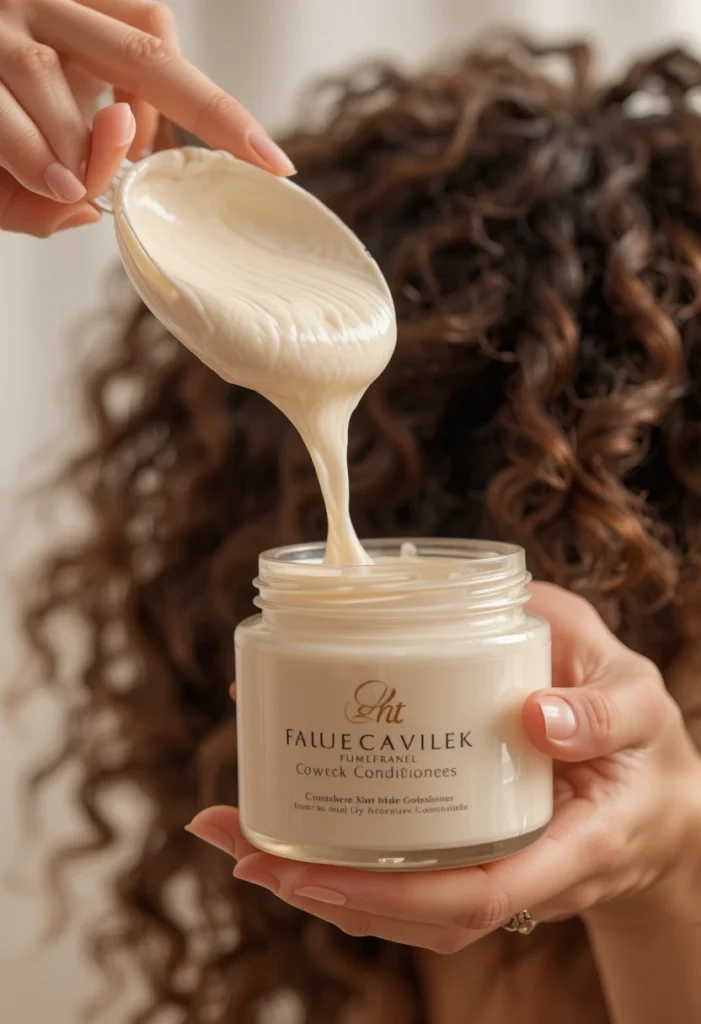
Because products often sit on the surface of low porosity hair rather than fully absorbing, buildup accumulates more quickly and noticeably than it does for other porosity types. Regular clarifying washes help remove this residue, giving future products a cleaner surface to work with and improving overall absorption in the process.
Skipping this step often leads to a frustrating cycle where hair feels increasingly weighed down despite using seemingly beneficial products. Incorporating a clarifying shampoo every one to two weeks, depending on how much product is used regularly, helps break this cycle and keeps low porosity hair responding well to the rest of a care routine.
Choosing the Right Conditioner Formula
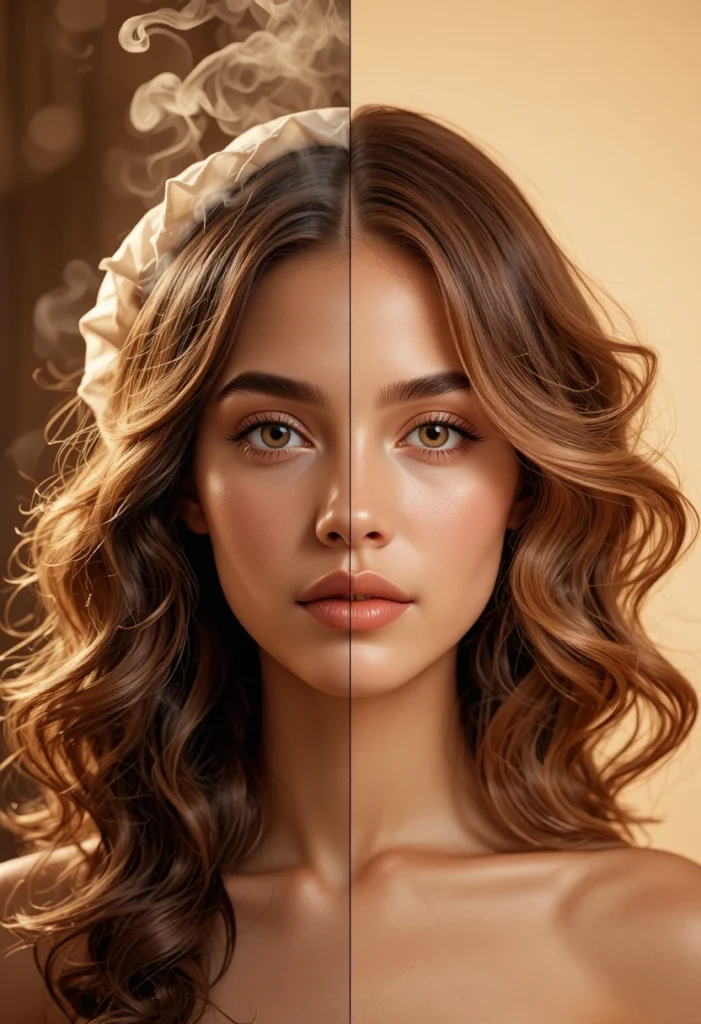
Conditioner selection matters significantly for low porosity hair, where the wrong formula can either fail to hydrate adequately or contribute to unwanted buildup. Lightweight, humectant-rich conditioners tend to work best, drawing moisture into the hair without adding the heavy oils that this hair type struggles to absorb effectively.
Leaving conditioner on for a few extra minutes, ideally with some added warmth, allows for better penetration than a quick rinse would achieve. Rinsing thoroughly afterward is equally important, since any residue left behind can compound existing buildup issues that are already more common with this particular hair structure.
The Role of Steam Treatments in a Low Porosity Routine
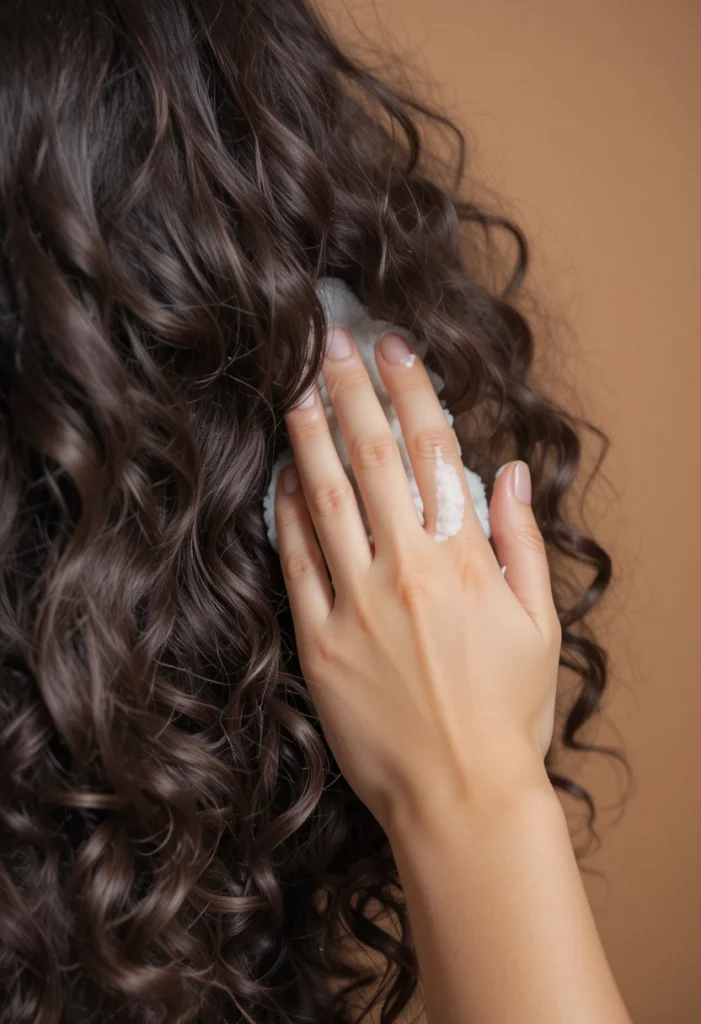
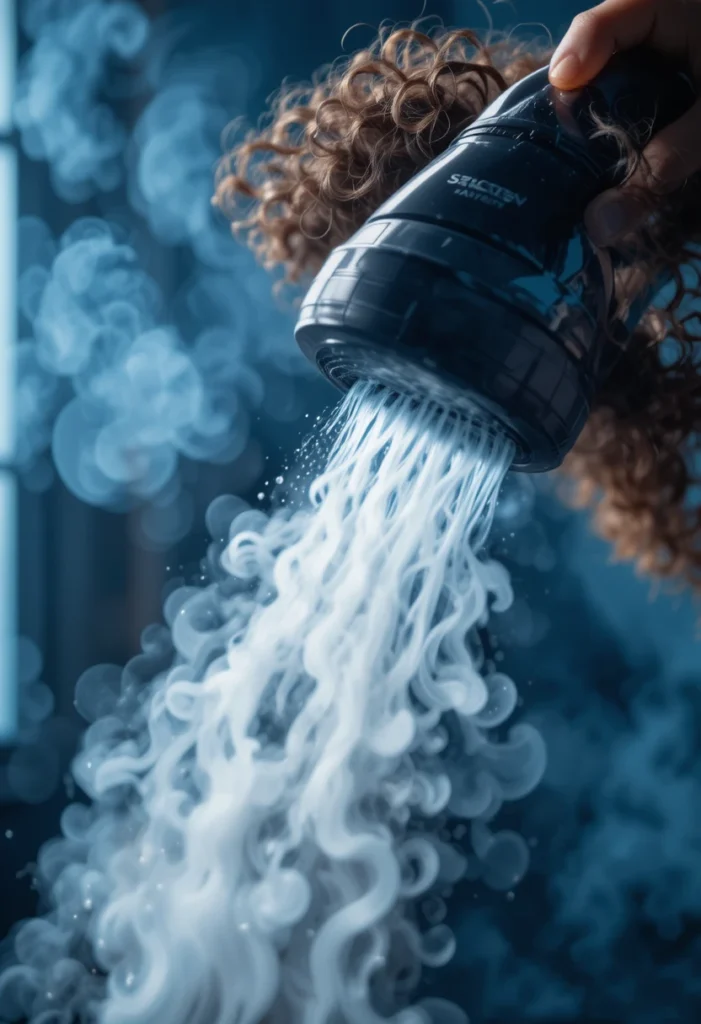
Steam treatments have become particularly popular within low porosity hair care circles because they directly address the cuticle’s natural resistance to opening. Using a hair steamer during deep conditioning sessions introduces consistent, gentle heat and moisture simultaneously, creating ideal conditions for products to actually penetrate the strand.
Regular steam treatments, even just once every week or two, can produce noticeably better hydration results compared to relying solely on room-temperature product application. This technique has become a cornerstone recommendation for anyone serious about improving how their low porosity hair responds to moisture-focused treatments.
Avoiding Protein Overload on Low Porosity Hair
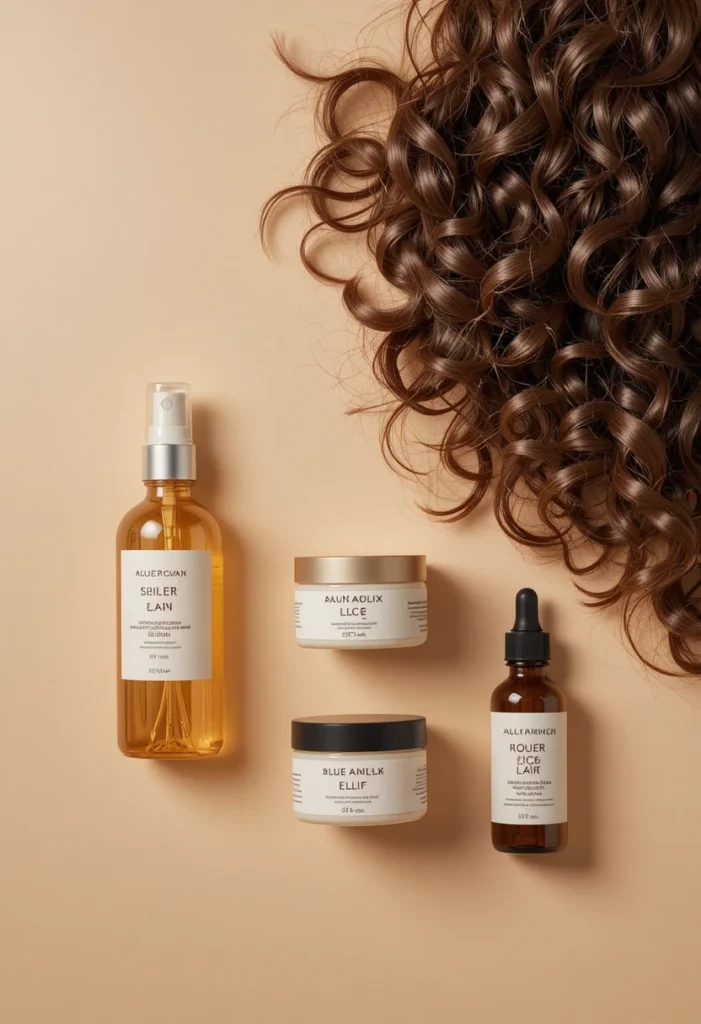
Low porosity hair is often more prone to protein overload than other porosity types, since the tightly sealed cuticle already provides a degree of natural strength, meaning additional protein can quickly tip the balance toward stiffness and brittleness rather than added benefit.
Being selective about how often protein treatments are used, and paying close attention to how hair responds afterward, helps avoid this common pitfall. When protein treatments are used, following up promptly with a lightweight, moisture-focused product helps maintain balance rather than allowing the hair to become overly hardened from excessive protein exposure.
Using the LOC or LCO Method Effectively
The LOC method, standing for liquid, oil, cream, and its variation LCO, which swaps the order of oil and cream, are popular layering techniques for locking in moisture. For low porosity hair, the LCO method often works better, since applying a lighter cream before a heavier oil reduces the risk of the oil sitting on top without being properly absorbed.
Adjusting the specific products used within this method to lighter formulations, rather than the heavier options often recommended for higher porosity hair, ensures the technique actually works as intended. This small adjustment in product weight and application order can make a significant difference in how effectively moisture is retained throughout the day.
Deep Conditioning Frequency for Low Porosity Hair
While regular deep conditioning benefits nearly every hair type, low porosity hair often requires a slightly adjusted approach in terms of frequency and technique. Because absorption is naturally slower, extending deep conditioning sessions with added heat, rather than simply increasing how often treatments are done, tends to produce better results.
Overdoing deep conditioning frequency without addressing the underlying absorption issue often just adds to existing buildup rather than solving the moisture problem. Focusing on making each session more effective through heat and appropriate product choice tends to outperform simply conditioning more frequently with the same ineffective approach.
Selecting Sulfate-Free Shampoos Without Excessive Buildup Prevention
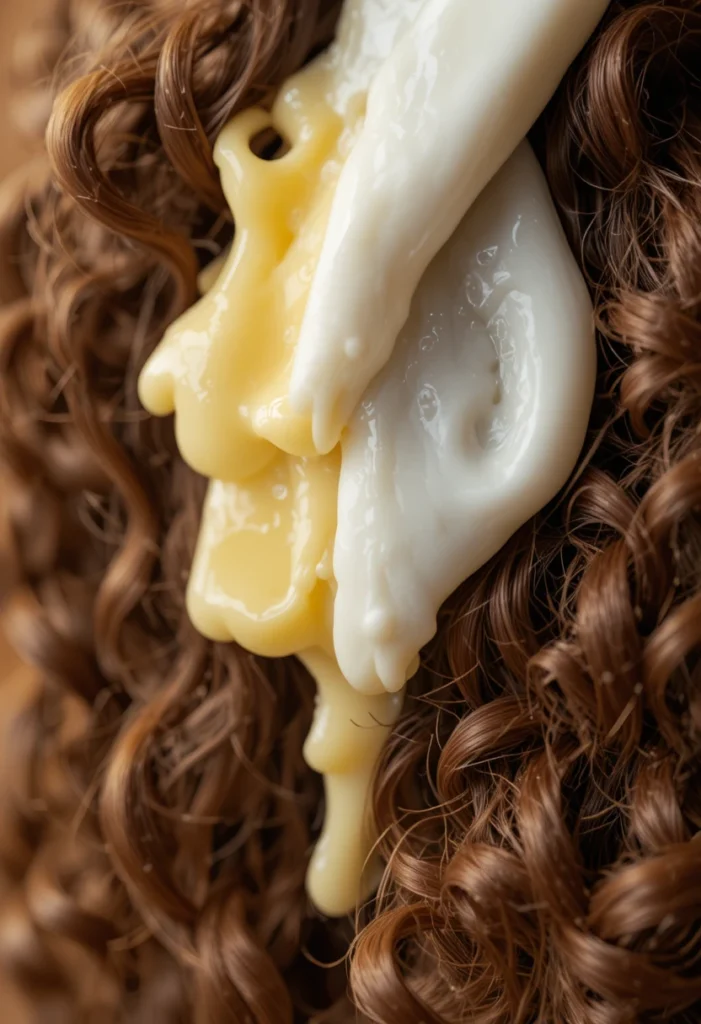
Sulfate-free shampoos are generally recommended across most hair types, but low porosity hair benefits from formulas that still cleanse thoroughly enough to prevent the buildup this hair type is already prone to. Overly gentle, low-lather formulas sometimes fail to adequately clean low porosity hair, allowing product residue to accumulate more quickly than expected.
Finding a balance between gentle, sulfate-free cleansing and adequate buildup removal often requires some experimentation, since low porosity hair’s specific needs don’t always align perfectly with general sulfate-free recommendations designed for broader hair care audiences. Paying attention to how hair feels after each wash helps fine-tune this balance over time.
Avoiding Heavy Butters and Oils
Rich butters like shea or heavy oils such as castor oil, while beneficial for many hair types, often prove counterproductive for low porosity hair, sitting on the surface without absorbing and contributing to a greasy, weighed-down feeling rather than genuine hydration.
Opting for lighter oils, such as grapeseed or argan, in smaller amounts tends to work significantly better for sealing in moisture without the heaviness that thicker options bring. This adjustment in product weight throughout an entire routine, not just in one or two steps, often makes the most noticeable overall difference for those managing low porosity hair.
Incorporating Humectants for Better Moisture Retention
Humectants, ingredients that draw moisture from the air into the hair, can be particularly beneficial for low porosity hair when used correctly. Ingredients like glycerin or honey help pull in additional hydration, supplementing what the hair struggles to absorb through standard product application alone.
However, humectants can sometimes cause frizz in low porosity hair if used in overly humid conditions, since the hair’s resistant cuticle can trap this extra moisture unevenly. Adjusting humectant use based on climate and season, rather than applying them consistently year-round, helps maximize their benefits while minimizing any unwanted frizz they might otherwise cause.
Adjusting Wash Day Routines for Better Results
A wash day routine for low porosity hair often benefits from a specific sequence: clarifying periodically to prevent buildup, applying conditioner to damp hair with added heat, and following up with lightweight leave-in products applied while hair is still wet. This structured approach directly addresses the absorption challenges unique to this hair type.
Rushing through wash day or skipping the heat-assisted conditioning step often results in hair that feels just as resistant to hydration as before the routine began. Taking the extra time for this more deliberate approach tends to produce noticeably better results than following a generic wash day routine not tailored to low porosity hair’s specific needs.
Recognizing When Your Routine Needs Adjusting
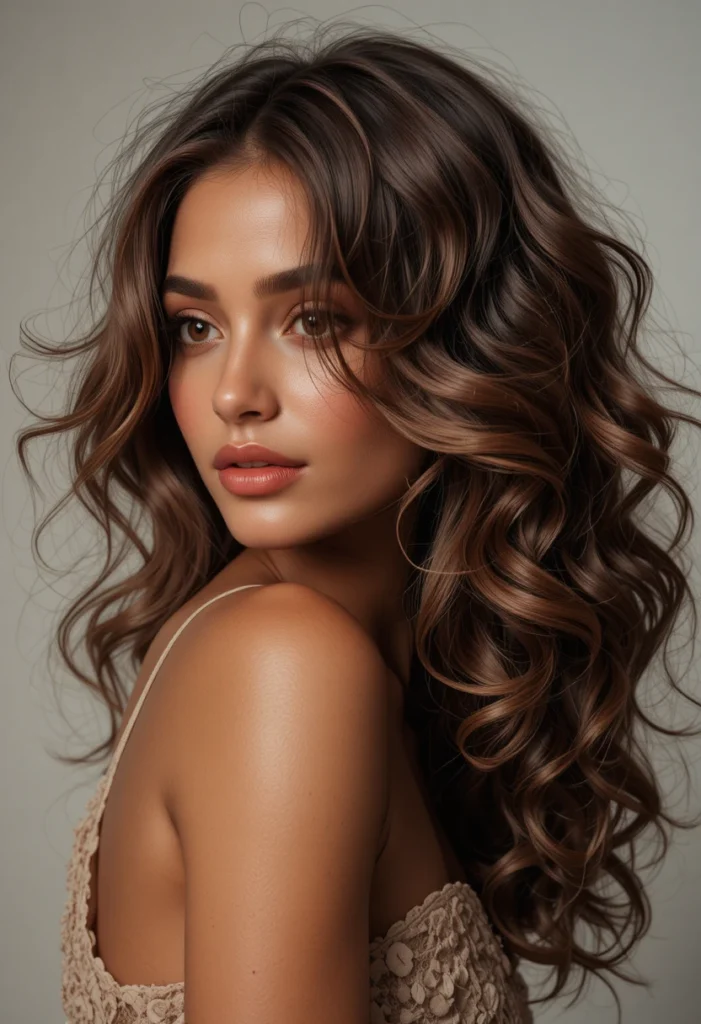
Even a well-tailored low porosity routine may need periodic adjustments, particularly as seasons change or hair experiences shifts due to styling habits or environmental factors. Signs that a routine needs revisiting include increased buildup despite regular clarifying, hair that feels unusually dry despite consistent moisture efforts, or reduced effectiveness from previously reliable products.
Staying attentive to these changes and willing to experiment with adjustments, whether that means switching product weights, changing clarifying frequency, or incorporating more or less heat during treatments, helps maintain a routine that continues working effectively over time rather than becoming outdated as hair’s needs shift.
Conclusion
Caring for low porosity hair comes down to understanding its natural resistance to moisture and building a routine specifically designed to work around that structure. With the right lightweight products, heat-assisted techniques, and consistent care, low porosity hair can become far more manageable, hydrated, and responsive than it might currently seem.

Mehboob Ahmad is the founder and writer behind BeautyVibeWorld. With a genuine passion for skincare, makeup, and everyday beauty routines, Mehboob started this platform to share simple, practical, and research-backed advice that real people can actually use without the confusion of conflicting trends and overhyped products.
Every article on BeautyVibeWorld is written with care, backed by research, and regularly updated to stay accurate and relevant. Mehboob believes good beauty advice should be honest, easy to follow, and free of unnecessary complexity.
Outside of writing, Mehboob enjoys exploring new beauty trends and staying up to date with the latest in skincare and haircare research to keep bringing fresh, reliable content to BeautyVibeWorld readers.