
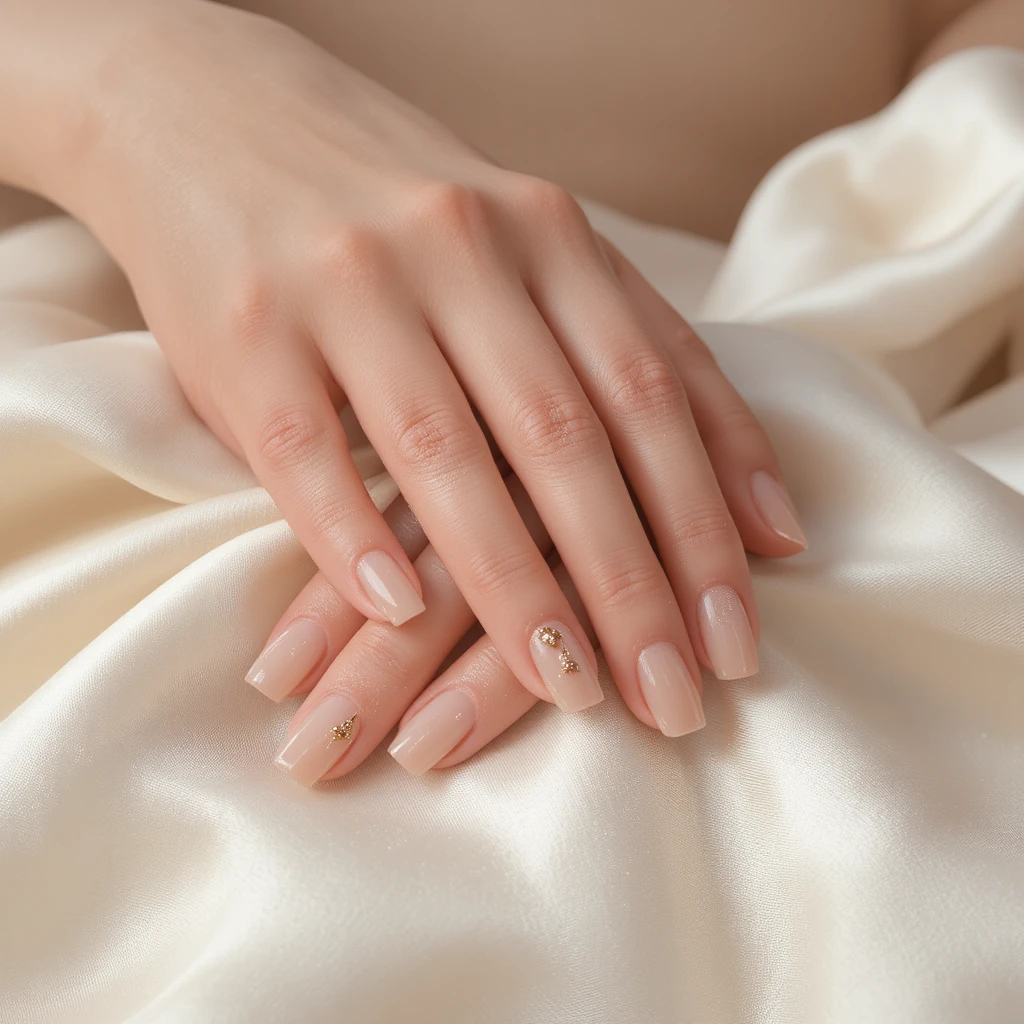
Negative space nail art has carved out its own place in the beauty world by proving that sometimes the most striking designs come from what’s left unpainted rather than what’s added. By allowing bare nail to peek through as part of the design itself, this technique creates a modern, airy aesthetic that feels both minimal and intentional. It’s a style that rewards precision over volume, making every uncovered sliver of nail just as important as the polish surrounding it.
This guide explores more than twelve ways to approach this technique, covering placement choices, shapes, and pairing ideas that highlight the natural nail as part of the overall composition. Whether you’re drawn to clean geometric cutouts or soft, organic gaps, these ideas will help you understand what makes this style so distinct and how to adapt it to your own preferences.
Understanding The Concept Behind Negative Space Design
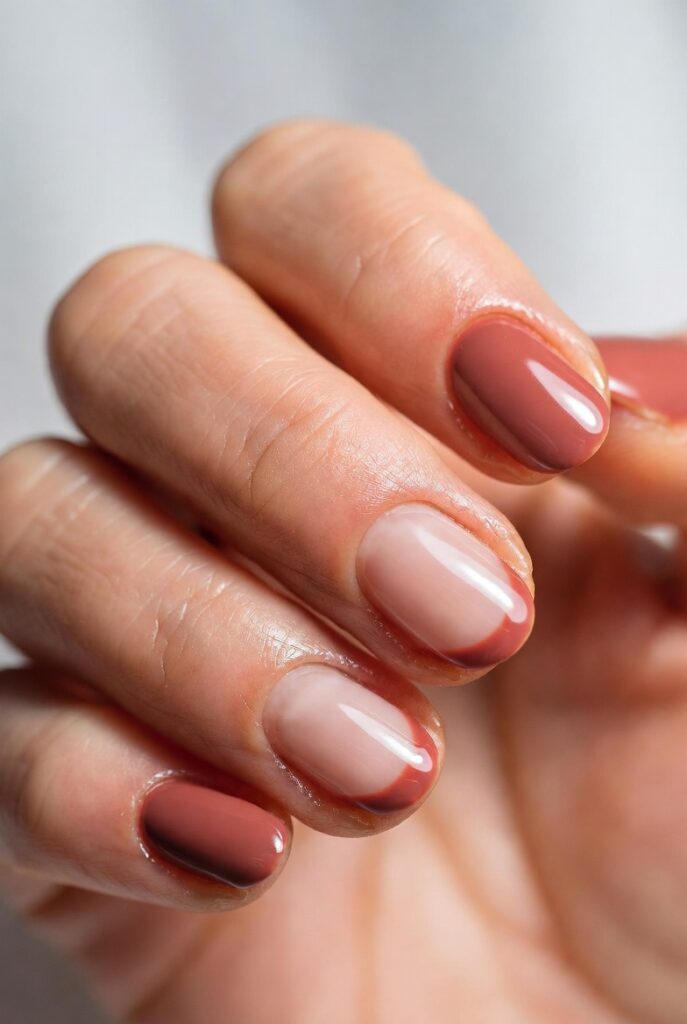
At its foundation, this technique relies on strategic gaps left within a painted design, allowing the natural nail to become part of the visual composition rather than something to be fully covered. This contrast between polish and bare nail creates a sense of depth and structure that fully covered designs simply can’t replicate. The unpainted sections aren’t an afterthought here; they’re deliberately placed to shape the overall look.
What makes this approach particularly appealing is its reliance on contrast and balance rather than color variety or embellishment. A single polish color, paired thoughtfully with the natural nail, can create a design that feels far more sophisticated than a fully painted alternative using multiple shades. Understanding this balance between covered and uncovered space is the starting point for exploring the many variations this technique allows.
Geometric Cutouts For A Modern Edge
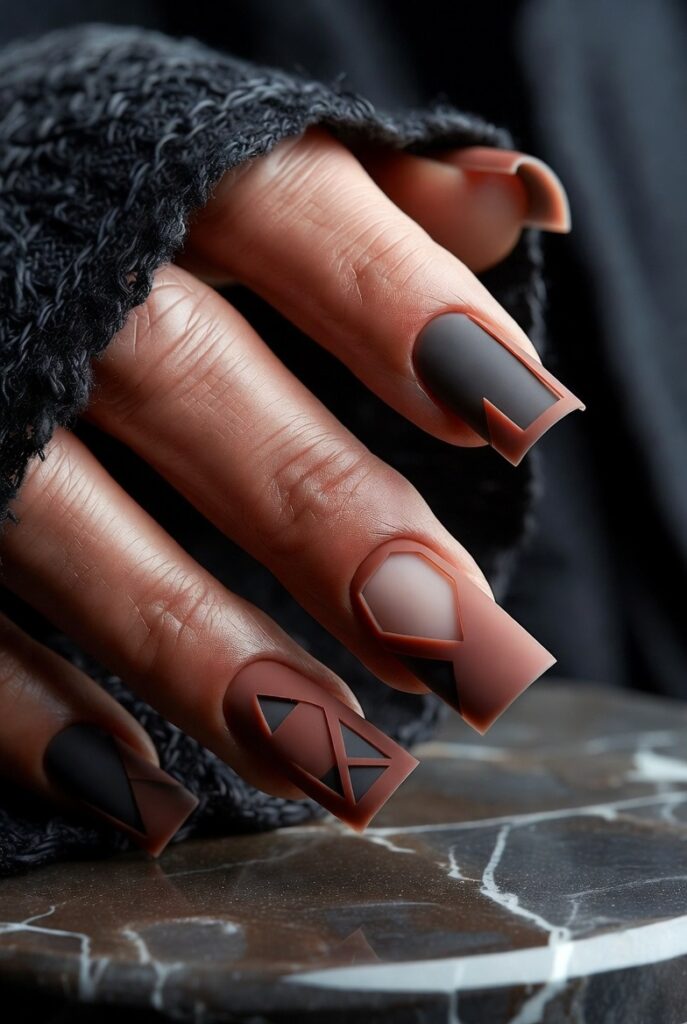
Sharp, clean lines and geometric shapes bring a distinctly modern feel to this technique, often using triangles, rectangles, or angular curves to frame sections of bare nail. This style tends to favor precision, with crisp edges creating a graphic, almost architectural quality that feels intentional and structured. The contrast between the sharp polish edges and the smooth, untouched nail underneath gives this variation its distinctly contemporary appeal.
Achieving clean geometric lines typically involves nail vinyls or precise striping tape to mask off sections before polish is applied, ensuring the edges remain crisp rather than freehand and uneven. This method appeals particularly to those who enjoy a more structured, minimalist aesthetic, since the sharp lines lend themselves well to monochrome palettes or subtle two-tone combinations.
Half-Moon Style Negative Space
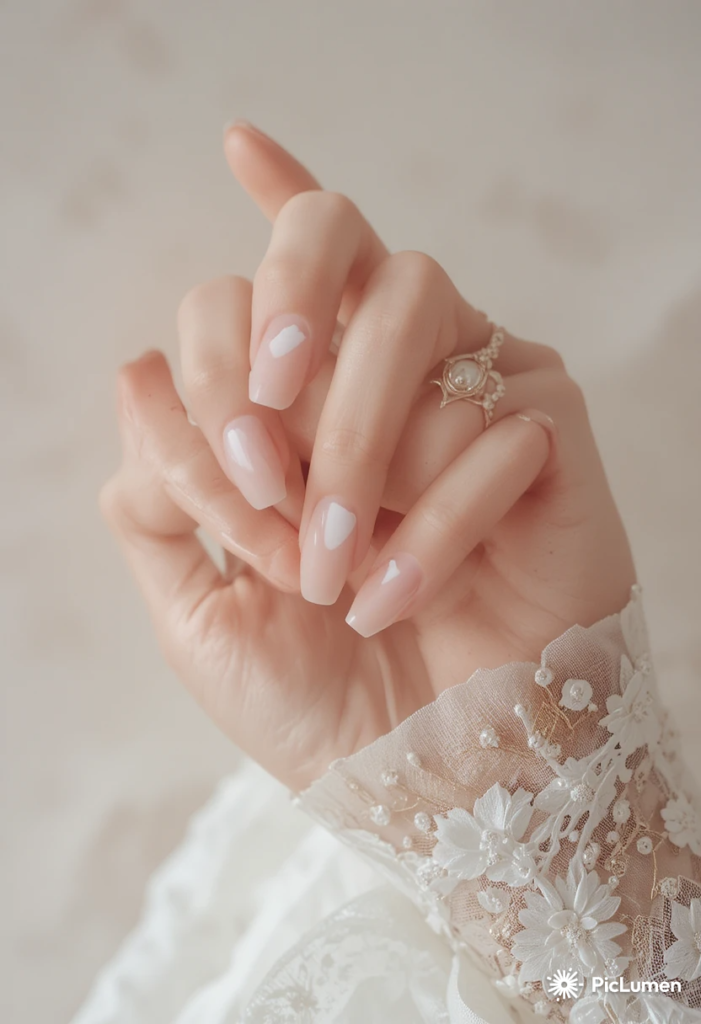
The half-moon design borrows from a vintage manicure style, leaving a crescent-shaped section near the cuticle bare while covering the rest of the nail in color. This creates a soft, rounded contrast that feels more delicate compared to sharper geometric variations, since the curved line mimics the natural shape of the nail bed itself. The result is a design that feels classic yet distinctly modern when paired with this uncovered space technique.
This variation works particularly well with darker or more saturated polish shades, since the contrast between the bold color and the bare crescent becomes more pronounced. Precision matters here just as much as with geometric designs, since an uneven or shaky crescent line can disrupt the clean, polished look this style is meant to achieve.
Vertical Line Cutouts
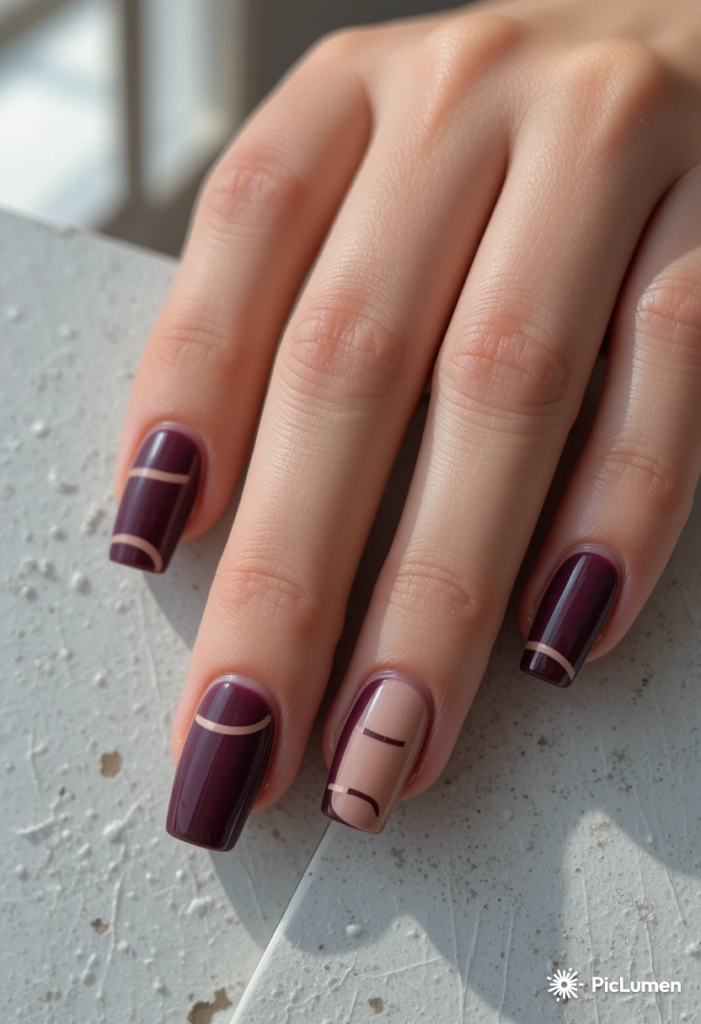
A single vertical strip of bare nail running down the center or along one side creates a subtle yet striking variation of this technique, often described as one of the more understated approaches within the style. This thin uncovered line breaks up an otherwise solid block of color, adding visual interest without requiring intricate detailing or multiple shades. The simplicity of this design makes it especially approachable for those newer to the technique.
The placement of this line can shift the overall visual effect considerably, with a centered strip creating a symmetrical, balanced look, while an off-center placement feels slightly more asymmetrical and modern. Because the line itself is thin, achieving a clean, straight edge typically requires careful masking beforehand, ensuring the polish doesn’t bleed into the bare section.
Circular Cutout Accents
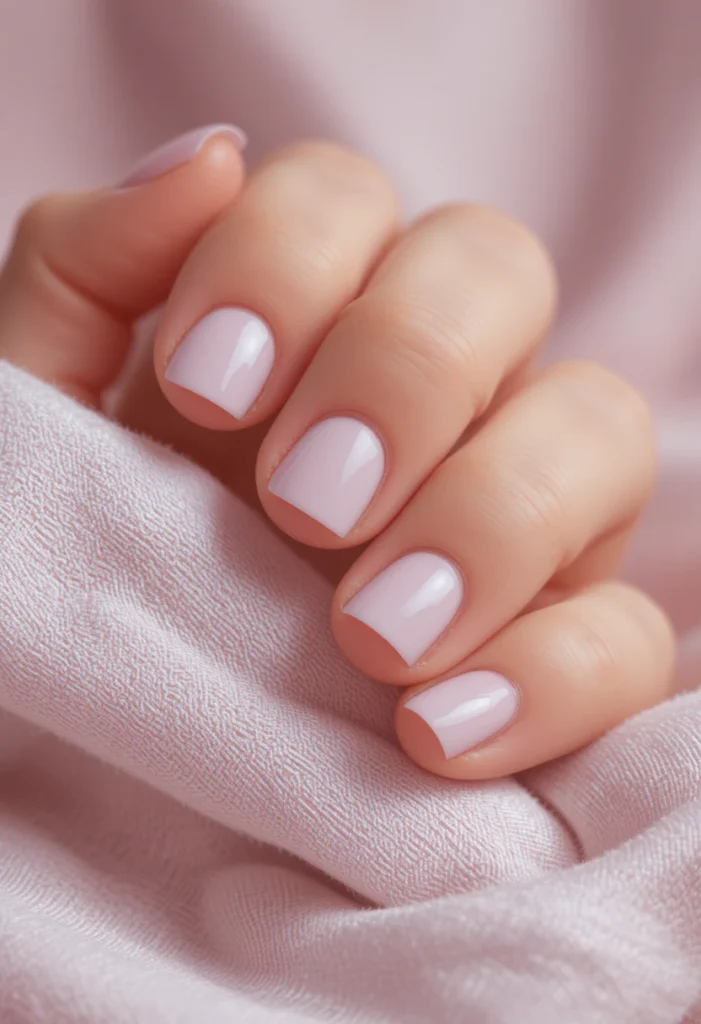
Small circular gaps left within a painted nail add a playful yet minimal touch to this technique, often placed near the center or slightly off to one side of the nail. Unlike sharp geometric shapes, these rounded cutouts introduce a softer visual element, creating contrast without feeling overly rigid or structured. This variation works particularly well as an accent on just one or two nails within a broader set.
The size and placement of these circles can be adjusted to create very different effects, with a single small circle feeling subtle and refined, while a cluster of varying circle sizes creates a more playful, bubble-like composition. This flexibility makes circular cutouts one of the more adaptable variations within this style, suitable for both minimal and slightly more decorative looks.
Read Also:Korean Nail Art Trends
Diagonal Split Designs
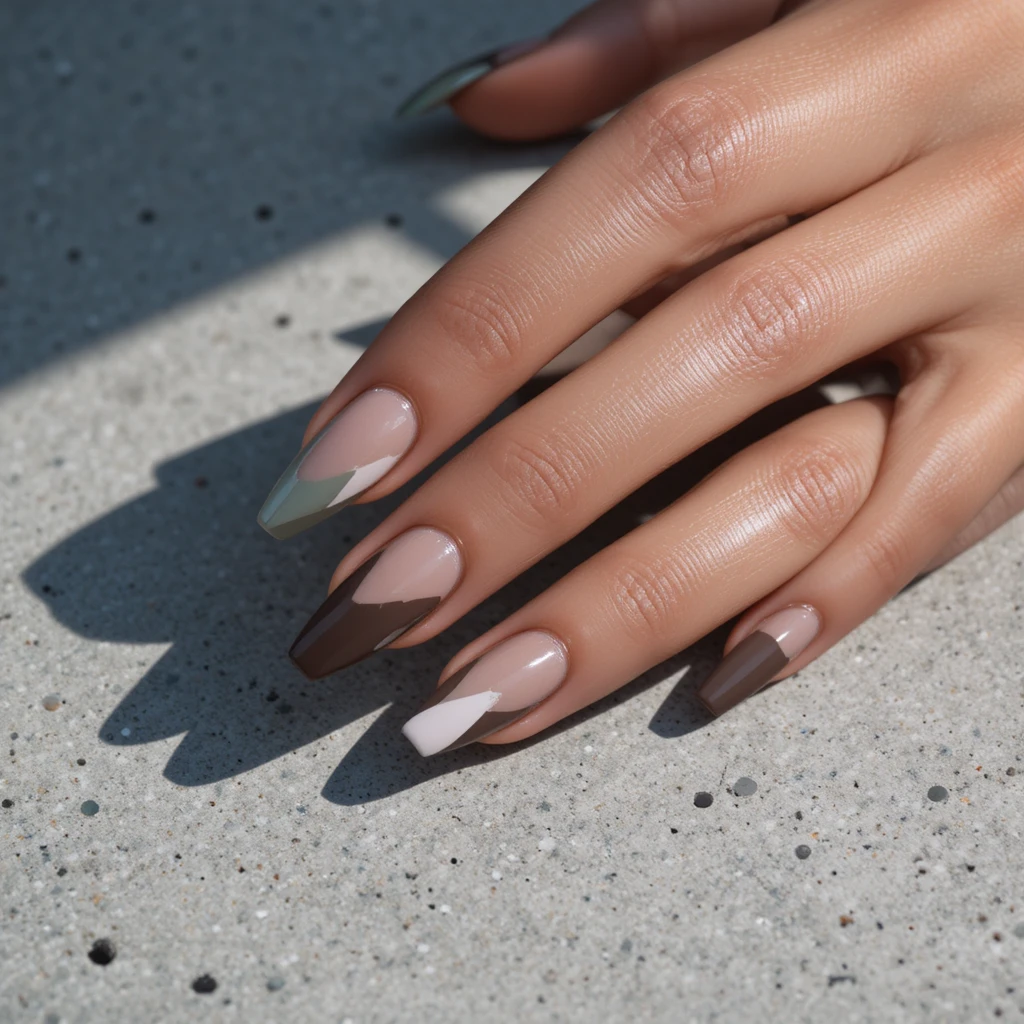
Diagonal lines dividing the nail into two contrasting sections offer a dynamic take on this technique, with one half left bare and the other fully painted. This asymmetrical split creates movement and visual interest, breaking away from the more static feel of symmetrical designs. The angle of the diagonal line can be adjusted to create subtle variations, from a sharp, dramatic cut to a softer, more gradual slope.
This style tends to photograph particularly well due to the strong visual contrast between the painted and bare sections, making it a popular choice for those wanting a design that feels bold yet still minimal. Precision in masking off the diagonal line remains essential, since any unevenness becomes immediately noticeable given how much visual weight this single line carries in the overall design.
Framed Edge Designs
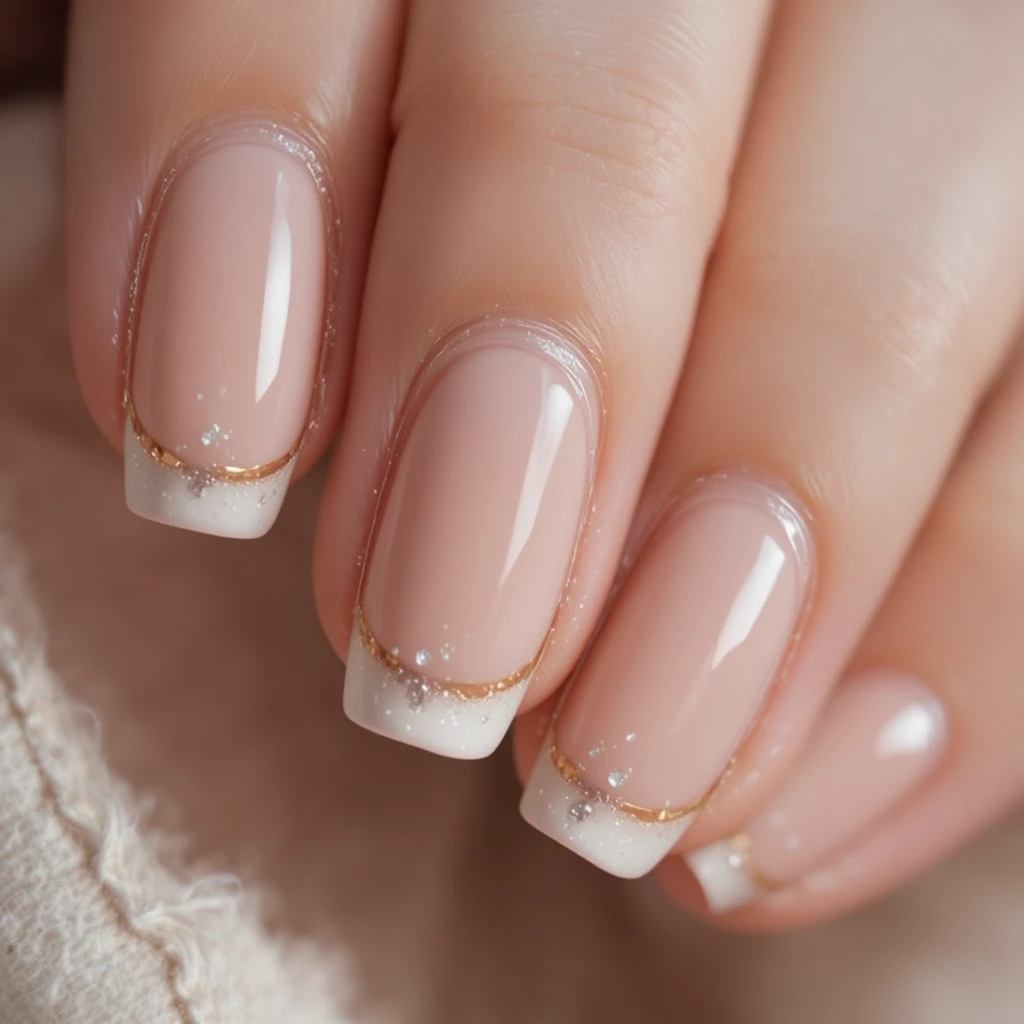
Rather than leaving a central gap, this variation paints only the outer edges of the nail, leaving the majority of the center bare and creating a framed effect around the natural nail. This approach flips the usual balance of covered versus uncovered space, making the bare nail the dominant visual element rather than a supporting detail. The result feels remarkably clean and modern, often appearing almost like a subtle outline rather than a traditional manicure.
This style pairs particularly well with fine, precise line work, since the thin painted border requires a steady hand or careful masking to maintain even width around the entire nail. Because so much of the natural nail remains visible, this variation also tends to suit those who prefer a more subtle, barely-there aesthetic while still incorporating a distinct design element.
Combining Two Colors With Bare Space
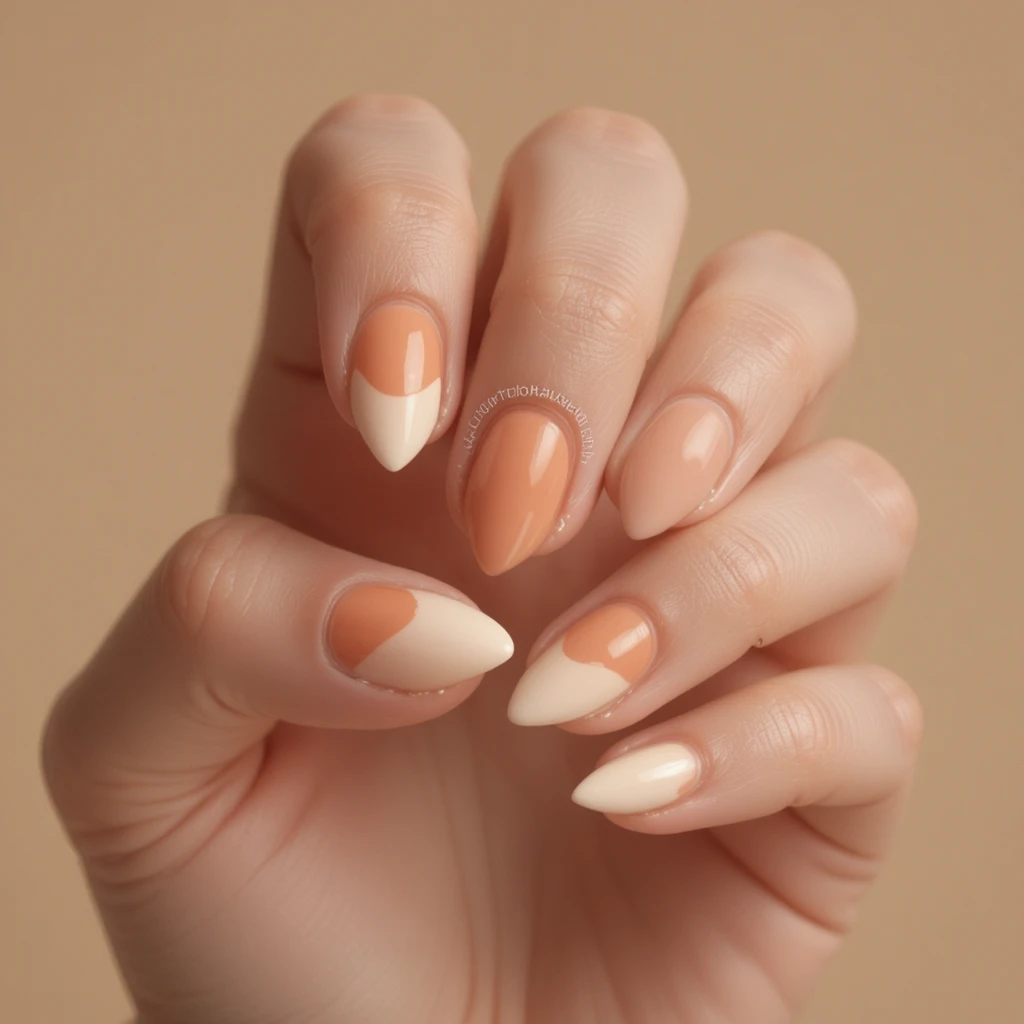
Introducing a second color alongside a bare section adds more visual complexity to this technique without straying from its minimal foundation. This might involve two contrasting colors meeting at a bare vertical or diagonal gap, allowing the uncovered nail to act as a visual buffer between the two shades rather than a stark boundary. This approach adds richness to the design while still maintaining the airy, uncluttered quality central to the style.
Choosing complementary or contrasting colors for this variation significantly changes the overall mood, with softer, tonal pairings feeling more subtle and cohesive, while bold, contrasting shades create a more graphic, statement-making look. The bare space in between helps prevent the two colors from feeling like they’re competing, instead allowing them to coexist as part of a single balanced composition.
Floral Accents Around Negative Space
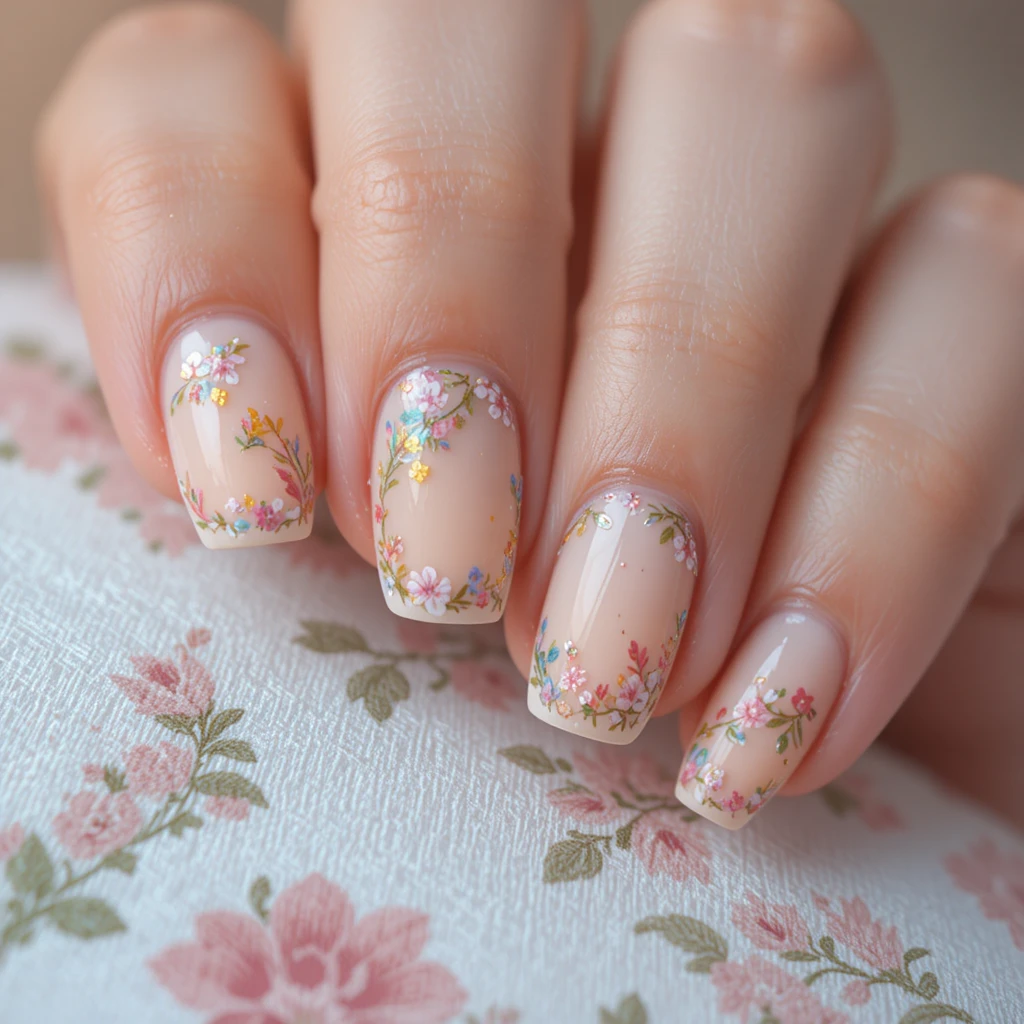
Delicate floral detailing placed around the edges of a bare section adds a romantic, organic quality to this otherwise minimal technique. Rather than filling the entire nail with floral art, only a small cluster of flowers is painted along the border of the uncovered space, allowing the bare nail to remain the focal point while the florals add a soft, decorative frame. This combination balances minimalism with a touch of intricate detail.
This variation works particularly well as an accent nail within a broader set of simpler negative space designs, since the floral detailing draws attention without overwhelming the overall look. The contrast between the delicate, detailed florals and the clean, bare space creates a visually interesting juxtaposition that feels both artistic and restrained at the same time.
Metallic Line Accents Within Negative Space
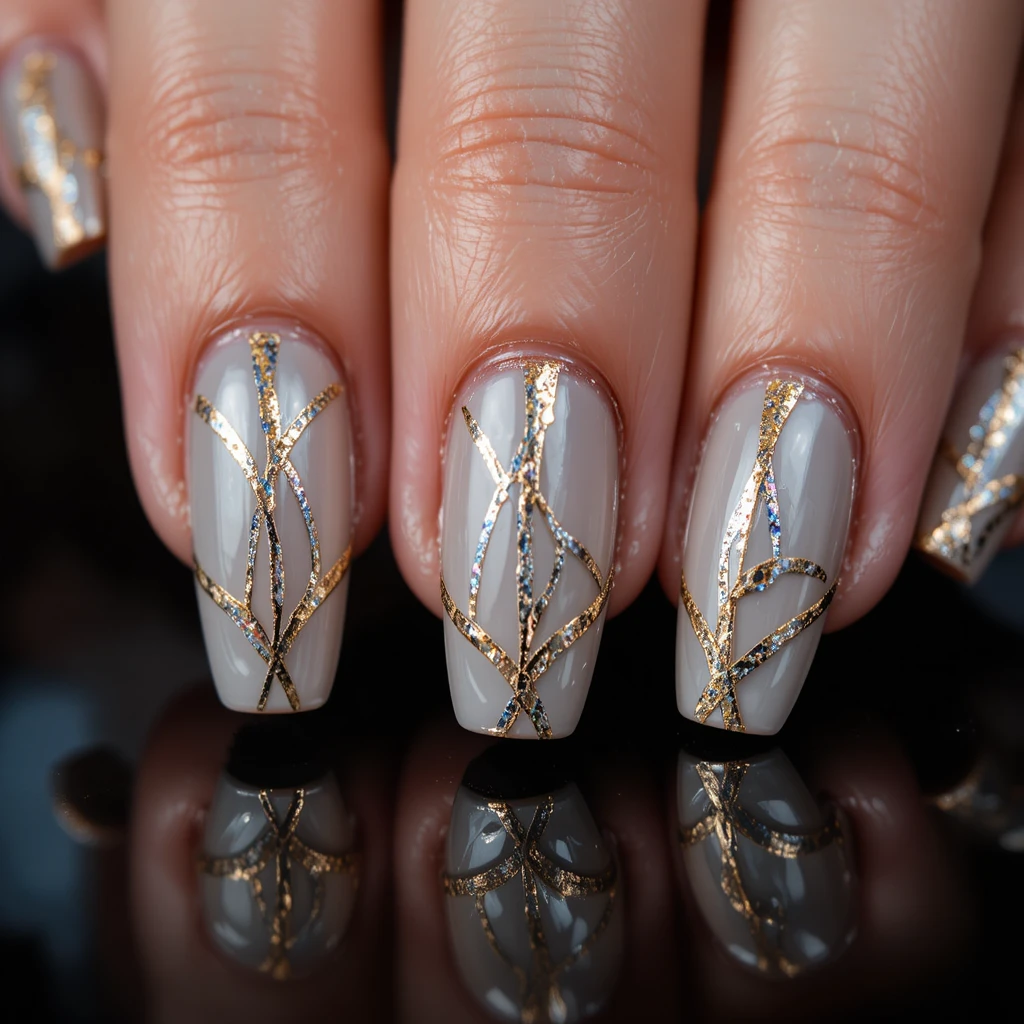
Thin metallic lines, whether gold, silver, or rose gold, add a subtle touch of shine to this technique when used to outline the edges of a bare section. Rather than filling in color, these fine metallic strokes emphasize the boundary between painted and uncovered nail, adding definition without sacrificing the airy, minimal quality of the design. This detail catches light in a way that draws subtle attention to the shape of the cutout itself.
Because these lines are thin and precise, achieving a clean metallic accent typically requires a fine detail brush or nail art pen rather than a standard polish brush. This variation works well across nearly any color palette, since the metallic tone acts as a neutral accent that enhances the design without competing with the surrounding colors.
Matte And Glossy Contrast Within Negative Space
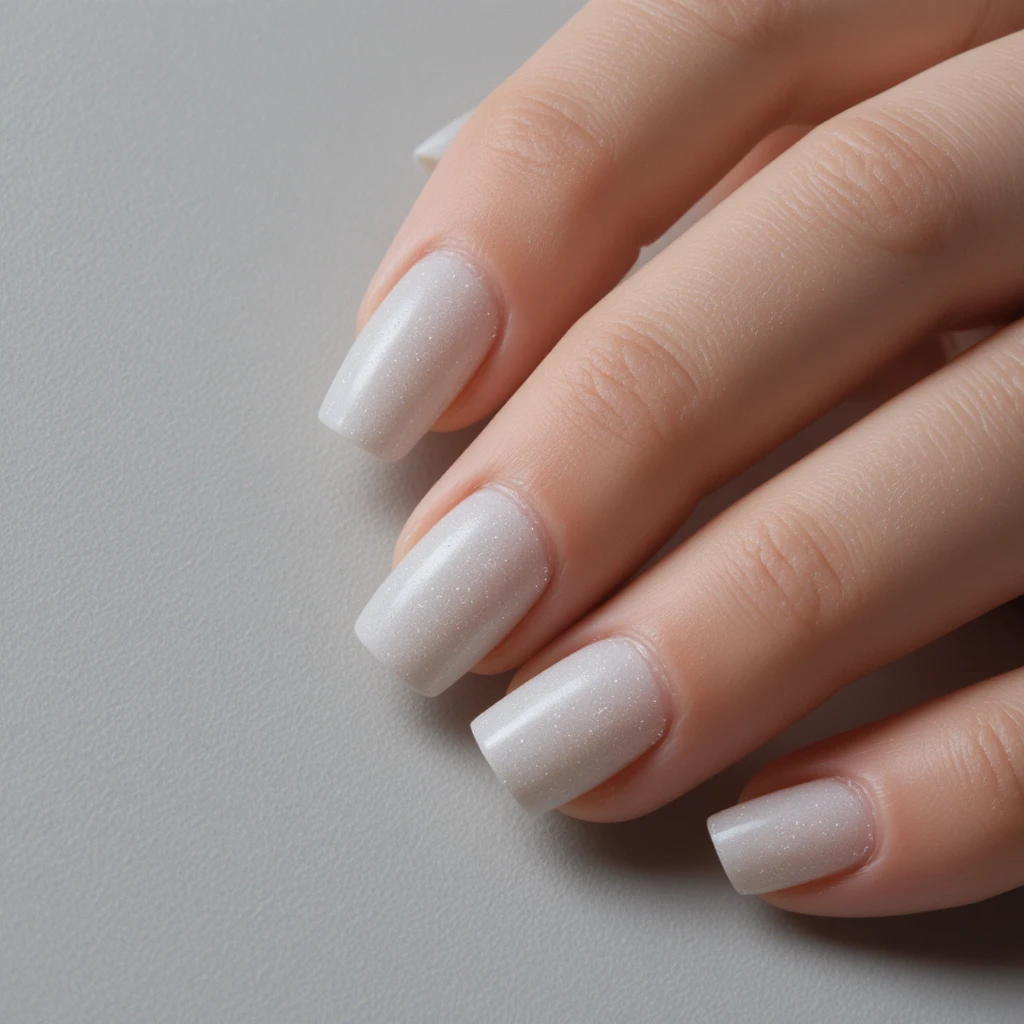
Playing with finish rather than color offers another subtle variation of this technique, using a matte polish on the painted section while leaving the bare nail glossy, or vice versa. This contrast in texture adds a layer of visual interest that doesn’t rely on additional color or detailing, keeping the design minimal while still feeling distinct. The difference between a flat matte surface and a naturally shiny bare nail creates a quiet but noticeable dimension.
This approach works especially well for those who prefer monochromatic designs, since a single polish color can look entirely different depending on which sections carry a matte finish versus a glossy one. Because the effect relies on subtle texture rather than obvious detailing, it tends to appeal to those drawn to understated, editorial-style nail art over anything overly decorative.
Asymmetrical Multi-Gap Designs
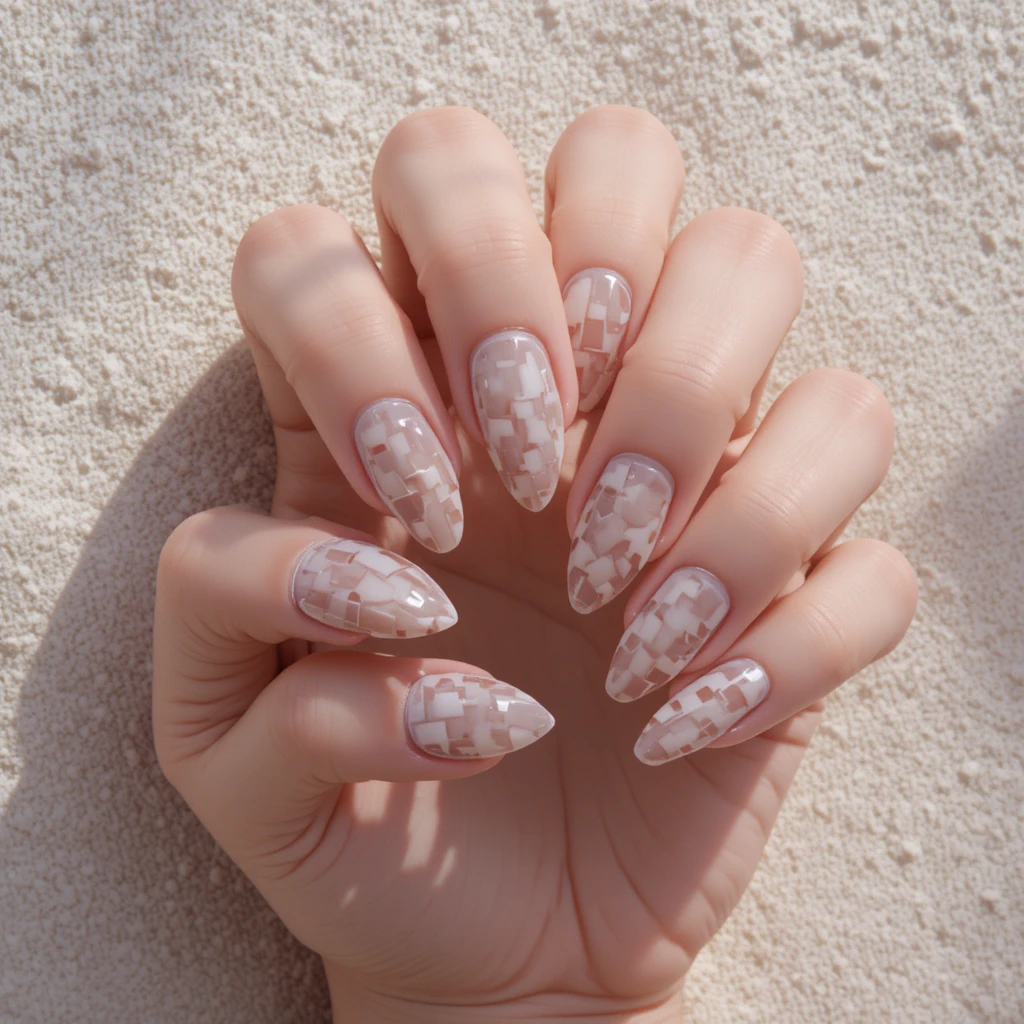
Rather than a single uncovered section, this variation incorporates several smaller bare patches scattered across the nail in a deliberately asymmetrical arrangement. Unlike more structured single-gap designs, this approach embraces irregularity, creating a composition that feels artistic and freeform rather than rigidly geometric. Each gap is placed with intention, even though the overall arrangement avoids obvious symmetry.
This style tends to work best on a longer nail shape, where there’s enough surface area to accommodate multiple small sections without the design feeling cramped or overly busy. Because the placement is asymmetrical, this variation allows for a fair amount of personal creative freedom, making it a favorite among those who enjoy putting their own spin on this otherwise precise and structured technique.
Conclusion
What makes this technique so enduring is its ability to feel elegant and modern without relying on elaborate detail or bold color. By treating bare nail as a design element rather than empty space, it offers a refreshing alternative to fully covered manicures while still allowing plenty of room for creativity. Whether through sharp geometric cutouts, soft floral framing, or playful asymmetry, this style proves that sometimes less really does say more.
Explore negative space nail art ideas, from geometric cutouts and half-moons to floral accents and metallic lines, for effortlessly modern minimalist nails.

Mehboob Ahmad is the founder and writer behind BeautyVibeWorld. With a genuine passion for skincare, makeup, and everyday beauty routines, Mehboob started this platform to share simple, practical, and research-backed advice that real people can actually use without the confusion of conflicting trends and overhyped products.
Every article on BeautyVibeWorld is written with care, backed by research, and regularly updated to stay accurate and relevant. Mehboob believes good beauty advice should be honest, easy to follow, and free of unnecessary complexity.
Outside of writing, Mehboob enjoys exploring new beauty trends and staying up to date with the latest in skincare and haircare research to keep bringing fresh, reliable content to BeautyVibeWorld readers.