
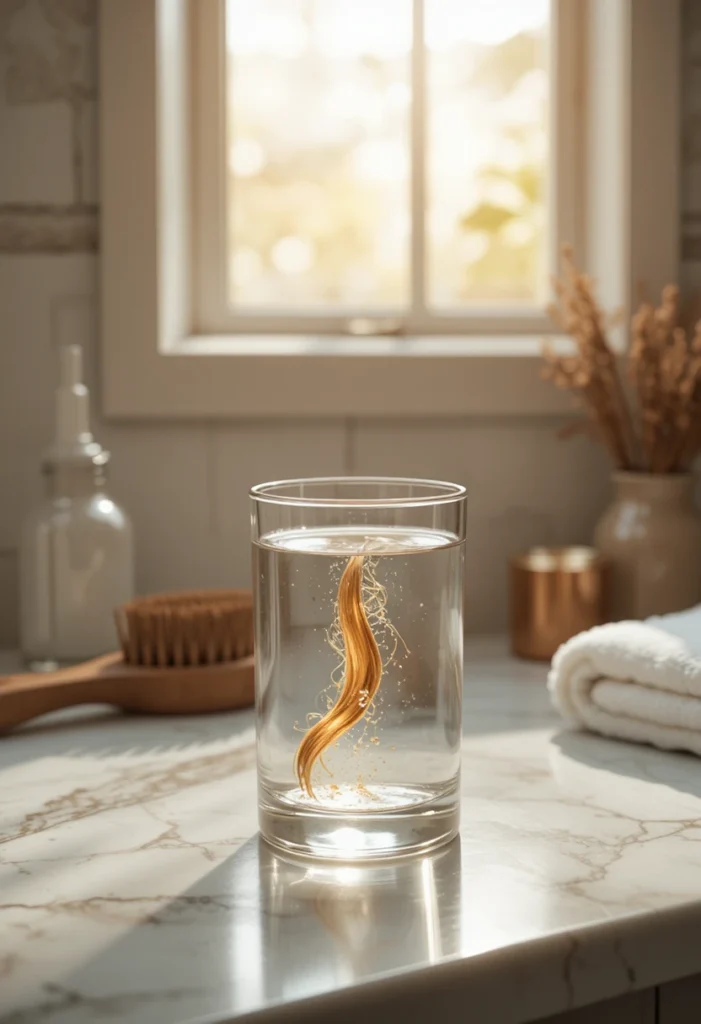
Understanding your hair’s porosity is one of the simplest ways to finally figure out why certain products work wonders while others leave your strands feeling weighed down or dry. A hair porosity test at home takes just a few minutes and can completely change how you approach your hair care routine. This article walks through everything you need to know about identifying your porosity type and using that knowledge to your advantage.
What Hair Porosity Actually Means
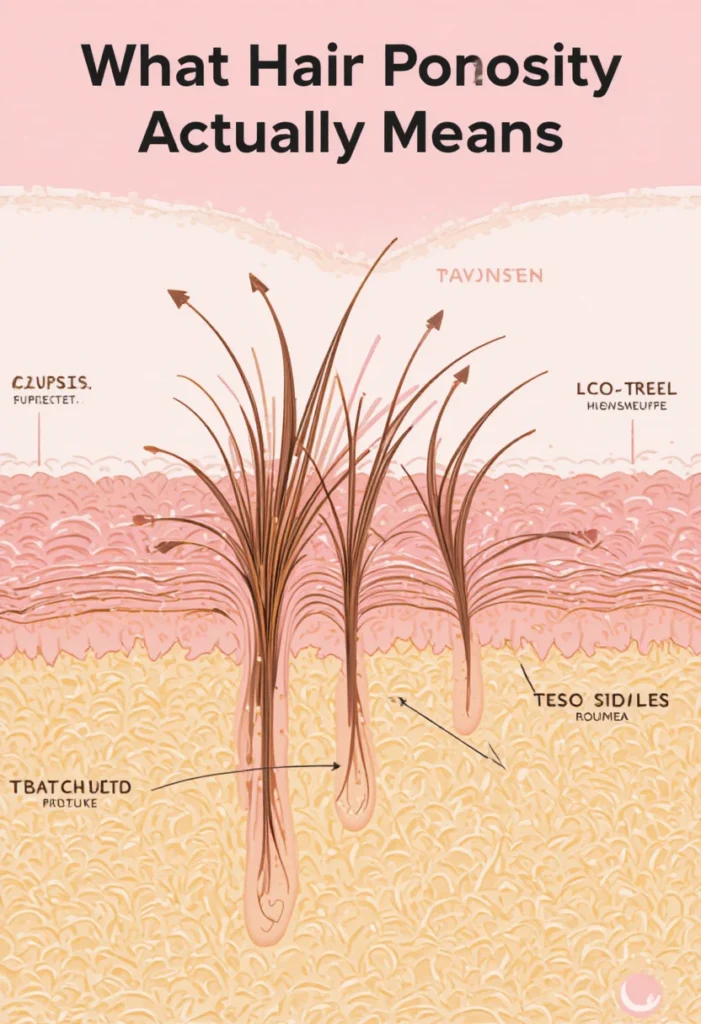
Hair porosity refers to how well your hair’s outer layer, known as the cuticle, absorbs and retains moisture. When the cuticle lies flat and tight, moisture has a harder time getting in, but once it’s absorbed, it tends to stay locked in for longer. When the cuticle is more open or raised, moisture enters quickly but often escapes just as fast.
This single characteristic influences almost everything about how your hair behaves, from how long it takes to dry to how well it holds a hairstyle. Understanding porosity isn’t just a beauty trend; it’s a foundational piece of knowledge that shapes which products, techniques, and routines will actually work for your specific strands rather than someone else’s.
The Float Test for Checking Porosity
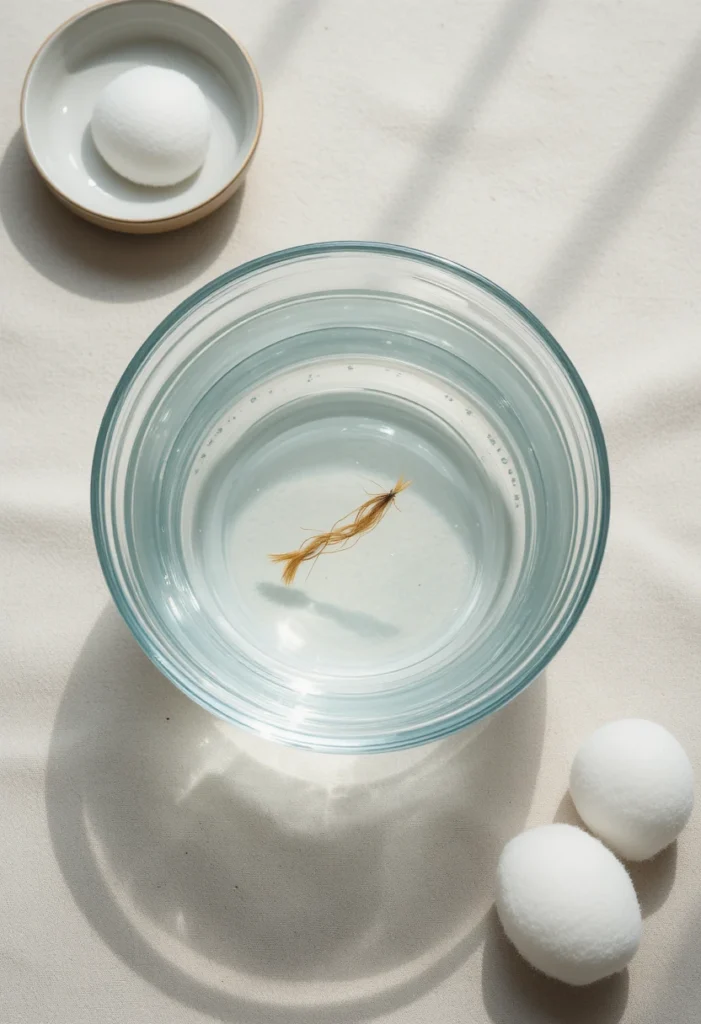
The float test remains one of the most popular ways to check porosity because it requires nothing more than a clean strand of hair and a glass of room-temperature water. A strand is dropped into the water and observed over several minutes to see whether it sinks, floats, or settles somewhere in between.
Hair that sinks quickly usually indicates high porosity, since the raised cuticle allows water to be absorbed rapidly. Hair that floats on the surface for an extended period typically points to low porosity, where the tightly sealed cuticle resists water absorption. Strands that sink slowly and settle in the middle often suggest medium porosity, which is generally considered the most balanced and manageable type.
Understanding Low Porosity Hair
Low porosity hair has a cuticle layer that lies flat and overlaps tightly, making it resistant to moisture penetration. This hair type often takes longer to get wet in the shower and can take a noticeably long time to air dry. Products also tend to sit on top of the strand rather than absorbing, which is why many people with low porosity hair complain about product buildup.
Despite these challenges, low porosity hair tends to be naturally shinier because the flat cuticle reflects light more evenly. The key to working with this hair type lies in using lighter products and applying gentle heat, such as a warm towel, to help the cuticle open slightly and allow moisture to penetrate more effectively during conditioning treatments.
Understanding Medium Porosity Hair
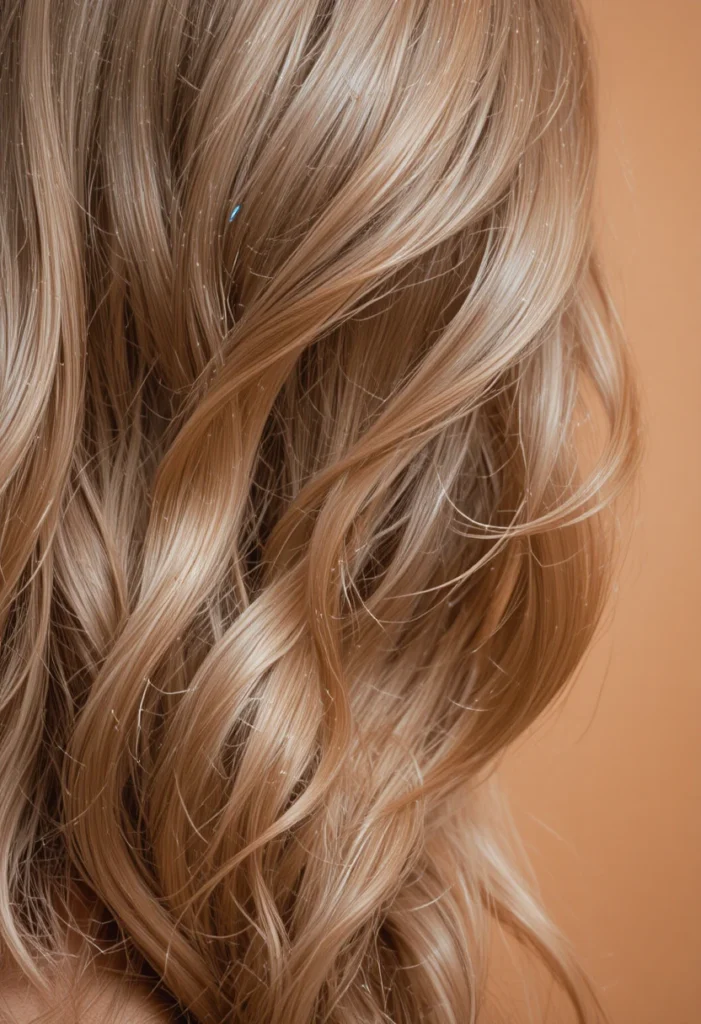
Medium porosity hair strikes a natural balance between absorption and retention, which is why it’s often described as the easiest hair type to manage. The cuticle allows just enough moisture in to keep hair hydrated, while still retaining enough of it to prevent excessive dryness or frizz throughout the day.
This porosity type generally responds well to most standard hair products without needing significant adjustments to a routine. Styling tends to hold longer, color treatments process more evenly, and overall hair health is easier to maintain. However, medium porosity hair can shift toward higher porosity over time if it’s exposed to excessive heat styling, chemical treatments, or harsh environmental conditions.
Read also:10+ Rosemary Oil for Hair Growth: Unlock Thicker, Fuller Strands Naturally
Understanding High Porosity Hair
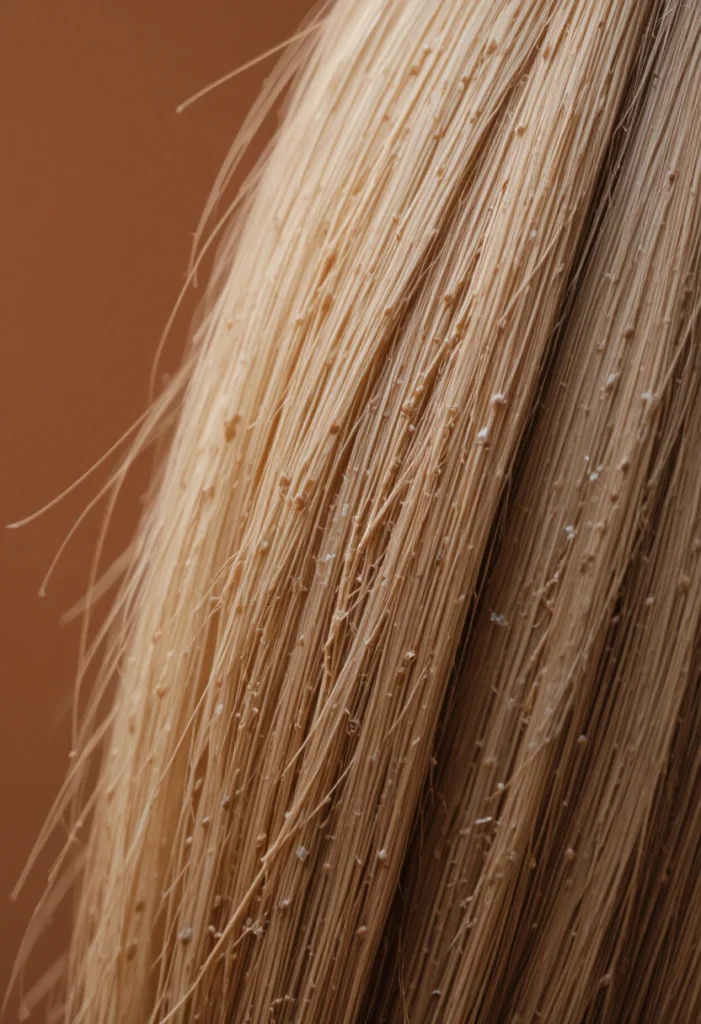
High porosity hair has a cuticle that is lifted, gapped, or in some cases damaged, allowing moisture to enter and escape quickly. This hair type often feels dry, frizzy, or rough to the touch, and it tends to absorb products fast, sometimes without holding onto the benefits for very long.
High porosity can be a natural trait, but it’s also frequently the result of chemical processing, excessive heat exposure, or environmental damage over time. The priority for this hair type is sealing in moisture using heavier oils and butters after applying water-based products, since simply hydrating without sealing often leads to moisture escaping just as fast as it entered.
The Strand Slide Test as an Alternative
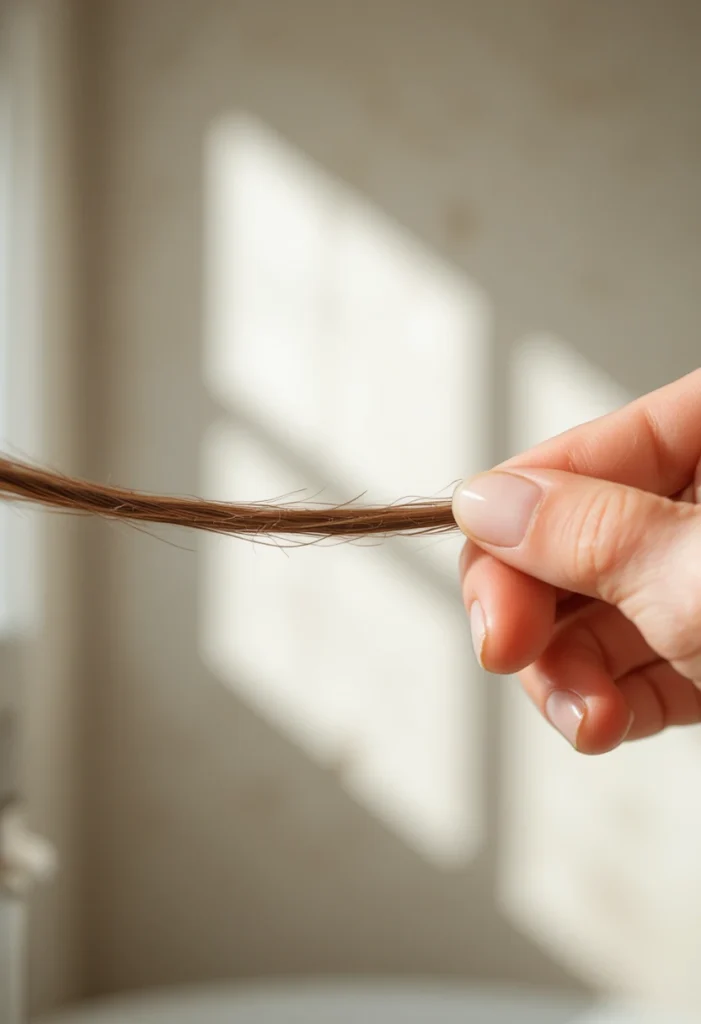
For those who prefer not to use water, the strand slide test offers another simple way to gauge porosity. This involves taking a single strand of hair and sliding two fingers along it from tip to root. A smooth glide usually indicates low porosity, since the flat cuticle offers little resistance.
If the strand feels rough, bumpy, or slightly raised as fingers move upward, this typically signals higher porosity, where the cuticle is lifted rather than sealed. While this method is less scientific than the float test, many people find it useful as a quick daily check, especially when trying to track changes in hair health over time due to styling habits or product use.
Why Porosity Testing Should Be Done Regularly
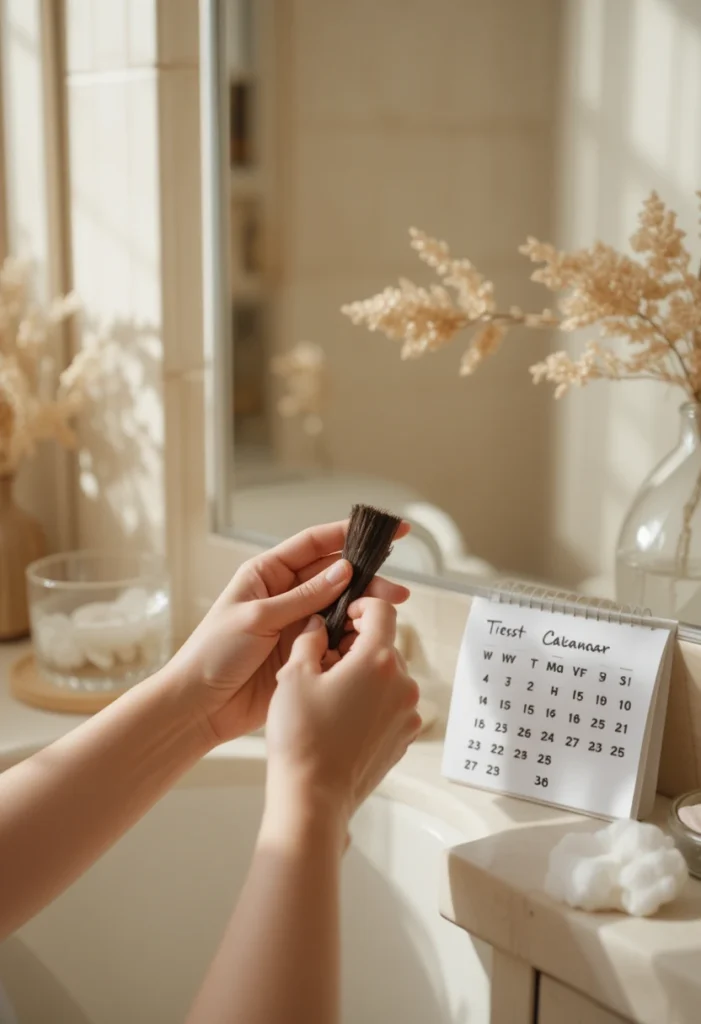
Hair porosity isn’t necessarily a fixed trait for life. It can shift due to factors like heat styling, chemical treatments, weather exposure, and even the water quality used during washing. This means a porosity test done once isn’t always accurate months or years later, particularly for those who frequently change their styling routines.
Retesting every few months, especially after significant changes like coloring or a new heat styling habit, helps ensure that a hair care routine remains aligned with the hair’s current condition. This ongoing awareness prevents the common mistake of continuing to use products suited for a porosity type that no longer matches the hair’s actual state.
How Porosity Affects Product Absorption
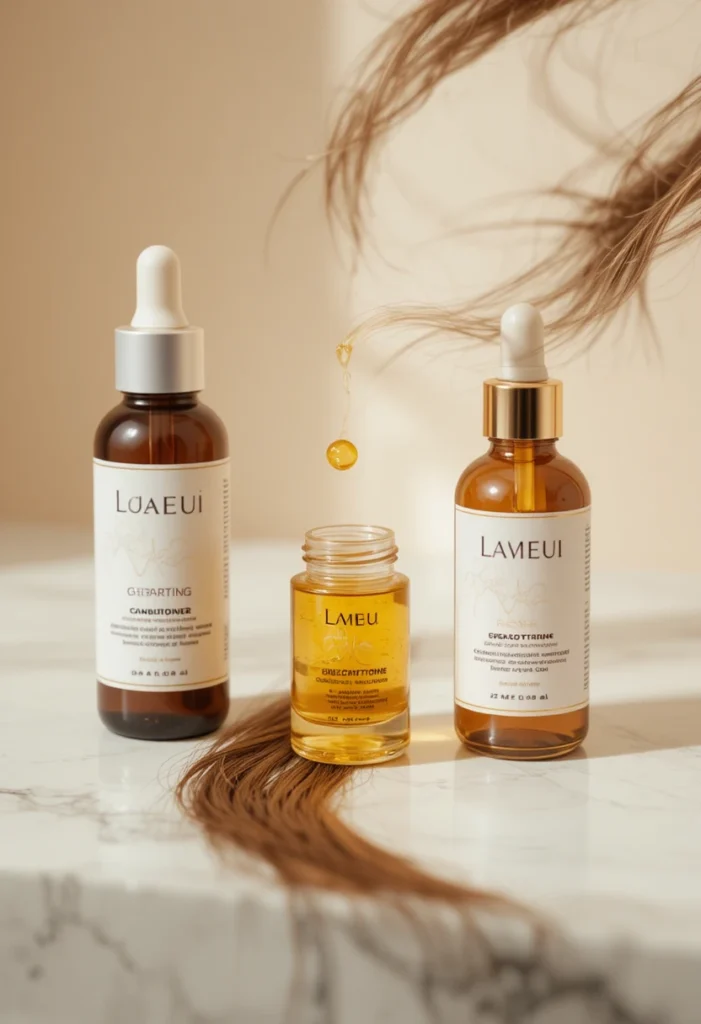
Knowing your porosity type directly changes how you should approach product application. Low porosity hair benefits from lighter, water-based products applied to damp hair, since heavier creams and oils often just sit on the surface without absorbing. Applying too much product to low porosity hair is one of the most common reasons people experience greasy roots or flat styles.
High porosity hair, in contrast, often needs richer products with proteins and heavier sealants to prevent moisture from escaping as quickly as it enters. Medium porosity hair generally has more flexibility, tolerating a wider range of products without significant issues. Matching products to porosity type rather than following generic advice is often the difference between a routine that works and one that leaves hair looking unmanageable.
Common Mistakes When Testing Porosity at Home
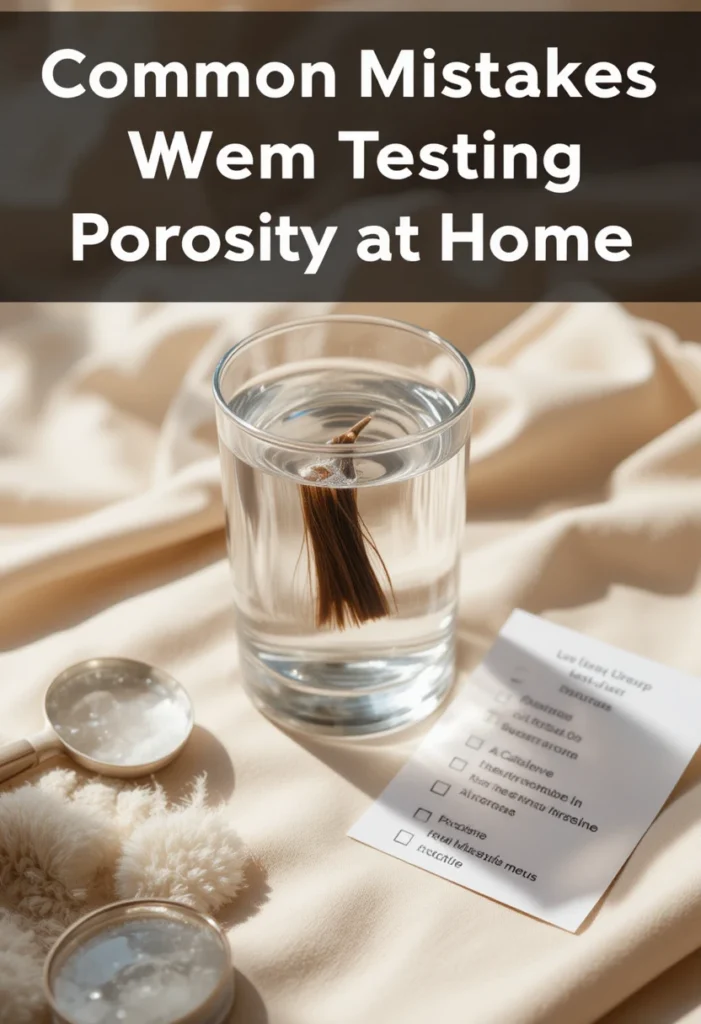
One frequent mistake during porosity testing is using hair that still has product residue on it, which can skew results significantly. Oils, gels, or leave-in conditioners create a barrier that affects how quickly hair absorbs water, leading to inaccurate conclusions about the natural porosity level.
Another common error is testing only a single strand and assuming it represents the entire head. Hair porosity can actually vary across different areas of the scalp, with the crown sometimes behaving differently than the nape or sides. Testing multiple strands from different sections offers a more reliable picture and helps avoid basing an entire routine on results from an unrepresentative sample.
Building a Hair Care Routine Around Porosity
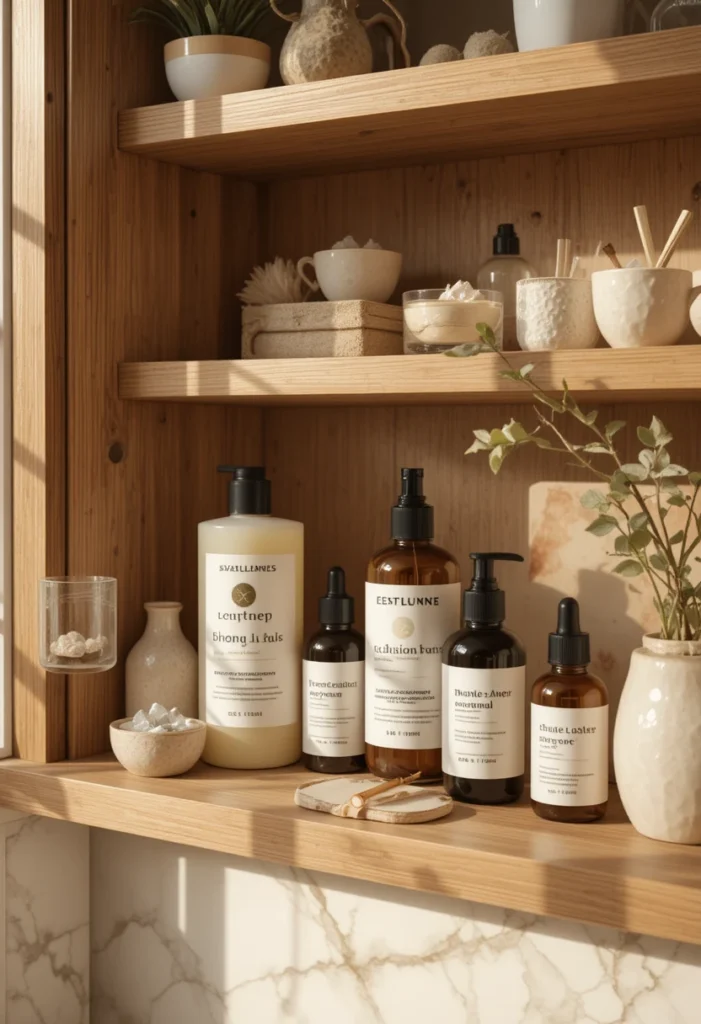
Once porosity is identified, building a routine around it becomes significantly easier. This means selecting shampoos, conditioners, and styling products formulated with the right weight and ingredient profile for the specific porosity type, rather than relying on trial and error with random products.
Beyond product choice, porosity also informs techniques like how long to leave a conditioner on, whether heat should be used during deep conditioning, and how frequently hair should be washed. A routine that respects these porosity-specific needs tends to produce noticeably healthier, more manageable hair over time, reinforcing why this simple at-home test carries so much long-term value.
Conclusion
Testing your hair’s porosity at home is a small step that leads to a much deeper understanding of what your hair truly needs. With this knowledge, choosing the right products and techniques becomes far less guesswork and far more intentional, paving the way for healthier, more manageable hair over time.

Mehboob Ahmad is the founder and writer behind BeautyVibeWorld. With a genuine passion for skincare, makeup, and everyday beauty routines, Mehboob started this platform to share simple, practical, and research-backed advice that real people can actually use without the confusion of conflicting trends and overhyped products.
Every article on BeautyVibeWorld is written with care, backed by research, and regularly updated to stay accurate and relevant. Mehboob believes good beauty advice should be honest, easy to follow, and free of unnecessary complexity.
Outside of writing, Mehboob enjoys exploring new beauty trends and staying up to date with the latest in skincare and haircare research to keep bringing fresh, reliable content to BeautyVibeWorld readers.