
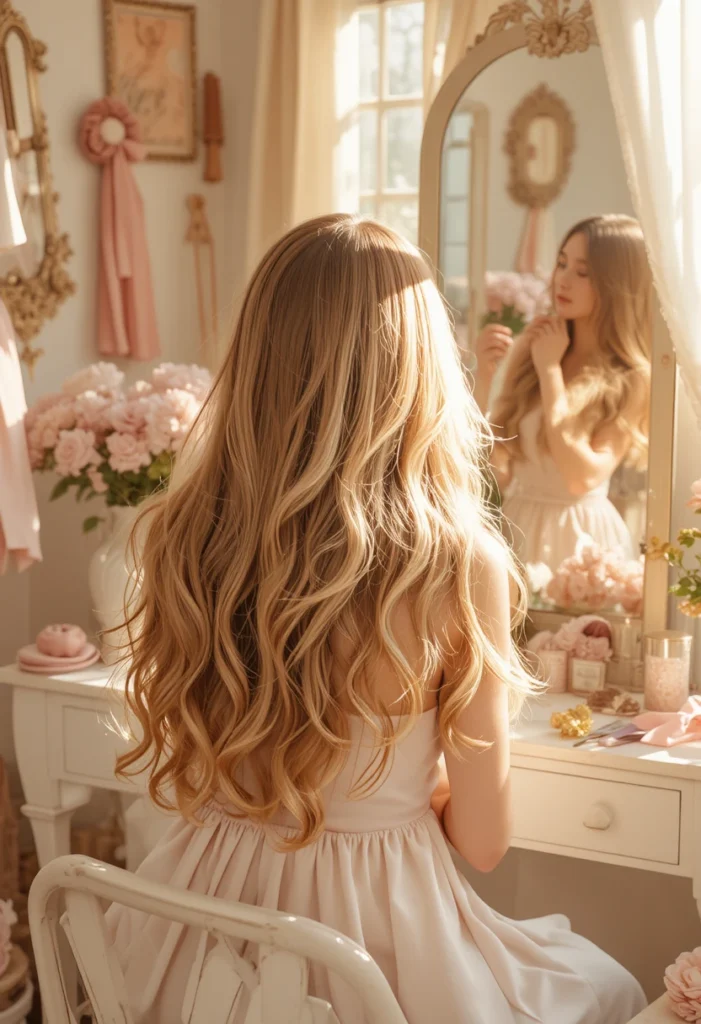
Heat styling might give quick results, but it comes at a cost to hair health over time. That’s why so many people are turning to no heat hairstyles as a way to look polished without damaging their strands. This article walks through creative, easy-to-follow styling ideas that skip the flat iron and curling wand entirely, while still delivering runway-worthy results.
Why No Heat Hairstyles Are Better for Your Hair
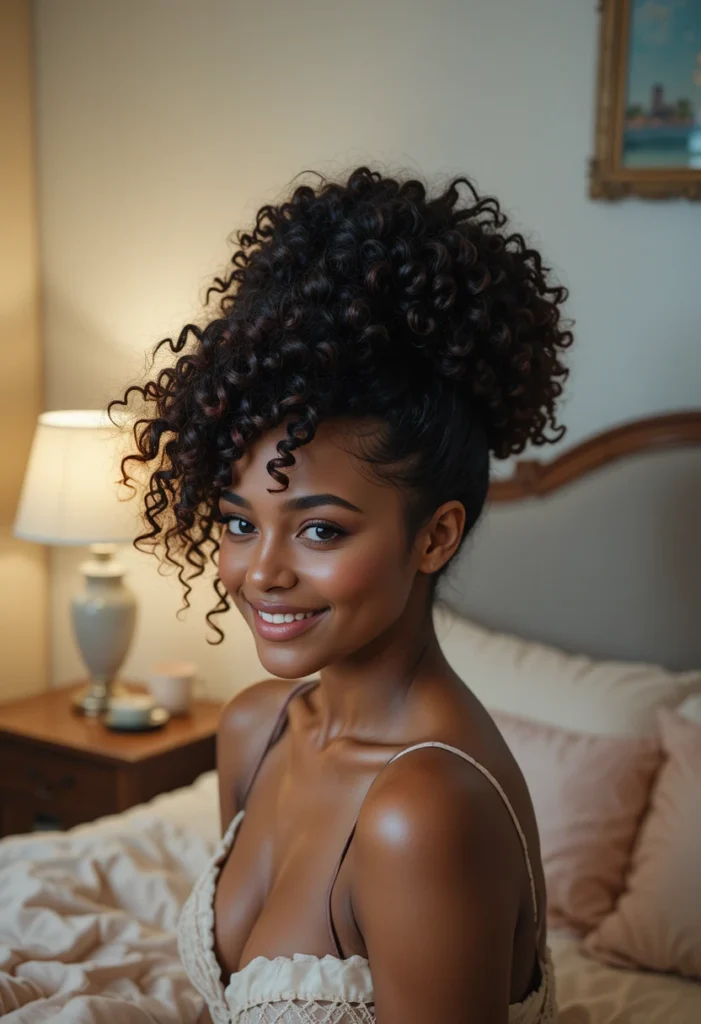
Heat tools work by temporarily breaking and reshaping the hydrogen bonds in hair, and repeated exposure weakens the hair shaft over time. Choosing no heat hairstyles eliminates this stress entirely, allowing hair to retain its natural moisture and elasticity. This is especially valuable for people who already deal with dryness, frizz, or brittle ends.
Beyond the physical benefits, heatless styling also saves time in the morning since many of these looks are created the night before. Waking up to ready-made waves or curls means skipping the styling routine altogether, which appeals to anyone juggling a busy schedule while still wanting their hair to look intentional and well put together.
Overnight Braids for Natural Waves
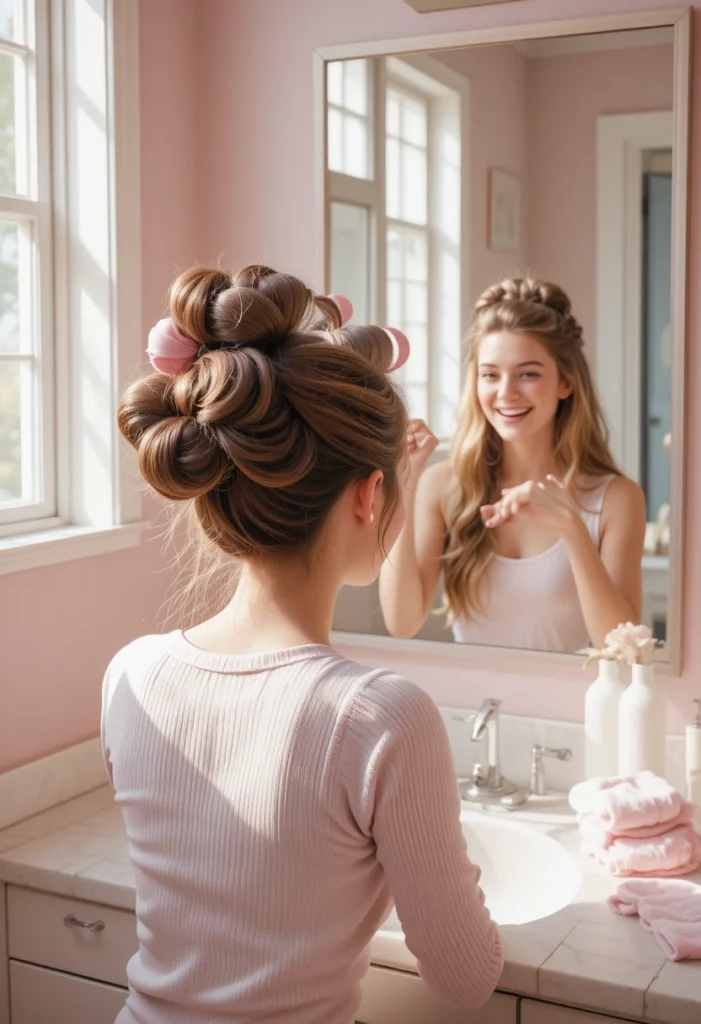
One of the most popular heatless techniques involves braiding damp hair before bed and letting it set overnight. The tension created by the braid pattern naturally forms waves once released in the morning, giving hair a soft, undone texture that looks effortless rather than overly styled.
The thickness of the braid determines the wave pattern, with thinner braids producing tighter waves and thicker braids creating looser, beachy movement. This method works particularly well on second-day hair, since a bit of natural oil helps the waves hold their shape longer throughout the day without needing any additional product.
Sock Curls for Bouncy Volume
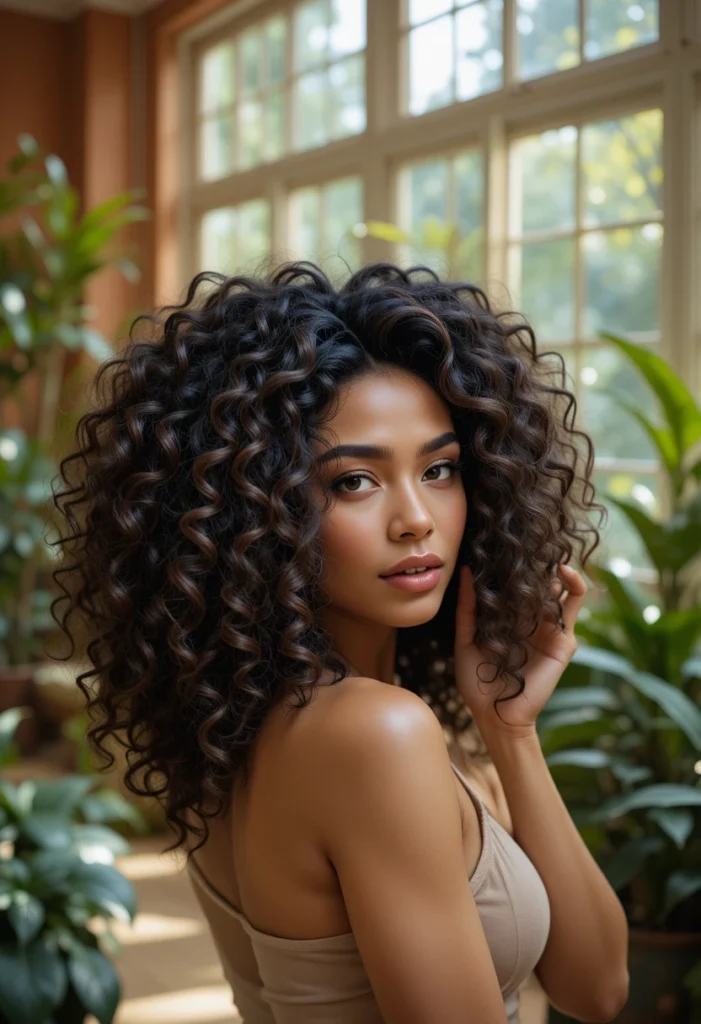
Sock curling is a clever technique that uses a rolled-up sock as a heatless curling tool. Hair is wrapped around the sock and secured, allowing curls to form as the hair dries or sets overnight. This method is gentle on strands since there’s no direct heat involved, yet it produces surprisingly defined curls.
What makes sock curls appealing is how customizable they are. Smaller sections wrapped tightly create tighter ringlets, while larger sections produce soft, voluminous curls similar to what a curling iron might achieve. Since the technique relies purely on tension and drying time, it’s suitable for almost every hair type, including fine or thin hair that heat tools often struggle with.
Twist Outs for Defined Curl Patterns
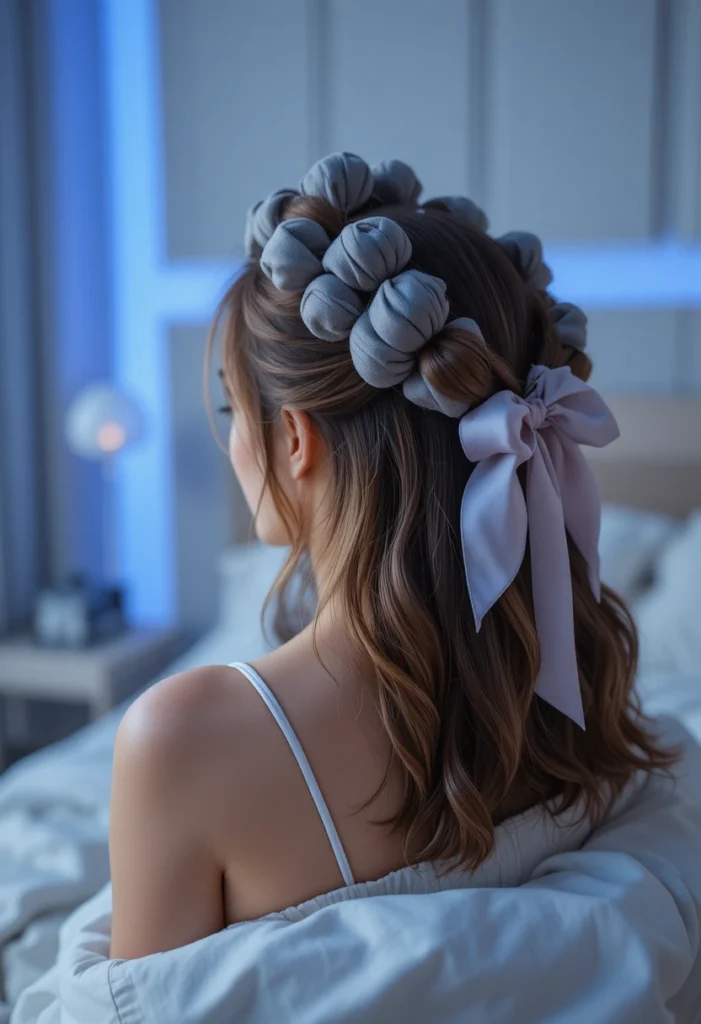
Twist outs have long been a staple in curly and textured hair routines because they enhance natural curl definition without any heat exposure. The process involves twisting sections of damp hair and allowing them to dry fully before unraveling, which results in defined, bouncy curls that closely mimic the hair’s natural pattern.
This method is especially valued because it works with the hair’s texture rather than against it. Instead of forcing a shape that isn’t natural to the strand, twist outs encourage the hair’s existing curl to become more pronounced and uniform. Many people find this approach reduces frizz better than heat styling ever did, since the hair isn’t being altered at a structural level.
Heatless Curling Rods and Ribbons
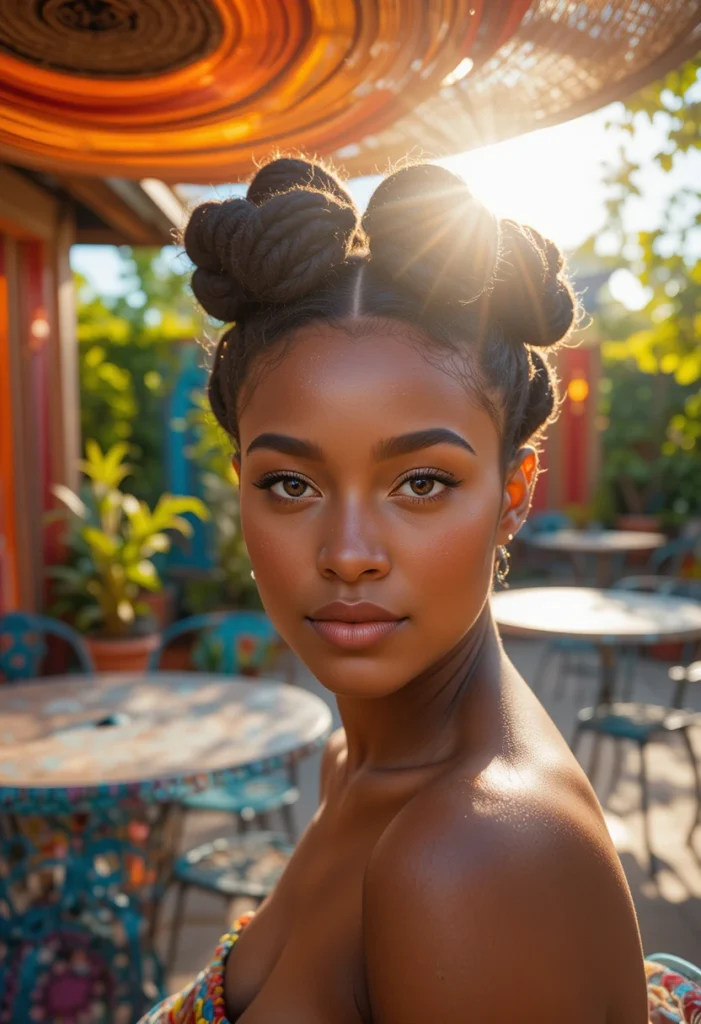
Heatless curling rods, often made of foam or flexible fabric, have become increasingly popular for their ease of use. Hair is wrapped around the rod, secured, and left to set for several hours or overnight, resulting in smooth, salon-quality curls without a single pass of heat.
These tools are especially convenient because they can be worn while sleeping, making them ideal for anyone who wants curls ready the moment they wake up. The ribbon-style versions in particular have gained traction on social media for how simple they are to use, requiring no clips or pins, just a wrap-and-tie technique that stays secure throughout the night.
Read also: Deep Conditioning Routine Hair: Achieve Salon-Worthy Softness and Strength at Home
Bantu Knots for Textured Curls
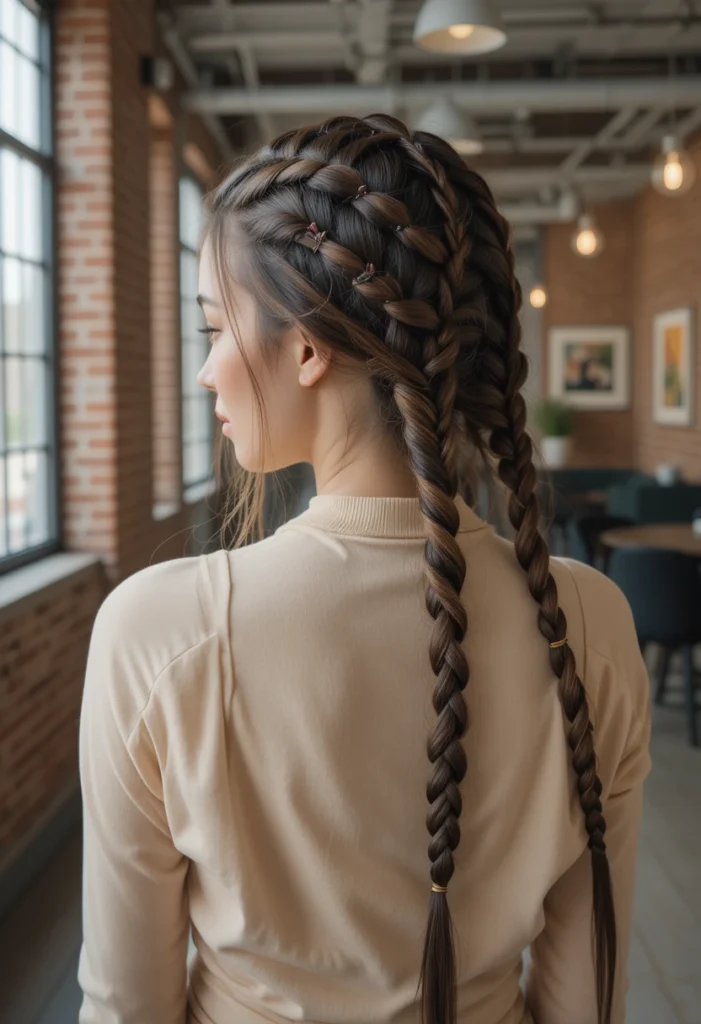
Bantu knots involve sectioning hair into small parts and twisting each into a tight coil against the scalp. Left to set for a few hours or overnight, these knots unravel into tight, spiral curls with a distinctly textured look. This technique has deep cultural roots and remains one of the most effective heatless methods for achieving well-defined curls.
The size of each knot directly influences the resulting curl, with smaller knots producing tighter coils and larger ones creating looser spirals. Because the technique doesn’t rely on any external tool, it’s low-cost and easy to repeat regularly, making it a sustainable option for anyone wanting to avoid heat damage long-term while still enjoying textured styles.
Bubble Braids for a Modern Twist
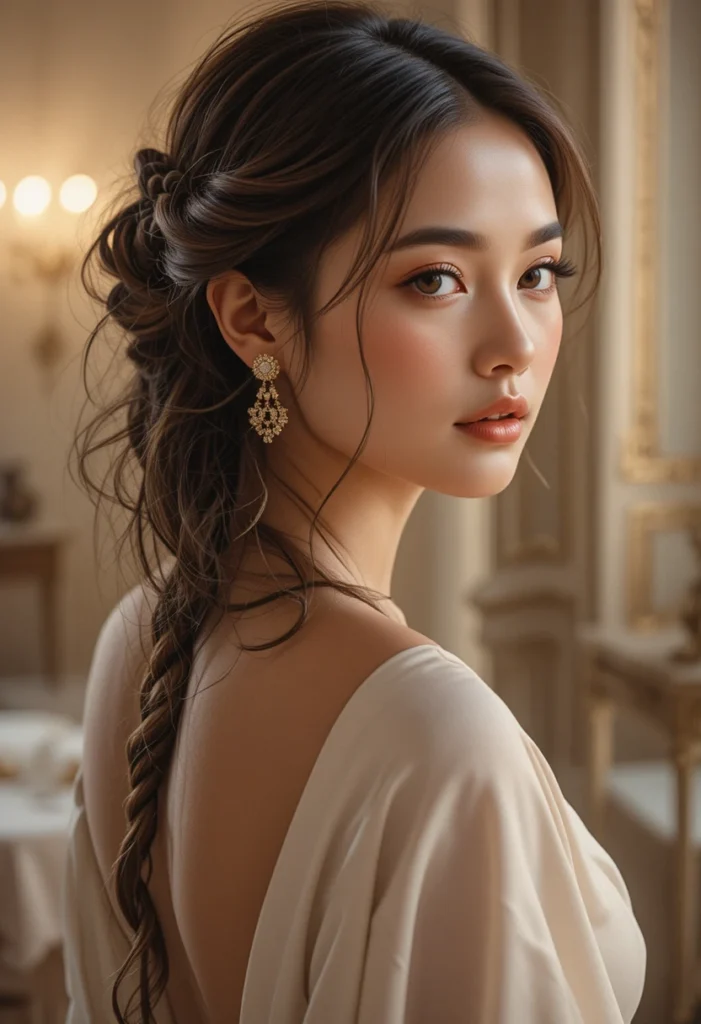
Bubble braids offer a playful, modern take on the classic ponytail or braid, created by sectioning hair with small elastics at intervals and gently pulling each section to create a bubble effect. This style requires no heat at all and can be done in minutes, making it a favorite for casual outings or even dressed-up occasions.
What makes bubble braids especially appealing is their versatility. They can be styled high, low, to the side, or even in double pigtail form, adapting easily to different moods and outfits. Since the style relies purely on sectioning and elastics, it’s gentle on hair and can be worn comfortably for extended periods without causing tension or breakage.
Rope Braids for Elegant Texture
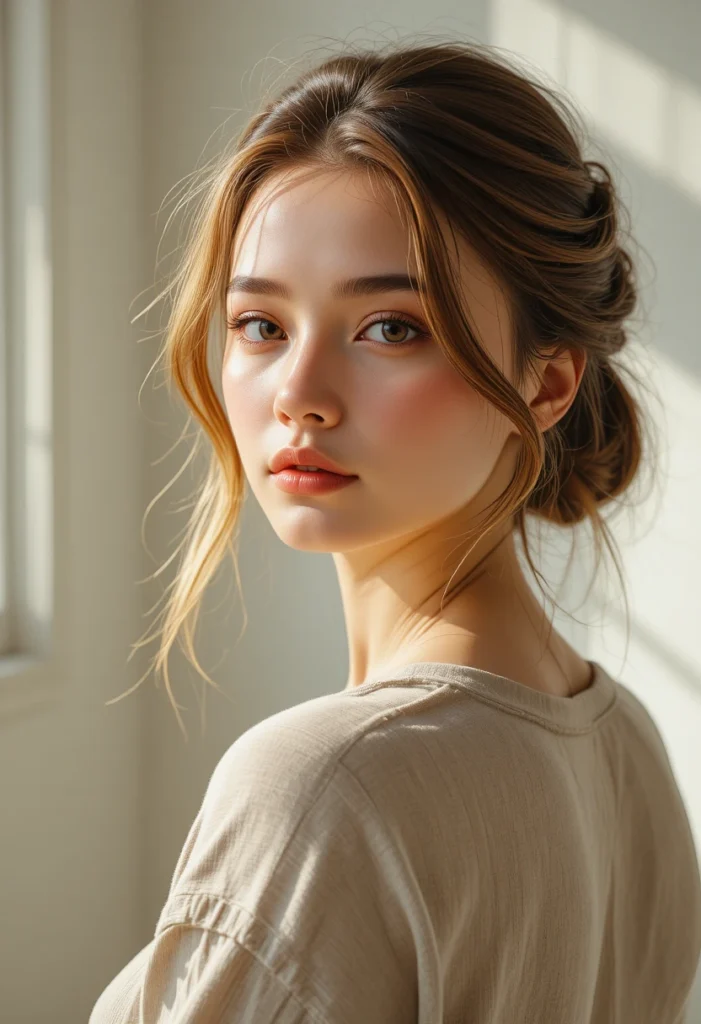
Rope braids are created by twisting two sections of hair around each other rather than using a traditional three-strand braid. The result is a textured, rope-like pattern that looks intricate but is surprisingly simple to achieve. This style works beautifully on both straight and wavy hair, adding dimension without any heat involved.
Because rope braids hold their shape well, they’re often used as an everyday style rather than something reserved for special occasions. Wearing one overnight can also produce soft waves once unraveled, giving this technique a dual purpose that appeals to people looking for both a standalone style and a heatless waving method.
Half-Up Twists for Effortless Style
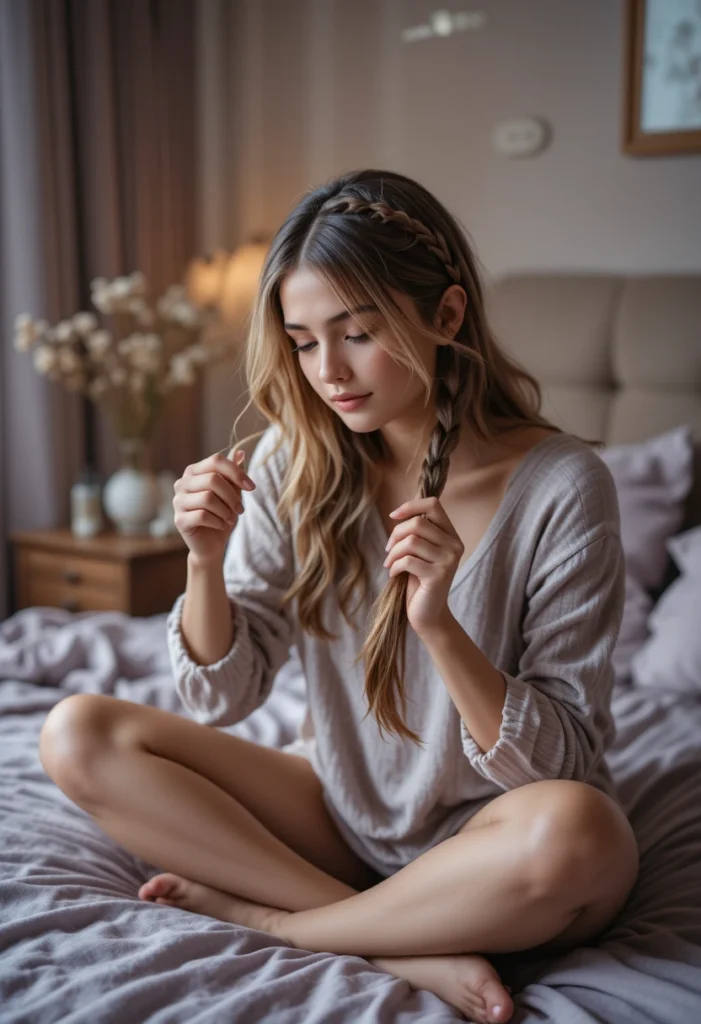
Half-up twisted styles combine the ease of a half-up hairstyle with the visual interest of twisted sections. Small pieces of hair from the front or sides are twisted back and secured, framing the face while leaving the rest of the hair down. This look requires no heat and takes only a few minutes to put together.
This style works particularly well for those transitioning between hair lengths or trying to keep hair out of their face without committing to a full updo. The twists add subtle texture and structure, making even second or third-day hair look freshly styled. Its simplicity also means it pairs well with nearly any outfit or occasion, from casual days to more polished settings.
Pineapple Updo for Curl Preservation
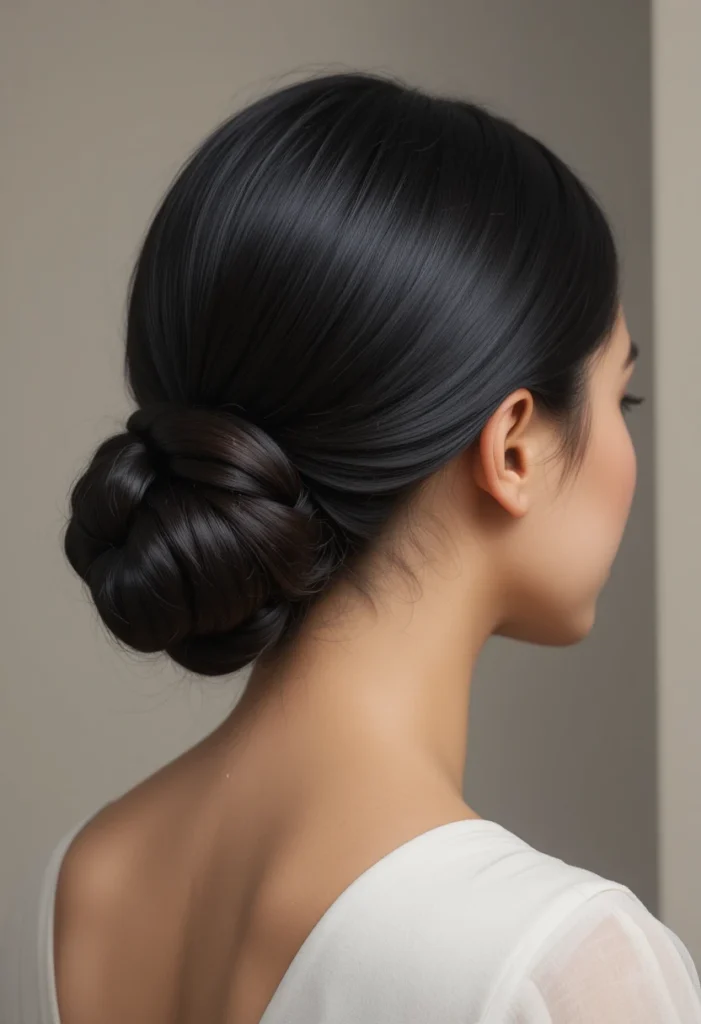
The pineapple updo is specifically designed for curly-haired individuals who want to preserve their curl pattern overnight without flattening it. Hair is gathered loosely at the top of the head, allowing curls to hang freely without pressure from a pillow, which helps maintain shape and reduce frizz by morning.
This technique isn’t just about protection, though. Loosening the pineapple slightly and adding a touch of product in the morning can transform it into a voluminous, styled look on its own. Many curly-haired individuals rely on this method nightly, making it one of the most practical no heat routines for long-term curl health.
Flat Twist Updos for Polished Looks
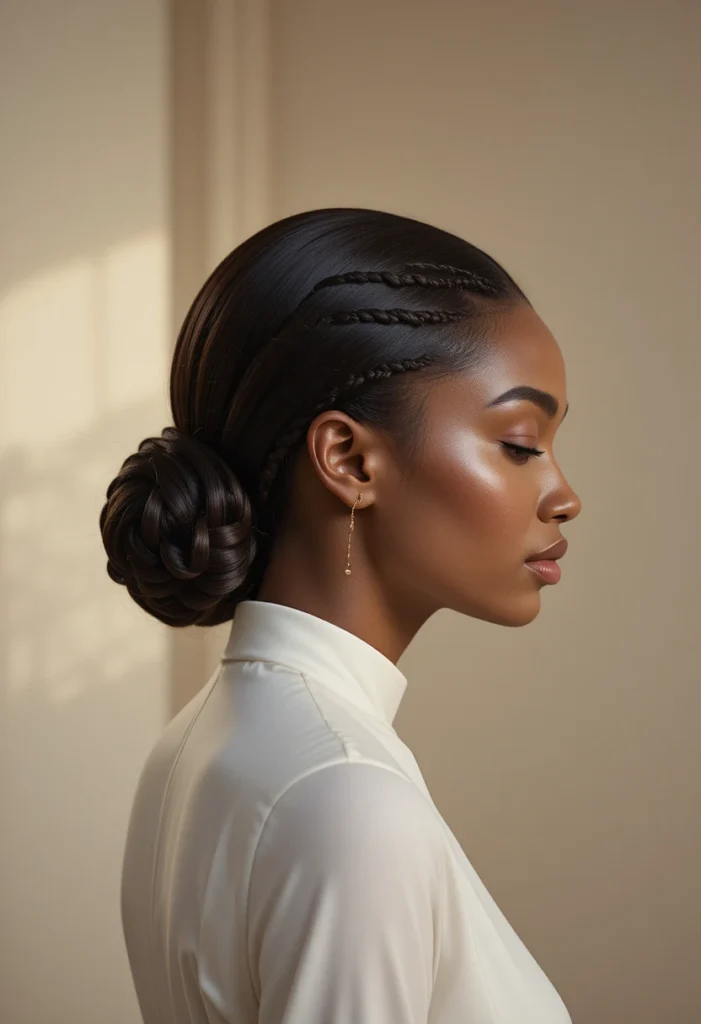
Flat twists involve twisting hair close to the scalp in a flat, cornrow-like pattern, which can be styled into elegant updos without any heat exposure. This technique works well for special occasions or professional settings where a neat, structured look is needed, yet it remains gentle on the hair throughout the styling process.
Because flat twists lie close to the head, they also double as a protective style, shielding ends from friction and environmental exposure. Depending on how the twists are arranged, they can create anything from a simple low bun to an intricate, decorative pattern, proving that heatless styling doesn’t have to sacrifice sophistication for hair health.
Conclusion
No heat hairstyles prove that beautiful, versatile looks don’t require sacrificing hair health for style. From overnight braids to elegant twist updos, these techniques offer lasting results while keeping strands strong, shiny, and damage-free for the long run.

Mehboob Ahmad is the founder and writer behind BeautyVibeWorld. With a genuine passion for skincare, makeup, and everyday beauty routines, Mehboob started this platform to share simple, practical, and research-backed advice that real people can actually use without the confusion of conflicting trends and overhyped products.
Every article on BeautyVibeWorld is written with care, backed by research, and regularly updated to stay accurate and relevant. Mehboob believes good beauty advice should be honest, easy to follow, and free of unnecessary complexity.
Outside of writing, Mehboob enjoys exploring new beauty trends and staying up to date with the latest in skincare and haircare research to keep bringing fresh, reliable content to BeautyVibeWorld readers.