

Rice water has quietly become one of the most talked-about natural remedies in hair care circles, and for good reason. People across the world are sharing their rice water for hair growth results, and the transformations are hard to ignore. This article breaks down what makes rice water so effective, how it works, and what real results actually look like when used consistently.
What Makes Rice Water Effective for Hair Growth
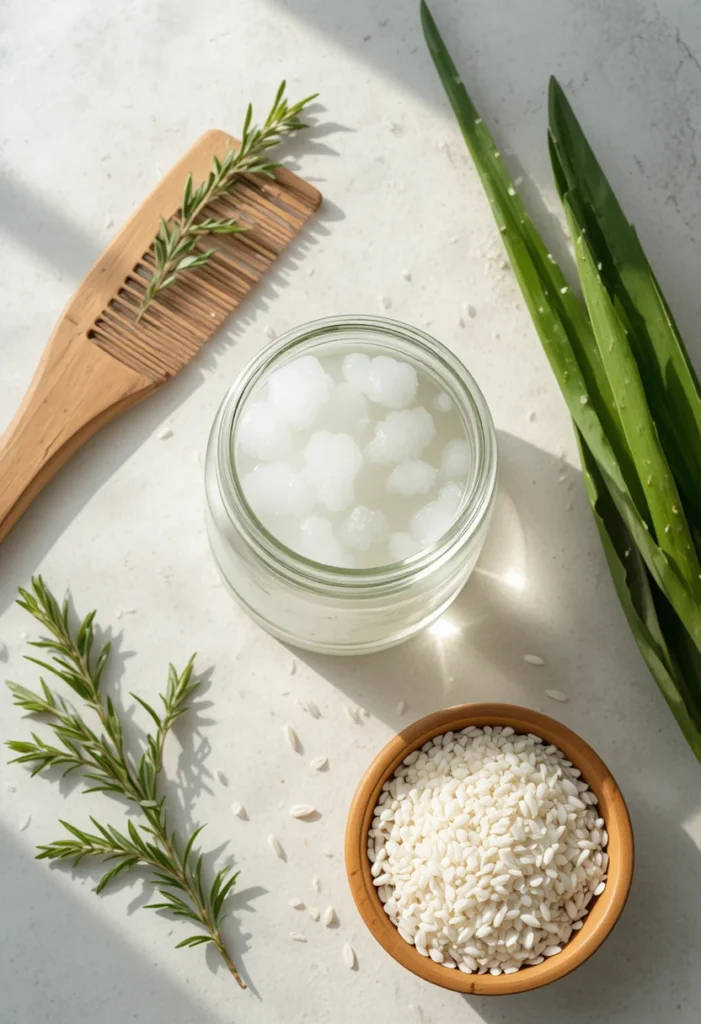
Rice water is simply the starchy liquid left behind after soaking or boiling rice, but its composition is far from ordinary. It contains inositol, a carbohydrate known to repair damaged hair from the inside out and reduce surface friction. This is one reason so many people notice smoother strands within just a few weeks of consistent use.
Beyond inositol, rice water carries small amounts of vitamins B and E, along with minerals like zinc and magnesium. These nutrients support the scalp environment where hair follicles live, which plays a direct role in how strong and full new hair growth appears over time. The combination of these elements is what separates rice water from many other DIY treatments people try.
The Science Behind Rice Water and Hair Strength

Scientific interest in rice water isn’t just anecdotal. Studies on inositol have shown that it can penetrate damaged strands and remain there even after rinsing, offering a protective layer that reduces breakage. This matters because hair growth is often limited not by how fast hair grows, but by how much breaks off before it gets the chance to lengthen.
When hair experiences less breakage, the natural growth cycle gets more visible results. Many users report that their ponytails feel thicker or that their ends look less frayed after weeks of rice water rinses. This isn’t magic — it’s the practical outcome of reduced protein loss and improved elasticity in each strand.
How Rice Water Nourishes the Scalp
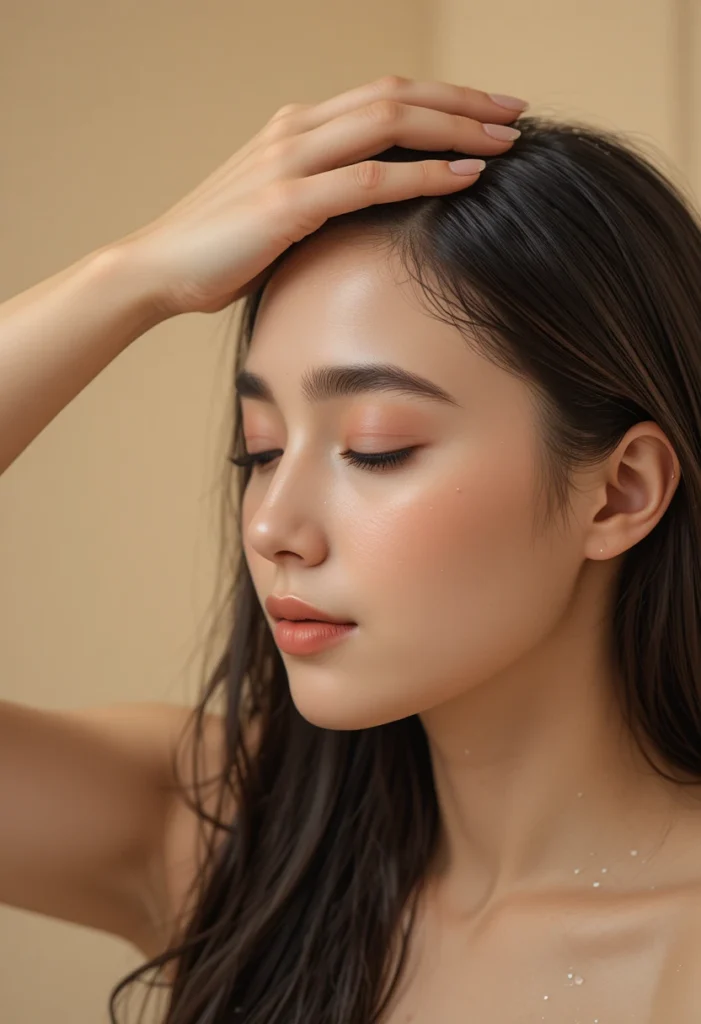
A healthy scalp is often the missing piece in most hair growth conversations, and rice water addresses it directly. The mild fermentation process, when rice water is left to sit for a day or two, increases the presence of antioxidants and slightly lowers the pH, which can help balance a scalp that’s prone to excess oil or irritation.
This balanced scalp environment reduces some of the common triggers behind shedding and stunted regrowth. When the scalp isn’t inflamed or clogged, hair follicles function closer to their natural rhythm. That’s why many people pair rice water rinses with regular scalp massage, since the two together create conditions where hair growth results become noticeable sooner rather than later.
Real Results Women Are Seeing With Rice Water

Across forums, videos, and personal blogs, a pattern keeps repeating: people using rice water two to three times a week for at least a month report visibly reduced hair fall and a softer, more manageable texture. These aren’t overnight transformations, but they are consistent enough to explain why the trend keeps growing.
Some users specifically mention shorter shedding strands turning into longer, healthier growth after two to three months. Others focus less on length and more on thickness, noting their hair feels denser to the touch. While individual results vary based on hair type and consistency, the recurring theme is that rice water rewards patience rather than one-time use.
Rice Water and Reduced Hair Fall
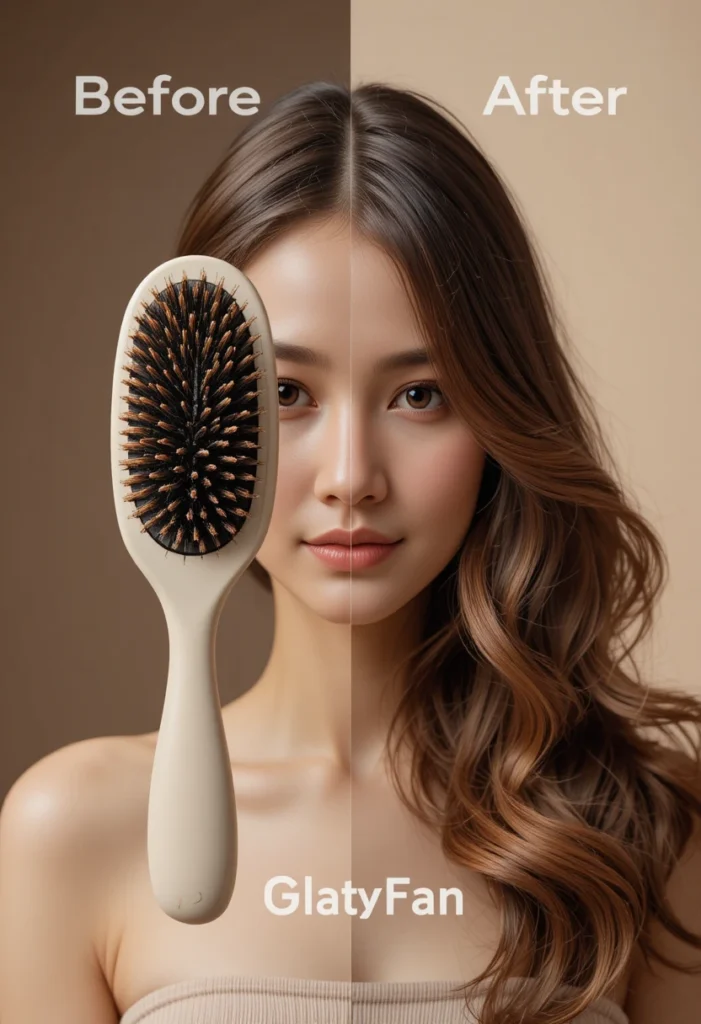
One of the most common complaints people bring to rice water is excessive shedding, and this is an area where its benefits are often most visible. The amino acids in rice water help strengthen the hair shaft, making each strand less prone to snapping under normal daily stress like brushing or tying up.
Reduced hair fall doesn’t just mean fewer strands in the shower drain. It also means existing hair has more time to grow longer before it naturally sheds, which compounds over months into visibly fuller hair. This is why rice water is frequently recommended as a long-term habit rather than a short-term fix.
Read also:10+ No Heat Hairstyles Tutorials: Protect Your Hair While Looking Effortlessly Chic
The Role of Amino Acids in Rice Water

Amino acids are the building blocks of keratin, the primary protein that makes up human hair. Rice water is rich in these compounds, particularly when fermented, and applying them directly to the scalp and strands gives hair some of the raw material it needs to rebuild damaged areas.
This is particularly useful for hair that has been exposed to heat styling, coloring, or frequent washing, all of which strip natural proteins over time. Regular use of rice water can help replenish some of what’s lost, which is often reflected in hair that looks less brittle and behaves better when styled.
Rice Water for Shinier and Smoother Hair

Shine is one of the most immediate changes people notice, often within the first few uses. This happens because rice water smooths the hair’s outer cuticle layer, allowing light to reflect more evenly across each strand. Hair that was previously dull or rough to the touch tends to feel silkier almost right away.
Smoother cuticles also mean less tangling and easier detangling during washing or brushing. This reduces mechanical stress on the hair, which indirectly supports growth by minimizing breakage caused by daily handling. For many people, this improvement in texture is what keeps them coming back to rice water even before longer-term growth results appear.
Fermented Rice Water Versus Plain Rice Water
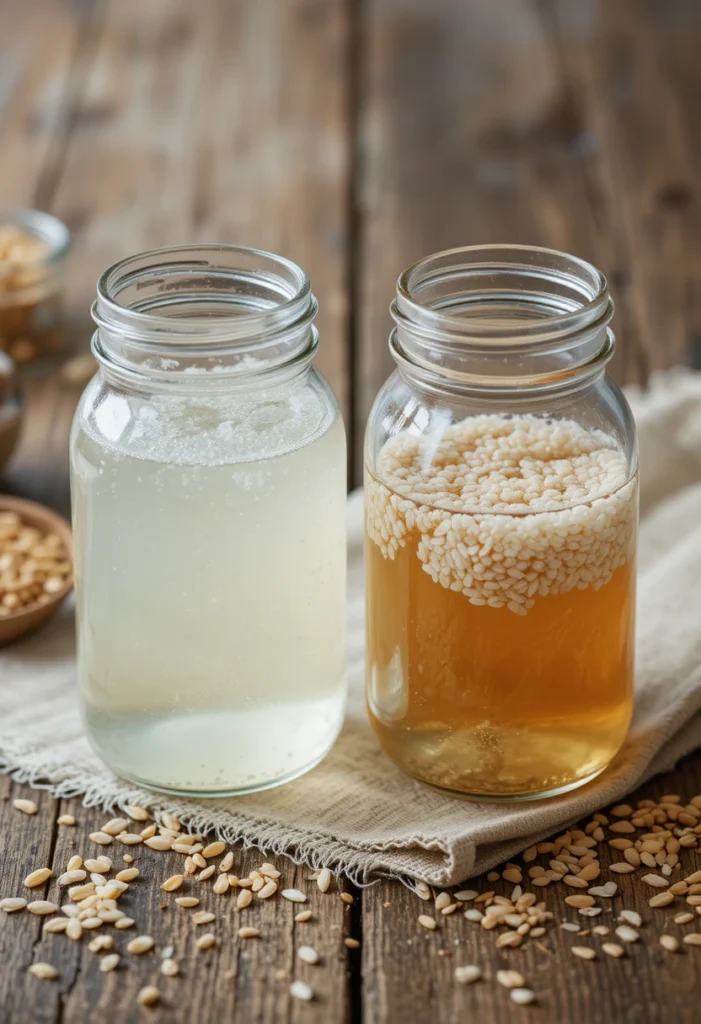
Not all rice water is created equal, and the fermentation process changes its effectiveness. Plain rice water, made by simply soaking rice for twenty to thirty minutes, contains a milder concentration of nutrients. It’s gentle and suitable for sensitive scalps, but the results tend to build more slowly.
Fermented rice water, on the other hand, involves letting the soaked rice sit at room temperature for one to two days until it develops a slightly sour smell. This process increases the nutrient concentration significantly, particularly antioxidants and amino acids. Many people who report faster or more dramatic hair growth results tend to use the fermented version, though it does require more careful storage and shouldn’t be left too long before use.
How Often Should You Use Rice Water

Consistency plays a bigger role in outcomes than the exact frequency used. Most people who see meaningful results apply rice water as a final rinse after shampooing, two to three times per week. This frequency allows the scalp and strands to benefit from the nutrients without becoming overly saturated with starch, which can sometimes lead to buildup if used daily.
Leaving rice water on for ten to twenty minutes before rinsing tends to give better absorption than an immediate wash-out. Some people also alternate between rice water rinses and regular conditioner to keep hair balanced. Over a period of two to three months, this rhythm tends to produce the visible changes people are looking for, whether that’s reduced shedding, added shine, or a fuller-looking mane.
Common Mistakes That Reduce Rice Water Results
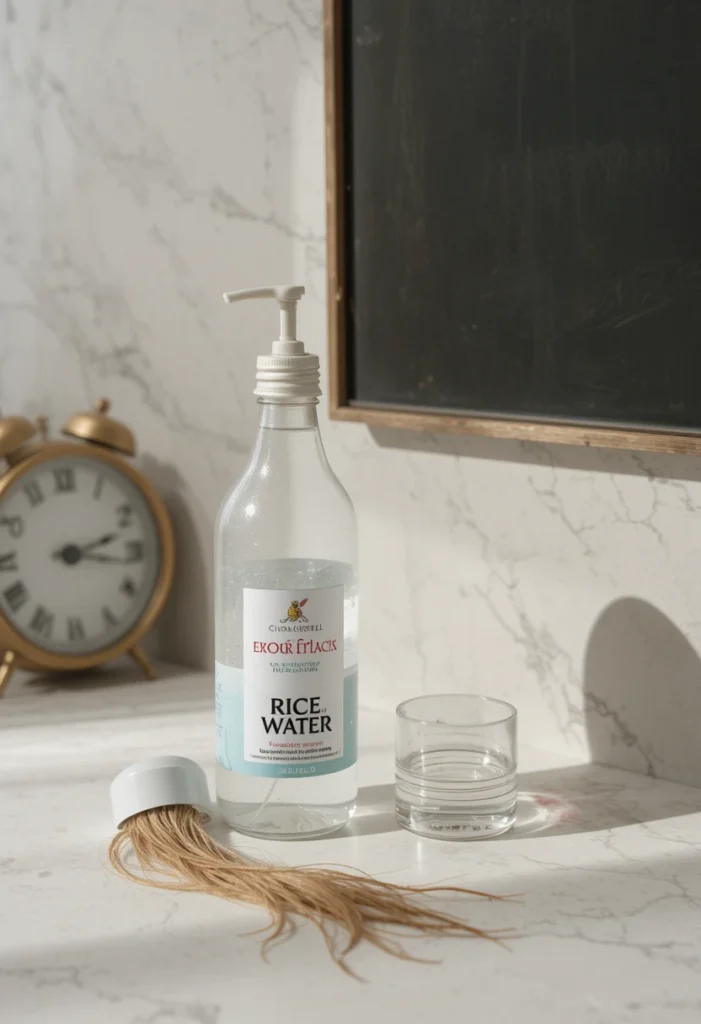
Even a simple remedy like rice water can be undermined by small errors. One frequent mistake is leaving fermented rice water for too long, which can cause it to spoil and irritate the scalp rather than nourish it. Using it fresh or storing it properly in the refrigerator helps avoid this issue entirely.
Another common misstep is expecting results without pairing rice water with a broader healthy hair routine. Diet, hydration, and gentle handling all influence how well any topical treatment performs. Rice water works best as part of a consistent care habit rather than as an isolated fix, and skipping this context often leads people to underestimate what it can actually achieve.
Conclusion
Rice water isn’t a miracle cure, but the growing number of shared hair growth results shows it can genuinely support stronger, shinier, and fuller-looking hair when used consistently. With patience and the right technique, it remains one of the simplest natural additions to any hair care routine.

Mehboob Ahmad is the founder and writer behind BeautyVibeWorld. With a genuine passion for skincare, makeup, and everyday beauty routines, Mehboob started this platform to share simple, practical, and research-backed advice that real people can actually use without the confusion of conflicting trends and overhyped products.
Every article on BeautyVibeWorld is written with care, backed by research, and regularly updated to stay accurate and relevant. Mehboob believes good beauty advice should be honest, easy to follow, and free of unnecessary complexity.
Outside of writing, Mehboob enjoys exploring new beauty trends and staying up to date with the latest in skincare and haircare research to keep bringing fresh, reliable content to BeautyVibeWorld readers.