

Watching more hair collect in the brush or shower drain than usual can be genuinely unsettling, especially when the cause isn’t immediately clear. These hair loss prevention tips are designed specifically with women’s unique hair and hormonal patterns in mind, offering practical, research-backed ways to protect existing hair and support healthier growth going forward.
Understanding Why Women Experience Hair Loss Differently

Hair loss in women often looks and behaves differently than the more commonly discussed pattern baldness seen in men. Rather than receding at the hairline, women typically experience diffuse thinning across the crown and part line, which can make it harder to notice until it’s already fairly advanced. This distinct pattern is largely tied to hormonal fluctuations rather than a single dominant genetic factor.
Because the causes behind female hair loss are often multifaceted, involving hormones, nutrition, stress, and styling habits simultaneously, addressing it effectively usually requires looking at several areas of life rather than a single fix. Recognizing this complexity early on tends to lead to better long-term outcomes than waiting until thinning becomes severe before taking action.
Managing Hormonal Changes That Affect Hair

Hormonal shifts are among the most common triggers behind hair thinning in women, particularly during pregnancy, postpartum recovery, and the transition into menopause. During these periods, fluctuating estrogen and progesterone levels directly influence the hair growth cycle, often pushing more strands into the shedding phase than usual.
While some hormonal shedding resolves on its own once levels stabilize, prolonged imbalances, such as those caused by thyroid dysfunction or polycystic ovary syndrome, may require medical attention to address the root cause. Speaking with a healthcare provider about persistent, unexplained shedding tied to hormonal changes is often the most effective way to prevent the issue from progressing further.
The Impact of Nutrition on Hair Health

Hair follicles are highly sensitive to nutritional deficiencies, and inadequate intake of key nutrients like iron, zinc, and biotin can accelerate shedding significantly. Iron deficiency in particular is a well-documented cause of hair thinning in women, often going unnoticed until hair loss becomes one of the more visible symptoms.
Protein intake also plays a crucial role, since hair itself is primarily made of keratin, a protein-based structure. Diets that are too restrictive or lacking in variety often fail to provide the building blocks hair needs to grow strong and resilient. Addressing nutritional gaps, ideally through a balanced diet and guided supplementation when necessary, is one of the more controllable factors in preventing further hair loss.
Reducing Stress to Protect Hair Growth
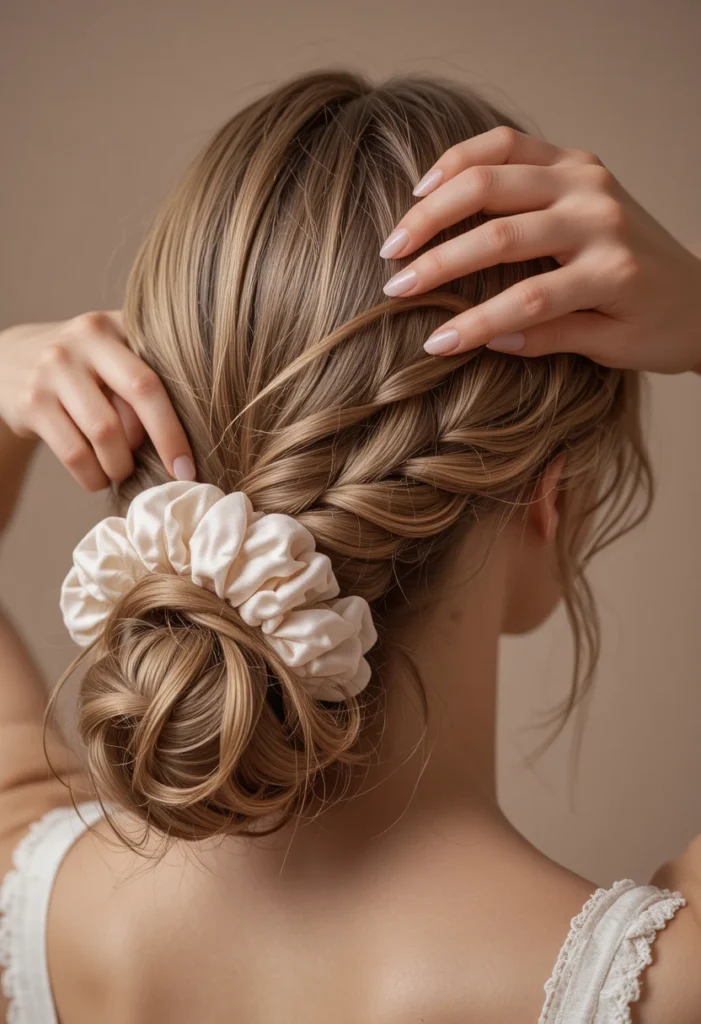
Chronic stress has a well-established connection to hair shedding, primarily through a condition called telogen effluvium, where a stressful event pushes an unusually high number of hair follicles into the resting phase simultaneously. This often results in noticeable shedding several months after the stressful period itself, making the connection easy to overlook.
Since stress-related hair loss is typically temporary, managing stress through consistent routines, adequate sleep, and relaxation techniques can help the hair growth cycle return to normal more quickly. While stress can’t always be eliminated entirely, reducing its intensity and frequency plays a meaningful role in minimizing its impact on long-term hair health.
Choosing Gentler Hairstyles to Prevent Traction Alopecia
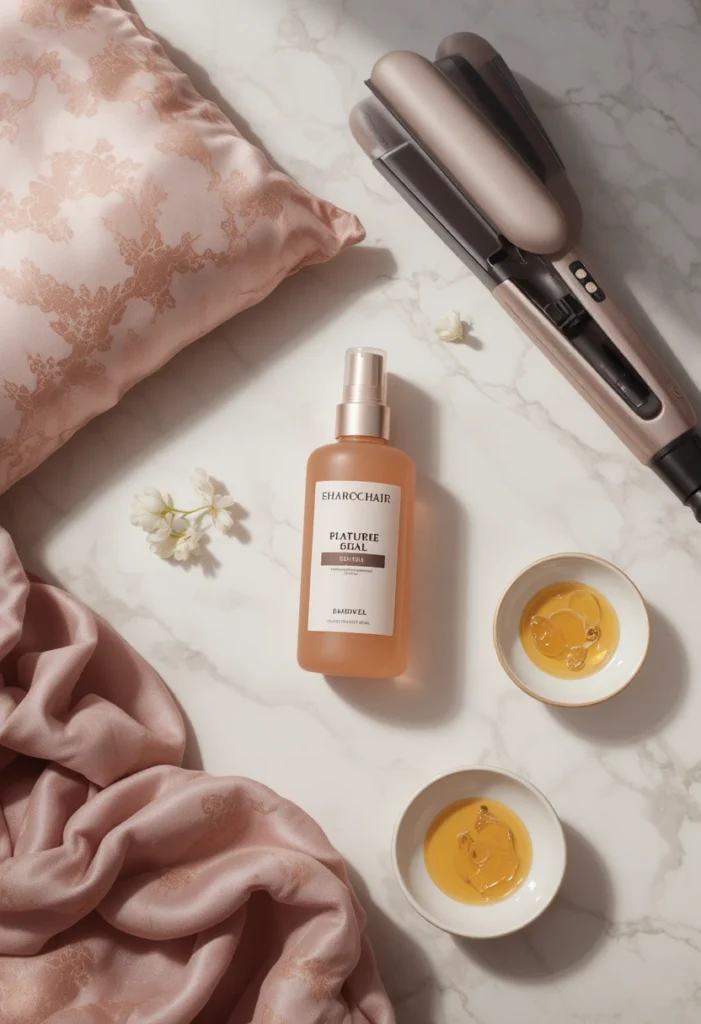
Tight hairstyles like high ponytails, braids, and buns, when worn frequently, can create constant tension on the hair follicles, leading to a condition known as traction alopecia. This type of hair loss develops gradually and is often mistaken for other causes since it results from repeated physical stress rather than internal factors.
Opting for looser styles, alternating between different hairstyles, and giving hair regular breaks from tight elastics or clips can significantly reduce this risk. For women who rely on tight styles for practical reasons, being mindful of tension levels and avoiding the same stress points repeatedly can help prevent this often-overlooked cause of thinning.
Read also:14+ Overnight Hair Treatment DIY: Wake Up to Softer, Healthier Hair Every Morning
Limiting Heat and Chemical Damage
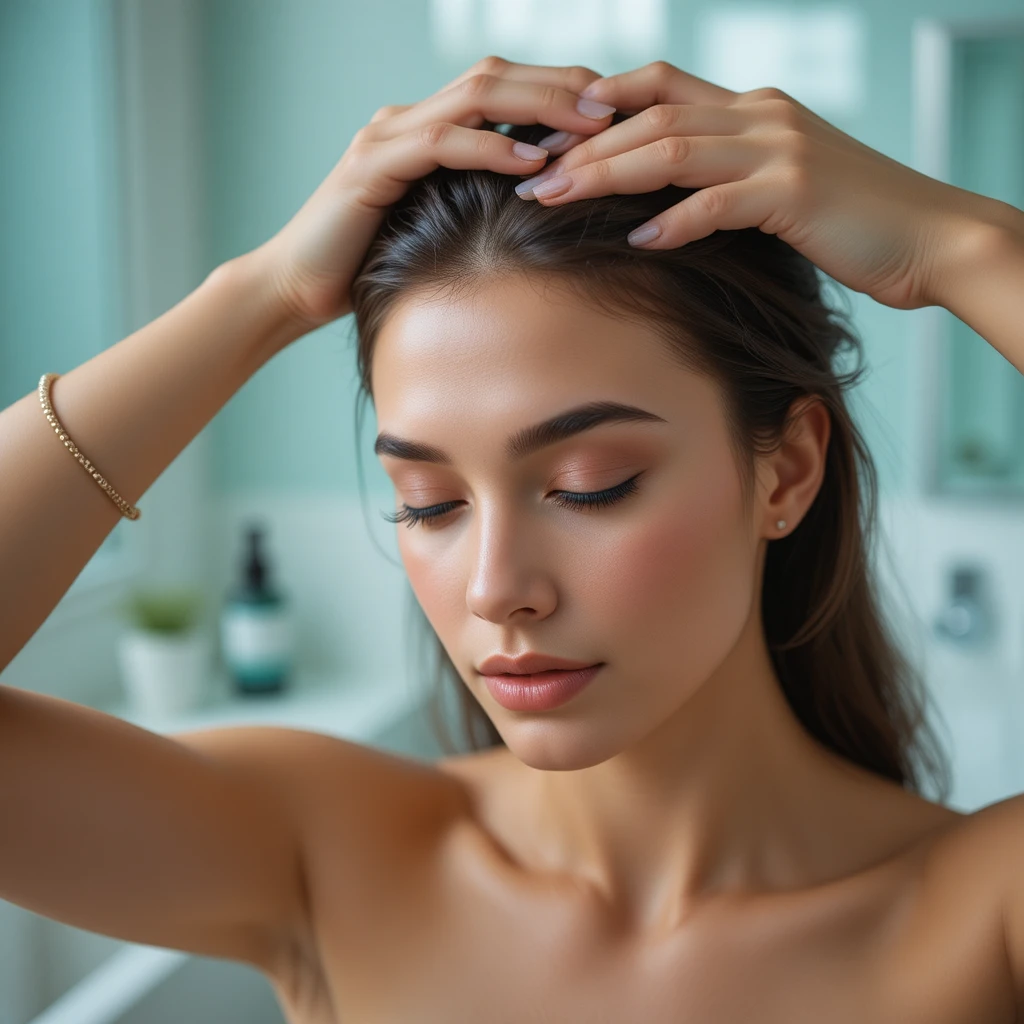
Frequent use of heat styling tools and chemical treatments like relaxers, perms, or bleach can weaken the hair shaft over time, making it more prone to breakage that mimics or worsens the appearance of hair loss. While this type of damage doesn’t necessarily affect the follicle itself, it significantly impacts how full and healthy hair appears overall.
Reducing the frequency of these treatments, or spacing them out further apart, gives hair more time to recover between exposures. Using protective products before heat styling and choosing gentler chemical alternatives when possible also helps minimize cumulative damage that can otherwise compound into more noticeable thinning over time.
The Role of Scalp Health in Preventing Hair Loss
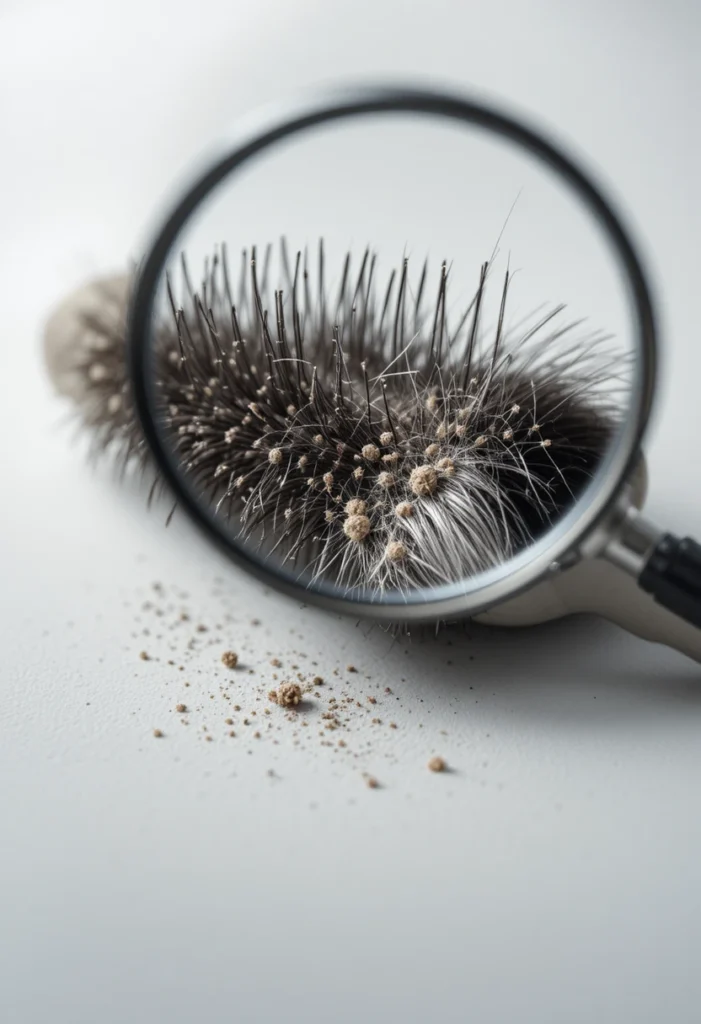
A healthy scalp provides the foundation for healthy hair growth, yet it’s an area many women overlook until problems like dandruff or excessive oiliness become hard to ignore. Conditions like seborrheic dermatitis or fungal buildup can clog follicles and disrupt the normal growth cycle if left untreated for extended periods.
Regular scalp massages, gentle exfoliation, and using shampoos formulated for specific scalp concerns can help maintain a balanced environment where hair growth isn’t hindered by inflammation or buildup. Treating the scalp as an essential part of hair care, rather than an afterthought, often makes a noticeable difference in how well the rest of a hair loss prevention routine performs.
Recognizing the Signs of Early Hair Thinning

Catching hair thinning early significantly improves the chances of preventing further progression, yet many women don’t notice changes until thinning becomes fairly advanced. Subtle signs include a widening part line, a ponytail that feels noticeably thinner than it used to, or an increase in visible scalp under bright lighting.
Paying closer attention to these early indicators, rather than dismissing them as normal variation, allows for quicker intervention through diet changes, stress management, or medical consultation if needed. Taking photos periodically to track changes over time can also help distinguish between normal shedding and a pattern that warrants closer attention.
Using Topical Treatments Backed by Research
For women looking for additional support beyond lifestyle changes, certain topical treatments have shown measurable benefits in clinical studies. Minoxidil, available over the counter, remains one of the most researched options for stimulating regrowth and slowing further thinning in women experiencing pattern-related hair loss.
Natural alternatives like rosemary oil have also gained attention for offering similar benefits with a gentler approach, making them appealing to women who prefer to start with non-pharmaceutical options before considering stronger treatments. Whichever route is chosen, consistency over several months is typically necessary before meaningful results become apparent.
The Importance of Regular Trims and Gentle Handling
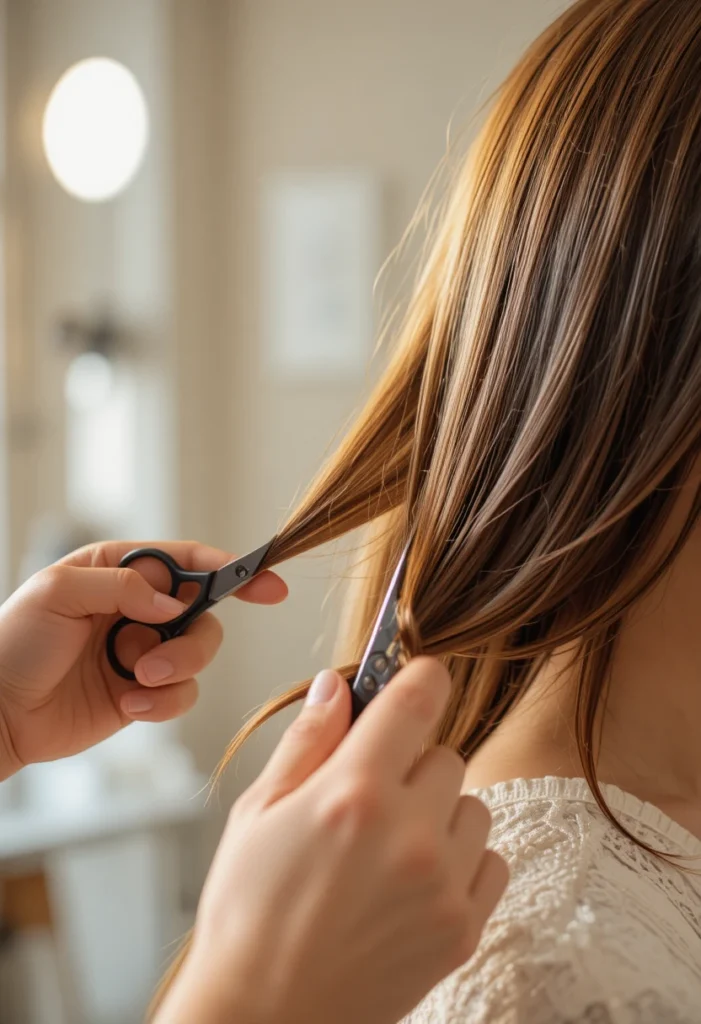
While trimming hair doesn’t directly stimulate growth, regular trims help prevent split ends from traveling further up the hair shaft, which can lead to breakage that makes hair appear thinner overall. Neglecting trims for extended periods often results in more breakage than growth, creating the illusion of stalled progress even when the scalp itself is healthy.
Gentle handling during washing, brushing, and styling also plays a significant role in minimizing unnecessary breakage. Using wide-tooth combs on wet hair, avoiding aggressive towel-drying, and detangling from the ends upward rather than the roots all contribute to preserving length and fullness that might otherwise be lost to avoidable mechanical damage.
When to Seek Professional Medical Advice
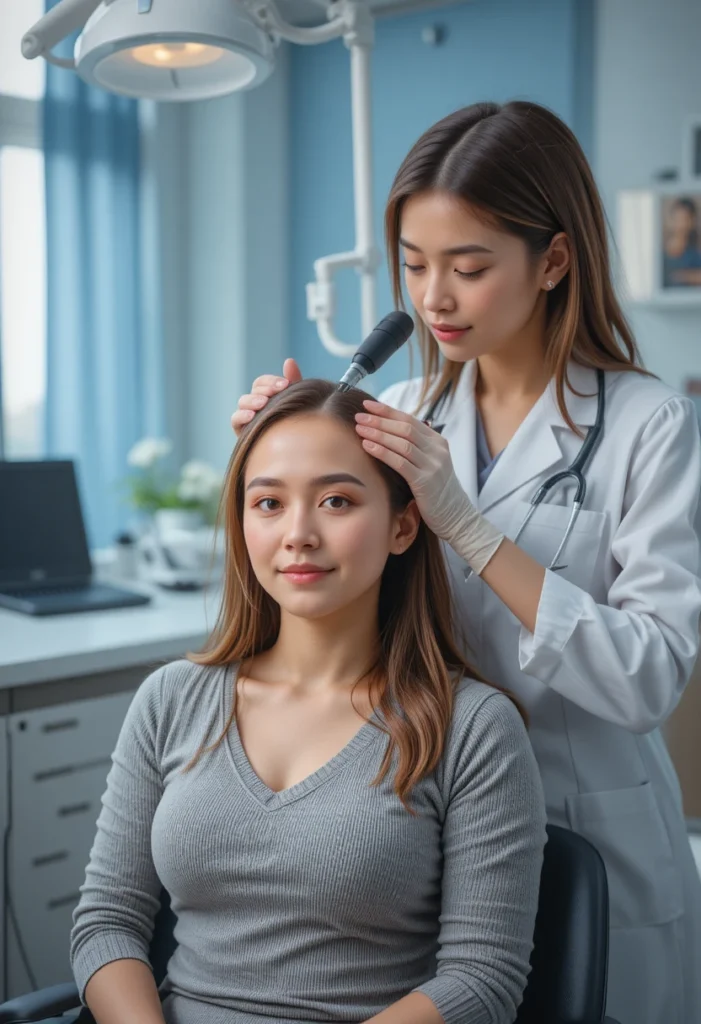
While many cases of hair thinning respond well to lifestyle adjustments, some situations call for professional evaluation, particularly when shedding is sudden, severe, or accompanied by other symptoms like fatigue or irregular periods. A dermatologist or trichologist can perform tests to identify underlying causes that might not be addressed through diet or stress management alone.
Blood tests checking hormone levels, iron stores, and thyroid function are commonly used to rule out or confirm specific medical causes behind hair loss. Seeking this kind of evaluation early, rather than waiting to see if thinning resolves on its own, often leads to more effective, targeted treatment rather than prolonged trial and error with general remedies.
Building a Long-Term Hair Care Routine for Prevention

Preventing hair loss isn’t typically about a single dramatic change but rather the consistent application of several supportive habits over time. Combining proper nutrition, stress management, gentle styling, and scalp care into a cohesive routine tends to produce far better results than focusing intensely on just one area while neglecting the others.
Patience is equally important, since hair growth cycles operate on a timeline of months rather than days or weeks. Tracking progress gradually, adjusting the routine as needed based on how hair responds, and maintaining these habits well beyond the point where improvement is first noticed helps ensure that hard-won progress doesn’t reverse once attention shifts elsewhere.
Conclusion
Preventing hair loss as a woman often comes down to addressing the full picture, from hormones and nutrition to styling habits and scalp health, rather than searching for a single fix. With patience and consistency, these combined efforts can help protect existing hair and support a healthier, fuller-looking future.

Mehboob Ahmad is the founder and writer behind BeautyVibeWorld. With a genuine passion for skincare, makeup, and everyday beauty routines, Mehboob started this platform to share simple, practical, and research-backed advice that real people can actually use without the confusion of conflicting trends and overhyped products.
Every article on BeautyVibeWorld is written with care, backed by research, and regularly updated to stay accurate and relevant. Mehboob believes good beauty advice should be honest, easy to follow, and free of unnecessary complexity.
Outside of writing, Mehboob enjoys exploring new beauty trends and staying up to date with the latest in skincare and haircare research to keep bringing fresh, reliable content to BeautyVibeWorld readers.