There’s something deeply satisfying about waking up to hair that feels soft, nourished, and easy to manage without spending extra time on it in the morning. An overnight hair treatment DIY routine takes advantage of the hours you’re already sleeping, allowing ingredients to work deeply into your strands while you rest. This article covers a wide range of overnight treatments you can create at home, each targeting different hair concerns from dryness to breakage.
Why Overnight Treatments Work Better Than Quick Fixes
The extended time frame of an overnight treatment is what makes it fundamentally different from a five-minute conditioner application. Hair strands need time to absorb moisture and nutrients, and rushing this process often means only the outer layer benefits while the inner structure remains largely untouched. Leaving a treatment on for six to eight hours gives ingredients the chance to penetrate more thoroughly.
This extended absorption window is particularly valuable for hair that’s been damaged by heat, chemical processing, or environmental stress, since these types of damage often exist below the surface. An overnight approach allows for a slower, more complete repair process that a quick rinse-out treatment simply can’t replicate, which is why so many people have shifted toward incorporating these treatments into their weekly routines.
Coconut Oil Overnight Treatment for Deep Hydration
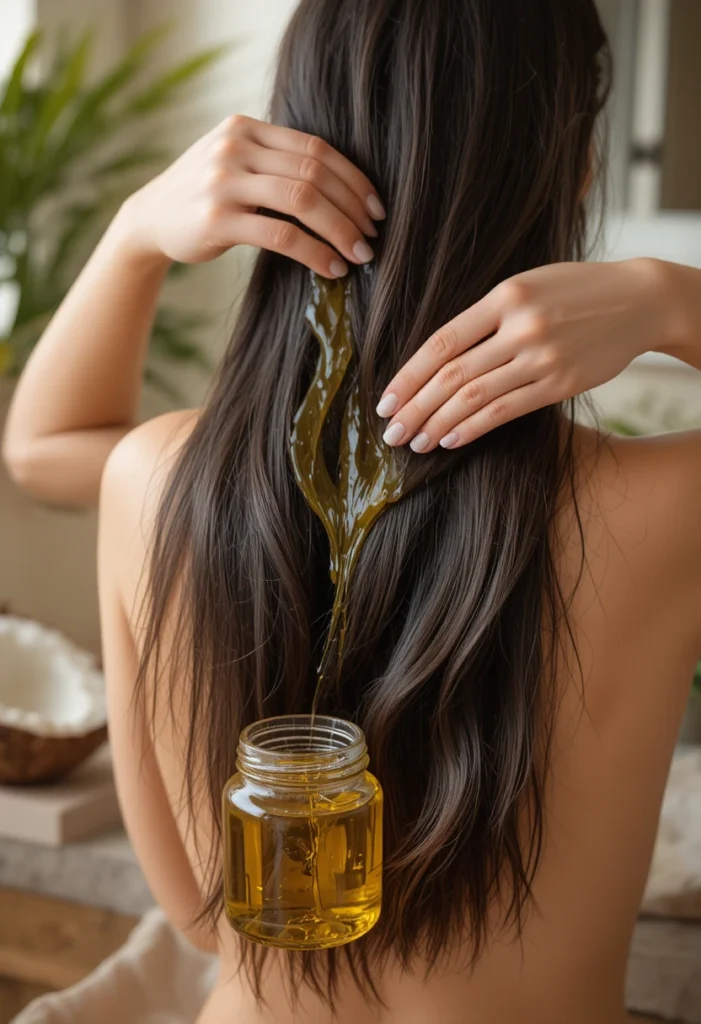
Coconut oil remains one of the most reliable overnight treatments due to its unique molecular structure, which allows it to penetrate the hair shaft rather than just coating the surface like many other oils. This penetration ability makes it especially effective for restoring moisture to hair that feels dry, brittle, or overly porous.
Applying a modest amount of warmed coconut oil from mid-shaft to ends, then covering hair with a loose cap or old t-shirt for protection, allows the oil to work throughout the night without transferring onto pillows. By morning, hair often feels noticeably softer and more pliable, especially after a thorough shampoo wash that removes any excess oil residue left on the scalp.
Olive Oil and Honey Mask for Damaged Strands
Combining olive oil with honey creates a treatment that addresses both moisture and protein needs simultaneously. Olive oil provides deep conditioning benefits similar to coconut oil, while honey acts as a natural humectant, drawing moisture into the hair and helping it retain that hydration throughout the night and into the following day.
This combination works particularly well for hair that’s been chemically treated or exposed to excessive heat styling, since the two ingredients together help rebuild some of the structural integrity that’s been compromised. Warming the mixture slightly before application helps it spread more evenly and enhances absorption, making the treatment more effective than applying the ingredients cold directly from the container.
Aloe Vera Gel for Scalp and Hair Repair
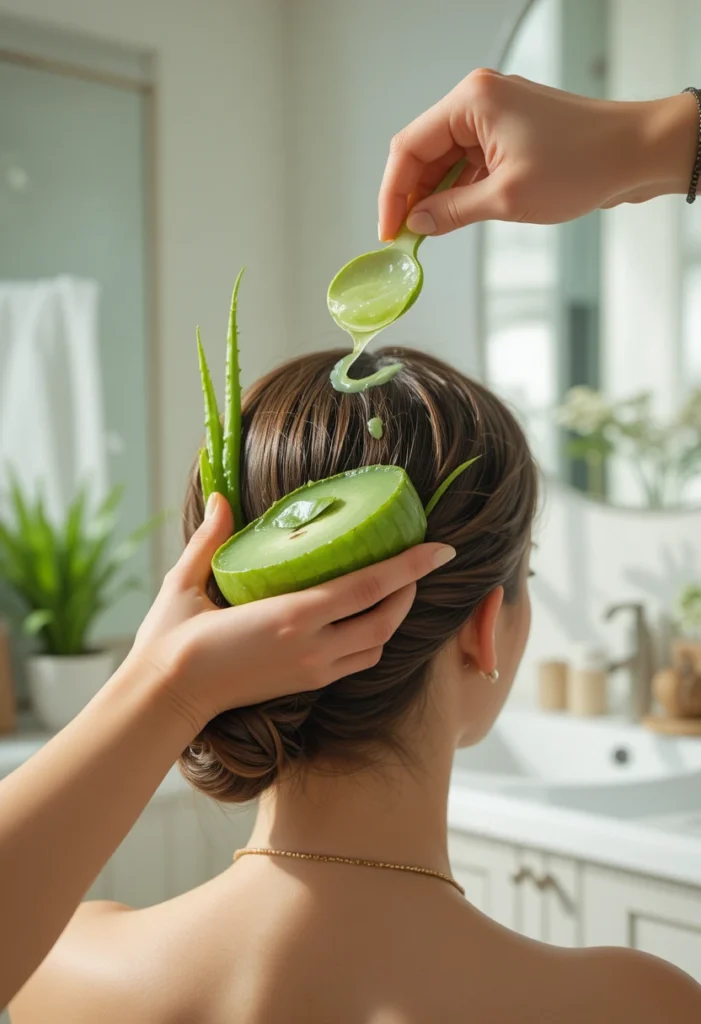
Fresh aloe vera gel offers a lighter alternative to oil-based treatments, making it particularly suitable for those with fine or oily hair who find heavier oils overwhelming. Applied directly to the scalp and worked through the length of the hair, aloe vera provides soothing, anti-inflammatory benefits alongside light hydration that doesn’t leave hair feeling weighed down by morning.
Beyond hydration, aloe vera contains enzymes that support a healthy scalp environment, which indirectly benefits hair growth over time. Leaving this treatment on overnight under a light cap allows the gel to fully absorb, and rinsing it out in the morning typically leaves hair feeling refreshed rather than greasy, unlike some heavier overnight oil treatments.
Banana and Yogurt Mask for Softness and Shine
Mashed banana combined with plain yogurt creates a nutrient-dense treatment that’s particularly effective for adding softness and shine to dull, lifeless hair. Bananas are rich in potassium and natural oils that help smooth the hair cuticle, while yogurt’s lactic acid gently cleanses the scalp and adds a subtle boost of shine.
Because this treatment has a thicker, more food-based consistency, it works best when hair is fully covered with a shower cap to prevent any mess overnight. Some people find the smell slightly noticeable in the morning, but a thorough shampoo easily removes any residual scent, leaving behind noticeably softer, shinier hair without any greasy aftereffects.
Egg and Olive Oil Treatment for Protein Repair
For hair that feels weak, overly elastic, or prone to snapping, an egg-based treatment provides a concentrated protein boost that helps rebuild the hair’s internal structure. Combining a beaten egg with a small amount of olive oil balances the protein content with enough moisture to prevent the treatment from feeling drying once rinsed out.
This particular treatment requires slightly more caution during application, since egg can be difficult to rinse out completely if hot water is used, as heat causes the protein to cook and stick to strands. Using cool to lukewarm water during the morning rinse ensures the treatment washes out cleanly, leaving hair feeling stronger and more resilient without any lingering odor or residue.
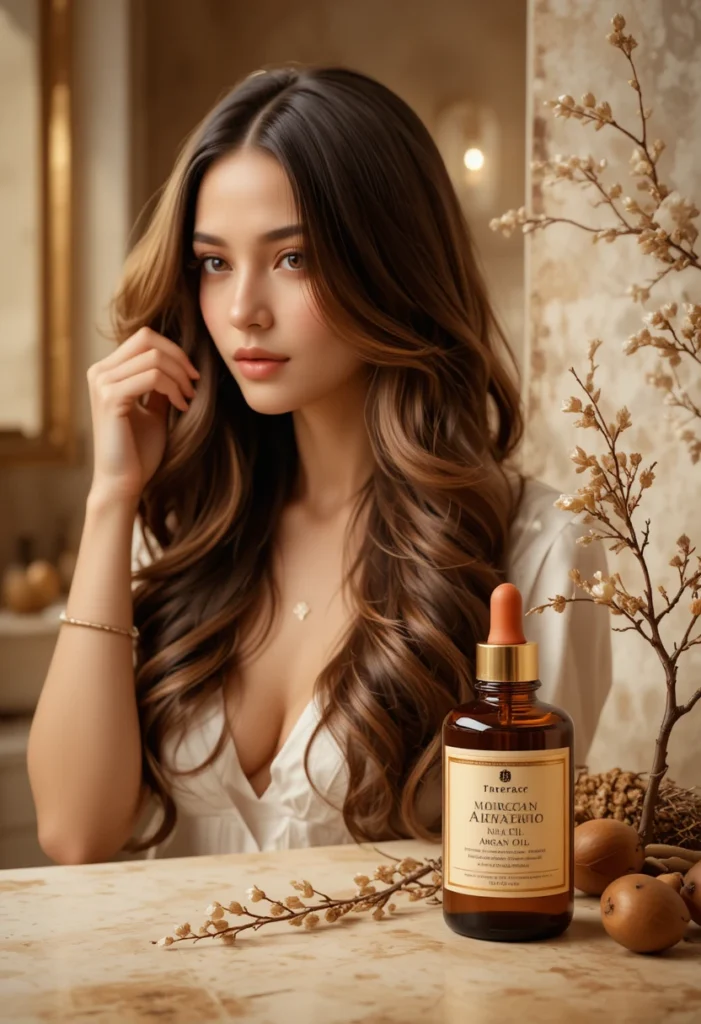
Argan oil has earned a reputation as a lightweight yet highly effective option for taming frizz and adding shine without the heaviness associated with some other oils. Its high concentration of vitamin E and essential fatty acids helps smooth the hair cuticle, which directly reduces the frizz that often results from humidity or over-washing.
Applying a few drops through the mid-lengths and ends before bed, rather than saturating the entire head, prevents the treatment from feeling excessive by morning. This targeted approach makes argan oil particularly suitable for those who want the benefits of an overnight treatment without the commitment of washing out a heavier, more saturating oil the next day.
Castor Oil for Thicker, Fuller-Looking Hair
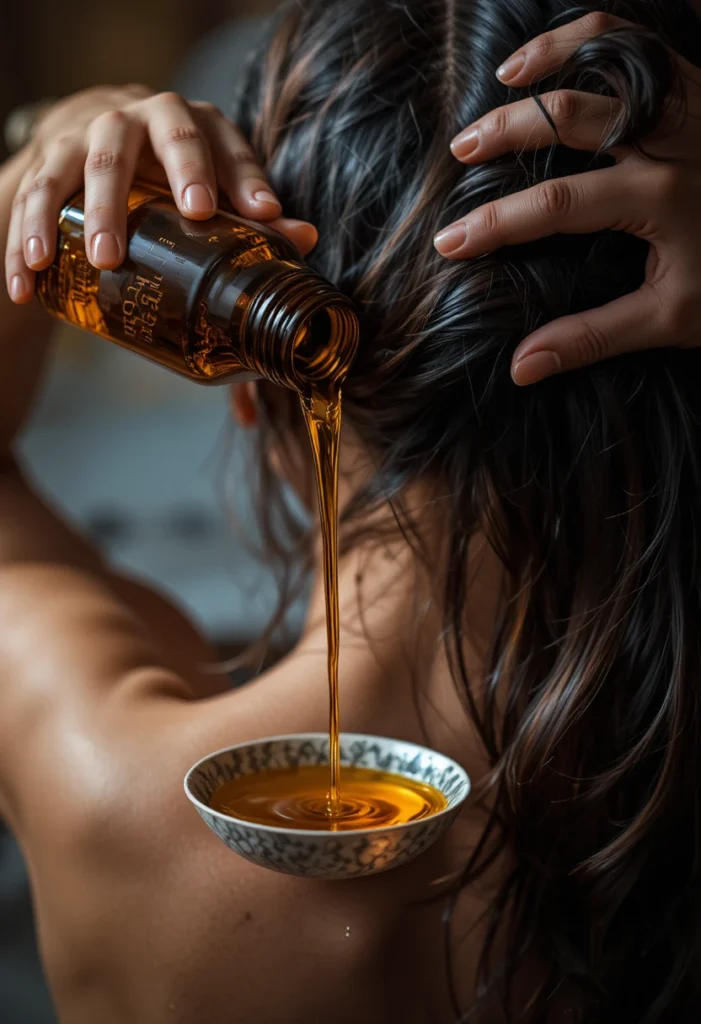
Castor oil has become a favorite among those specifically focused on hair growth and thickness, largely due to its high concentration of ricinoleic acid, which supports improved circulation when massaged into the scalp. This increased blood flow is believed to help nourish hair follicles more effectively, supporting healthier growth over time.
Because castor oil has a notably thick, sticky consistency, mixing it with a lighter carrier oil like jojoba or almond oil makes it easier to apply and rinse out. Massaging the diluted mixture into the scalp before bed and allowing it to work overnight has become a popular ritual for those hoping to address thinning or slow growth, particularly around the hairline and crown.
Avocado Mask for Deep Nourishment
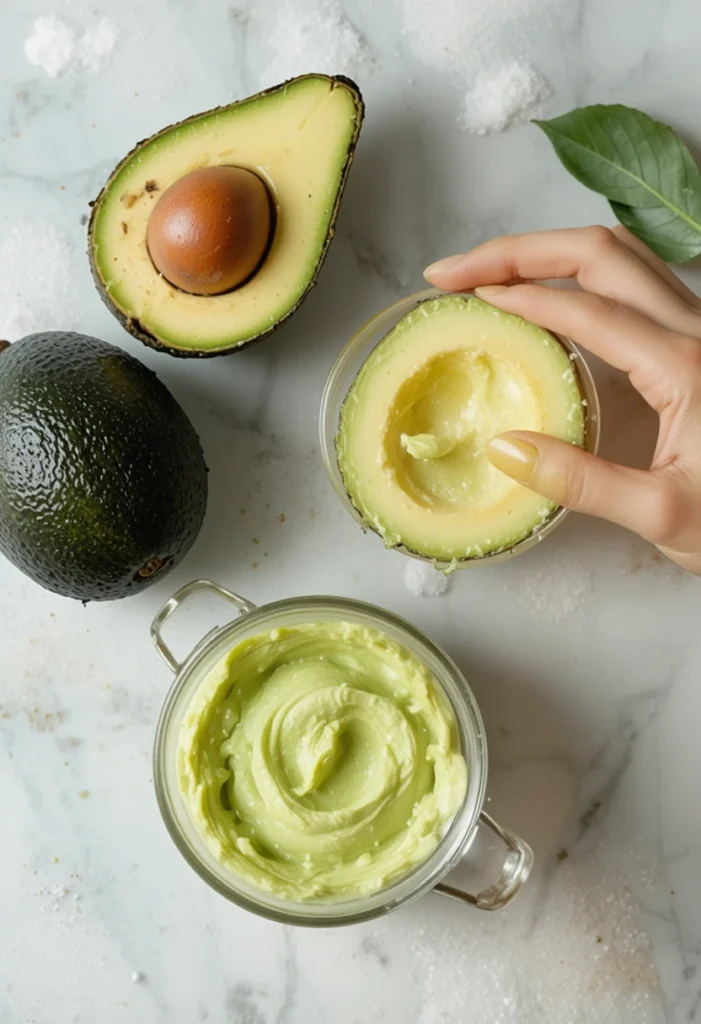
Avocado is often praised in skincare, but its benefits extend just as effectively to hair care, particularly for those dealing with severe dryness or damage. Rich in healthy fats and vitamins, mashed avocado applied as an overnight mask delivers deep nourishment that helps restore softness to hair that feels rough or overly textured.
Combining avocado with a small amount of oil, such as coconut or olive oil, helps the mixture spread more evenly and prevents it from drying out or flaking during the night. This treatment tends to work particularly well for curly or coarse hair types, which often require richer, more emollient ingredients to achieve the same level of softness that finer hair types get from lighter treatments.
Rice Water Rinse Before Bed
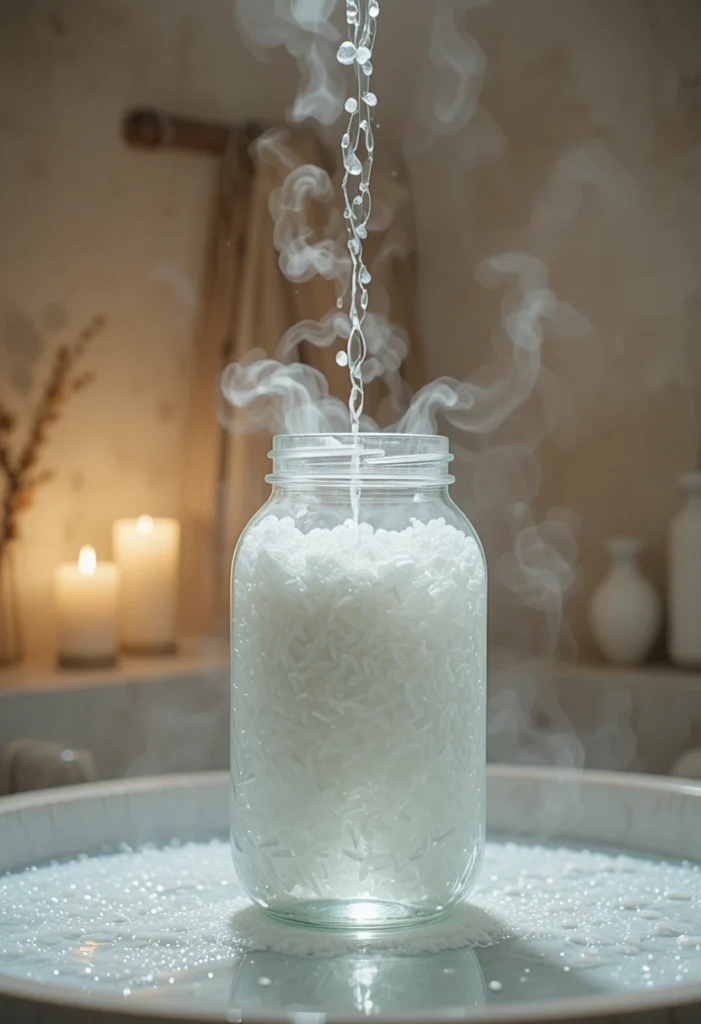
While rice water is often used as a rinse rather than a leave-in treatment, applying it before bed and allowing it to partially absorb before covering hair with a light cap can enhance its benefits significantly. The inositol in rice water works to strengthen strands from within, and giving it extended contact time overnight allows for deeper absorption than a quick rinse-and-wash approach.
This method works particularly well for those who want the benefits of rice water without the slightly starchy residue that can sometimes remain after just a brief application. Rinsing thoroughly in the morning ensures hair feels smooth rather than sticky, while still retaining the strengthening benefits that rice water is known for delivering with consistent use.
Shea Butter Treatment for Extremely Dry Hair
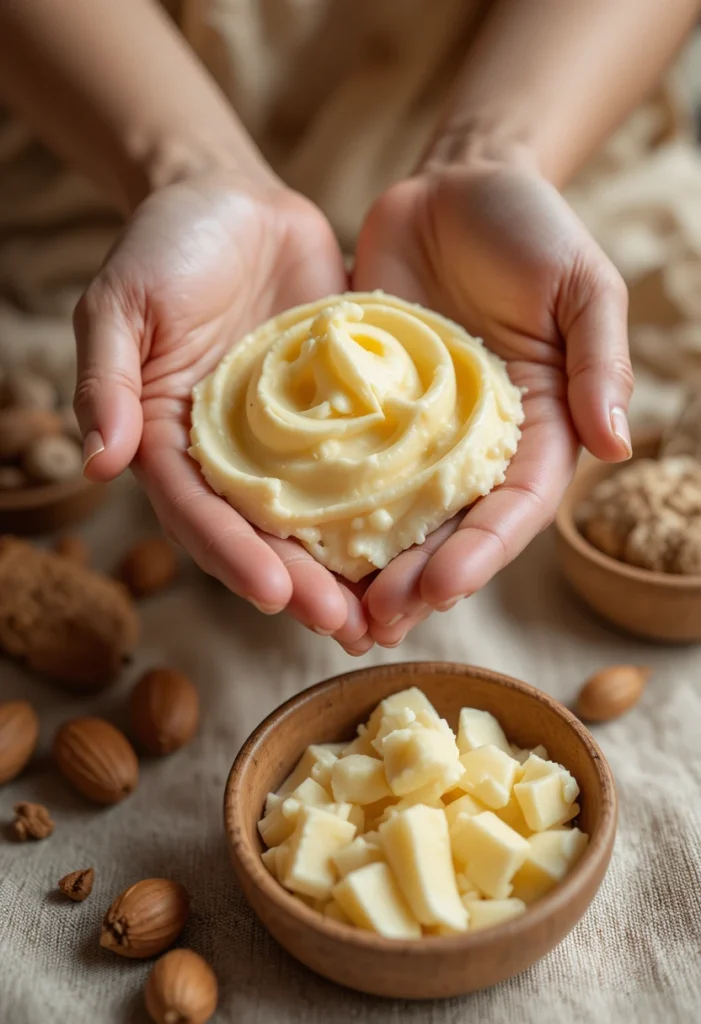
Shea butter’s thick, rich texture makes it one of the most effective options for hair that’s severely dry or has a very coarse texture, particularly common in tightly coiled or curly hair types. Warming a small amount between the palms before application helps it melt slightly, making it easier to distribute evenly through the hair without clumping in certain areas.
Because of its heavy consistency, shea butter is best reserved for those specific dry patches or ends rather than applied to the entire head, especially for those with finer hair textures that might feel weighed down by such a rich product. Used correctly, it leaves hair feeling remarkably soft and manageable, often outperforming lighter treatments for genuinely severe dryness.
Honey and Coconut Oil for Split End Prevention
While no treatment can permanently repair split ends, a combination of honey and coconut oil applied specifically to the ends of the hair overnight can help minimize their appearance and prevent further splitting in the short term. Honey’s moisture-retention properties combined with coconut oil’s penetrating ability create a protective barrier around the most vulnerable part of the strand.
This targeted, ends-only application is particularly useful for those growing out their hair who want to minimize the need for frequent trims. While regular trims remain the only true solution for existing split ends, this overnight treatment can extend the time between cuts by keeping ends looking healthier and less prone to visible fraying.
Green Tea Rinse for Scalp Health
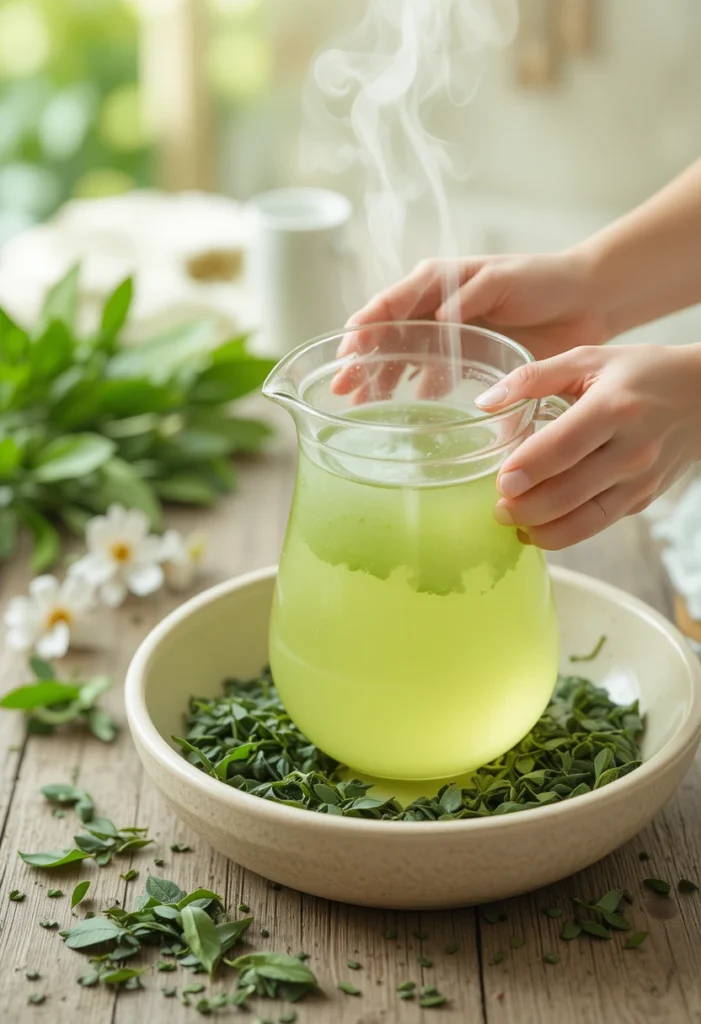
Green tea, cooled after brewing and applied to the scalp before bed, offers antioxidant benefits that support a healthier scalp environment over time. Its natural compounds help calm inflammation and may contribute to a reduction in excess oil production, making it a useful addition for those dealing with an overly greasy scalp that standard treatments don’t fully address.
Unlike oil-based treatments, a green tea rinse is lightweight and doesnn’t require extensive rinsing in the morning, making it a low-commitment option for those hesitant to try a heavier overnight mask. Consistent use over several weeks tends to show gradual improvements in scalp comfort, which indirectly supports better conditions for healthy hair growth.
Choosing the Right Overnight Treatment for Your Hair Type
With so many overnight treatment options available, matching the right one to your specific hair type and concern makes a significant difference in the results you’ll actually see. Fine or oily hair generally benefits more from lighter treatments like aloe vera or green tea rinses, while thick, dry, or coarse hair types tend to respond better to richer options like shea butter or avocado masks.
Rotating between different treatments based on seasonal changes or shifting hair needs, rather than relying on a single option year-round, often produces the most well-rounded results. Paying attention to how hair responds after each treatment and adjusting frequency or ingredients accordingly ensures that an overnight hair care routine continues to deliver real, noticeable benefits rather than becoming a habit that no longer matches what the hair actually needs.
Conclusion
Overnight hair treatments offer a simple, effective way to give your hair the deep care it needs without disrupting your daily routine. With the right ingredients matched to your specific hair concerns, these DIY treatments can steadily transform dry, damaged strands into soft, healthy hair you’ll be proud to wake up to.
Mehboob Ahmad is the founder and writer behind BeautyVibeWorld. With a genuine passion for skincare, makeup, and everyday beauty routines, Mehboob started this platform to share simple, practical, and research-backed advice that real people can actually use without the confusion of conflicting trends and overhyped products.
Every article on BeautyVibeWorld is written with care, backed by research, and regularly updated to stay accurate and relevant. Mehboob believes good beauty advice should be honest, easy to follow, and free of unnecessary complexity.
Outside of writing, Mehboob enjoys exploring new beauty trends and staying up to date with the latest in skincare and haircare research to keep bringing fresh, reliable content to BeautyVibeWorld readers.