
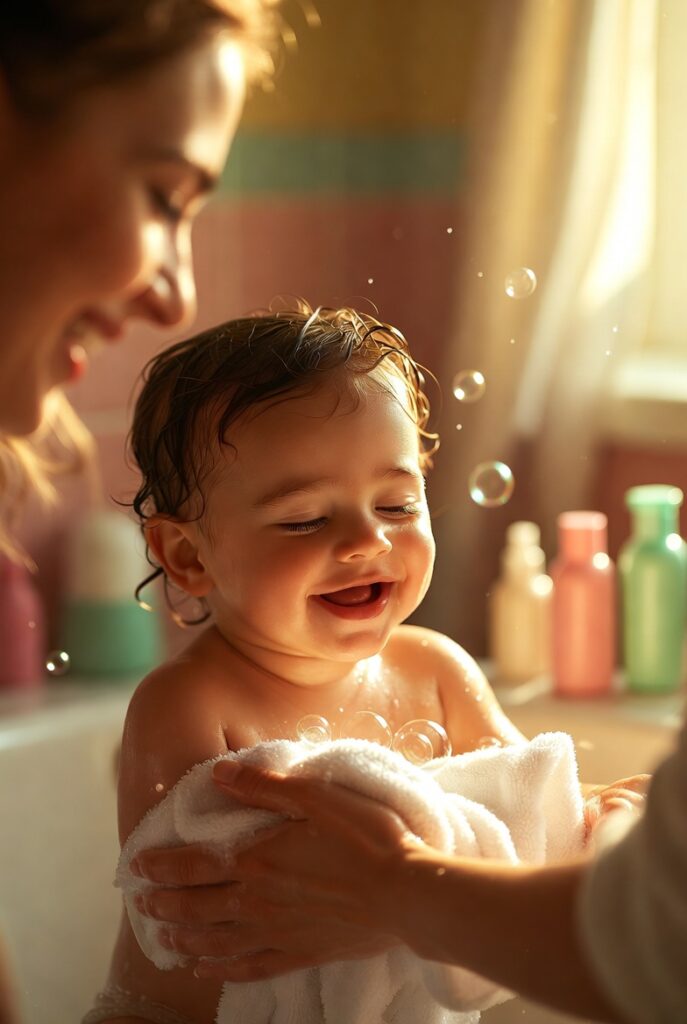
Children’s skin is not simply a smaller version of adult skin—it’s more delicate, more permeable, and far quicker to lose moisture. From newborn rashes to preschooler dry patches, parents face a constant stream of questions about what to put on their child’s body. The good news is that gentle, consistent care doesn’t have to be complicated or expensive. By focusing on simple, natural strategies, you can build a routine that keeps your kid’s skin comfortable, resilient, and happy without overwhelming your family’s schedule.
This guide walks you through 25 practical skin care ideas tailored specifically for children. You won’t find harsh chemicals, elaborate multi‑step routines, or fear‑based advice here. Instead, expect straightforward habits that respect your child’s developing barrier function, from bath time tweaks to everyday fabric choices. Every suggestion is designed to fit into real family life—because when your little one’s skin feels good, everyone sleeps better and plays harder.
1. Use Lukewarm Water for Baths and Face Washing
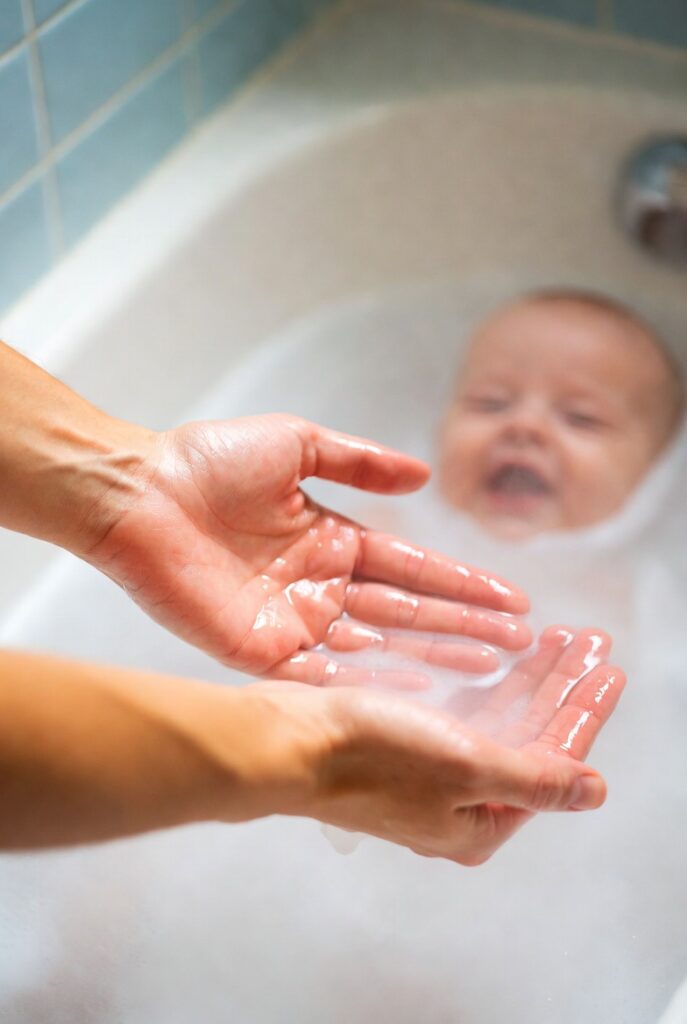
Hot water strips natural oils from anyone’s skin, but in kids, the effect happens twice as fast. Their stratum corneum (the outer protective layer) is thinner, so even warm water that feels pleasant on your wrist can pull away essential moisture. Aim for water temperature around 37–38°C (98–100°F)—just slightly above body temperature. You can test it by dipping your elbow; if the water feels neither hot nor cold, it’s perfect for your child’s bath or morning face wash.
Short baths are better than long soaks. Limit tub time to 5–10 minutes for young children, especially during dry seasons or if your kid already has eczema‑prone skin. Prolonged exposure to any water, even lukewarm, breaks down the skin’s lipid barrier. After the bath, resist the urge to rub dry with a towel; instead, gently pat excess water off, leaving the skin slightly damp. That leftover moisture locks in hydration when you apply the next product.
2. Choose a Fragrance‑Free, Hypoallergenic Cleanser
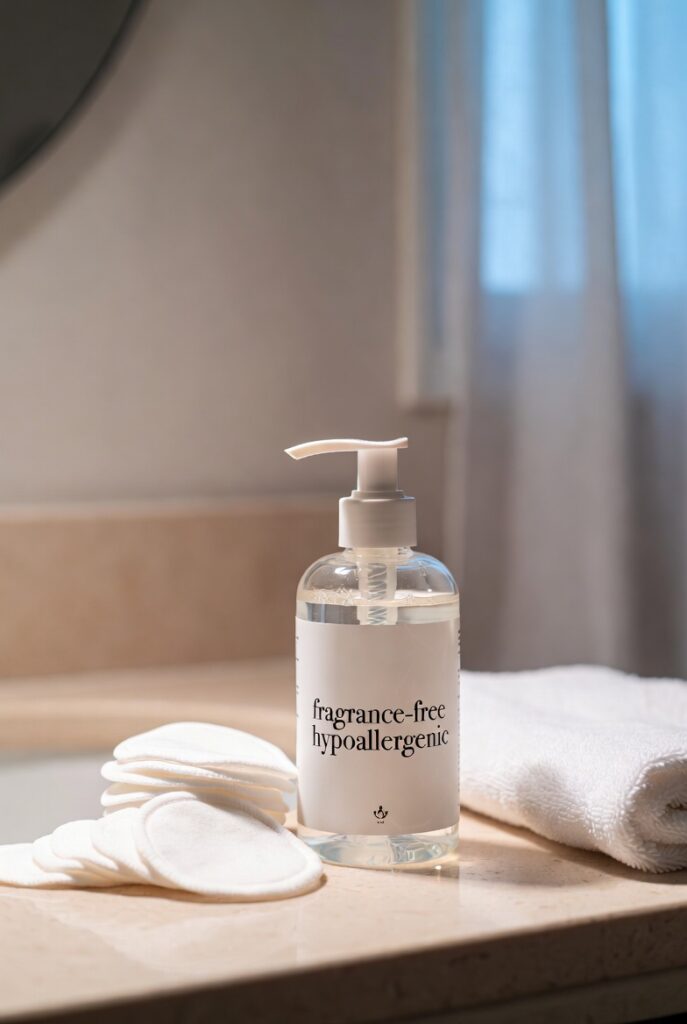
Many parents assume that sweet‑smelling bubble baths and foamy washes are part of the fun of bath time. But synthetic fragrances are one of the most common triggers for contact dermatitis in children. Even “natural” essential oils can irritate sensitive young skin. Instead, reach for a mild, soap‑free cleanser labeled “fragrance‑free” (not just “unscented,” which can still mask odors with chemicals). Hypoallergenic formulas are designed to reduce allergy risks, though no product is 100% allergy‑proof.
Apply the cleanser only to the areas that truly need it: armpits, neck, groin, hands, and feet. There’s no need to soap up every inch of a child’s arms and legs daily. Over‑cleansing removes the natural moisture barrier faster than necessary. A pea‑sized amount is plenty for toddlers, and older kids need no more than a nickel‑sized dollop. Rinse thoroughly, because leftover residue can be just as irritating as dirt.
3. Apply Moisturizer Within Three Minutes After Bathing
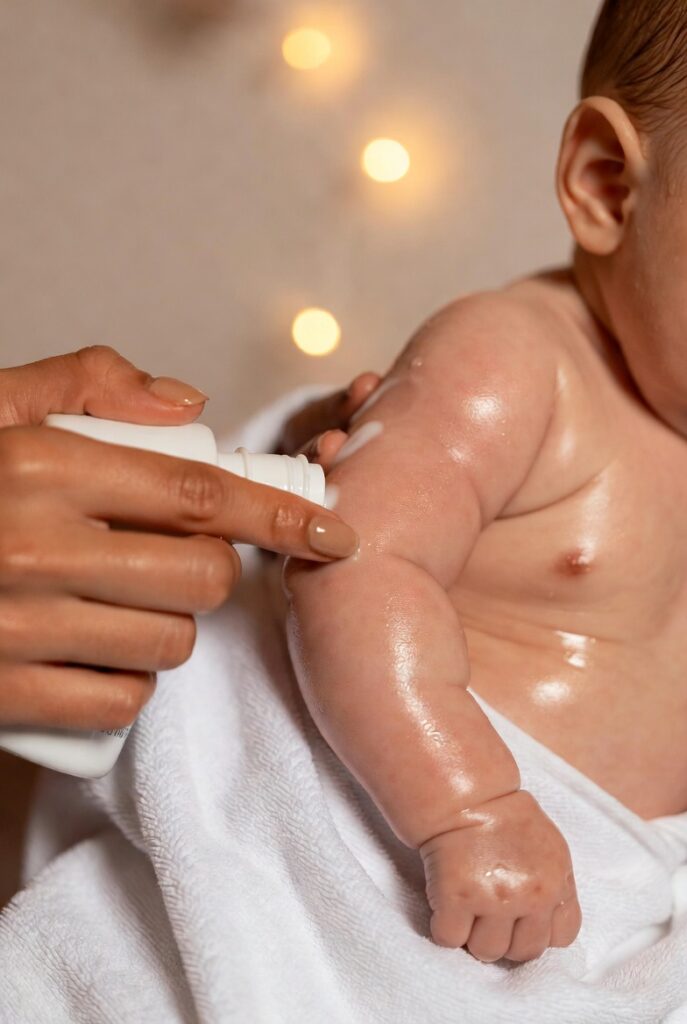
That small window right after a bath or shower is the golden opportunity to seal in hydration. When you pat your child dry and leave their skin slightly damp, moisturizer spreads more easily and absorbs more deeply. Waiting even ten minutes allows water to evaporate from the outer layer, leaving skin drier than before the bath. Keep a jar of cream—not lotion—right next to the towel rack so you never forget.
Creams are thicker than lotions because they contain more oil and less water, which is crucial for kids’ easily dehydrated skin. Look for ingredients like ceramides, shea butter, or petrolatum (plain petroleum jelly is excellent for very dry patches). Gently warm the cream between your palms before smoothing it onto your child’s legs, back, tummy, and arms. Make this a calm, predictable routine after every bath, and you’ll see fewer flare‑ups of red, rough patches.
4. Dress Your Child in Soft, Breathable Natural Fabrics

What touches your child’s skin all day matters just as much as what you wash with. Rough seams, synthetic polyester, and wool can create mechanical irritation—friction that leads to redness, itchiness, and even tiny bumps. Cotton is the gold standard because it’s soft, breathable, and allows sweat to evaporate. For cold weather, look for cotton jersey or bamboo blends that feel smooth against the skin.
Pay special attention to tags and seams. Many kids’ clothes now come with printable labels that you can cut out completely, or you can buy tag‑free pajamas and underwear. Wash new clothes before the first wear to remove finishing chemicals like formaldehyde (used to prevent wrinkles). And when layering, make sure the innermost layer is always the softest fabric. Even a favorite character t‑shirt can cause trouble if the screen print covers a large, stiff area on the chest.
5. Keep Nails Short and Smooth to Prevent Scratch Damage
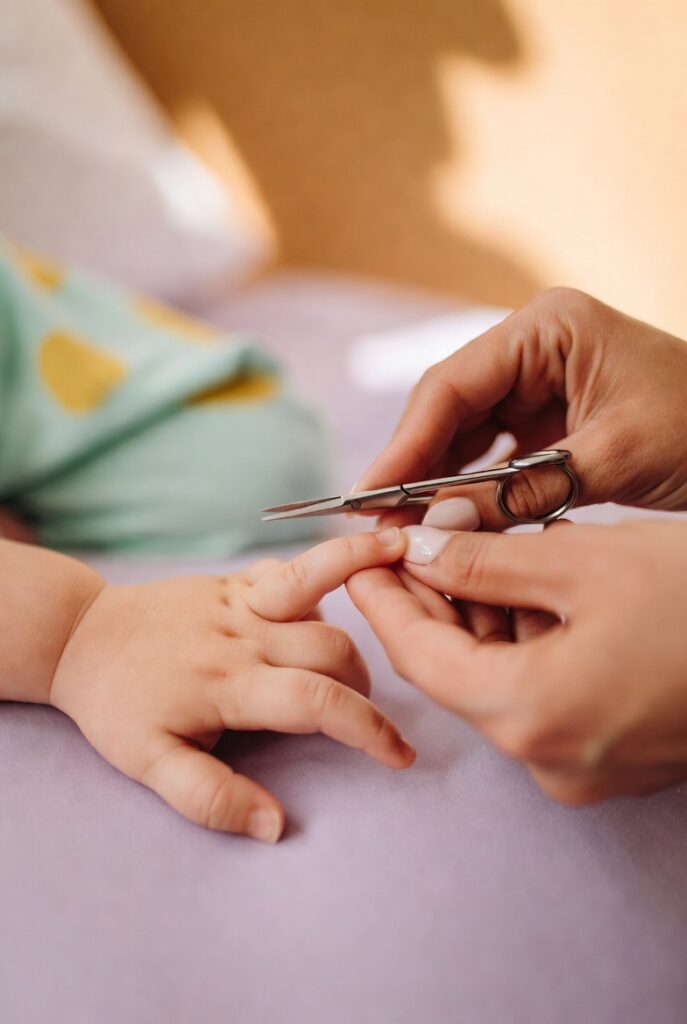
Young children don’t understand that scratching makes itchy skin worse. Their instinct is to dig in, and those tiny fingernails can be surprisingly sharp. Long or jagged nails create micro‑tears in the skin’s surface, which invite bacteria and prolong healing. Make nail trimming a weekly ritual—right after a bath is ideal because nails are softer and less likely to splinter.
Use baby clippers with rounded tips or an electric nail file designed for kids. File any rough edges immediately after clipping. For persistent itchers, consider cotton mittens or sleep suits with fold‑over cuffs at night. But don’t rely on them alone; keeping nails short is the real solution. If your child has eczema or a healing rash, scratching can turn a mild patch into a weeping, infected one within hours. A few minutes of nail care each week prevents weeks of discomfort.
6. Run a Cool‑Mist Humidifier in the Bedroom
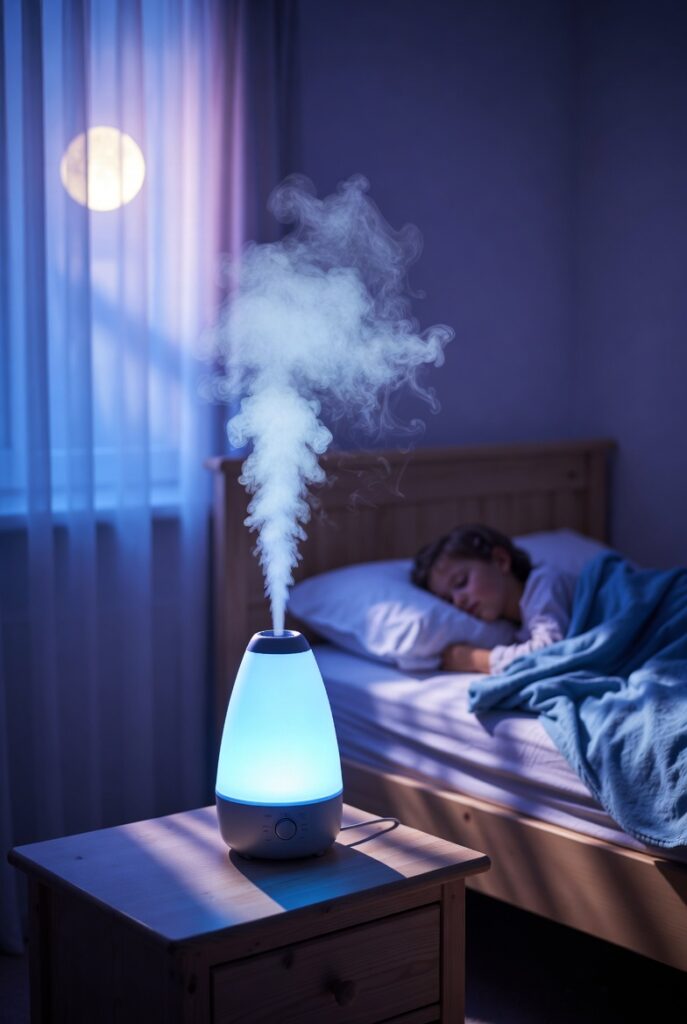
Dry indoor air is one of the biggest hidden enemies of children’s skin. Forced‑air heating in winter and air conditioning in summer can drop humidity below 30%, pulling moisture straight out of the outermost skin layer. When your child sleeps eight to ten hours in that environment, their face, hands, and neck can become parched and flaky by morning. A cool‑mist humidifier in the bedroom restores moisture to the air—aim for 40–50% humidity.
Place the humidifier a few feet away from the bed, not directly next to it, to avoid over‑saturating the bedding. Clean the tank every three days with white vinegar to prevent mold and bacteria from becoming airborne. You’ll know the humidity is right when your child’s lips aren’t chapped at breakfast and their cheeks feel supple, not tight. This single change often reduces wintertime eczema flares more dramatically than any cream.
7. Switch to a Gentle, Enzyme‑Free Laundry Detergent
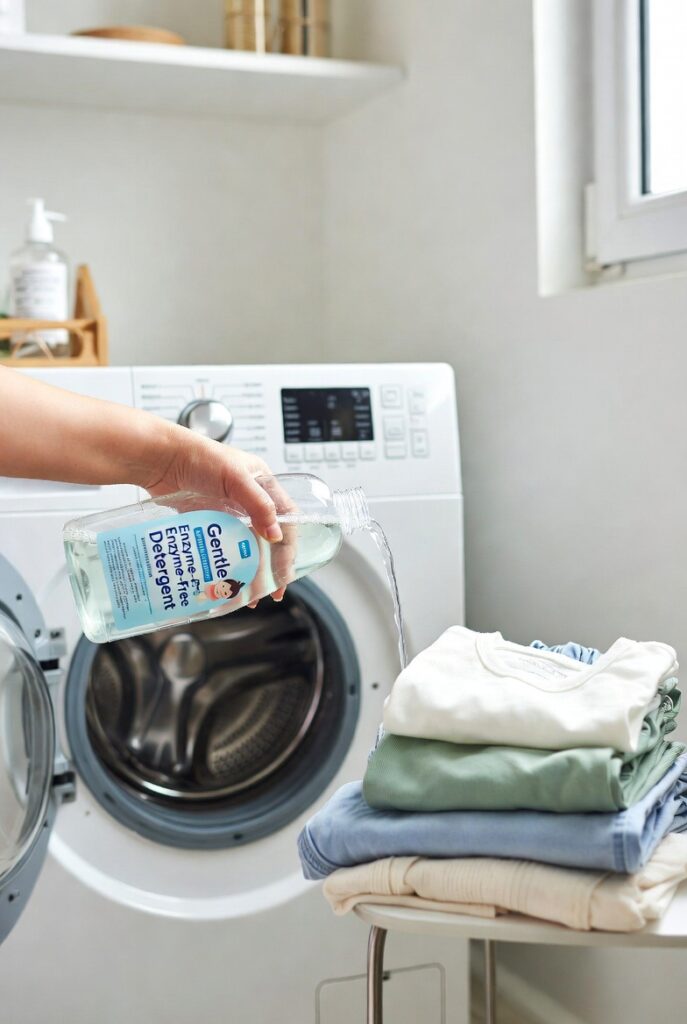
Regular laundry detergents are designed to remove tough stains and odors, but they often contain optical brighteners, fragrances, and proteolytic enzymes that remain in fabric fibers. When a child’s skin presses against a shirt or sheet all night, those residues can trigger allergic contact dermatitis. Look for a detergent labeled “free and clear” or specifically for sensitive skin. Avoid fabric softeners and dryer sheets entirely—they leave a waxy coating that traps allergens and irritates skin.
Wash all items that touch your child’s skin, including your own shirts if your child rests their head on your shoulder. Use an extra rinse cycle to ensure no soap residue lingers. For cloth diapers or heavily soiled play clothes, you can pretreat stains with baking soda paste instead of harsh stain removers. Many parents find that switching detergents clears up unexplained rashes on the torso and thighs within two weeks.
Read also:20 Glass Skin Foundation Routine Tips: Achieve a Luminous, Youthful Glow That Boosts Your Confidence
8. Protect Against the Sun with Mineral Sunscreen Only
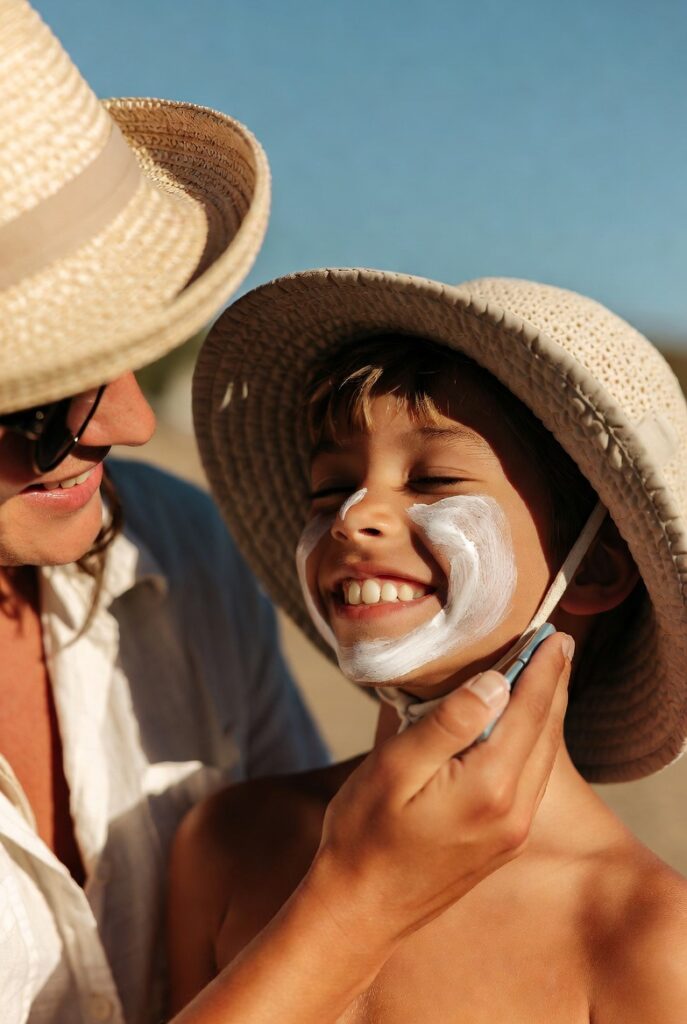
Chemical sunscreens absorb UV rays and convert them to heat, but ingredients like oxybenzone and octinoxate can cause stinging, redness, or allergic reactions in children’s thinner skin. Mineral sunscreens (zinc oxide or titanium dioxide) sit on top of the skin, reflecting UV light away. They start working immediately and are much less likely to provoke irritation. Look for “non‑nano” particles, which are less likely to be absorbed into the bloodstream.
Apply a generous layer to all exposed skin fifteen minutes before going outside, and don’t forget the tops of ears, backs of knees, and part lines in hair. Reapply every two hours—or immediately after swimming or heavy sweating. For babies under six months, keep them out of direct sun entirely and use protective clothing instead of sunscreen. Older kids will tolerate mineral formulas better if you choose tinted versions (which blend into skin) or rub the sunscreen between your palms first to warm it up before applying.
9. Wash Off Sweat and Chlorine Right After Activity
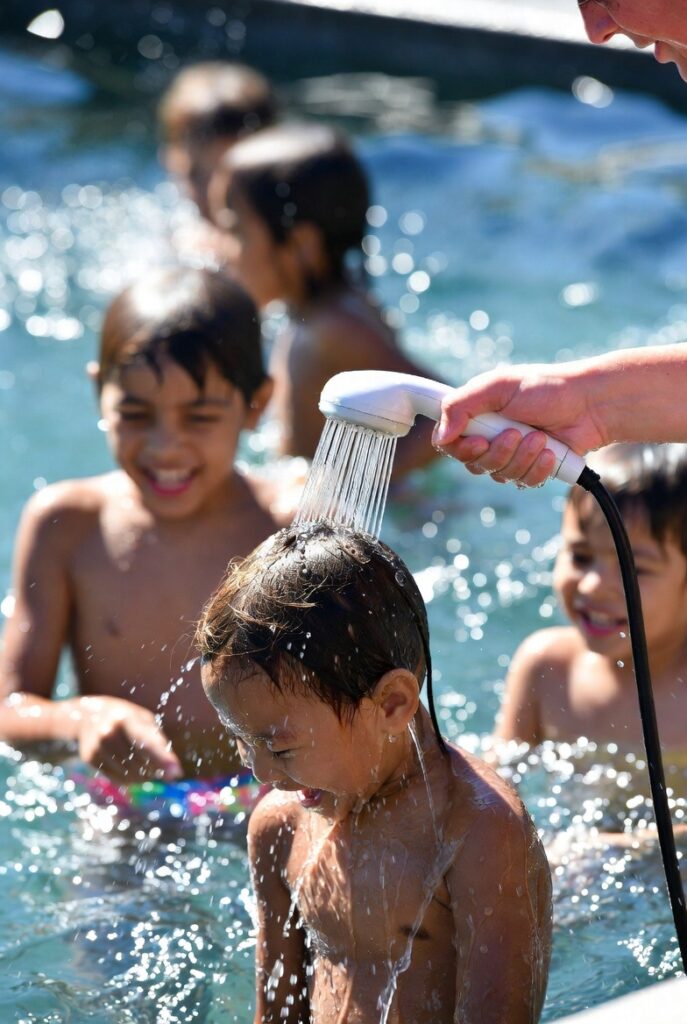
Sweat contains salt, urea, and lactic acid, all of which can sting and inflame sensitive skin. Chlorine from pools is even more aggressive—it strips natural oils and can turn mild eczema into an angry, red mess. After your child finishes running around or swimming, don’t let them stay in damp, sweaty clothes. Rinse off in a shower or with a hose as soon as possible, even if a full bath isn’t practical. A quick two‑minute rinse removes 90% of the irritants.
Use only water unless they’re visibly dirty; post‑activity rinses don’t require soap every time. Pat dry gently and reapply a light layer of moisturizer if you have it handy. Many parents keep a spray bottle of diluted apple cider vinegar (one tablespoon to one cup of water) to neutralize chlorine after swimming—spray it on, then rinse. This simple habit prevents the dreaded “swimmer’s itch” and post‑gym skin flare‑ups.
10. Change Diapers Frequently and Use a Barrier Ointment
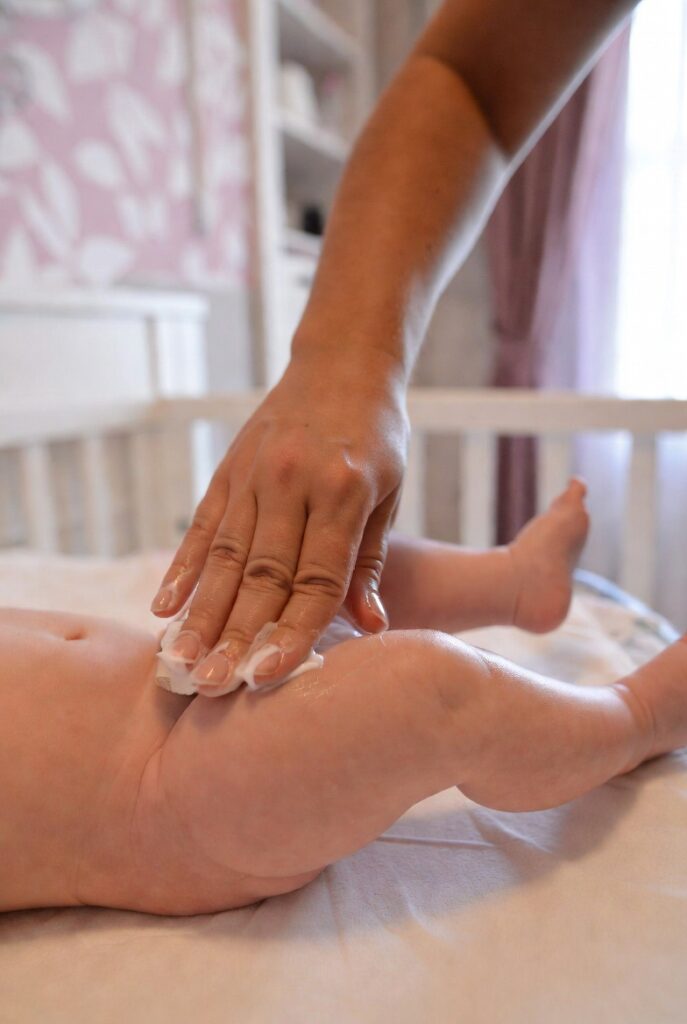
Diaper rash isn’t just from wetness; it’s a combination of moisture, friction, and digestive enzymes from stool. The best prevention is frequent changes—every two to three hours for babies, and immediately after a bowel movement. Let your child go diaper‑free for five to ten minutes during changes to let air circulate. When you do put on a fresh diaper, apply a thick layer of barrier cream containing zinc oxide or petrolatum.
Skip baby wipes that contain alcohol or fragrance. Plain water and soft cotton cloths are gentler, or you can rinse disposable wipes under the tap to remove most of their solution. For stubborn rashes, try cornstarch powder (never talc) to keep the area dry, but only after the skin is completely clean and dry. If a rash lasts more than three days or develops bright red bumps, it may be a yeast infection, which requires an antifungal cream from your pediatrician.
11. Introduce One New Skin Product at a Time
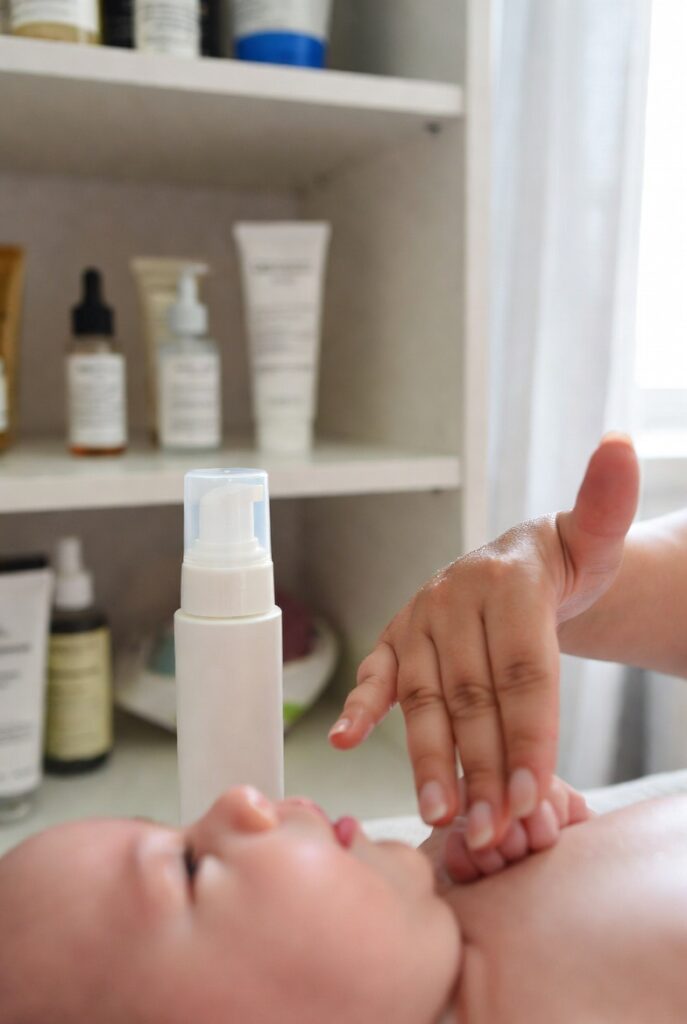
It’s tempting to buy a whole “natural baby care kit” and start using everything at once—shampoo, lotion, balm, and bubble bath. But if a reaction occurs, you’ll have no idea which product is the culprit. Patch testing is your best friend: apply a small amount of a new product to the inside of your child’s elbow or behind their knee once daily for five days. If no redness, itching, or bumps appear, it’s likely safe for broader use.
Wait at least a week before introducing another new product. Keep a simple log on your phone noting the start date, product name, and any skin changes. This is especially important for children with known allergies or eczema. Even “hypoallergenic” labels aren’t foolproof—every child’s skin chemistry is different. When you space out introductions, you become a detective who knows exactly what works and what doesn’t, saving time, money, and discomfort.
12. Avoid Long, Hot Showers for Older Kids

Once children hit the “too big for baths” stage around age five or six, they often discover the pleasure of a long, hot shower. But heat expands blood vessels and strips away protective oils faster than warm water. A shower that feels comfortably hot to an adult is often too hot for a child’s delicate skin. Set your water heater to 49°C (120°F) maximum to prevent accidental scalding, and teach kids to turn the dial to the warm side of lukewarm.
Time showers to five minutes for school‑age children and no more than ten minutes for preteens. Encourage them to wash their hair first, then rinse and turn off the water while soaping up, then turn it back on just to rinse. Afterward, show them how to pat dry and apply moisturizer immediately. These habits, taught young, become automatic as they grow—and they’ll thank you in their teenage years when they avoid chronic dry, flaky winter skin.
13. Serve Water‑Rich Foods for Internal Hydration
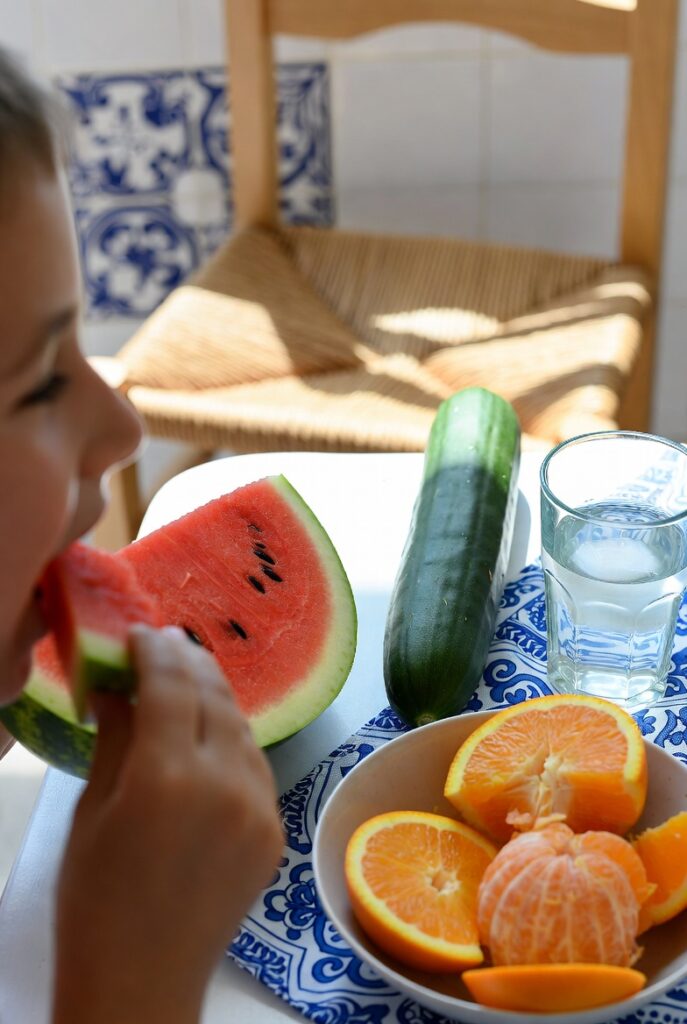
Healthy skin starts from the inside out, especially for active kids who lose fluids through play. While drinking water is essential, water‑rich fruits and vegetables provide hydration along with vitamins that support skin repair. Cucumber slices, watermelon chunks, oranges, strawberries, bell pepper strips, and celery sticks all have high water content. A child who refuses a glass of water may happily eat frozen grape “popsicles” or sip on coconut water.
Omega‑3 fatty acids also help maintain the skin’s lipid barrier. Offer small portions of wild salmon, ground flaxseed sprinkled on yogurt, or walnuts (chopped fine for younger kids). Vitamin C from kiwis and citrus boosts collagen production, while zinc from pumpkin seeds or lean beef helps heal small cuts and scrapes. No need for supplements unless your pediatrician recommends them—real food works beautifully. When kids eat the rainbow, their skin often becomes noticeably smoother and less reactive.
14. Use a Separate, Mild Shampoo for the Scalp

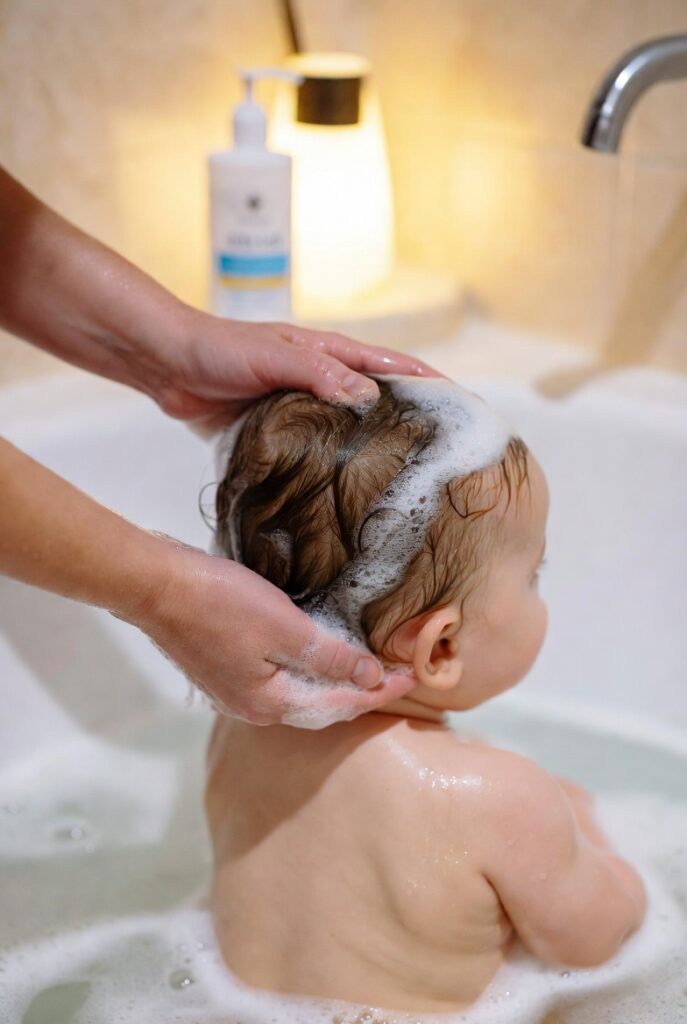
The skin on the scalp is similar to the rest of the body, but it has more oil glands and is often overlooked in skin care routines. Many adult shampoos contain sulfates (SLS/SLES), which create a rich lather but also strip moisture and can cause scalp itching or flaking. Children’s scalps are even more vulnerable. Look for a tear‑free, sulfate‑free shampoo specifically formulated for kids. If your child has cradle cap (seborrheic dermatitis) past infancy, a shampoo with gentle antifungal ingredients like ketoconazole may be needed.
Wash hair only two or three times a week unless it’s truly dirty from sweat or food. On non‑shampoo days, simply rinse with water. After washing, condition only the ends of longer hair to avoid weighing down the scalp. For toddlers who hate hair washing, use a soft silicone brush to gently massage the scalp—this loosens flakes and feels pleasant. A healthy, flake‑free scalp means less scratching, which means fewer bacteria transferred to the face and body.
15. Don’t Over‑Bathe: Two to Three Times a Week Is Enough
Many parents believe a daily bath is necessary for hygiene, but for children who aren’t visibly dirty or sweaty, daily bathing does more harm than good. Two to three baths per week is sufficient for most kids between age one and puberty. On non‑bath days, wash the face, hands, genitals, and diaper area with a soft washcloth. Daily full baths disrupt the skin microbiome—the beneficial bacteria that protect against pathogens.
When you do bathe, keep it brief and follow all the other rules: lukewarm water, gentle cleanser only where needed, and moisturizer immediately after. If your child loves the sensory play of water, let them play in an empty tub with bath toys while you run the water only for the final minute. Or shift water play to a plastic basin outside of bath time. The goal is to preserve that acid mantle (the skin’s slightly acidic protective film) so it can do its job of blocking irritants and locking in moisture.
16. Treat Minor Cuts and Scrapes with Petroleum Jelly

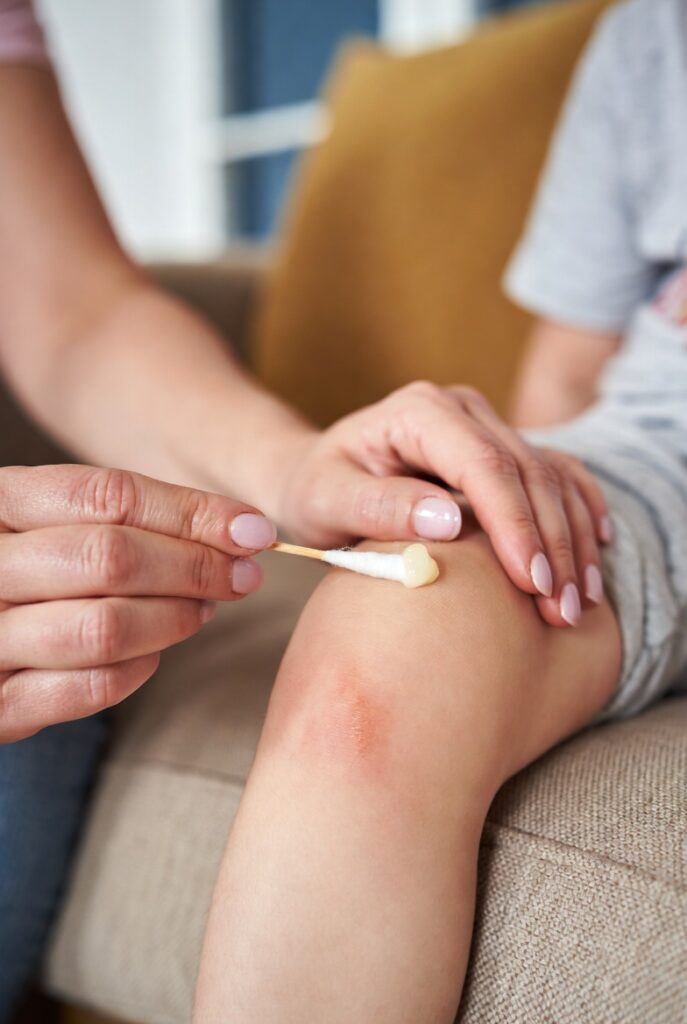
The old instinct to use antibiotic ointments like Neosporin on every scratch is actually counterproductive for most healthy kids. Those ointments contain neomycin and bacitracin, which are common contact allergens. Overuse can trigger an allergic reaction that looks worse than the original scrape. Instead, plain petroleum jelly (white petrolatum) cleans the wound when applied thickly—it keeps the area moist, which speeds healing and prevents scabs that kids pick at.
Clean the scrape with cool water and mild soap first. Pat dry, then apply a generous layer of petroleum jelly and cover with a non‑stick bandage. Change the dressing once a day. Research shows that wounds heal just as fast with petroleum jelly as with antibiotic ointments, without the allergy risk. Save antibiotics for true signs of infection—increasing redness, warmth, swelling, or pus—and only then consult a doctor. This simple switch reduces your child’s lifetime exposure to unnecessary topical medications.
17. Avoid “Bubble Baths” Entirely for Young Children
Bubble bath products are a classic childhood memory, but pediatric dermatologists universally recommend against them. The foaming agents that create bubbles are surfactants that aggressively strip the skin’s natural oils. Even “gentle” or “organic” bubble baths can cause irritant contact dermatitis, especially on the thin, moist skin of the genital area. Girls are particularly susceptible to bubble bath‑induced vulvovaginitis, which causes redness, itching, and painful urination.
If your child begs for bubbles, try a compromise: use a small handheld bubble wand during a plain water bath, blowing bubbles into the air rather than into the tub. Or use a few tablespoons of colloidal oatmeal in a muslin bag—it creates a milky, soothing soak without bubbles. For special occasions, limit bubble baths to once a month and rinse your child’s skin thoroughly with fresh water afterward. The momentary fun isn’t worth days of post‑bath burning and itching.
18. Apply Sunscreen Even on Cloudy and Winter Days
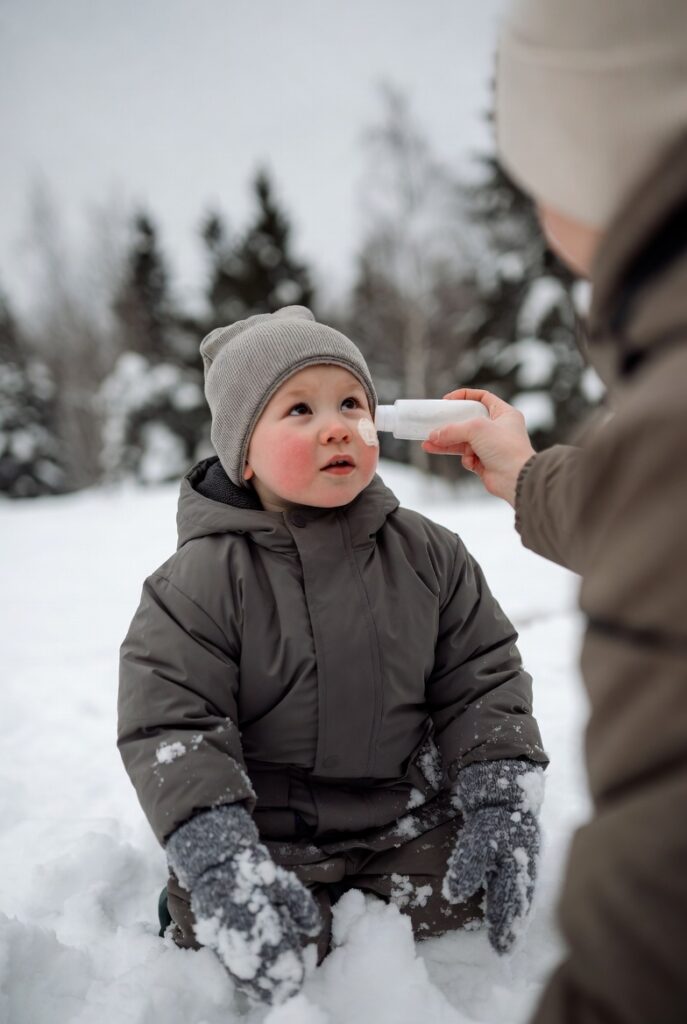
Ultraviolet A (UVA) rays penetrate clouds, fog, and even window glass year‑round. Snow is especially deceptive because it reflects up to 80% of UV rays, hitting the face and under the chin twice as hard. Your child can get a winter sunburn on a ski trip or a cloudy beach day without ever feeling hot. Make sunscreen a non‑negotiable part of the morning routine whenever the UV index is 3 or higher—which it often is even in winter at higher altitudes or near reflective surfaces.
Use a mineral sunscreen with at least SPF 30. Pay attention to the “broad spectrum” label, which means it protects against both UVA and UVB. For winter sports, apply lip balm with SPF and don’t forget the rims of the ears and the back of the neck. Many parents keep a stick sunscreen in the car or backpack for last‑minute outdoor play. Skin damage accumulates over a lifetime, and protecting a child’s young, dividing skin cells dramatically reduces future skin cancer risk.
19. Use an Oatmeal Paste for Itchy Rashes
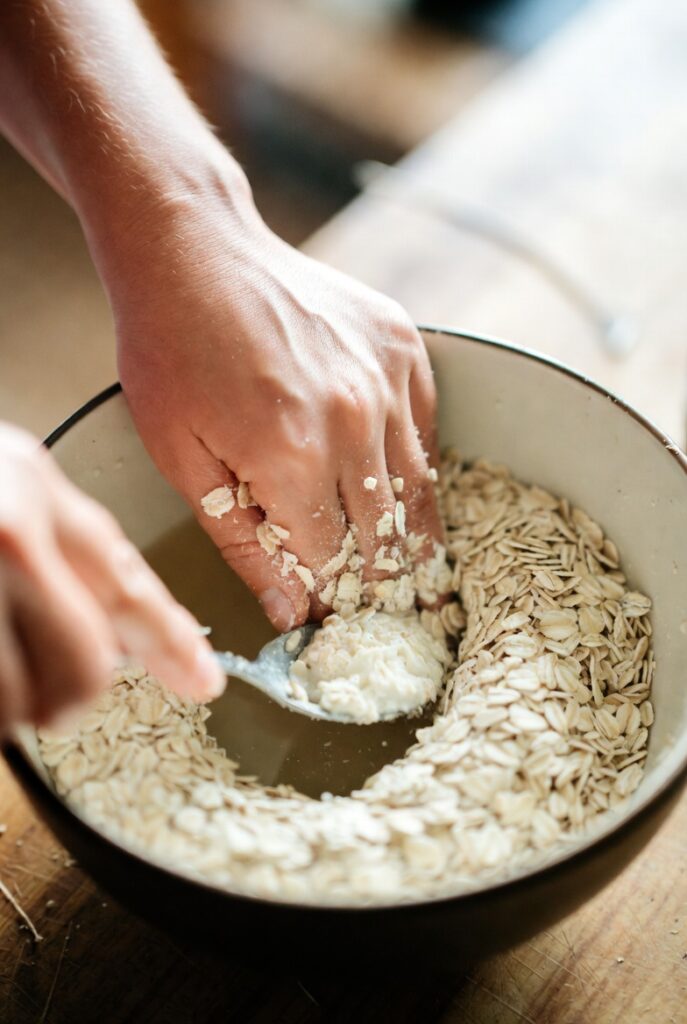
When your child wakes up scratching a mysterious red patch, you don’t always need to run for a medicated cream. Colloidal oatmeal (finely ground oats) has anti‑inflammatory and antioxidant properties that calm itching naturally. You can buy pre‑made colloidal oatmeal powder or grind plain, unflavored oats in a clean coffee grinder until they feel like silk. Mix one part powder with two parts cool water to make a thick, spreadable paste.
Apply the paste directly to the itchy area and let it dry for ten to fifteen minutes. As it dries, the oatmeal forms a gentle film that soothes nerve endings and reduces the urge to scratch. Rinse off with cool water. For larger areas like the whole back or legs, add a cup of colloidal oatmeal to a lukewarm bath and let your child soak for ten minutes. This works for poison ivy, heat rash, eczema flares, and even chickenpox (check with your pediatrician first). Keep a jar of oatmeal powder in your medicine cabinet for those 2 a.m. itch emergencies.
20. Teach Older Kids to Read Ingredient Labels
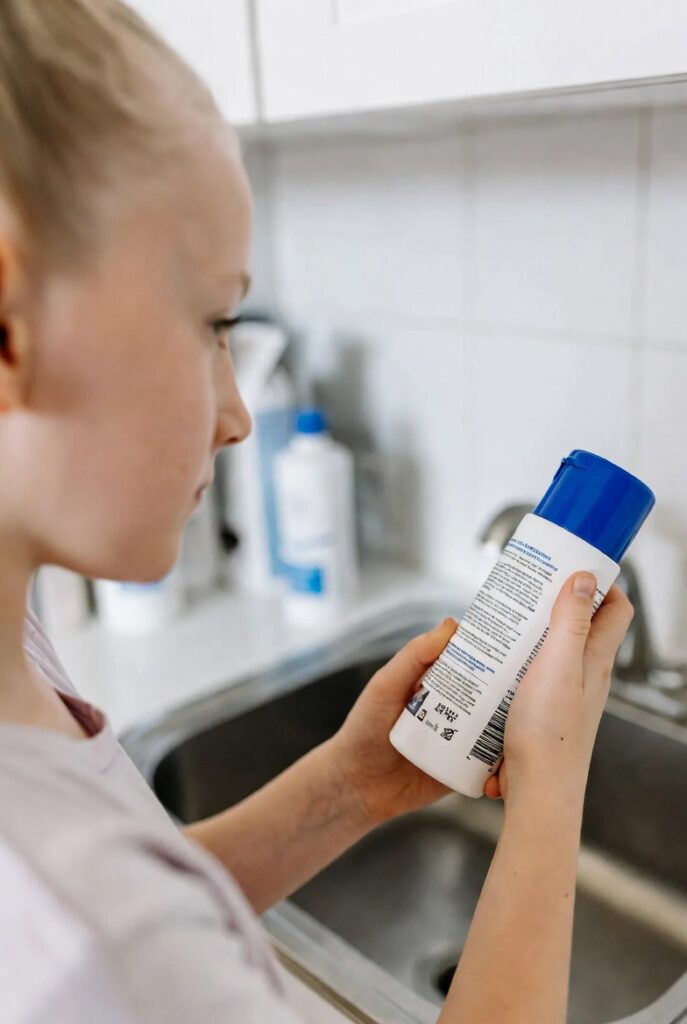
Children ages seven and up are capable of understanding that not every “kids’ product” is good for their skin. Start teaching them to look for short ingredient lists and to recognize a few red flags: “fragrance,” “parfum,” “alcohol denat.,” and “sodium lauryl sulfate.” Explain that these words often mean the product can sting or dry out their skin. Make it a game at the store—who can find a lotion with five ingredients or fewer?
This skill becomes even more important in the tween years when kids start borrowing makeup, body sprays, and acne products from friends. Teach them to patch test any new product, even if a friend says it’s “gentle.” And remind them that expensive doesn’t mean better—some of the best kids’ skin care comes from drugstore brands with simple formulas. When children take ownership of their own skin health, they’re less likely to overuse harsh products or hide rashes out of embarrassment.
21. Change Pillowcases Twice a Week
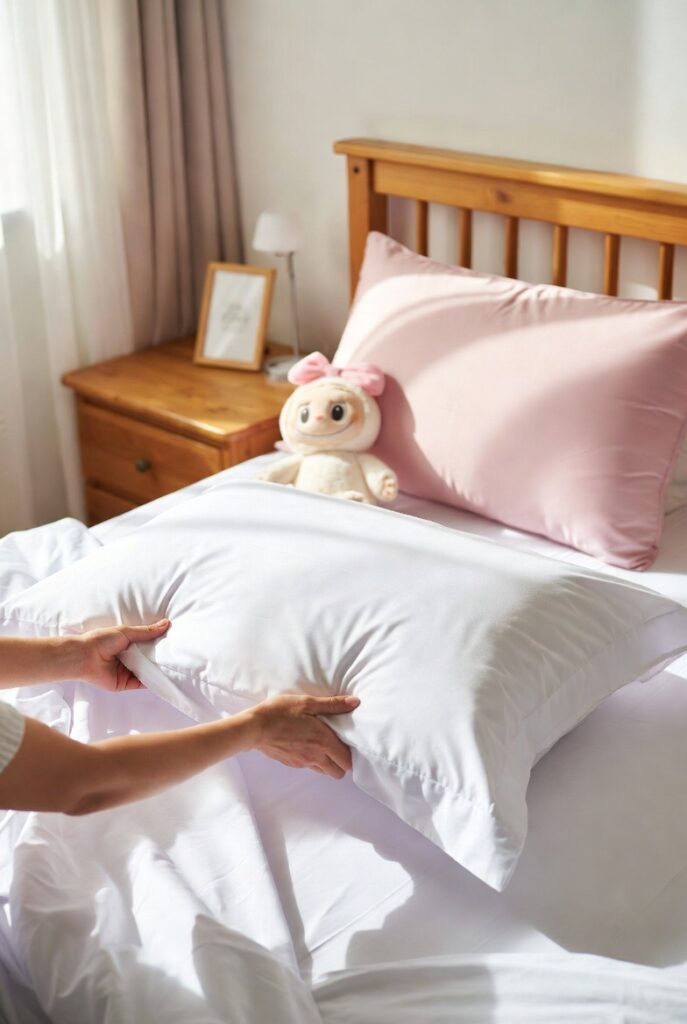
Faces press into pillowcases for six to ten hours every night, transferring oil, drool, sweat, and dead skin cells. That moist, warm environment is a breeding ground for bacteria and dust mites. A dirty pillowcase can cause or worsen facial acne, perioral dermatitis, and even styes. Switching pillowcases twice a week is one of the highest‑impact, lowest‑effort skin care habits you can teach your child.
Use 100% cotton pillowcases and wash them in hot water with the same gentle, fragrance‑free detergent you use for clothes. For children with eczema or asthma, consider encasing pillows in allergen‑proof covers underneath the pillowcase. Make pillowcase changing part of a simple routine—for example, every Sunday and Wednesday night. Older kids can learn to do this themselves. The same rule applies to stuffed animals that sleep in the bed: wash them monthly, or at least avoid letting them touch the face directly.
22. Use a Soft Washcloth Instead of Scrubbing Tools
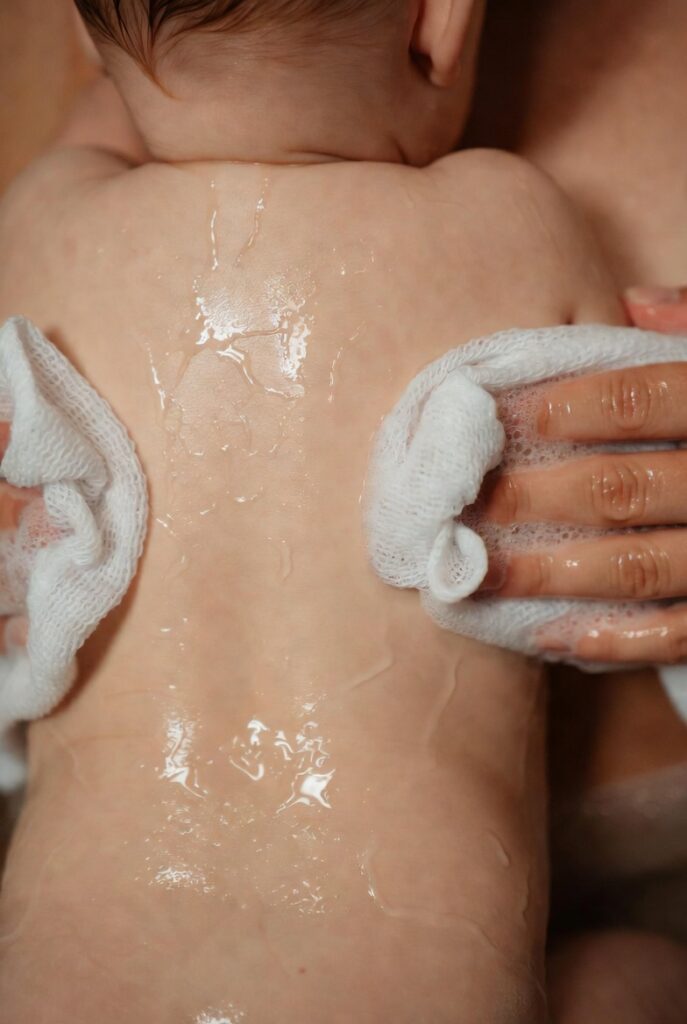
Plastic loofahs, nylon bath poufs, and rough exfoliating gloves are too harsh for children’s skin. Even some terry cloth washcloths can feel abrasive when a child’s skin is already dry or irritated. Soft, muslin or microfiber cloths are much kinder. Better yet, use only your clean hands for applying cleanser on the most sensitive areas like the face and inner thighs. The gentle friction of fingertips is enough to lift dirt without damaging the barrier.
If you do use a washcloth, replace it after every two baths (and never share between siblings). Bacteria thrive in damp cloths left hanging in the shower. For children with keratosis pilaris (those rough, bumpy upper arms), a very gentle silicone facial scrubber used once a week can help—but never a gritty scrub product. Remember that children’s skin naturally sheds dead cells every fourteen days (compared to twenty‑eight days for adults), so they simply don’t need mechanical exfoliation.
23. Keep Hand Lotion by Every Sink

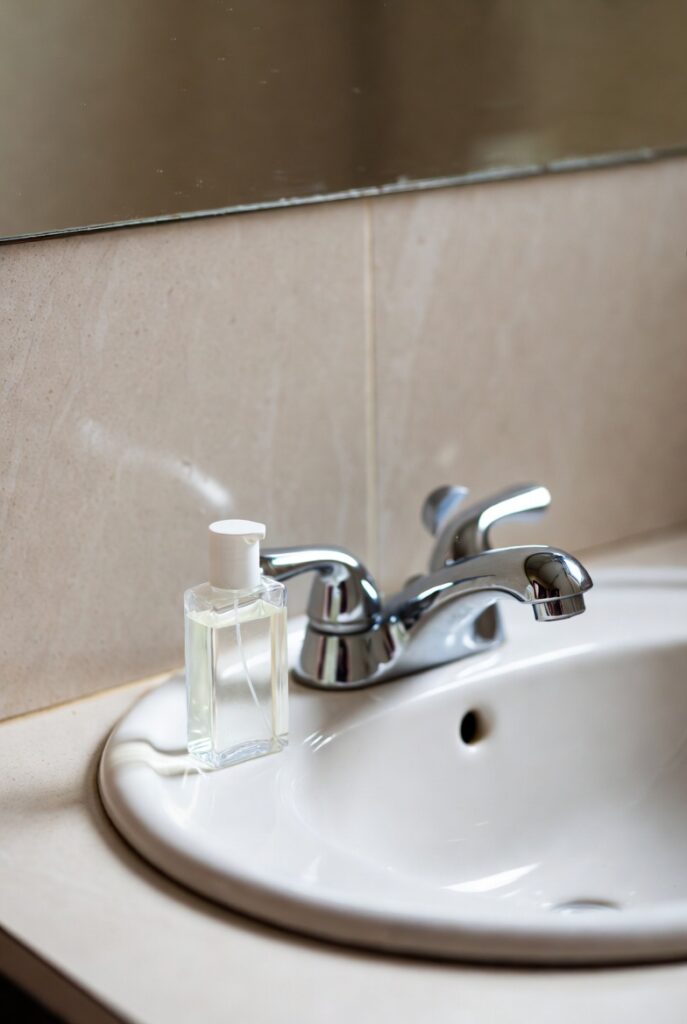
Frequent handwashing is essential for preventing illness, but it’s also drying. The combination of soap and water strips lipids from the backs of hands and between fingers. Within minutes of drying, the skin on a child’s hands can feel tight and look ashy. Placing a bottle of gentle, fragrance‑free hand cream next to every sink in the house—kitchen, bathroom, even the laundry room—creates a visual reminder to moisturize after washing.
Teach your child the “dot method”: squeeze a pea‑sized amount onto the back of one hand, then rub the backs of both hands together. This avoids getting lotion on the palms, which can feel slippery. For school‑age kids, pack a small tube of lotion in their backpack for after bathroom breaks. In winter, apply a thicker balm to the knuckles before bed and cover with cotton gloves overnight. Dry, cracked hands are painful and prone to infection; this tiny habit prevents both.
24. Watch for Signs of Food‑Related Skin Reactions

Many parents think of hives or lip swelling as the only food allergy signs, but delayed food sensitivities often show up first on the skin. Eczema flares, red cheeks, dark under‑eye circles, or a persistent rash around the mouth can be clues that a food doesn’t agree with your child. Common culprits include dairy, eggs, soy, wheat, and artificial dyes. Keep a simple food‑and‑skin diary for two weeks: write down everything your child eats and rate their skin calmness each morning and evening.
Don’t eliminate foods without talking to your pediatrician or a pediatric allergist. Unnecessary restriction can lead to nutritional gaps. But if you notice a clear pattern—for example, itchy elbows the day after yogurt—try removing that food for ten days, then reintroduce it and watch for recurrence. Skin reactions can appear 24 to 48 hours after eating, so patience and notes are key. Addressing hidden food triggers often resolves chronic skin issues that no cream can fix.
25. Stay Calm and Consistent—Don’t Chase Every New Trend
Finally, the most powerful skin care idea for any parent is this: boring is better. The beauty industry constantly releases new “revolutionary” kids’ products with exotic ingredients like snail mucin, charcoal, or CBD. Most of these are unnecessary and some are genuinely irritating. Children’s skin doesn’t need active ingredients, antioxidants, or “detox” treatments. It needs gentle cleansing, reliable moisturizing, sun protection, and common sense.
Pick a simple routine and stick with it for at least a month before deciding whether it works. If your child has a diagnosed skin condition like eczema or psoriasis, follow your dermatologist’s plan and resist the urge to add “natural” remedies without asking first. And when you have a bad day—a diaper rash appears, a new lotion stings, a sunburn happens—forgive yourself. No parent is perfect. What matters is that you’re paying attention, acting with love, and teaching your child that taking care of their skin is a quiet form of self‑respect. That lesson will serve them for a lifetime.
Conclusion
Caring for your child’s skin doesn’t require a medicine cabinet full of expensive creams or an hour‑long nightly ritual. The 25 kids skin care ideas above all circle back to the same simple truth: gentle, consistent habits beat complicated solutions every time. By making small adjustments—switching to fragrance‑free products, keeping nails short, moisturizing right after baths, and choosing soft fabrics—you can prevent most common skin problems before they start. Your child will squirm less, sleep more soundly, and feel comfortable in their own body. And you’ll gain the quiet confidence that comes from knowing you’re protecting their largest organ with patience and love. Start with just two or three of these ideas today, and watch how quickly little changes add up to calm, healthy, happy skin.

Mehboob Ahmad is the founder and writer behind BeautyVibeWorld. With a genuine passion for skincare, makeup, and everyday beauty routines, Mehboob started this platform to share simple, practical, and research-backed advice that real people can actually use without the confusion of conflicting trends and overhyped products.
Every article on BeautyVibeWorld is written with care, backed by research, and regularly updated to stay accurate and relevant. Mehboob believes good beauty advice should be honest, easy to follow, and free of unnecessary complexity.
Outside of writing, Mehboob enjoys exploring new beauty trends and staying up to date with the latest in skincare and haircare research to keep bringing fresh, reliable content to BeautyVibeWorld readers.