

Rosemary oil has moved from ancient herbal remedy to modern hair care staple, and the shift makes complete sense once you look at what it actually does. People experimenting with rosemary oil for hair growth are reporting thicker roots, reduced shedding, and a noticeably healthier scalp within just weeks. This article explores exactly why this humble herb has earned such a strong reputation in hair care circles.
Why Rosemary Oil Is Trending in Hair Care

Rosemary oil’s popularity isn’t just a passing social media trend; it’s backed by a growing body of interest from both dermatologists and everyday users. The oil is extracted from the rosemary plant through steam distillation, concentrating its active compounds into a potent form that can be diluted and applied directly to the scalp.
What sets rosemary oil apart from many other trending natural remedies is that its effects on hair are increasingly being compared to conventional treatments in terms of results. This has pushed it from a niche remedy into mainstream hair care conversations, with people incorporating it into oils, shampoos, and scalp treatments as a regular part of their routine rather than an occasional experiment.
The Science Behind Rosemary Oil and Hair Growth

Rosemary oil contains carnosic acid, a compound known for its antioxidant properties that help protect cells from damage, including the cells responsible for hair follicle health. This protective effect is believed to play a significant role in maintaining follicles in a healthy, active growth phase for longer periods.
Some research has drawn comparisons between rosemary oil and minoxidil, a common ingredient in commercial hair growth treatments, finding similar improvements in hair count over several months of consistent use. While rosemary oil isn’t positioned as a direct replacement for clinical treatments, these findings help explain why so many people have shifted toward it as a natural, lower-risk alternative worth trying.
How Rosemary Oil Improves Blood Circulation

One of the most significant ways rosemary oil supports hair growth is by improving blood circulation to the scalp. When massaged in, the oil creates a mild warming sensation that helps dilate blood vessels near the surface, allowing more oxygen and nutrients to reach hair follicles.
This improved circulation is particularly valuable for follicles that have become dormant or sluggish due to poor blood flow, a common issue in areas experiencing thinning. Over time, consistently improved circulation can help reactivate these follicles, encouraging them to enter the growth phase more readily than they would without this additional support.
Rosemary Oil and DHT Blocking Properties

Dihydrotestosterone, commonly known as DHT, is a hormone linked to hair thinning and shrinkage of hair follicles in both men and women. Rosemary oil has shown some potential in inhibiting the effects of DHT on the scalp, which is particularly relevant for anyone dealing with pattern-related thinning rather than shedding caused by external stress or damage.
This DHT-blocking property doesn’t work as dramatically as prescription medications designed for the same purpose, but it offers a gentler, more accessible option for those hesitant to start pharmaceutical treatments. Many people use rosemary oil as a preventative measure even before noticeable thinning begins, hoping to slow down the process before it becomes more difficult to manage.
Reducing Scalp Inflammation With Rosemary Oil

A scalp under chronic inflammation is rarely a good environment for healthy hair growth, and this is another area where rosemary oil proves useful. Its anti-inflammatory compounds help calm irritation, redness, and itchiness that often accompany conditions like dandruff or seborrheic dermatitis, both of which can interfere with normal follicle function.
By reducing this underlying inflammation, rosemary oil creates a scalp environment that’s more conducive to consistent hair growth. Many users report that beyond just growth, their scalp simply feels calmer and less irritated after incorporating rosemary oil into their routine, which often becomes the first noticeable change before any visible hair improvements appear.
Rosemary Oil’s Antimicrobial Benefits for the Scalp

Beyond its impact on circulation and inflammation, rosemary oil also carries natural antimicrobial properties that help keep the scalp environment balanced. This can be particularly helpful for people prone to fungal or bacterial buildup, which left unchecked, can clog follicles and hinder healthy hair growth over time.
A cleaner, more balanced scalp reduces the likelihood of buildup-related shedding and creates better conditions for new hair to emerge unobstructed. This antimicrobial effect works alongside rosemary oil’s other benefits, making it a well-rounded addition for anyone dealing with a combination of scalp issues rather than a single isolated concern.
Read also:12+ Hair Loss Prevention Tips Women: Protect Your Strands and Restore Your Confidence
How to Dilute Rosemary Oil Safely
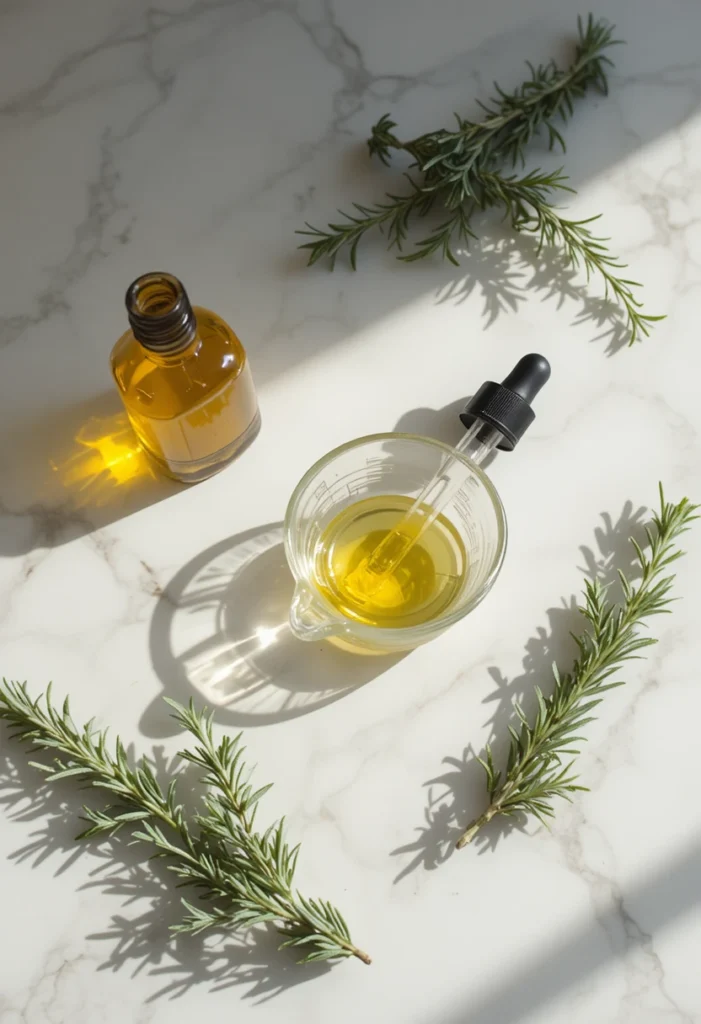
Because rosemary essential oil is highly concentrated, applying it directly to the scalp without dilution can cause irritation or even a burning sensation for some people. Mixing it with a carrier oil, such as jojoba, coconut, or argan oil, allows the beneficial compounds to be delivered safely while still remaining effective.
The right dilution ratio can vary depending on individual scalp sensitivity, but a small amount of rosemary oil mixed into a larger amount of carrier oil is generally sufficient to see results without discomfort. This approach also makes the oil easier to massage in and distribute evenly across the scalp, rather than applying a concentrated oil that might pool in just one area.
Rosemary Water as a Lighter Alternative

For those who prefer a lighter option than oil, rosemary water has become a popular alternative that delivers similar benefits without the heaviness. Made by steeping rosemary sprigs in water, this infusion can be sprayed directly onto the scalp or used as a rinse after shampooing, offering a lightweight way to reap the herb’s benefits.
Rosemary water tends to be gentler for those with fine or oily hair who find oils too heavy for regular use. While it may not be as concentrated as the essential oil form, consistent use still provides noticeable scalp benefits, and it’s often easier to incorporate into a daily routine since it doesn’t require dilution or careful measuring.
Combining Rosemary Oil With Other Hair Growth Ingredients

Many people find that rosemary oil works even better when paired with other hair-supportive ingredients rather than being used entirely on its own. Combining it with peppermint oil, for example, adds an extra circulation boost, while pairing it with castor oil brings additional moisturizing benefits to particularly dry or brittle strands.
This combination approach allows people to tailor their hair growth routine to their specific concerns, whether that’s dryness, thinning, or a combination of both. However, it’s generally recommended to introduce new ingredients gradually rather than combining several new things at once, making it easier to identify what’s actually working and what might be causing any unexpected reactions.
How Long It Takes to See Results From Rosemary Oil

Patience plays a major role in seeing results from rosemary oil, as hair growth is inherently a slow biological process. Most people who report visible improvements have used rosemary oil consistently for at least three to six months, which aligns with the natural hair growth cycle rather than any faster expectation.
Early signs of progress often include reduced shedding and a healthier-feeling scalp before actual new growth becomes visible. Sticking with a consistent routine, rather than stopping after just a few weeks due to a lack of immediate results, tends to be the deciding factor between people who see meaningful change and those who give up before rosemary oil has had the chance to work.
Conclusion
Rosemary oil has earned its place as one of the most trusted natural remedies for supporting hair growth, backed by both tradition and emerging research. With consistent use and the right technique, it offers a gentle yet effective path toward a healthier scalp and fuller, stronger hair over time.

Mehboob Ahmad is the founder and writer behind BeautyVibeWorld. With a genuine passion for skincare, makeup, and everyday beauty routines, Mehboob started this platform to share simple, practical, and research-backed advice that real people can actually use without the confusion of conflicting trends and overhyped products.
Every article on BeautyVibeWorld is written with care, backed by research, and regularly updated to stay accurate and relevant. Mehboob believes good beauty advice should be honest, easy to follow, and free of unnecessary complexity.
Outside of writing, Mehboob enjoys exploring new beauty trends and staying up to date with the latest in skincare and haircare research to keep bringing fresh, reliable content to BeautyVibeWorld readers.