

Stepping outside on a humid day and watching your carefully styled hair puff up within minutes is a frustration almost everyone with frizz-prone hair understands. These frizzy hair control tips are designed specifically to help you fight back against humidity’s effects, keeping your hair smooth, defined, and manageable regardless of what the weather throws at you.
Understanding Why Humidity Causes Frizz

Frizz happens when the hair’s outer cuticle layer is raised rather than lying flat, allowing moisture from the air to penetrate the strand unevenly. In humid conditions, hair absorbs this excess moisture rapidly, causing individual strands to swell and separate from one another, which creates the puffy, unruly texture most people associate with frizz.
This reaction is particularly pronounced in hair that’s already dry, damaged, or naturally more porous, since the cuticle in these cases tends to be more open to begin with. Understanding this mechanism helps explain why simply drying frizzy hair isn’t enough; the real solution lies in sealing the cuticle and controlling how much moisture the hair absorbs from its surrounding environment.
Identifying Your Hair’s Frizz Triggers
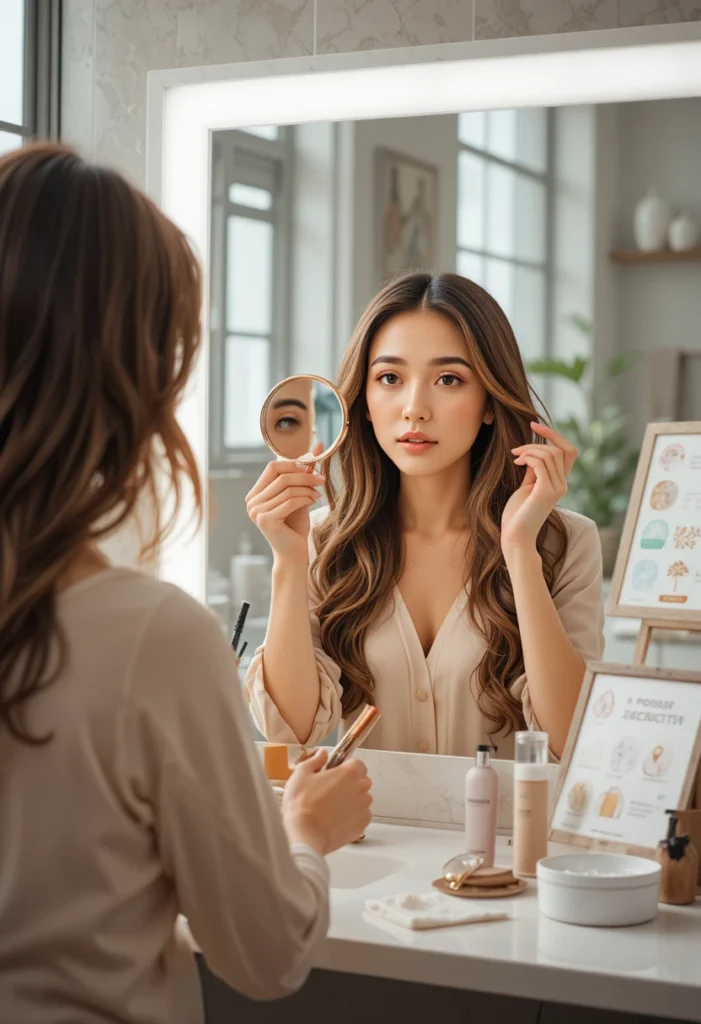
Not all frizz behaves the same way, and identifying the specific triggers affecting your hair makes controlling it far more effective. Some hair frizzes primarily at the roots due to new growth reacting differently to humidity than the rest of the strand, while other hair types experience frizz mainly at the ends, often due to dryness and damage accumulated over time.
Paying attention to when and where frizz appears most, whether it’s immediately after washing, throughout a humid day, or specifically after sweating during exercise, helps narrow down which techniques and products will actually address the problem. This kind of targeted approach tends to produce far better results than applying generic anti-frizz advice that doesn’t account for individual hair behavior.
Choosing a Sulfate-Free Anti-Frizz Shampoo
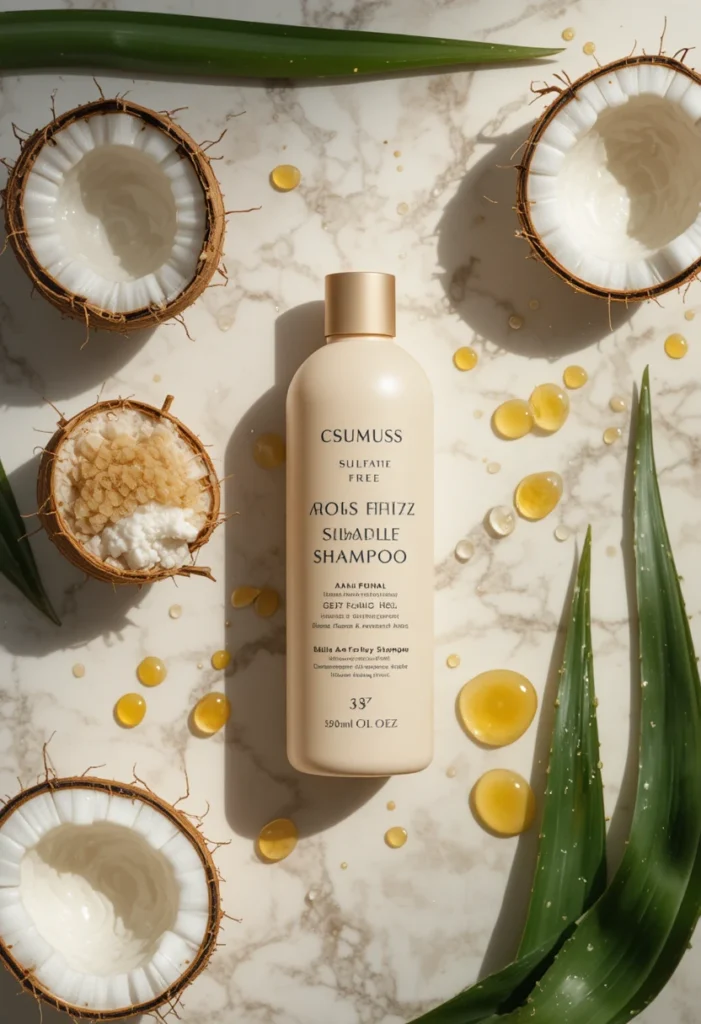
The foundation of any effective frizz control routine starts with the right shampoo. Sulfate-free formulas cleanse hair without stripping away the natural oils that help keep the cuticle smooth and sealed. Since sulfates can leave hair more porous and prone to moisture absorption, switching to a gentler formula often reduces frizz before any other product is even applied.
Look for shampoos containing smoothing ingredients like silicones or natural oils, which help coat the hair shaft slightly during the cleansing process itself. This early intervention sets the stage for the rest of a frizz control routine, making every subsequent step, from conditioning to styling, noticeably more effective at keeping humidity-induced frizz under control.
The Importance of Deep Conditioning for Frizz Prevention

Well-hydrated hair is inherently more resistant to humidity’s effects than dry, thirsty strands, which is why regular deep conditioning plays such a significant role in frizz control. When hair already has adequate internal moisture, it’s less likely to aggressively absorb excess water vapor from humid air, reducing the swelling that leads to frizz.
Incorporating a deep conditioning treatment weekly helps maintain this internal moisture balance, particularly for those with naturally dry or curly hair types that are more prone to frizz overall. Over time, consistently well-conditioned hair tends to hold its style better in humid conditions than hair that’s only superficially hydrated through daily conditioner alone.
Using a Leave-In Conditioner for All-Day Protection
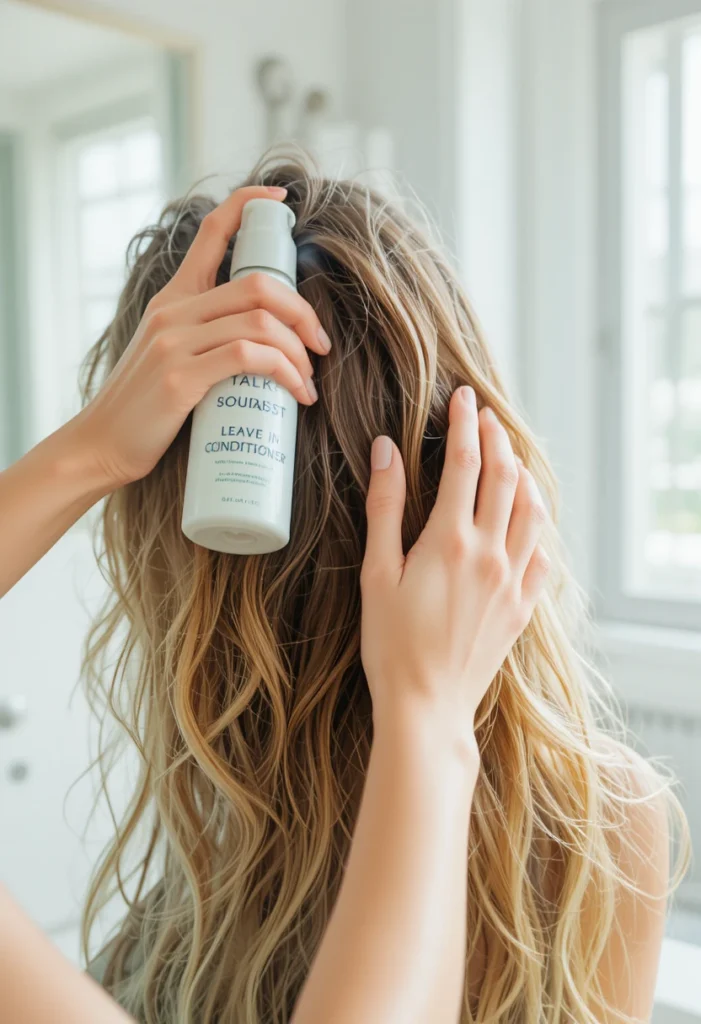
A leave-in conditioner adds an extra layer of moisture and protection that stays on the hair throughout the day, acting as a buffer against humidity’s effects. Unlike rinse-out conditioners, these products remain on the strand, continuously working to keep the cuticle smooth and less reactive to changes in ambient moisture.
Applying leave-in conditioner to damp hair, focusing on the mid-lengths and ends where frizz tends to be most pronounced, helps create this protective barrier before styling even begins. Many people find that skipping this step, even when using other frizz control products afterward, leads to noticeably more frizz breaking through by midday.
Read also: Protein Treatment for Hair: Restore Strength and Bring Back Your Hair’s Natural Resilience
Sealing Moisture With Lightweight Oils
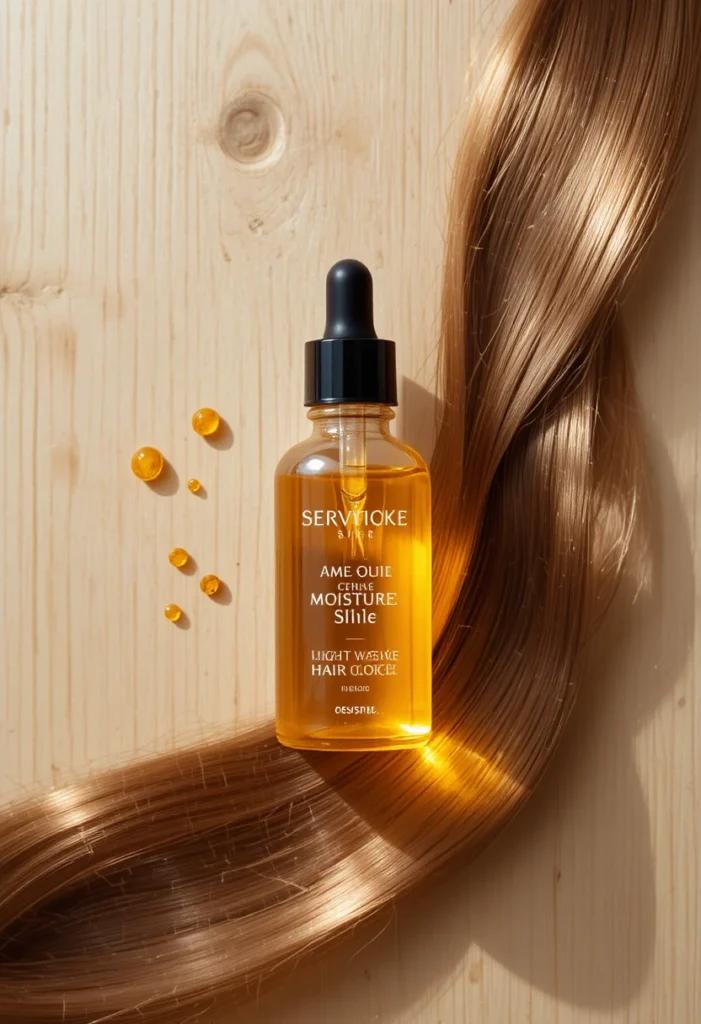
Applying a small amount of lightweight oil after conditioning helps seal in the hydration absorbed during washing, creating an additional barrier against humidity. Oils like argan, marula, or grapeseed work particularly well for this purpose since they coat the hair without weighing it down or leaving a greasy residue.
This sealing step is especially important for those with finer hair, who often avoid oils altogether for fear of looking weighed down, yet still deal with significant frizz. Using just a few drops focused on the ends, rather than throughout the entire head, allows for effective sealing without sacrificing volume or movement in the hair.
The Role of Anti-Frizz Serums in Humid Weather

Anti-frizz serums are specifically formulated to combat humidity more aggressively than standard leave-in products, often containing higher concentrations of silicones or specialized polymers that create a stronger barrier against moisture absorption. These serums tend to work particularly well as a finishing step after styling, locking in smoothness for longer.
Applying serum sparingly, focusing on areas most prone to frizz rather than the entire head, prevents hair from looking overly slick or weighed down. For particularly humid days or important occasions where frizz simply isn’t an option, layering a serum over a leave-in conditioner often provides the strongest defense against unpredictable weather conditions.
Air-Drying Techniques That Minimize Frizz

How hair dries plays a significant role in how much frizz develops, even before any humidity exposure occurs. Rubbing hair vigorously with a regular towel roughs up the cuticle, creating the perfect conditions for frizz to take hold. Switching to a microfiber towel or even an old cotton t-shirt, and gently pressing rather than rubbing, helps preserve a smoother cuticle from the start.
Allowing hair to air dry partially before applying any styling products, rather than applying products to soaking wet hair, also improves how well those products can actually do their job. This adjusted drying technique, though it requires a bit more patience, often makes a noticeable difference in how much frizz develops throughout the rest of the day.
Blow-Drying With a Diffuser or Concentrator Nozzle

For those who prefer blow-drying, using the right attachment makes a substantial difference in frizz control. A diffuser, particularly useful for curly or wavy hair, helps distribute heat evenly around curls without disrupting their natural pattern, which in turn reduces the frizz that comes from disturbing the hair’s structure while wet.
For straighter hair types, a concentrator nozzle allows for more directed airflow, which helps smooth the cuticle down as hair dries rather than blowing air in all directions and creating unnecessary texture. Drying hair on a cooler setting toward the end of the process also helps seal the cuticle once it’s mostly dry, locking in smoothness before hair is exposed to humid outdoor air.
Choosing Anti-Humidity Hairsprays
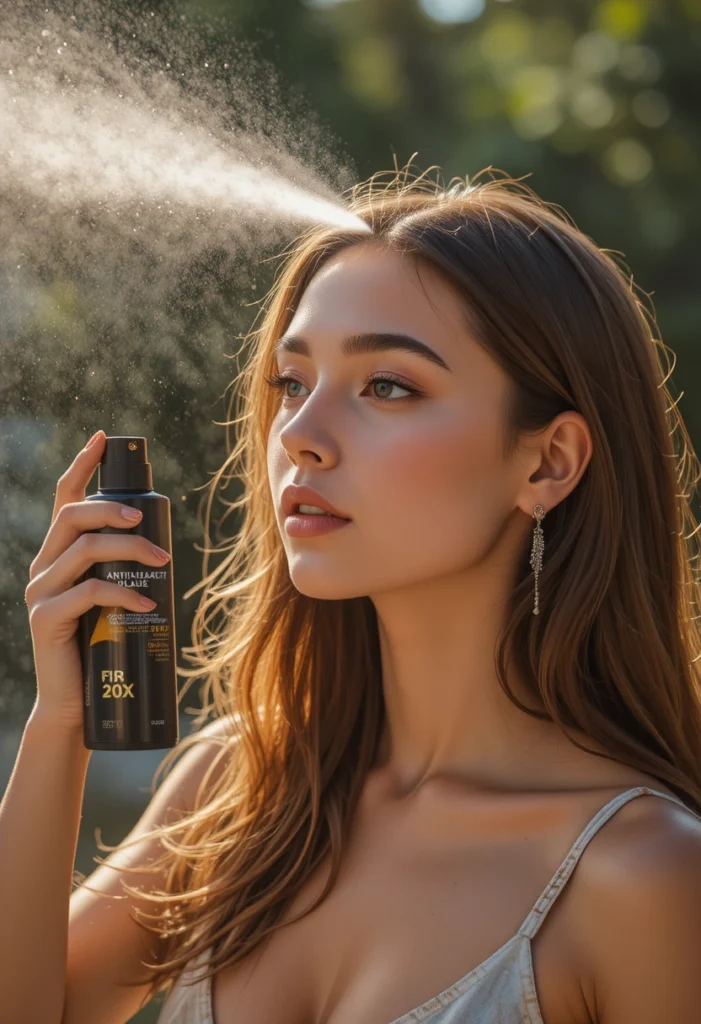
Not all hairsprays offer the same level of humidity resistance, and choosing one specifically formulated for anti-frizz or anti-humidity purposes can make a significant difference on particularly challenging weather days. These formulas typically include stronger holding agents designed to resist moisture penetration better than standard hairsprays.
Applying anti-humidity hairspray after styling, rather than before, ensures it works as intended, locking the style in place rather than being disrupted by additional heat or manipulation afterward. For those attending outdoor events or living in consistently humid climates, keeping a travel-sized version on hand for touch-ups throughout the day can help maintain a smooth look for much longer.
Protective Hairstyles for Humid Days

Sometimes the most effective frizz control strategy is simply choosing a hairstyle that’s less susceptible to humidity’s effects in the first place. Styles like braids, buns, and updos keep hair more contained and less exposed to ambient moisture, reducing the surface area where frizz can develop throughout the day.
These protective styles also reduce the need for constant touch-ups, since there’s simply less loose hair for humidity to affect. For particularly important occasions during humid seasons, opting for a more structured style over loose, flowing hair often results in a look that stays polished far longer than it would otherwise.
The Impact of Silk and Satin Accessories

Standard cotton pillowcases and hair accessories can create friction that roughens the hair’s cuticle overnight, setting the stage for frizz before the day even begins. Switching to silk or satin pillowcases and hair ties significantly reduces this friction, helping hair maintain a smoother texture from the moment it’s styled.
This small adjustment is particularly beneficial for those who wake up with noticeably frizzier hair than when they went to bed, since it directly addresses one of the lesser-known causes of overnight frizz. Combined with a loose, low style for sleeping, silk and satin accessories can meaningfully extend how long a smooth style lasts, even before humidity becomes a factor the next day.
Avoiding Overwashing to Preserve Natural Oils
Washing hair too frequently strips away the natural oils that help protect against frizz, leaving hair more vulnerable to humidity’s effects. These natural oils act as the hair’s own built-in barrier, and removing them too often through daily washing can undo much of the work done by anti-frizz products afterward.
Extending the time between washes, using dry shampoo to manage oil buildup in between, allows natural oils to accumulate slightly and provide some inherent frizz resistance. This adjustment can be particularly helpful during humid seasons, when hair already faces enough external moisture challenges without the added stress of frequent stripping through overwashing.
Using Microfiber Pillowcases and Diffusing Techniques Together
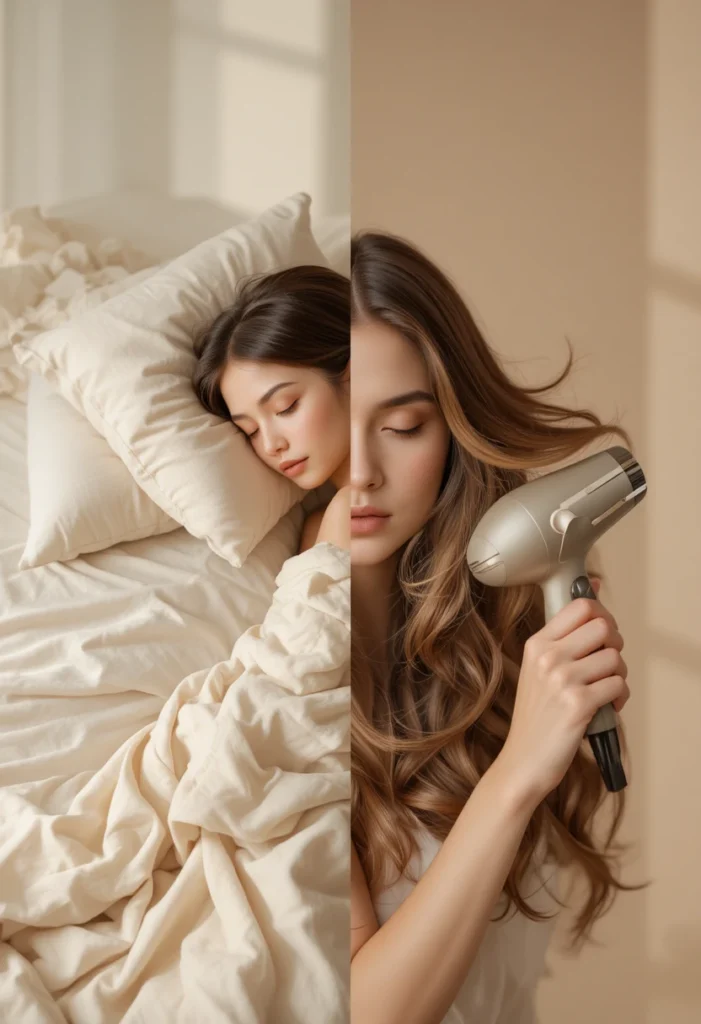
Combining a gentler drying method with humidity-conscious nighttime habits creates a more comprehensive approach to frizz control than relying on any single technique alone. Pairing a diffused blow-dry or gentle air-dry with a silk pillowcase at night means hair experiences less disruption both during the initial styling process and throughout the hours spent sleeping afterward.
This combined approach tends to produce noticeably smoother results over time compared to focusing on just daytime styling while neglecting how hair is treated overnight. Small, consistent adjustments across the entire day and night cycle often add up to a much more significant reduction in overall frizz than any single product change could achieve alone.
Adjusting Your Routine Seasonally

Frizz control needs often shift with the seasons, particularly as humidity levels fluctuate throughout the year. A routine that works well during a dry winter might need significant adjustments once summer humidity sets in, requiring heavier sealing products or more frequent touch-ups to maintain the same level of control.
Staying flexible and willing to swap products or techniques based on current weather conditions, rather than sticking rigidly to a single routine year-round, tends to produce more consistent results. Keeping a slightly heavier anti-frizz serum on hand for humid months, while using lighter products during drier seasons, allows for a routine that adapts rather than fights against the hair’s actual environment.
The Role of Diet and Hydration in Frizz Control

While external products play the most visible role in frizz control, internal factors like hydration and diet also influence how hair behaves in humid conditions. Well-hydrated hair, supported by adequate water intake and a diet rich in healthy fats, tends to have better internal moisture balance, which can reduce how aggressively it reacts to external humidity.
Nutrients like omega-3 fatty acids and biotin support overall hair health, indirectly contributing to a smoother cuticle that’s naturally more resistant to frizz. While diet alone won’t eliminate frizz entirely, especially in already porous or damaged hair, it serves as a valuable supporting factor alongside a solid topical care routine.
Trimming Regularly to Reduce Frizz at the Ends
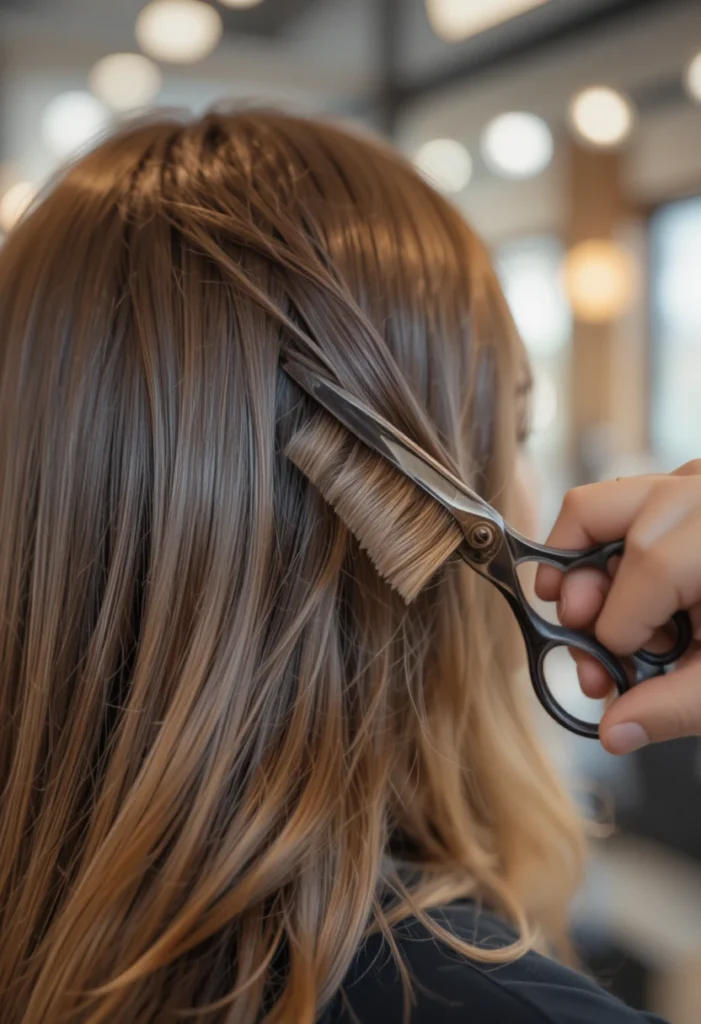
Split and damaged ends are often disproportionately prone to frizz, since the compromised cuticle at these points struggles far more with moisture regulation than healthier hair closer to the scalp. Regular trims help remove this vulnerable hair before it becomes an ongoing frizz problem that no amount of product can fully mask.
Maintaining a consistent trimming schedule, particularly for those who color or heat style frequently, prevents this kind of end damage from accumulating and worsening frizz over time. This simple maintenance step is often overlooked in frizz control conversations, yet it can make a meaningful difference in overall hair smoothness, especially when combined with the other techniques already covered.
Testing and Adjusting Products for Your Specific Hair Type
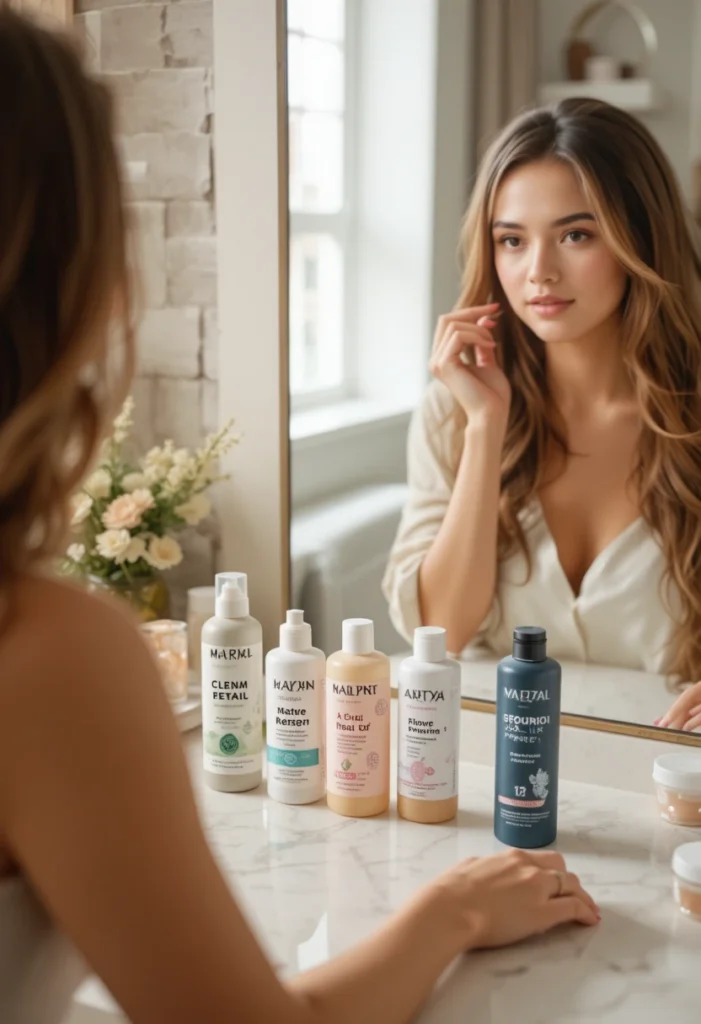
Frizz control isn’t one-size-fits-all, and what works exceptionally well for one hair type might do little for another, or even make frizz worse in some cases. Fine hair often needs much lighter products to avoid looking weighed down, while thick or coarse hair frequently requires richer, more intensive formulas to see any real difference in humidity resistance.
Testing different combinations of shampoo, conditioner, leave-in treatments, and styling products, while paying close attention to how hair responds in varying humidity levels, helps build a routine that’s genuinely tailored rather than borrowed from generic advice. This process of adjustment, while requiring some patience, ultimately leads to a far more effective and personalized frizz control strategy long-term.
Conclusion
Controlling frizz in humid weather comes down to understanding your hair’s specific triggers and building a routine that addresses moisture balance from every angle, inside and out. With the right combination of products, techniques, and a little patience, smooth, manageable hair is achievable no matter how unpredictable the weather gets.

Mehboob Ahmad is the founder and writer behind BeautyVibeWorld. With a genuine passion for skincare, makeup, and everyday beauty routines, Mehboob started this platform to share simple, practical, and research-backed advice that real people can actually use without the confusion of conflicting trends and overhyped products.
Every article on BeautyVibeWorld is written with care, backed by research, and regularly updated to stay accurate and relevant. Mehboob believes good beauty advice should be honest, easy to follow, and free of unnecessary complexity.
Outside of writing, Mehboob enjoys exploring new beauty trends and staying up to date with the latest in skincare and haircare research to keep bringing fresh, reliable content to BeautyVibeWorld readers.