
Layers are the fastest way to change how your hair moves without losing length. They add shape, lift the roots and stop heavy hair from hanging flat — and they work on almost any texture, from pin-straight to coily. This guide walks through 15 hair layers ideas for every length, from short pixie cuts to waist-grazing waves, plus the exact words to use when you book your appointment.
Read the list, screenshot the ones that suit your length and hair type, then use the styling and maintenance section at the end to keep the shape looking fresh between salon visits.
What Are Hair Layers?
Layers are sections of hair cut at different lengths so they sit on top of each other. The shortest piece creates volume and the longest piece keeps your overall length.

Where the layers start changes everything:
- Short layers (cut close to the crown) add the most volume and suit thick hair that needs movement.
- Medium layers (cut around the cheekbone or chin) create a rounder shape and a softer frame for the face.
- Long layers (cut near the collarbone or below) keep the weight at the ends — the best option for fine hair that tangles easily.
One rule that never changes: the finer your hair, the longer your layers should be. Cutting short layers into fine hair removes the weight that makes it look fuller.
15 Hair Layers Ideas for Every Length
1. Long Face-Framing Layers
Ask for layers that start at the cheekbone and taper down toward the chest. This keeps the length at the back and gives you a soft frame around the face. It’s the safest first layered haircut if you wear your hair up often, because everything still fits into a ponytail.
2. Soft U-Shaped Layers
A U-shaped cut keeps the longest point at the centre of your back and curves up gently at the sides. Paired with long layers, it makes straight hair look fuller at the bottom without looking chopped.
3. Long Layers With Curtain Bangs
Curtain bangs are cut as their own mini-layer, so they blend into the rest of the cut instead of hanging like a separate fringe. They flatter long faces and are easy to style with a round brush in under five minutes.

4. V-Shaped Layers
Sharp angles, dramatic movement. A V-cut with layers works beautifully on thick, wavy hair because the tapered ends stop the bottom from forming a heavy triangle.
5. Shoulder-Length Blunt Layers
Blunt ends plus hidden layers give you a clean, grown-up shape that still moves. Ask your stylist to keep the perimeter line strong and add layers only in the back for lift.
6. Medium Layered Lob With Movement
The lob is the middle ground between short and long — length to the collarbone with layers starting around the jaw. It’s the most requested shape for a reason: it suits round, square and oval face shapes.
7. Collarbone Layers for Fine Hair
If your hair is fine, keep layers long and blended, starting no higher than the collarbone. This protects density at the ends while still adding a little bounce at the roots.
8. Choppy Bob With Short Layers
A chin-length bob cut with short choppy layers is the classic volume fix for straight, medium-density hair. The texture hides any uneven density and looks intentional even on day three.
9. Short Pixie With Wispy Layers
Short hair gets layers too — they’re what create the piecey, feathered finish on a pixie. Wispy ends around the ears and hairline keep the cut from looking like a helmet.
10. Lob With Invisible Layers
Invisible layers are cut so subtly that you can barely see a step in the hair. They’re ideal if you want thickness at the ends but still want your hair to fall in one smooth sheet.
11. Wavy Shag With Lots of Layers
A shag stacks short layers through the crown with longer ones at the ends. On natural waves it reads as effortless texture rather than a style you have to build with tools.
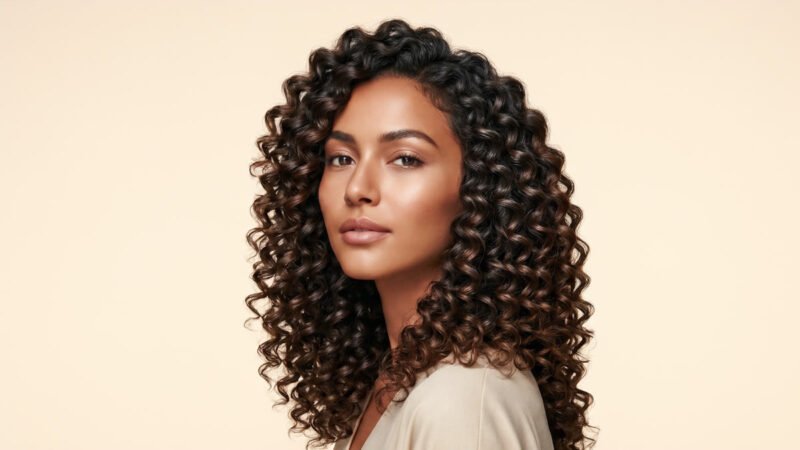
12. Curly Layers With a Rounded Shape
Curly hair should always be cut dry so the stylist can see your true curl pattern. Ask for a rounded silhouette with layers placed to remove bulk at the sides, not at the crown.
13. Coily Layers With Graduated Ends
Graduated layers — slightly shorter at the back, longer at the front — give coily hair a shape that hangs instead of forming a wide triangle. Keep the difference between sections small, around two to three centimetres.
14. Butterfly Cut Layers
The butterfly cut is two clear sections: short face-framing pieces up front and long layers through the back. It gives a lifted, 90s-inspired shape and works best on medium to long hair with some bend.

15. Grown-Out Bangs Blended Into Layers
Growing out a fringe? Ask for the bangs to be blended into the top layer instead of cut off. You keep the shorter pieces around the face and skip the awkward six-month stage.
How to Ask Your Stylist for Layers
A layered cut lives or dies on communication. Before your appointment:
- Bring two photos, not five. One of the overall shape and one close-up of the layers.
- Describe your routine honestly. Say how often you use heat and how much time you’ll spend styling. A cut that needs a round brush every morning is the wrong cut if you air-dry.
- Say the words “long layers” or “short layers” out loud. Stylists use those terms as instructions, not descriptions.
- Point to where you want the shortest layer to start — chin, cheekbone or collarbone.
If you are nervous, book a consultation first. Most salons will let you talk through the shape before anyone picks up the scissors, and it costs nothing to change your mind at that stage.
How to Style and Maintain Layered Hair
Layers show off whatever your hair is doing, so the styling matters as much as the cut.
For volume, blow-dry the roots in the opposite direction to how they naturally fall, then flip back. For definition, work a light cream or mousse through damp mid-lengths and scrunch, then leave the roots alone.
Keep the shape sharp with regular trims every eight to twelve weeks. Layered cuts grow out into a heavier, rounder shape, and the shortest layer is always the one that disappears first.
Healthy hair holds a shape better than damaged hair, so protect the ends: use heat protection before tools, keep the temperature moderate, and don’t skip conditioner on the mid-lengths. The American Academy of Dermatology has straightforward guidance on everyday hair and scalp care if you want the basics from a medical source.
And if you’re working on the whole look, not just the hair, our guide to morning skin care ideas is a good place to start a routine that takes five minutes. Readers who like a dewy, layered finish tend to enjoy the Korean skin care steps for women as well, since both are about soft, buildable results rather than one heavy product.
Frequently Asked Questions About Hair Layers
Do layers make hair look thinner or thicker?
Layers make hair look thicker when the shortest layer sits low and the cut keeps weight at the ends. Cutting short layers into fine hair does the opposite, because it removes the density that makes the ends look full.
What’s the difference between short and long layers?
Short layers are cut near the crown and create lift and volume. Long layers keep the weight near the bottom of your length and create movement with less bulk. Your stylist should match them to your hair density, not to a trend.
How often should layered hair be trimmed?
Every eight to twelve weeks. Layered shapes grow out unevenly at the shortest point, and waiting longer means your next appointment has to remove more length to restore the shape.
Can I get layers on curly or coily hair?
Yes, and they’re usually the best way to control bulk. Ask for a dry cut so the stylist sees your real curl pattern, and keep the difference between layers small so the shape stays rounded.
Final Thoughts
The right layered cut is the one that fits your length, density and how much time you actually want to spend styling — not the one trending this month. Pick two or three ideas from the list above, save them, and take them to your next appointment. If you’re building a full beauty routine around your new shape, our round-up of Christmas nails 2026 is a fun next stop for a polished look to match.


3 comments